
Dust
DUST — *the atoms in you were forged inside stars and scattered when they died.* Stars fuse light elements into heavier ones in their cores; when massive stars explode, they scatter those elements into space, where they become new stars, planets, and living things.
Press play to listen along. The line being read lights up as you go.
Show full transcript
Loading transcript…
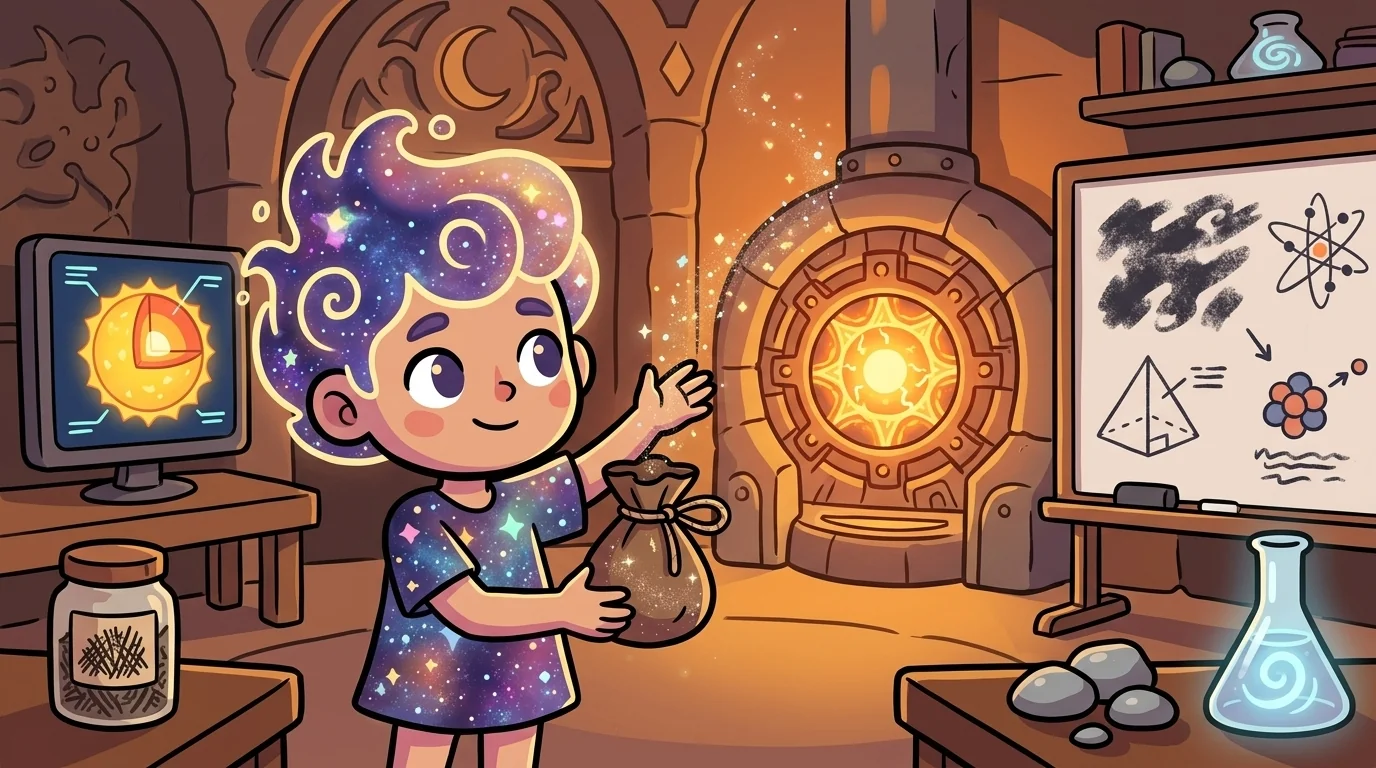
In a warm, glowing nook of the CosmosForge academy worked a small, soot-flecked creature named Dust, who carried a little pouch that shimmered faintly, as if it were full of crushed starlight. When she opened it, tiny motes drifted up and caught the light like glitter.
Dust taught the most astonishing fact in the whole observatory — so astonishing that students often didn't believe her at first. "I'm Dust," she said, letting a few shimmering motes rise from her pouch. "The big idea I teach is where atoms come from. The iron in your blood. The calcium in your bones. The oxygen you're breathing right now. Every single atom of it was forged inside a star — cooked in a furnace hotter than anything you can imagine, long before you were born. You," she said gently, "are made of stardust. Truly. Not as a pretty saying. As a fact."
A young stargazer crossed his arms, skeptical. "I'm made of stars? That's just a nice thing grown-ups say." Dust smiled and held up two motes. "When the universe was young, there was almost nothing but the lightest stuff — hydrogen and helium. No iron. No oxygen. No carbon. So where did the rest come from?" She pressed the two motes together. "Inside stars. A star spends its life squeezing little atoms together into bigger ones in its hot core — hydrogen into helium, then heavier and heavier. The star is a forge." The student uncrossed his arms slowly. "So... the heavy atoms got made in stars. But how did they get into me?" "Ah," said Dust, her eyes shining. "That's the part that takes my breath away every time."
The headmaster, Nova, asked Dust to teach where matter comes from. "The students learn how stars live," Nova said. "Will you teach them how a star's gift outlives it?" Dust was honored.
When she teaches, she gives one rule: "Never think of a star's death as only an ending. When a great star runs out of fuel, it bursts — scattering everything it forged out across space, like a sower flinging seed." She tipped her whole pouch, and shimmering motes spread through the air. "That scattered stuff drifts for ages. Then gravity gathers it into new stars, new planets — and on at least one little planet, into oceans, and trees, and you. The atoms had to be made in a star, and a star had to die and scatter them, before any of them could ever become a person." A student caught a drifting mote on her fingertip and stared at it. "This was inside a star once." "Everything was," said Dust softly. "Including you."
After class, Dust sat alone in her glowing nook, slowly running the shimmering motes through her fingers, watching them catch the light.
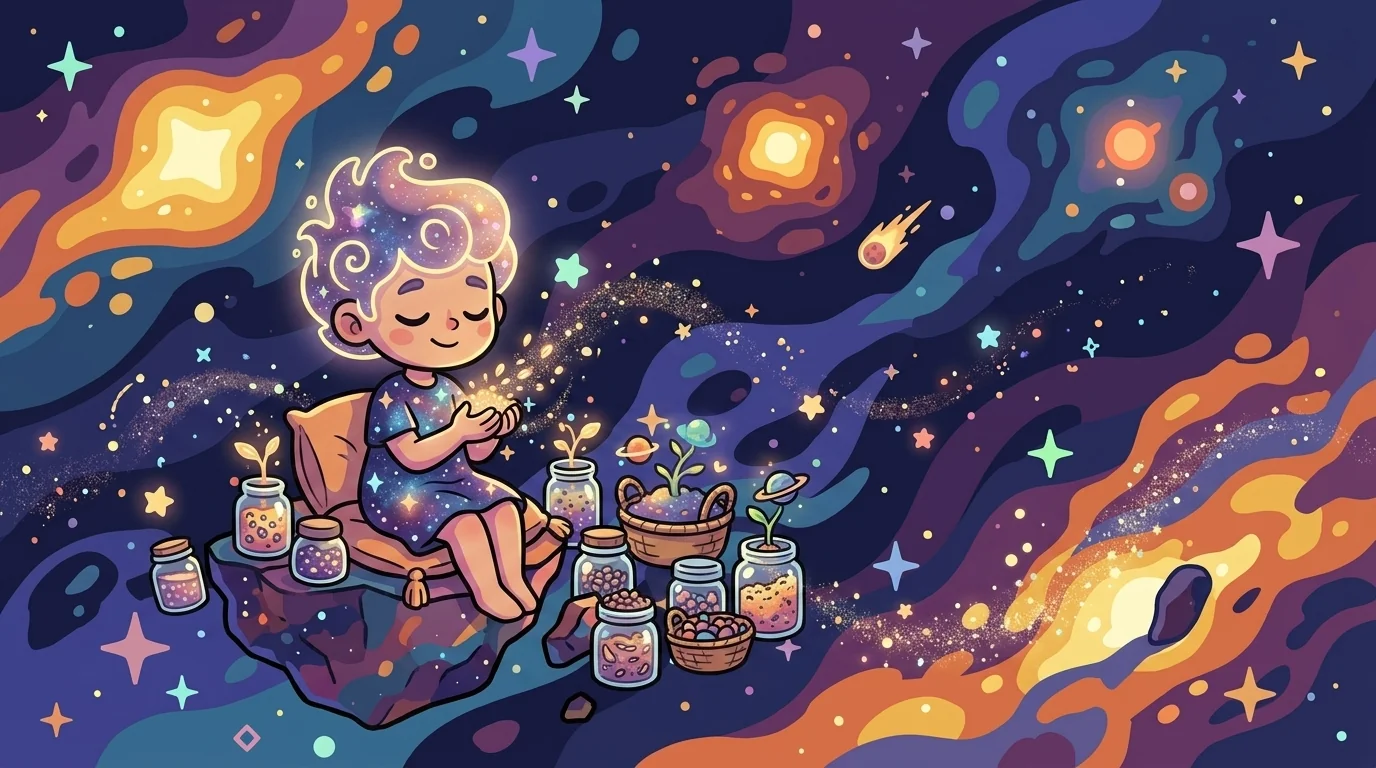
For a long time, a quiet sadness had clung to Dust like soot. Her whole subject began with death — stars had to die for her story to happen. She tended the leftovers, the ashes, the scattered remains, while brighter creatures studied stars in their living glory. She'd wondered whether her work was a sad one, forever sweeping up after endings.
But sitting in her nook, watching the motes glitter — the very stuff that would one day be new suns, new worlds, new living things — the sadness lifted into something vast and tender. She wasn't tending mere ashes. She was tending seeds. Every ending she studied was also a beginning; every star that died had scattered the makings of everything that would ever live. Her soot was the universe's way of becoming new again. The wonder of it filled her like warm light: nothing was ever truly lost — it was only passed on. A deep, glowing peace settled through Dust, and she cupped the shimmering motes close, grateful to carry the story of how stars become us.
The CosmosForge ensemble
Dust is part of CosmosForge's distributed-narrative cast. Each character embodies a different curricular primitive; together they teach the full subject.
-

Gleam
Stellar luminosity / electromagnetic radiation / observation
-

Sway
Gravity / orbits / mutual attraction
-
Swirl
Galactic rotation / spiral structure / angular momentum
-
Mist
Nebulae / dust / gas / accretion / stellar nurseries
-
Tide
Cosmological expansion / Hubble flow / cosmic time
-

Maw
Black hole / event horizon — gravity so strong that even light comes to rest
-
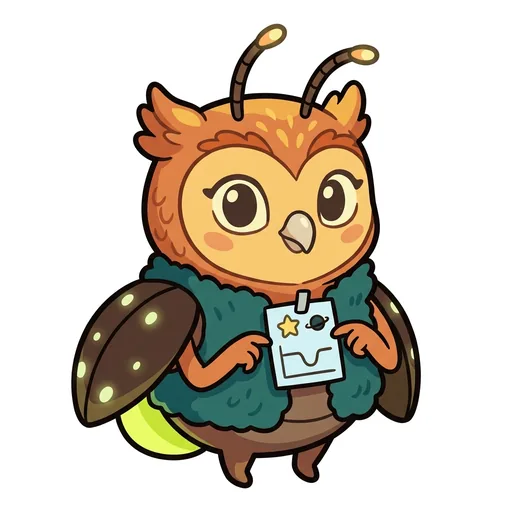
Wink
Exoplanet detection — finding hidden worlds by the tiny dip they make in a star's light (the transit method)
-
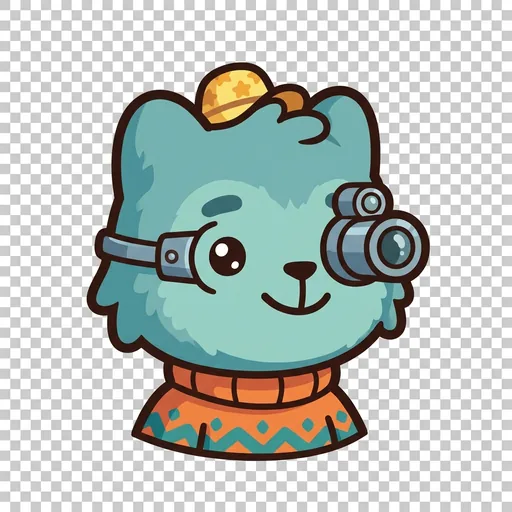
Squint
Cosmic distance / parallax — measuring how far a star is by how much it shifts between two viewpoints
-
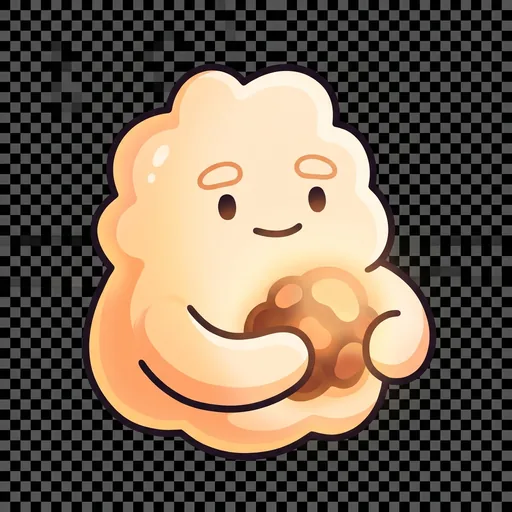
Relic
Cosmic microwave background — the oldest light, the faint afterglow of the universe's beginning