
Keystone
WORLD-CONSISTENCY — an invented world feels real when its rules stay the same all the way through. If magic costs a memory on page one, it must still cost a memory on page one hundred. Readers trust a world that keeps its own promises.
Press play to listen along. The line being read lights up as you go.
Show full transcript
Loading transcript…
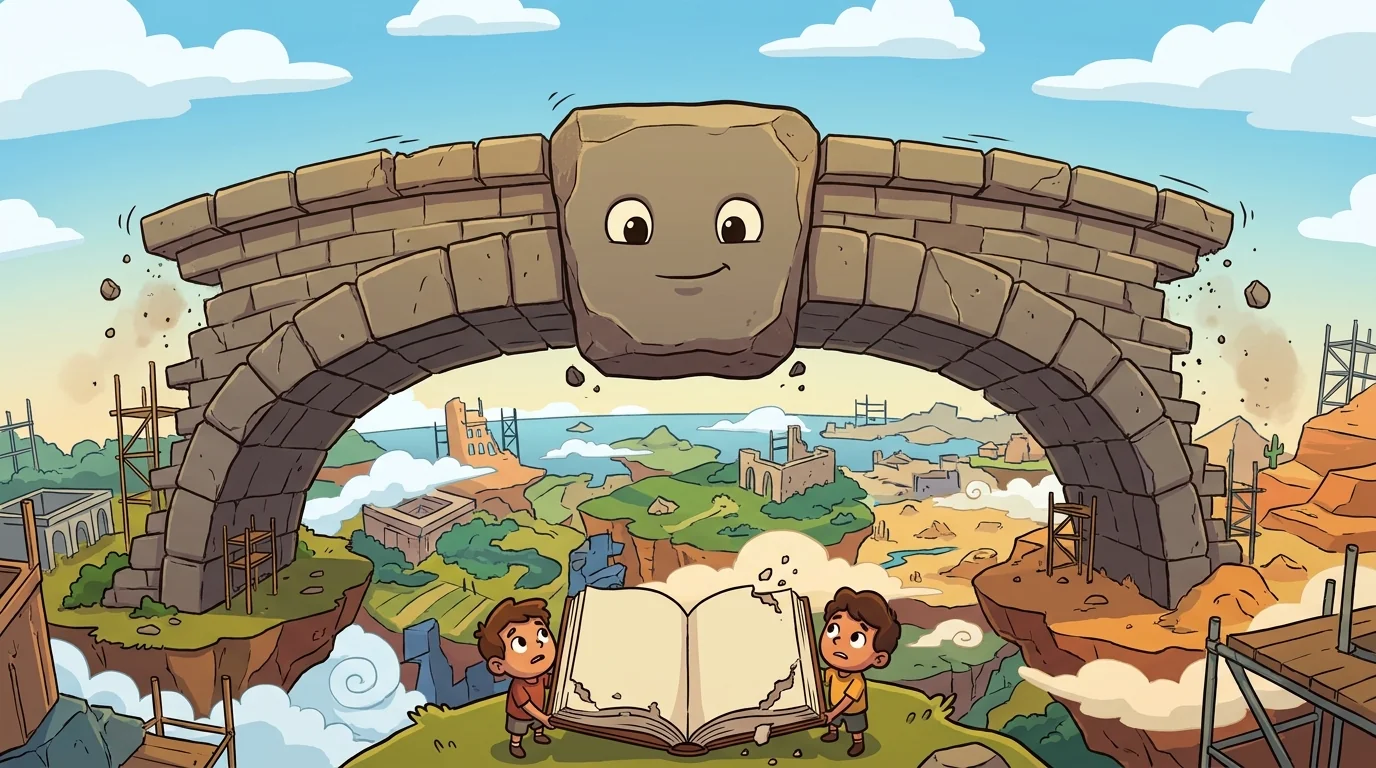
Keystone was a sturdy, calm creature, shaped a little like a stone with kind eyes. They lived at the top of a great arched bridge that spanned the unfinished world. They were the stone at the very center of the arch — the keystone — and as long as they held steady, the whole bridge stood. If they ever wobbled, the arch would feel it from end to end.
The young worldbuilders came to Keystone with a story that kept falling apart. In it, magic worked one way at the start — a wish cost you a memory — but by the middle, characters were wishing for anything they liked, free of charge. The world had stopped making sense. It sagged in the middle like a bridge with a loose stone.
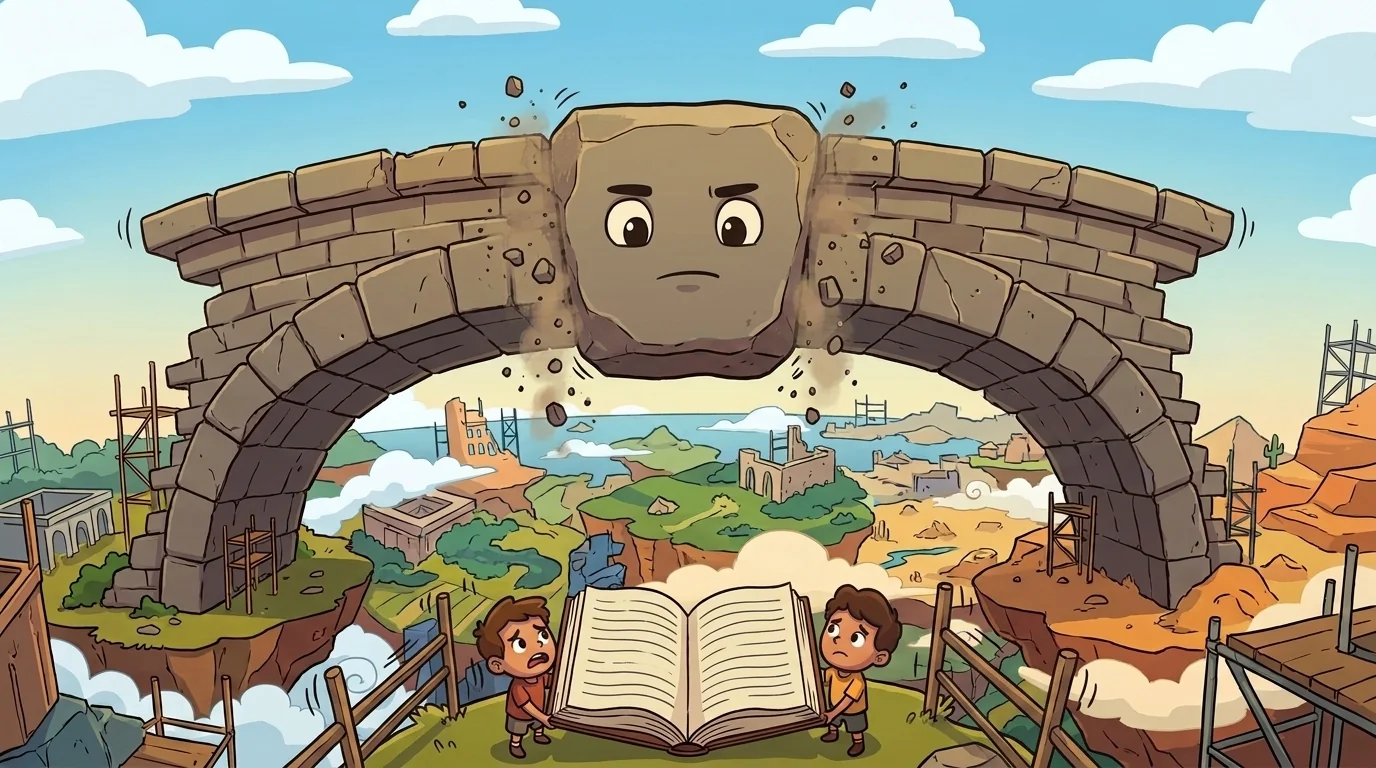
"I felt the wobble from up here," Keystone said, settling more firmly into place. "On page one, your magic cost a memory. By page forty, it costs nothing. So now your world keeps no promises — and a world that breaks its own rules cannot hold any weight."
The builders frowned. "But it was easier to let them wish freely," one admitted.
"Easier, yes," said Keystone, kindly. "But feel what it does." They shifted, just slightly, and the whole imagined bridge gave a sickening lurch. The builders gasped and grabbed the rails. Keystone settled back, and the bridge went solid again. "That lurch," they said, "is what a reader feels when a world breaks its own rule. Something deep in them stops trusting the story."
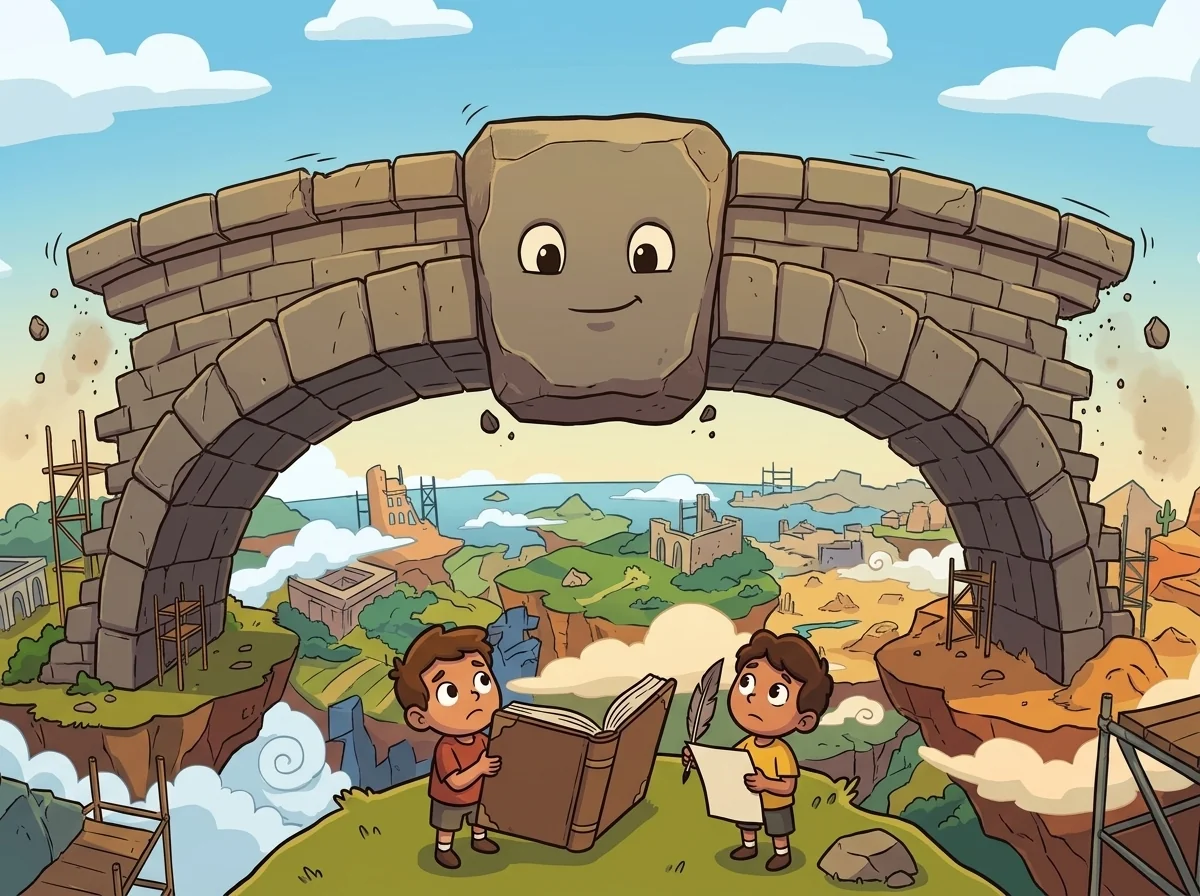
Keystone walked the builders through their world's rules, one by one. "Write them down," they said. "What can magic do? What can it never do? What does it cost? Once you decide — keep it. All the way to the end." The builders made a small list of their world's laws and pinned it where everyone could see.
And a wonderful thing happened. With the rules held steady, the story got more exciting, not less — because now the characters had to be clever. They couldn't just wish their problems away. They had to find a way to win within the rules.
"That is the secret most builders miss," Keystone said. "Rules don't shrink a story. They give it a shape to push against. A world that can do anything is a world where nothing matters. A world with steady rules is a world you can trust — and trust is what lets a reader believe."
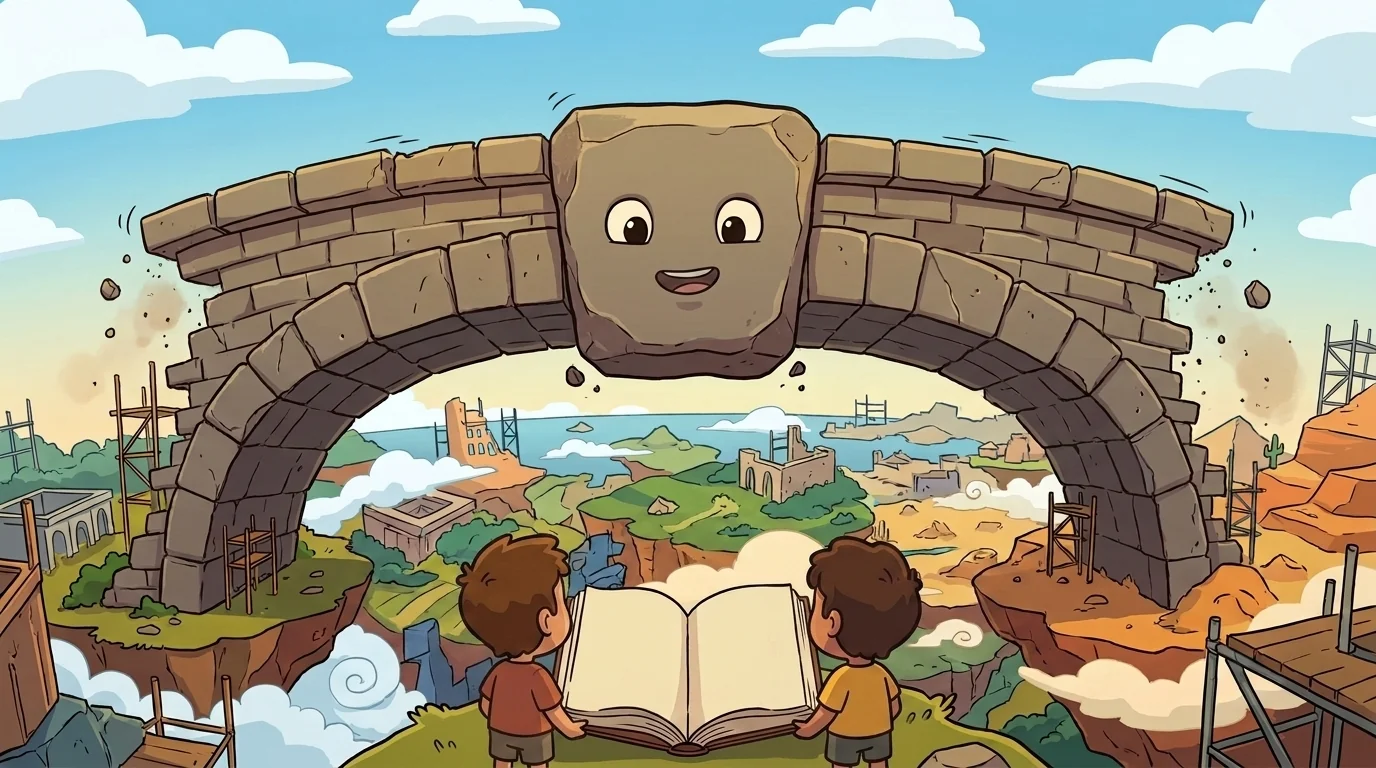
The builders tested their world hard, trying to catch themselves cheating. Each time a character was about to break a law, they stopped and asked: does this follow our own rules? When it didn't, they found another way. The bridge held. The world felt solid under their feet.
"What if we want to change a rule partway through?" a builder asked.
"Then change it on purpose, in the open, and show the cost," Keystone said. "A rule that bends with a reason is fine. A rule that quietly breaks when it's convenient — that is the wobble. The reader forgives a world that keeps its promises. They never quite forgive one that cheats."
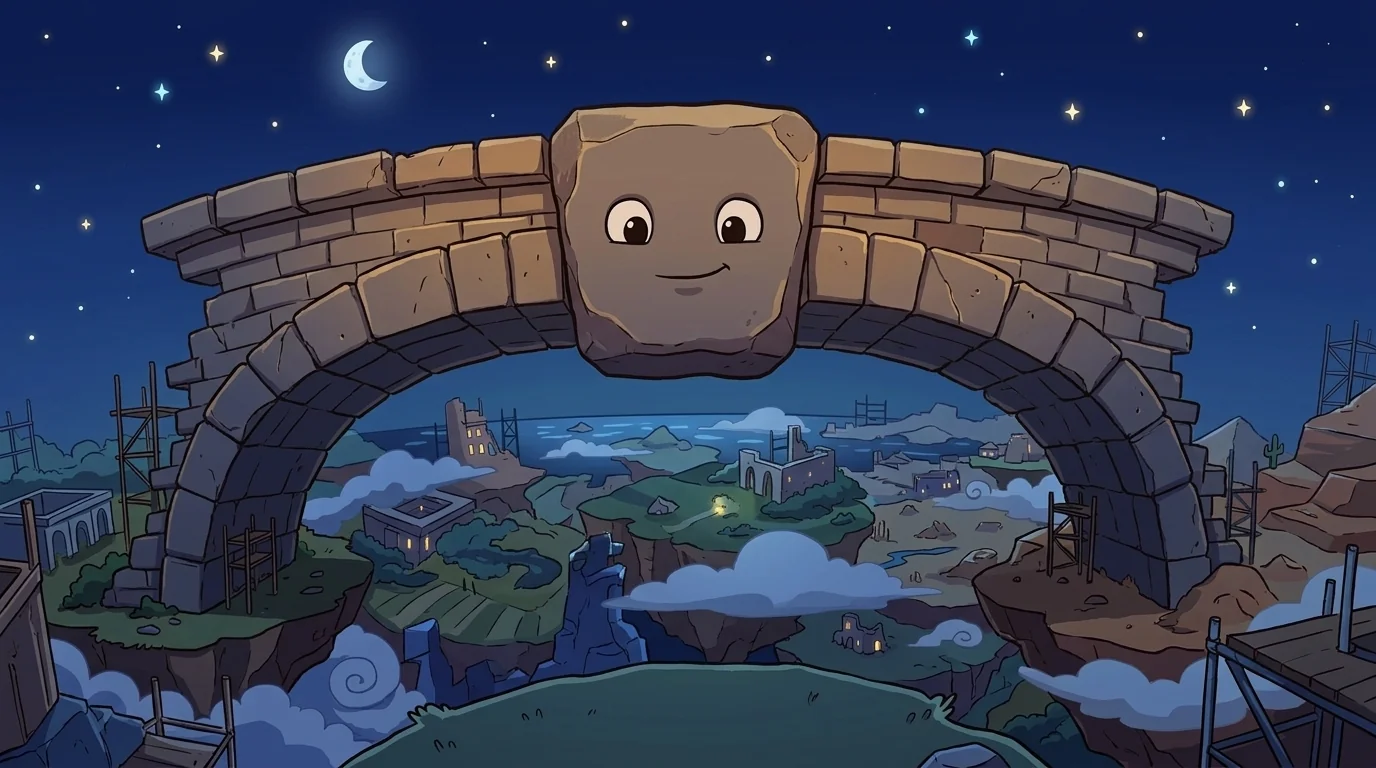
When the builders had gone, Keystone stayed at the center of the arch, holding steady as the stars came out over the unfinished world.
It was not a flashy place to be, the middle of an arch. No one admired the keystone the way they admired the towers or the painted rails. For a long while, Keystone had wondered if their quiet, unmoving job even mattered.
But tonight, feeling the whole bridge resting trustingly upon them — steady, solid, holding — Keystone understood their worth. They were not the prettiest stone. They were the one that kept its promise. And because they held, every other stone could be daring; every traveler could cross without fear. A deep, grounded contentment settled into them, heavy and warm as bedrock. To be the steady thing others could trust — that, they knew now, was a quiet kind of love. And they held, and held, and were glad.
The TaleForge ensemble
Keystone is part of TaleForge's distributed-narrative cast. Each character embodies a different curricular primitive; together they teach the full subject.
-

Hook
Story elements — opening as contract with the reader; the first line is a promise; 'Make me lean in. Then keep me leaning.'
-
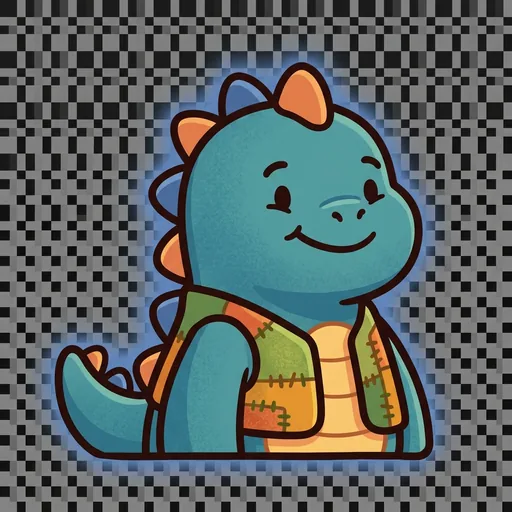
Spine
Character creation — character-as-tension (wants × fears × contradictions); 'Every character has a NO they keep saying YES to.'
-

Bough
World-building — coherence-rules-as-promises-the-world-keeps; what the world ALWAYS does + NEVER does (SOFT collision with LinguaQuest Bough — different role/domain/visual)
-

Echoes
Voice + dialogue — voice as listening-craft NOT inherited-by-birth; if two characters could say it, neither one really did
-
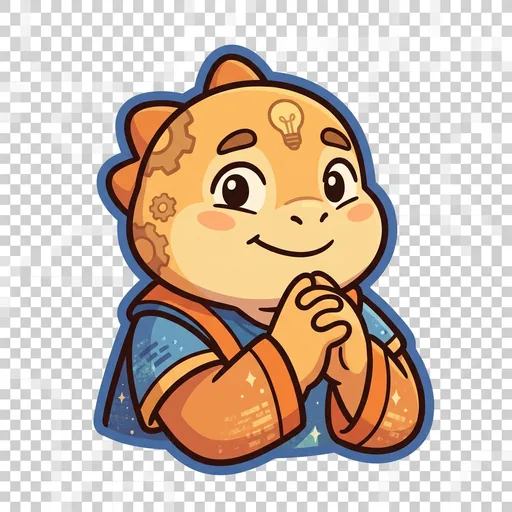
Glimmer
Revision + reflection — first draft as DATA not failure; the second look that makes the first attempt useful
-

Wager
Stakes — moss-soft creature (they/them) who carries one glowing marble holding everything they'd hate to lose; a story matters when something precious is at risk
-
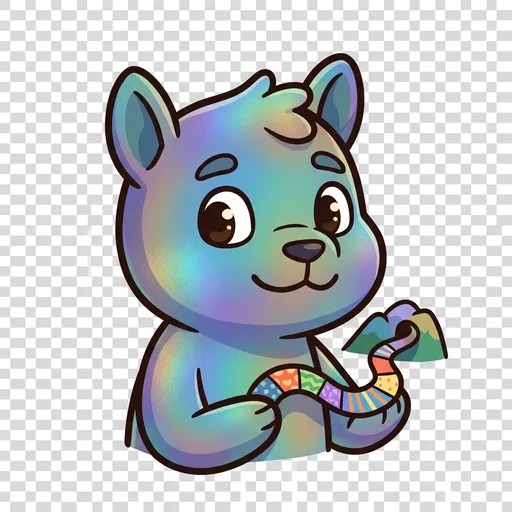
Swerve
The twist — sideways-shimmering creature (they/them) who loves a road that turns; a twist must be surprising AND fair (the clues there all along)
-

Tempo
Pace / rising tension — lithe creature (they/them) with a self-beating heartbeat-drum; a story breathes, fast and slow on purpose, climbing to its biggest moment
-

Heart
Theme — soft glowing creature (they/them) who listens for the true thing beating under a story; show the meaning, never announce it like a lesson