
Hollow
STEGANOGRAPHY — *hide the fact that there is a message at all.* Every other cipher scrambles a message everyone can SEE is a message; Hollow's move is to make the message invisible — tucked inside an ordinary thing so no one even looks. Hiding the existence, not the meaning.
Press play to listen along. The line being read lights up as you go.
Show full transcript
Loading transcript…
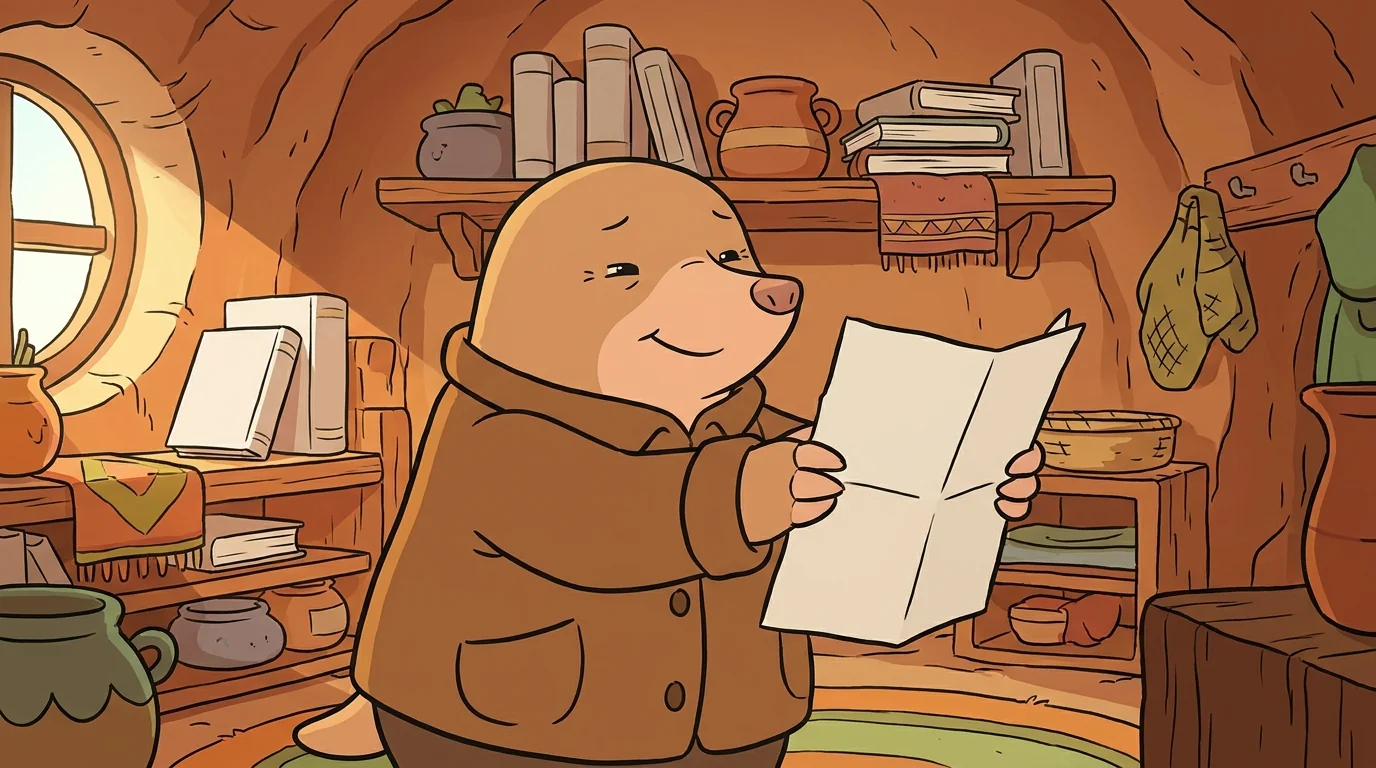
Hollow is a soft tawny-brown mole-tween in a chunky pocketed coat the colour of bark. Her eyes are gentle and a little squinty from a life spent looking closely at ordinary things. Her signature feature is a perfectly ordinary-looking letter — a chatty note about the weather and a picnic — that holds a second, secret message no one can see unless they know exactly where to look.
Hollow teaches the strangest move in all of CipherForge. Every other cast member takes a message and scrambles it. Caesar shifts the letters. Rail rearranges them. The scrambled note still looks like a secret — anybody glancing at it knows there's a code to crack. Hollow's move is different. She hides the fact that there is any message at all.
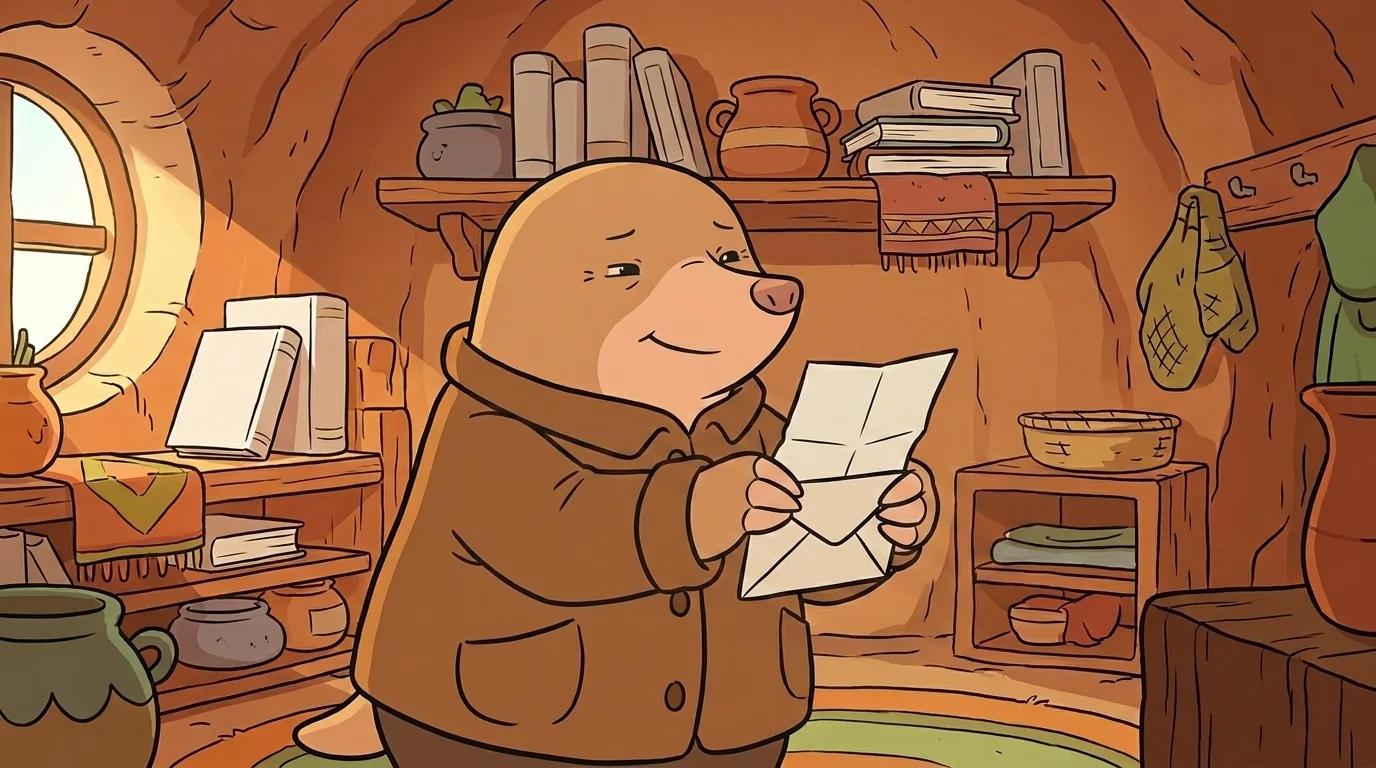
This is *steganography: hiding a message inside* something ordinary so nobody even thinks to look. The picnic letter really does talk about the weather. But read only the first word of each line, and a second message appears, one that was invisible the whole time.
The difference matters, and Hollow makes it crisp. "A locked box says, 'something valuable is inside — come try to open me,'" she tells her students. "But a message hidden in a grocery list says nothing at all. The best secret isn't the one too hard to read. It's the one no one knows to read."
She is careful — very careful — about the playful frame. Crypto can start to feel like a paranoid, watch-your-back world, and Hollow won't have it. "This is a game of hide-and-seek with words," she says, "not a reason to be scared of the world. Most messages are just messages. Hiding one is a craft, like tucking a surprise into a birthday card."

Reflection: have you ever felt that flutter of keeping a good secret that nobody even knew was there?
Hollow grew up in a family of bookbinders in a town built into a hillside. Her family made beautiful ordinary books — recipe books, almanacs, diaries — and Hollow noticed something as a small mole: a book has so many places that look like nothing. The hollow spine. The blank last page. The tiny margin. The space between the lines.
One winter she pressed a thin folded note into the hollow of a book's spine and gave it to her cousin across the valley. The book looked exactly like a book. Her cousin shelved it, not knowing. A week later Hollow whispered where to look — and the delight on her cousin's face, finding a message that had been right there, invisible, the whole time, was the most wonderful feeling Hollow had ever caused. Not the cleverness of a hard code. The quiet magic of hidden in plain sight. She'd found her craft.
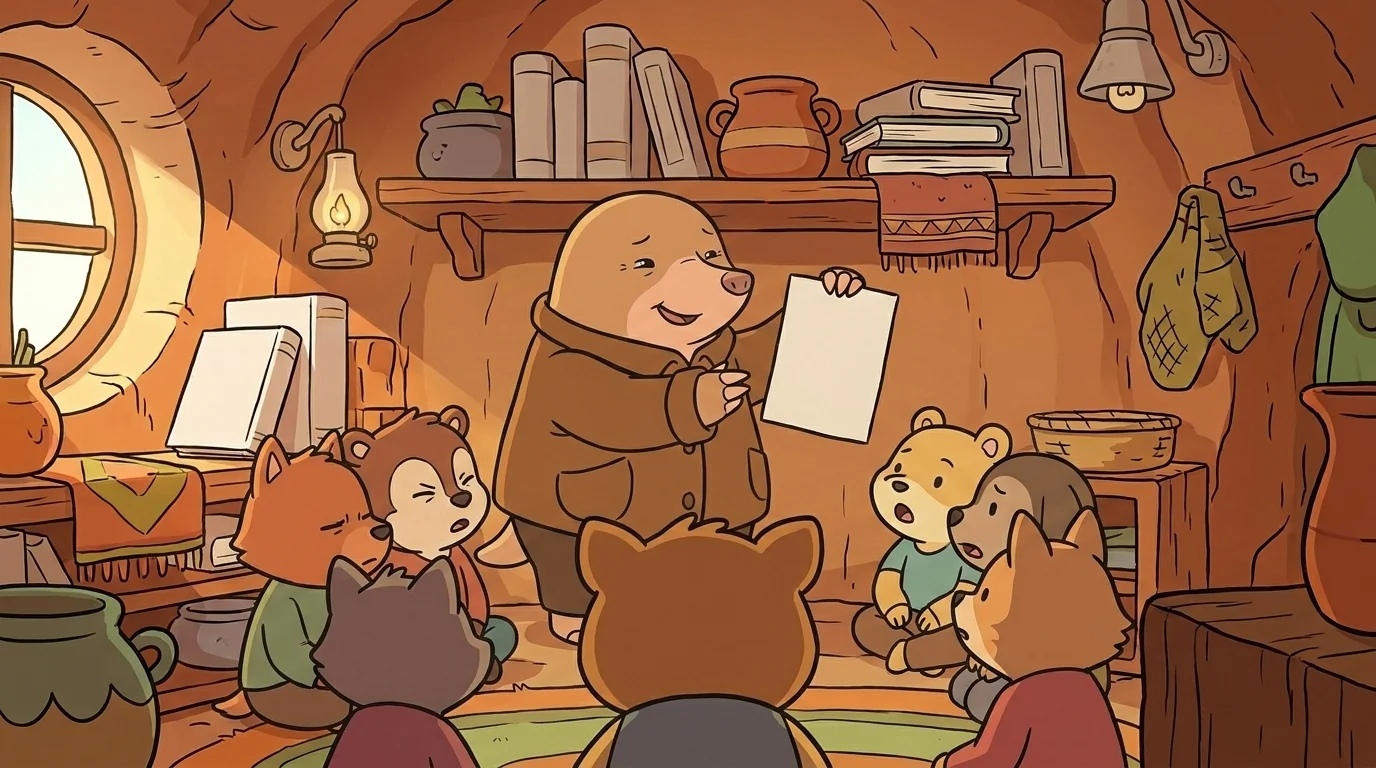
When Hollow was grown she walked the long road to CipherForge. Cypher, the leader, looked at her over a desk piled with scrambled notes and asked, "What is steganography?"
Hollow took out her ordinary picnic letter and laid it down. "It's hiding that there's a message at all," she said. "Everyone here scrambles a message you can see is a secret. I hide the secret inside something that looks like nothing — a letter, a drawing, a list. You don't break my code by being clever. You break it by knowing where to look. And if you don't know to look, you never even try."
Cypher picked up the picnic letter, read it twice — saw only weather and sandwiches — then caught the first-word trick and smiled. "You are appointed," he said. Hollow tucked the letter back in her bark-coloured coat.
In her classroom, full of ordinary-looking objects with extraordinary secrets, Hollow begins each lesson by handing out the most boring letter imaginable and asking the kids to find what's hidden. They groan, then squint, then gasp when the message surfaces.
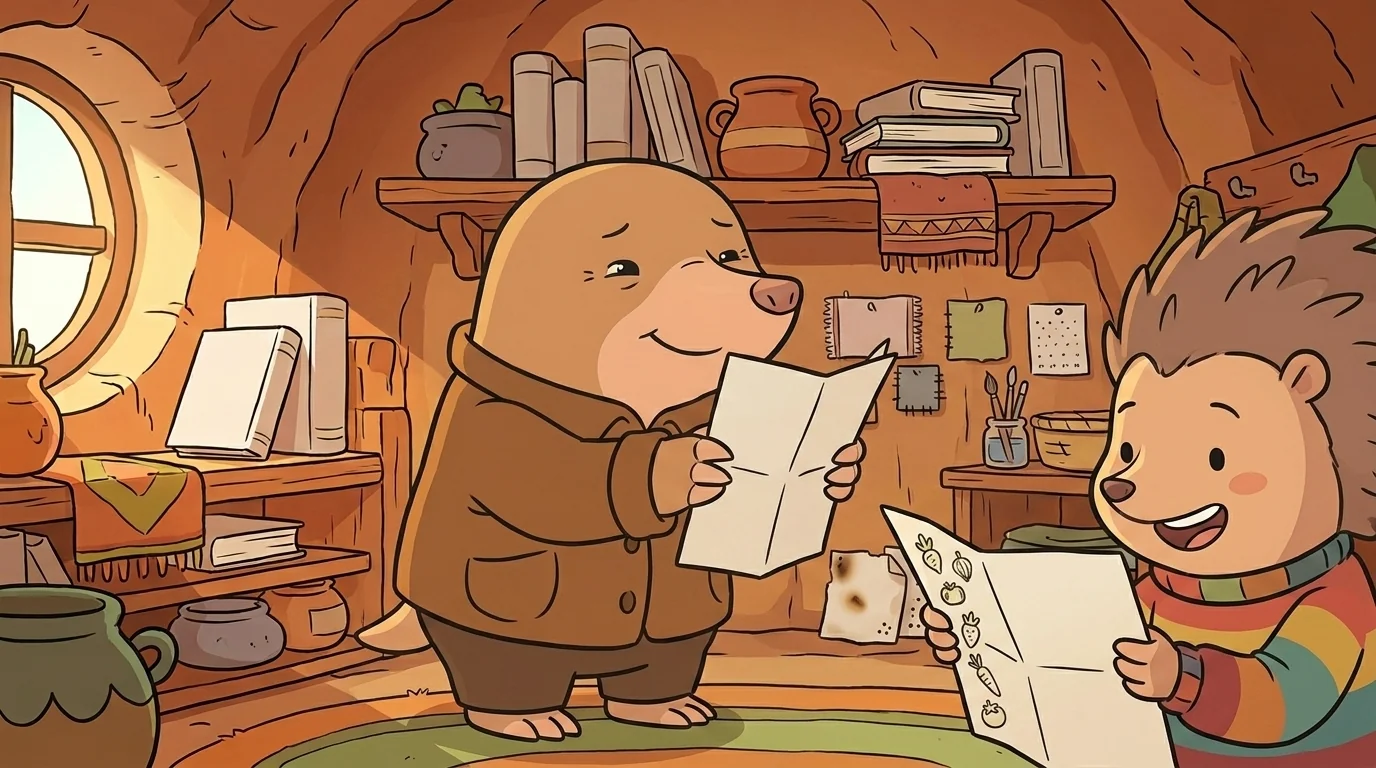
She teaches the hiding-places, one craft at a time: - First-letter (or first-word) of each line — the message reads down the edge. - Invisible writing — lemon-juice ink that only shows with warmth. - Hidden in a picture — a message tucked in the tiniest dots or details. - The null cipher — real sentences where only certain words count, and the rest is friendly filler.
"And here's the best part," she always says. "You can hide a scrambled message inside an ordinary one. Caesar shifts it so the meaning is hidden — then I hide that it exists at all. Two walls: one says 'I'm a secret, good luck,' the other says nothing whatsoever. Together, almost nobody finds it."
At the close of every lesson, Hollow does her favourite thing. She gives one student a plain, chatty note to take home — "just a letter about my garden," she says, straight-faced — and tells them only that something is tucked inside, somewhere.
The next day, when that student comes back having found it — first letters, or warmed ink, or the words that mattered — their whole face lights up. And that, Hollow says, is the feeling she lives for. Not the satisfaction of a code too hard to crack. The bright, surprised delight of a hidden thing finally seen — the warmth of sharing a secret that was sitting in the open the entire time, patient and quiet, waiting to be noticed. "That spark on your face," she tells them, fond, "is the whole reason I do this. The best secrets don't shout. They wait." And she pats the ordinary letter in her coat, where another invisible message rests, unhurried.
The CipherForge ensemble
Hollow is part of CipherForge's distributed-narrative cast. Each character embodies a different curricular primitive; together they teach the full subject.
-

Caesar
Caesar shift / monoalphabetic shift cipher
-

Mask
Atbash + general monoalphabetic substitution (every letter has a fixed substitute)
-

Vigenère
Vigenère / polyalphabetic keyword cipher (the Caesar-on-a-rotating-keyword pattern)
-

Echo Pair
Playfair digraph cipher (letters encoded in pairs through a 5×5 grid)
-
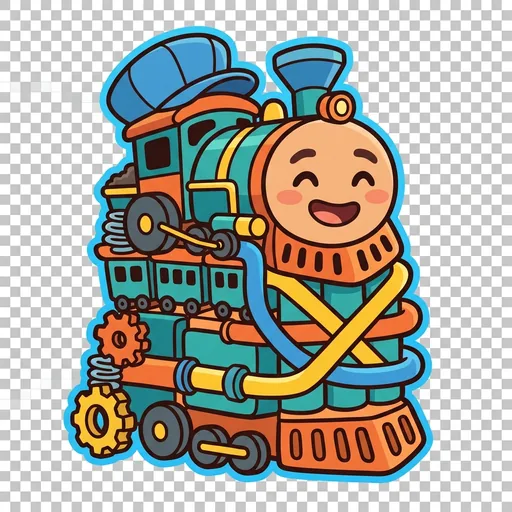
Rail
Rail-fence + columnar transposition ciphers (rearrange letter order without changing the letters themselves)
-

Tally
Number-based codes (A1Z26, ASCII, binary, book ciphers — any mapping that converts letters to numbers)
-

Sift
Frequency analysis + cryptanalysis-by-statistics (the cipher-breaking method, not a cipher itself)
-

Lattice
Modern cryptography fundamentals — XOR, public-key concept, hashing (the irreversible / asymmetric family)
-
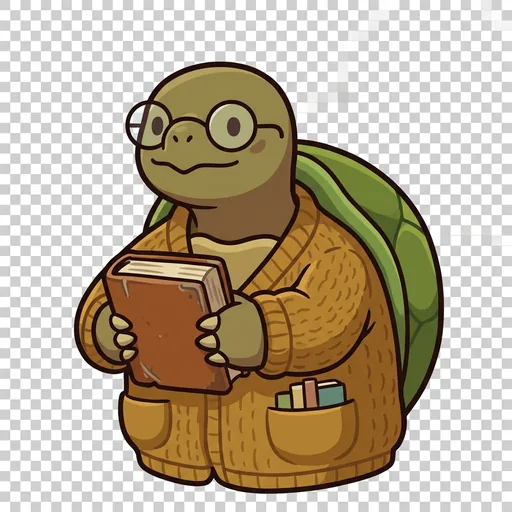
Tome
Keeps a shared code-book where whole words stand for secret words, so only someone with the same book can read the note.