
Dash
INTERRUPTION — in real talk, people cut each other off, finish each other's sentences, and talk over one another. On the page, a dash (—) at the end of a line shows the interruption. Used at the right moment, it makes a conversation feel urgent, excited, or tense.
Press play to listen along. The line being read lights up as you go.
Show full transcript
Loading transcript…
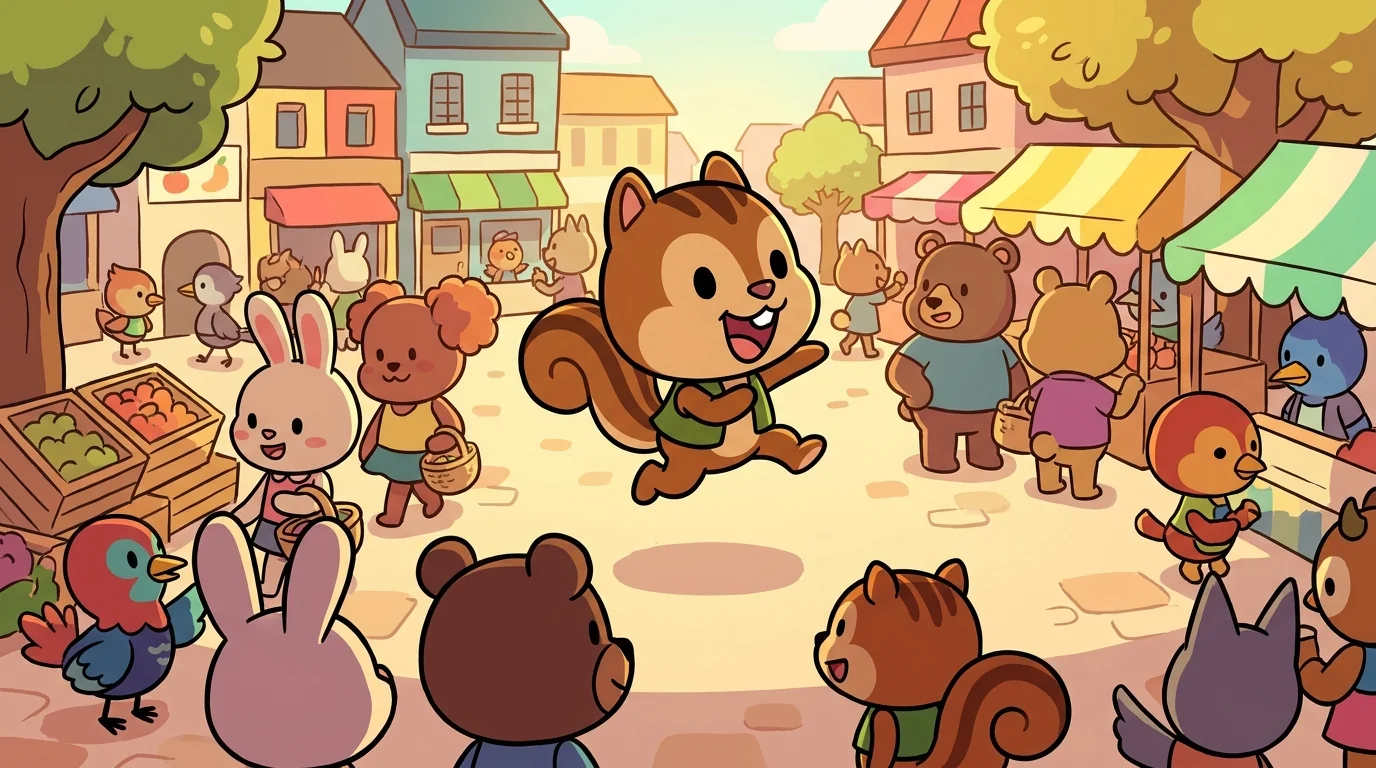
Patter met Dash on a busy afternoon, and he barely got a word in.
Dash was a zippy little chipmunk, practically vibrating with energy. The moment Patter began — "I was wondering if you—" — Dash leapt in: "—if I keep the interruptions? Yes! That's me!" His speech bubble had crashed right into the end of Patter's, with a little dash where the two met, like two train cars coupling.
"You finished my sentence," Patter said. "Before I did."
"Couldn't help it—" Dash said, then caught himself and slowed down, a little sheepish. "Sorry. My name is Dash. I keep the interruptions. When someone's too excited, or too worried, or too sure they know what's coming — they jump in. They cut the other person off." He pointed to the little dash hanging in the air where their bubbles had collided. "That mark right there. That's me."
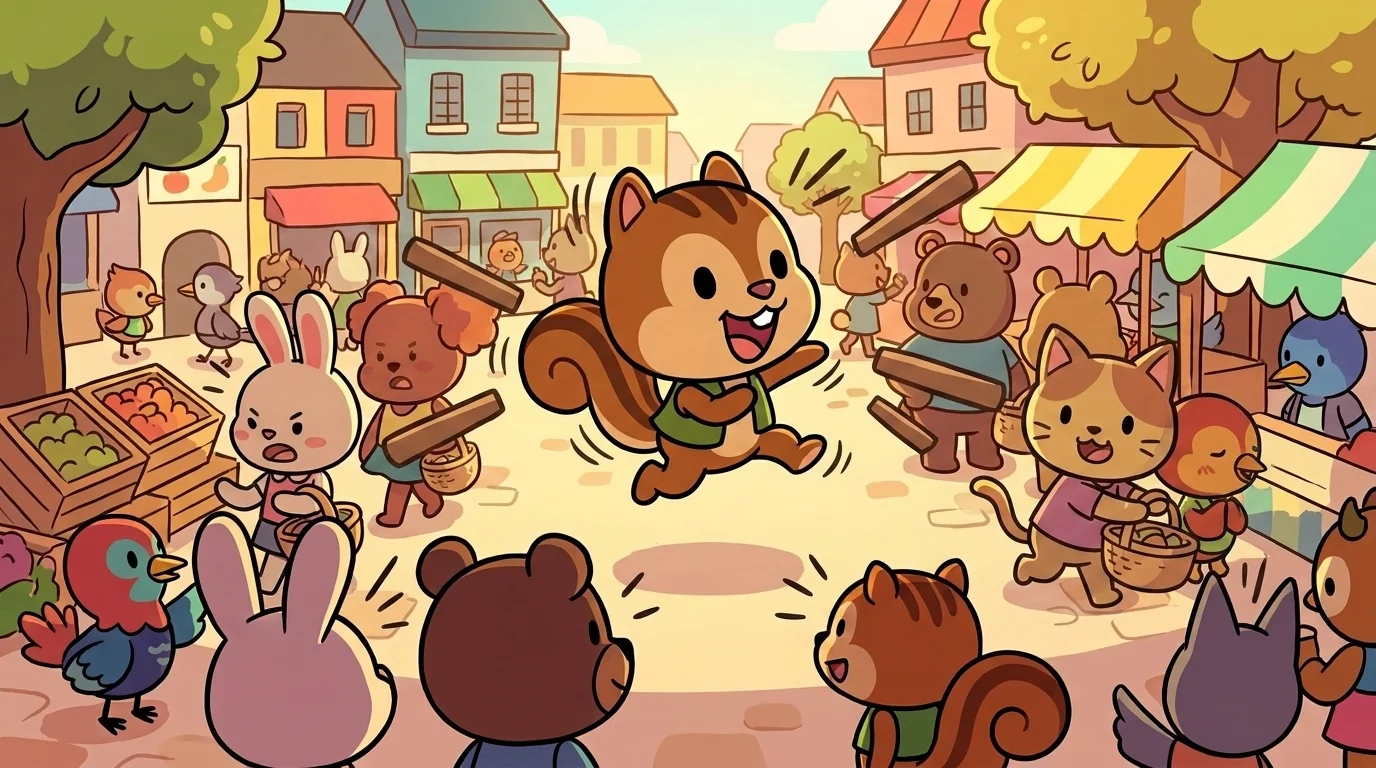
Patter watched, fascinated, as Dash demonstrated. Two creatures were having a calm, polite talk, each waiting their turn. Then Dash zipped in, and suddenly one was finishing the other's lines, both of them tumbling over each other — "But if we leave now—" "—we'll miss it, I know, that's why—" "—we have to run!" The talk caught fire. It felt urgent and alive and real.
"See the dashes?" Dash said, pointing to where each line got cut off. "Every dash is a place someone couldn't wait. It makes the talk feel fast. Excited. Like the words are racing."
Then he showed the other side. He had two creatures interrupt every single line — over and over, nonstop. And it stopped feeling exciting. It just felt like chaos, like nobody was listening to anybody. "Too much," Dash admitted, slowing himself down with visible effort. "If everybody always interrupts, it's just noise. The dash only works when it's a surprise."
Patter felt the click. The kids never interrupt — every line waits politely for the last one to finish, he thought. So their talks feel slow and stiff. A few well-placed dashes would wake them right up.
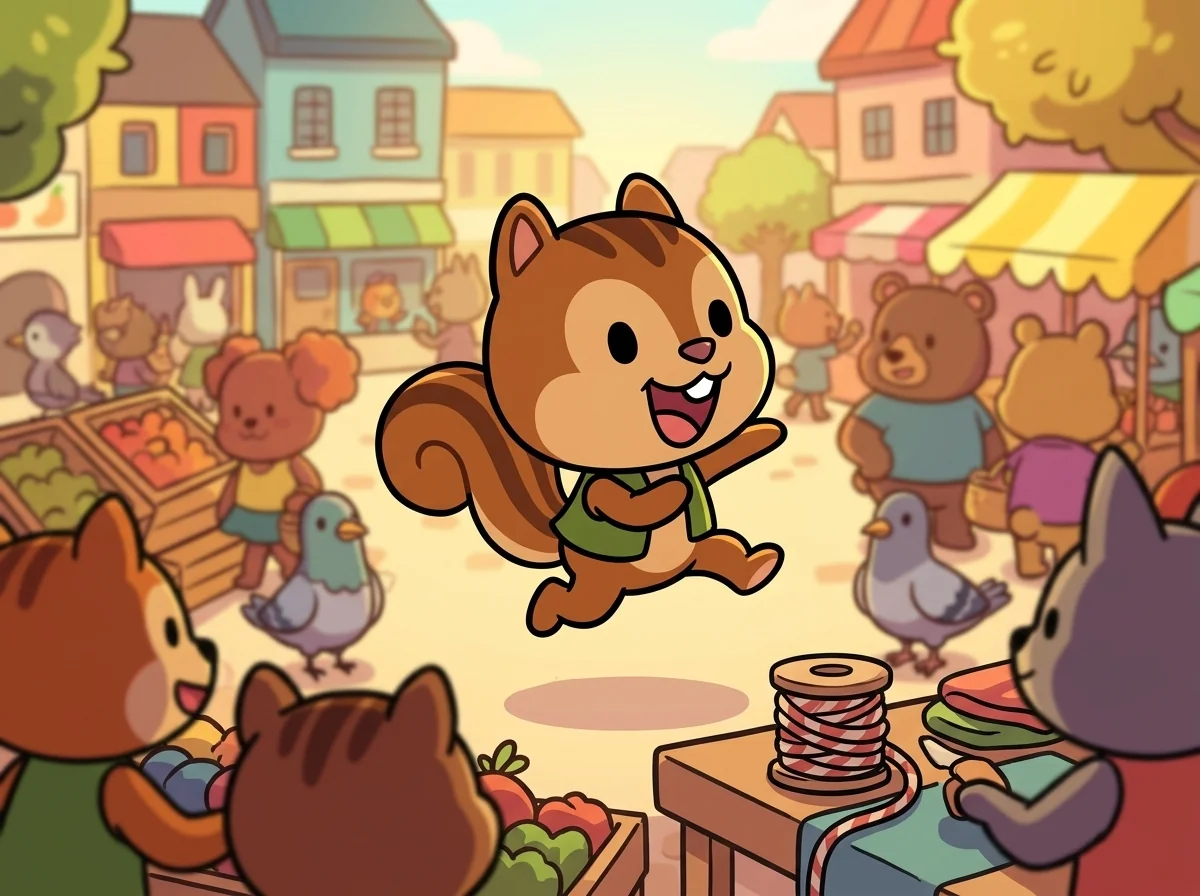
"Dash," Patter said, "I run a workshop. The kids write talks where everyone waits their turn, perfectly polite, every time. It feels like a tennis match in slow motion. Would you join us? Show them the interruption — and how to use it just enough?"
"Yes—" Dash started, then grinned and made himself finish the whole sentence on purpose: "—I would love to come." Patter laughed. He'd come.
So Dash joined the workshop, and the talking-scenes there crackle with energy now — at just the right moments.
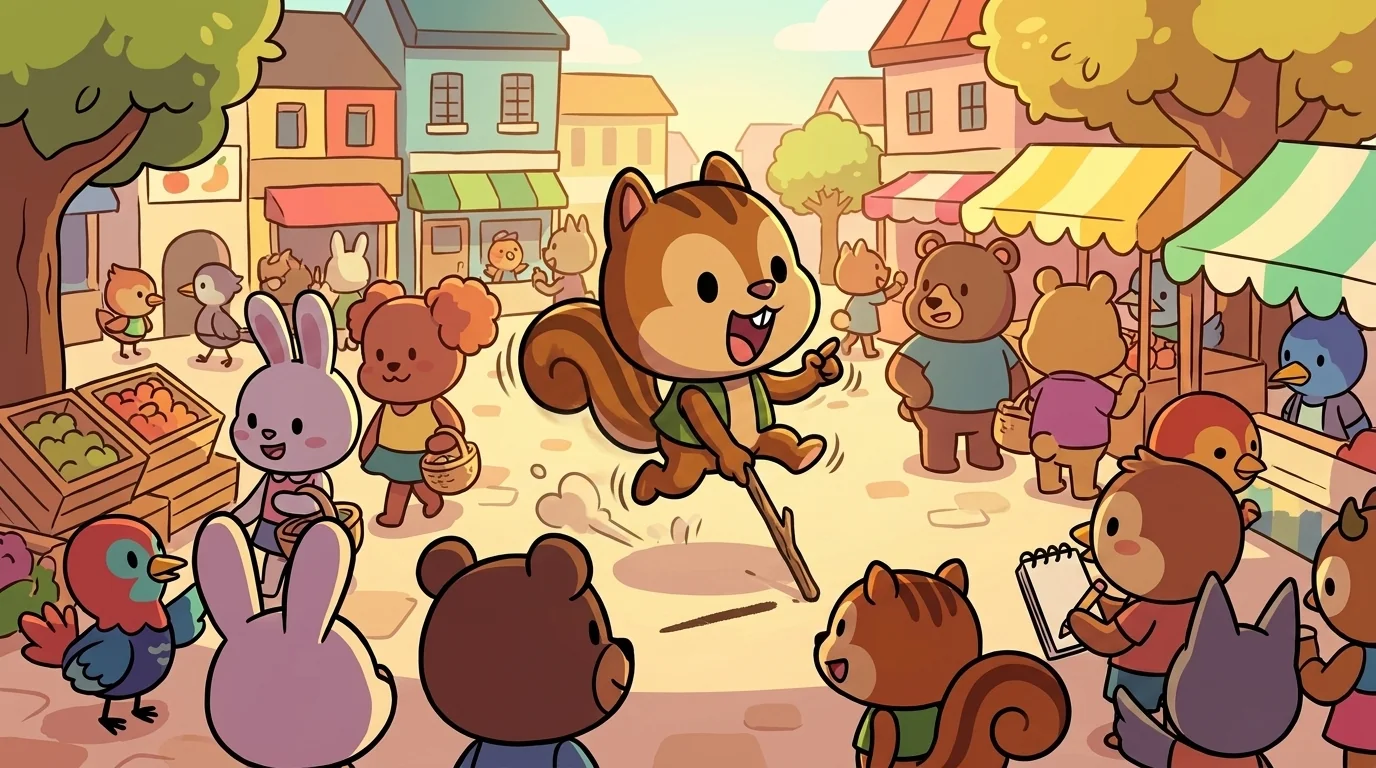
When Patter teaches interruption, Dash shows the way. "Find the most exciting moment in your talk," he tells the kids, zipping around. "The part where someone's bursting to speak. End their line with a dash — like this —" he draws one in the air "— and let the next character crash right in."
He gives them the rule that matters most. "But only sometimes," Dash says, holding himself still with effort. "An interruption is like a loud noise. One loud noise makes you jump. A hundred loud noises and you stop hearing them. Save the dash for when a character truly can't wait — when they're scared, or thrilled, or desperate to stop the other person." He points. "The rest of the time, let people finish their sentences. The polite turns make the interruptions matter."
A young writer asked, "What does an interruption show about a character?"
"Feeling," Dash said. "Big feeling. Nobody interrupts when they're calm. So when your character cuts someone off, the reader feels it — this one can't hold it in anymore. That's the whole gift of the dash. It's a window into how badly someone wants to speak."
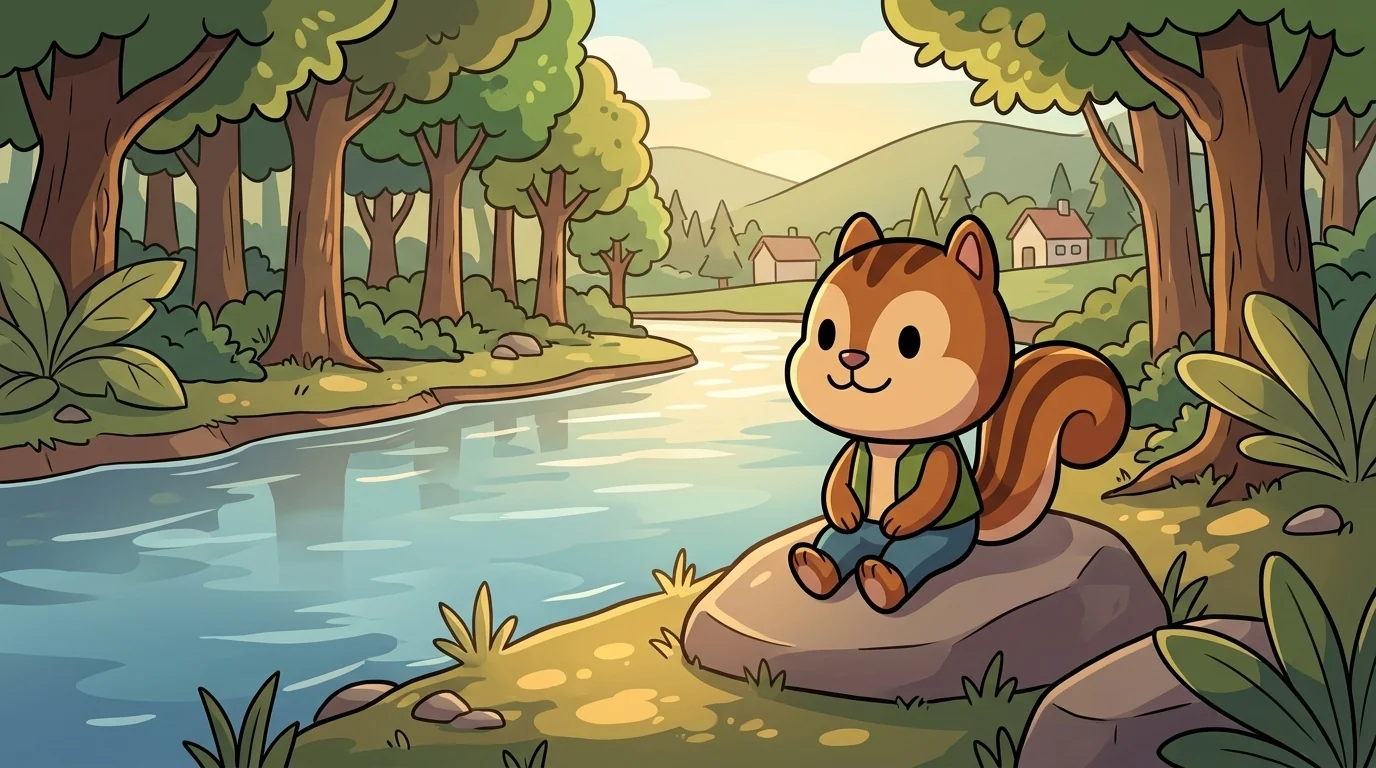
After the workshop, Dash finally wound down, sitting beside Patter, his energy settling like dust after a gust.
"You're a whirlwind in the talks," Patter said gently. "But you're quiet now."
Dash was still for a moment — a real moment, no dashes. "I used to think my interrupting meant I was rude," he said. "That I didn't care what other folks had to say. It made me feel bad about myself, honestly." He looked at his own small paws. "But then I figured out why I do it. It's not that I don't care — it's that I care so much. The words rush out because I'm bursting with feeling about the person I'm talking to." A warm, settled understanding spread through him, and for once he didn't rush past it. "The interrupting isn't me not listening. It's me caring out loud, too fast to wait. And once I knew that, I stopped being ashamed of it — I just learned when to let it fly, and when to hold it, and breathe, and let my friend finish." And he sat there in the rare, full quiet, glad to be a creature whose whole heart was simply too eager to stay still.
The DialogueQuest ensemble
Dash is part of DialogueQuest's distributed-narrative cast. Each character embodies a different curricular primitive; together they teach the full subject.
-
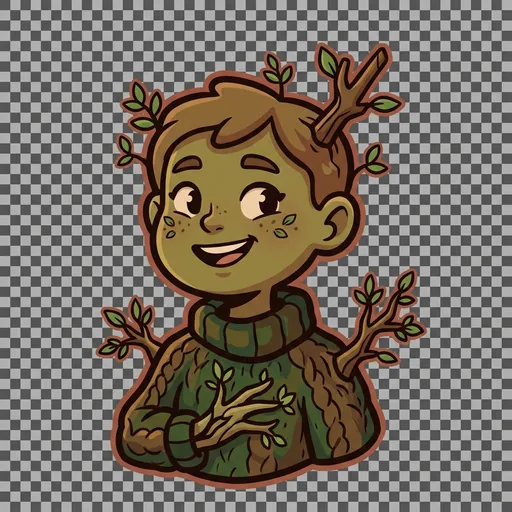
Sprig
Branch meaningfulness — sapling-tween whose visible branching skeleton shifts physically when she picks between dialogue options (the choice re-routes her body)
-
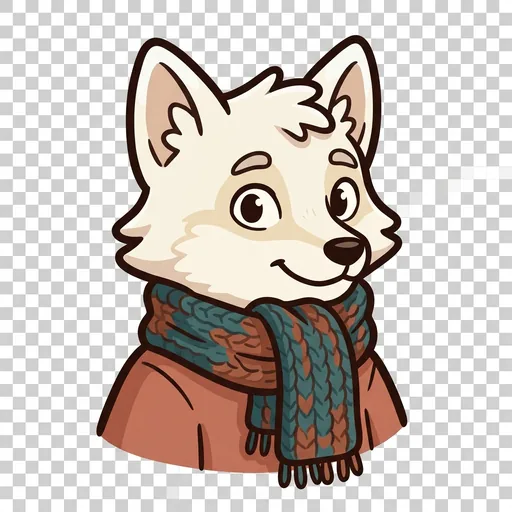
Glance
Subtext — arctic-fox-tween in a thick scarf; speech-bubble visibly half-empty with dotted-line ghost-text floating beside it
-
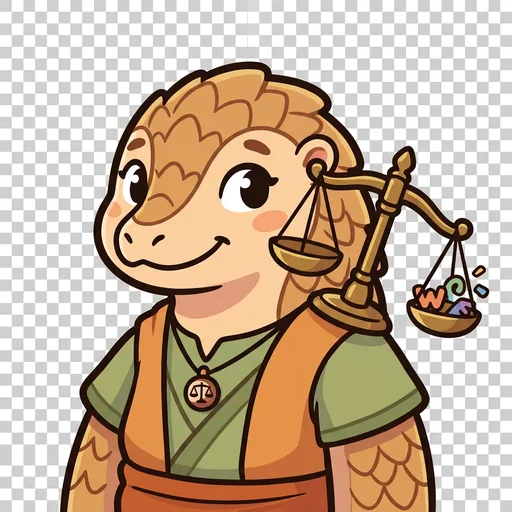
Weigh
Tag balance — pangolin-tween with a brass balance-scale on her shoulder; scales tilt visibly as dialogue happens around her
-
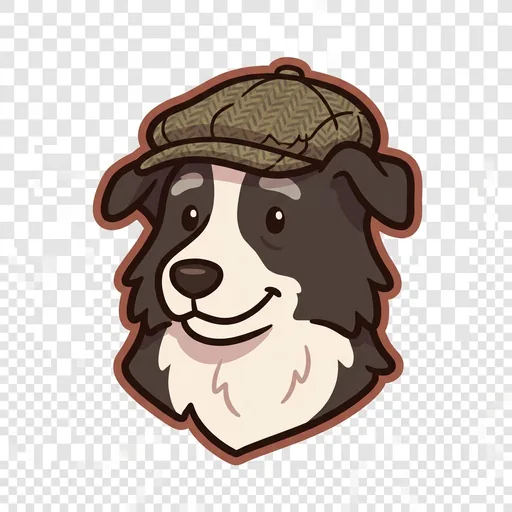
Brogue
Voice consistency — border-collie-elder in a worn flat-cap who uses exactly 4-5 signature words across every appearance (deliberately non-specific old-country accent)
-
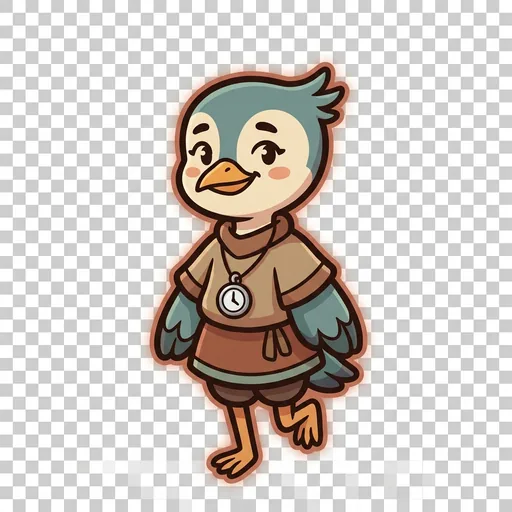
Rest
Rhythm + silence — heron-tween with a small silver pocket-watch around her neck; one foot perpetually raised mid-step; treats the pause as a line of dialogue itself
-
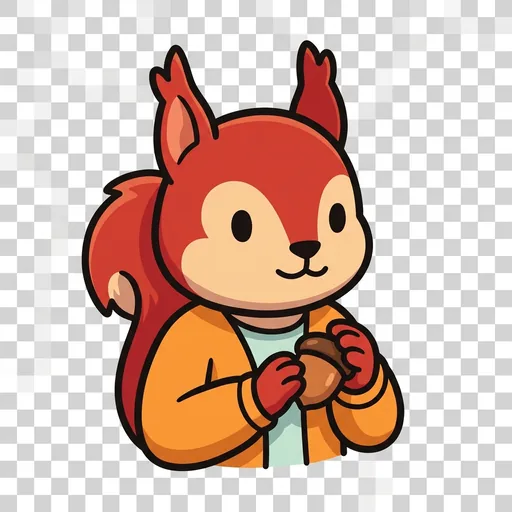
Prop
Action beats — red-squirrel-tween whose paws are always busy with a small acorn; the little actions between lines show feeling and set the rhythm of a talk
-
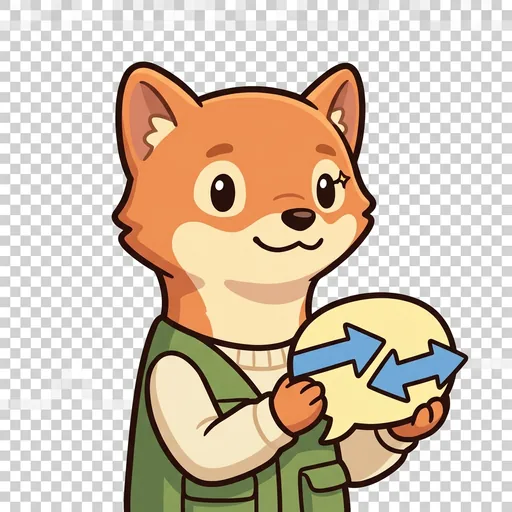
Spar
Conflict / friction — pine-marten-tween whose speech bubbles push against the other speaker's; two characters wanting different things is the engine (the push stays kind)
-
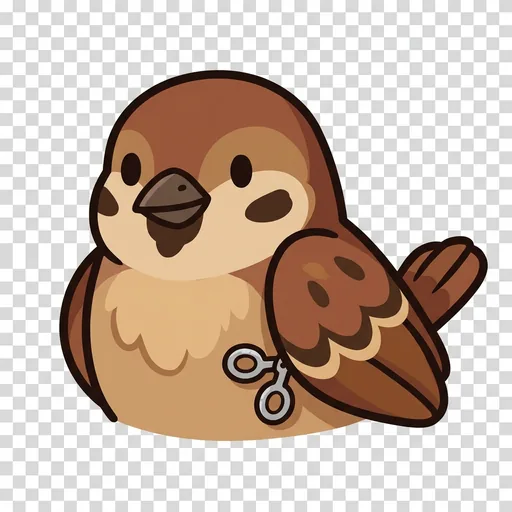
Clip
Economy — sparrow-tween with tiny silver scissors who trims the filler ('hello, how are you, fine') and starts scenes late, right where they get interesting
-
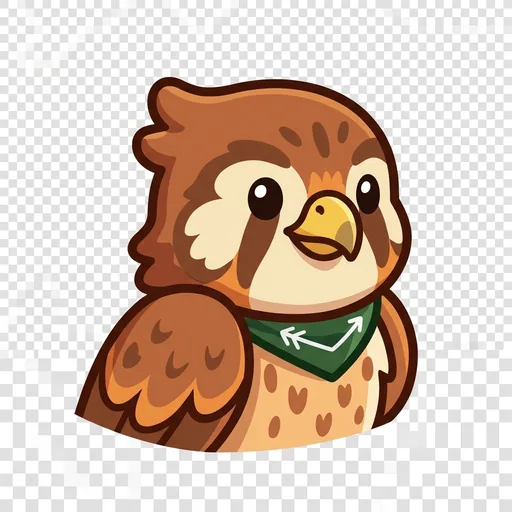
Aim
Line purpose — kestrel-tween with arrow-shaped speech bubbles that point at what each line is really trying to DO (ask, dodge, persuade), not just say