
Levee
BOUNDARIES IN REPAIR — forgiving someone and still needing a limit can both be true. A boundary isn't a wall that shuts a person out; it's the kind, clear edge that makes it safe to stay close.
Press play to listen along. The line being read lights up as you go.
Show full transcript
Loading transcript…
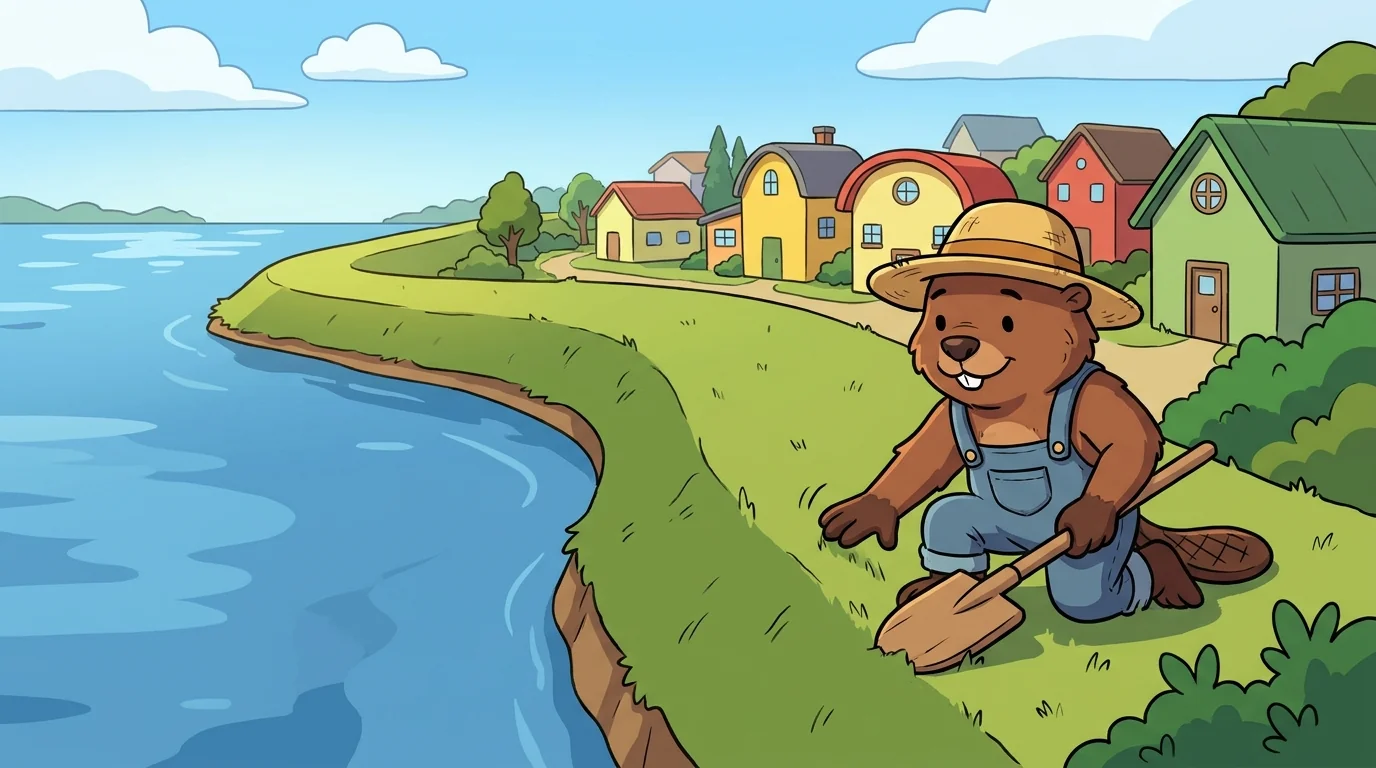
Where the Heart-Harbor river ran past the village, there was a long, low, grassy bank — a levee — built up along the water's edge. It didn't dam the river. It didn't shut the water out. It just gave the river a clear, kind edge to run along, so the village could live right beside the water without being washed away. And the steady creature who tended that bank, a sturdy beaver-tween with calm, certain paws, was named Levee.
"Folks get boundaries wrong," Levee would say, patting the grassy bank smooth. "They think a boundary is a wall to keep someone out. It's not. A wall would mean no more river at all — no more friendship. A boundary is a bank. It keeps the water where it can be safe to live beside. It's the thing that lets you stay close."
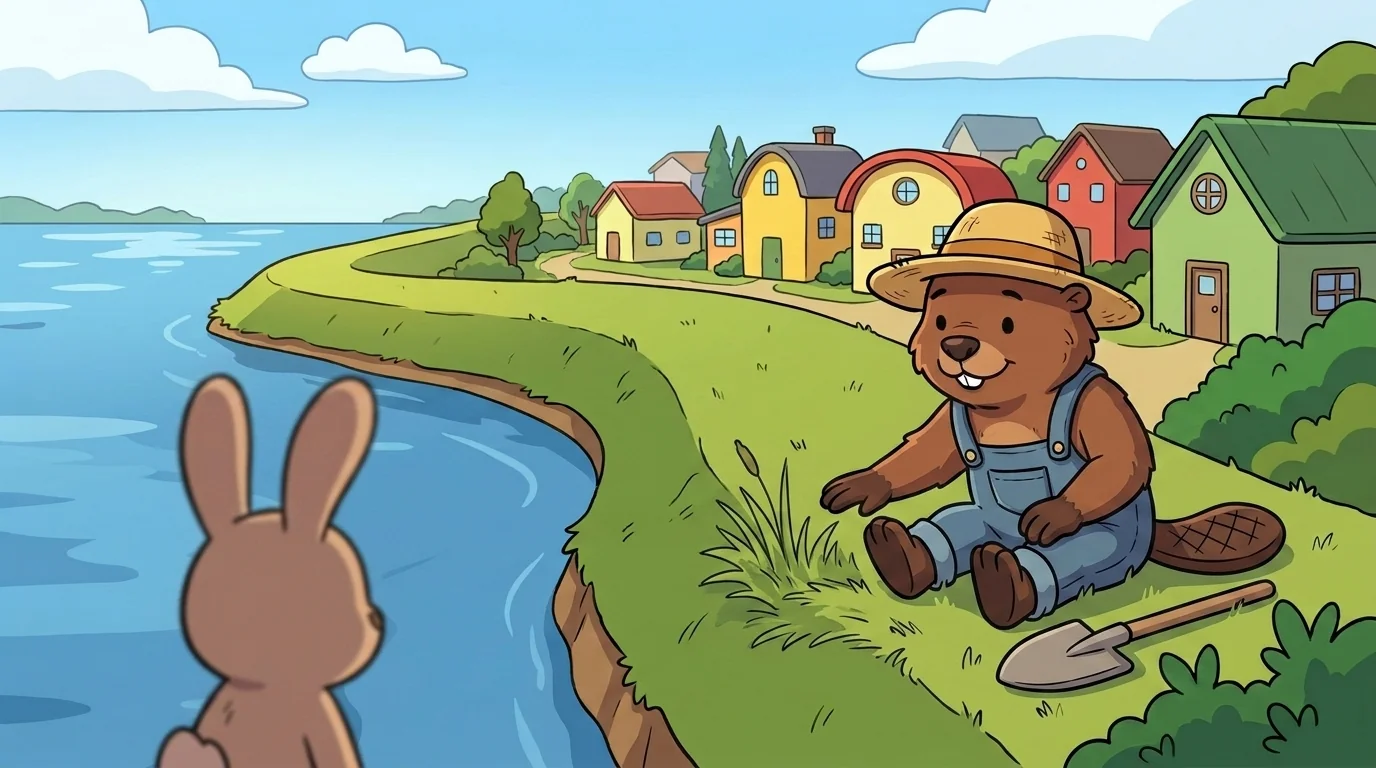
One afternoon a young rabbit named Juna stood at the water's edge, tangled up. A friend had hurt her. The friend had apologized — really apologized — and Juna believed it and wanted to forgive. But there was also a thing the friend kept doing, a thing that kept hurting her, and Juna felt that if she forgave, she had to just let it keep happening. Forgive completely, or shut the friend out entirely. Those felt like the only two choices, and both felt wrong.
Levee patted the bank beside her. "Come sit by the levee," she said. "I think you're trying to pick between a wall and a flood. But there's a third thing. There's a bank."
Juna's ears drooped. "But if I forgive them, doesn't that mean I have to be okay with everything? If I say 'I need you to stop doing that thing,' isn't that mean? It feels like I'm punishing them after they already said sorry."
"Ah," said Levee, smoothing the grass. "That's the tangle. You think forgiving and needing-a-limit can't both be true. But watch the river." She nodded at the water running calm and contained along its bank. "The bank doesn't hate the river. The bank loves the river — that's why it gives it a safe edge to run along. A limit isn't punishment. A limit is how you say I want to keep you in my life, and here's what I need so being near you stays safe for me." She patted the earth. "'I forgive you, AND I need this thing to change' — those aren't opposites. They're a bank and a river. They go together."
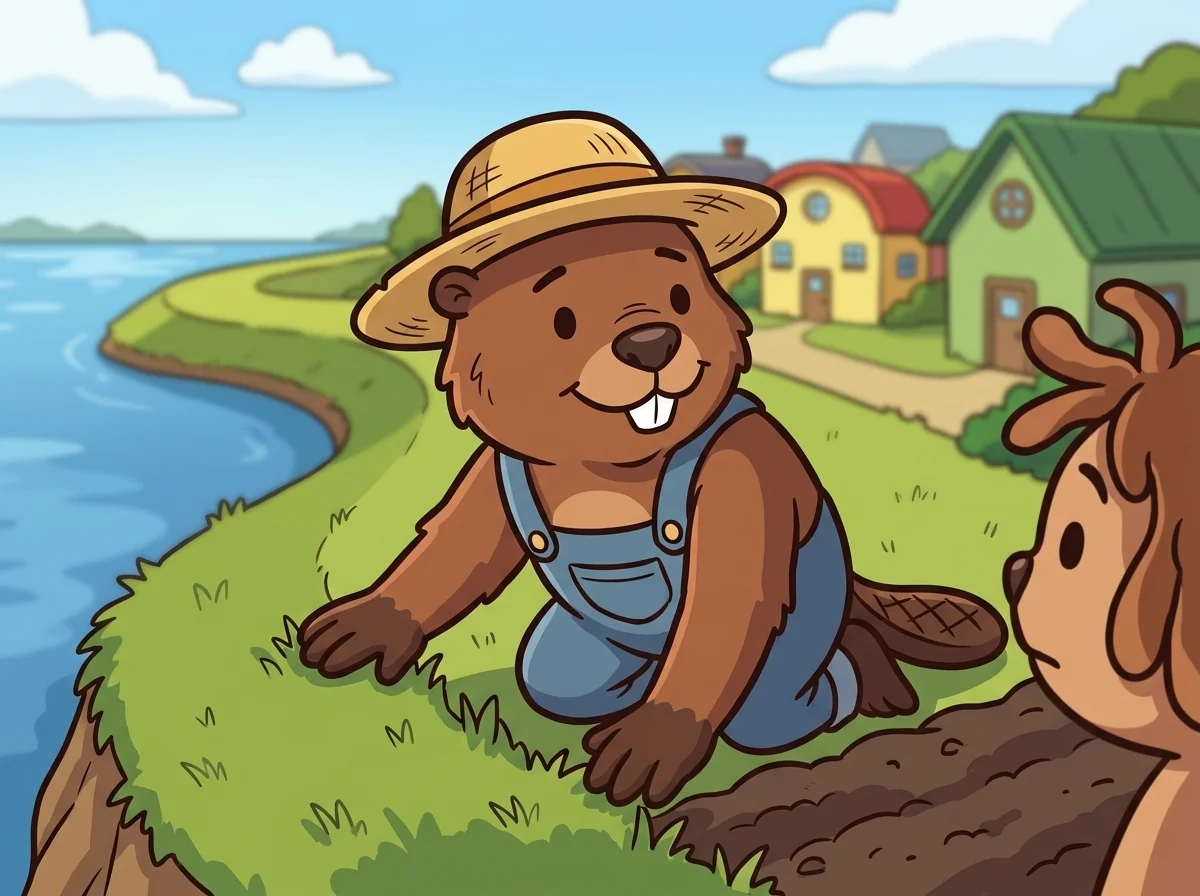
Juna's tangled ears lifted a little. "I'm allowed to forgive them AND still ask for the thing to stop?"
"You're not just allowed," Levee said warmly. "It's the kindest, clearest thing you can do. A forgiveness with no bank is just a flood waiting to happen — you'll keep getting hurt, and the friendship will wash away anyway. A forgiveness with a good clear bank can actually last."
Levee showed Juna how to build the bank — not high and cold like a wall, not absent like an open floodplain, but clear and kind and steady.
"A good bank is simple and warm," she murmured. "You don't have to make a big angry speech. You just name the water's edge: here's the thing I need, so I can feel safe being close to you. No cruelty. No long list of everything they ever did. Just the one clear edge." She smoothed the grass. "And you can say the warm part right alongside it. I care about you. I forgive you. And I need this thing to be different. All in the same breath. The warmth and the limit, together — that's what makes it a bank and not a wall."
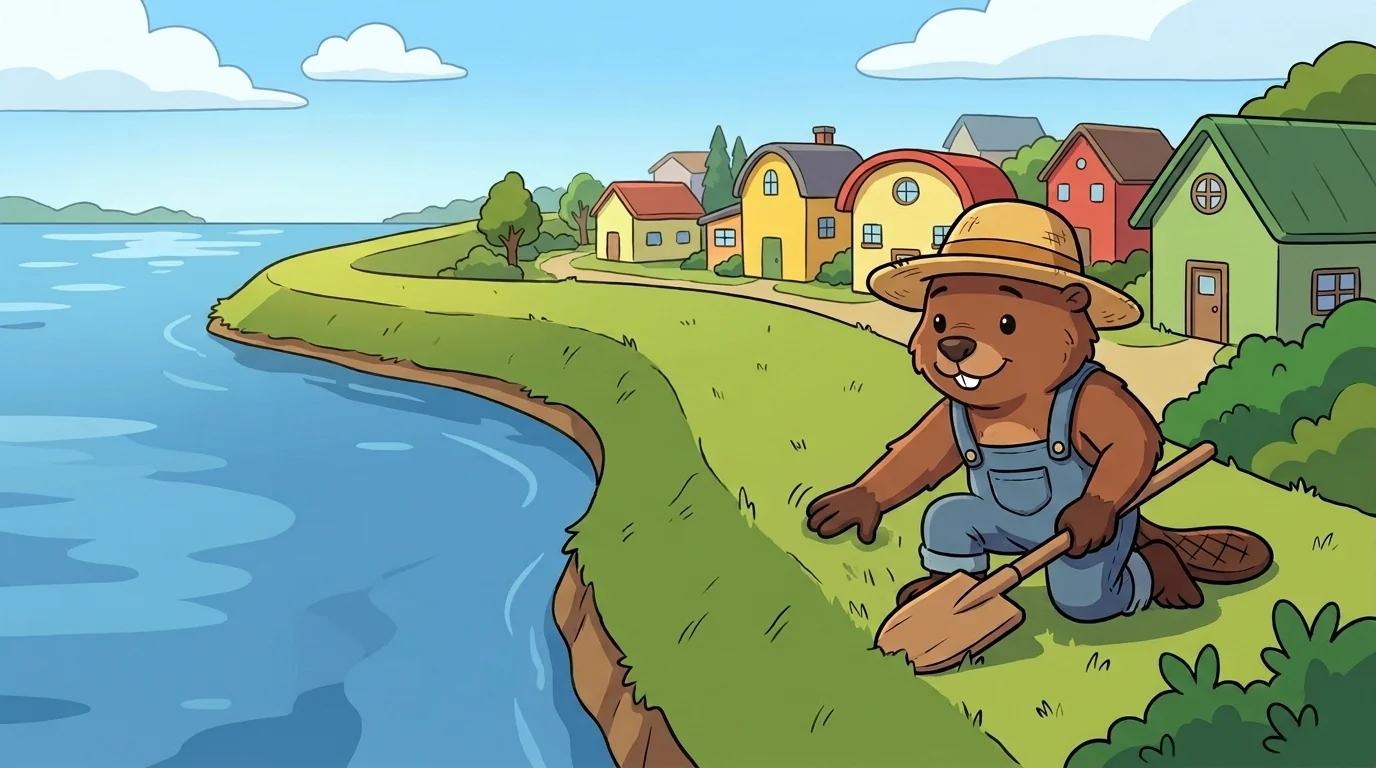
Juna practiced it. I forgive you, and I care about you, and I need you to stop doing that thing, because it keeps hurting me and I want us to be safe to be close. It came out clear and kind. It didn't sound mean at all. It sounded, she realized, like someone who wanted to keep a friendship — carefully, on purpose, with a good edge to run along.
"It doesn't feel mean," Juna said, surprised. "It feels like I'm taking care of us both."
"That's exactly what a bank does," Levee said. "It takes care of the village and lets the river keep running. A real boundary isn't you pushing them away. It's you making it safe enough to stay."
So Juna built her bank. She told her friend the warm, clear thing — I forgive you, and I need this to change so being close to you feels safe. And it held. The friend, hearing a limit that came wrapped in warmth instead of a wall that came wrapped in anger, could actually meet it.
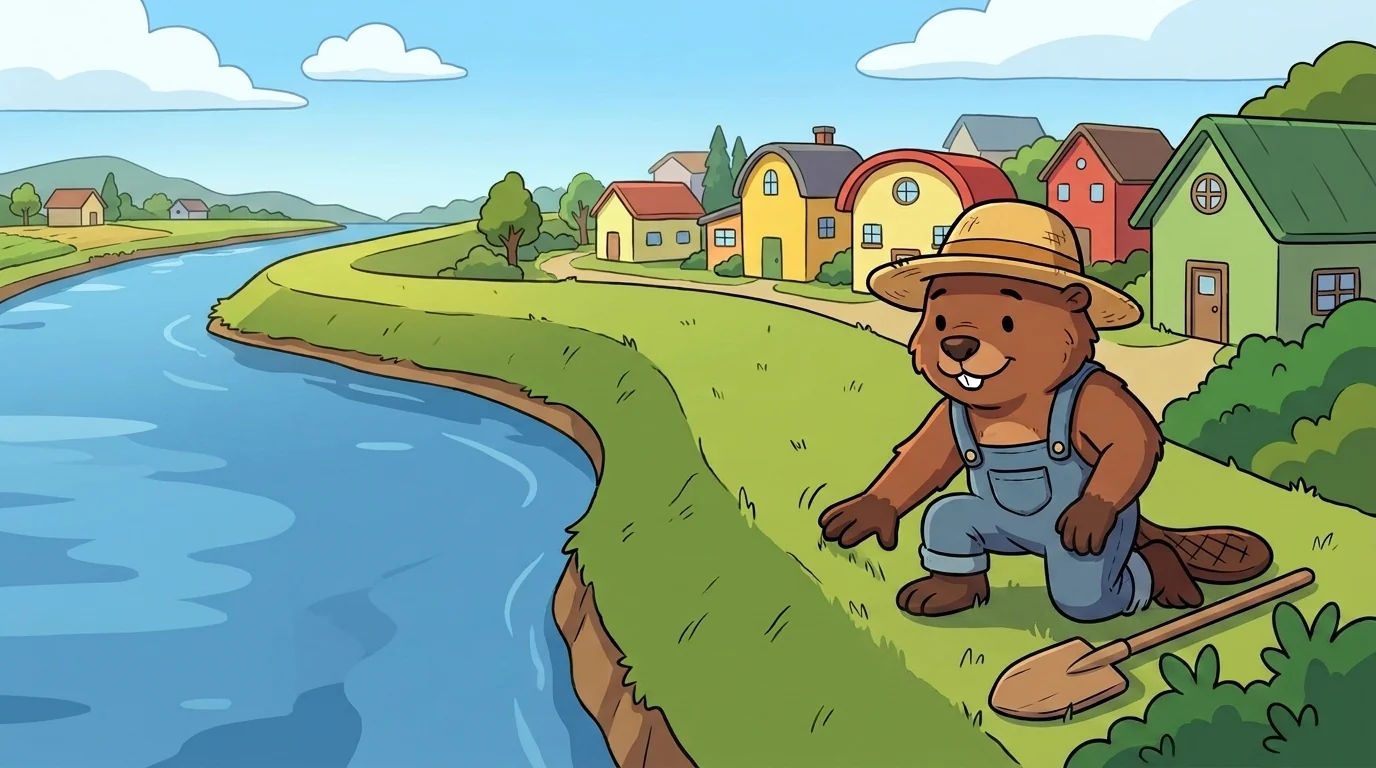
And Juna felt something she hadn't expected from setting a limit: not the cold, guilty feeling she'd feared, but a warm, settled safety. The friendship was still there — the river still ran. But now it ran along a kind clear edge, and Juna no longer had to brace for the same hurt over and over.
"I thought I had to choose between losing them and getting hurt forever," Juna said, watching the calm water in its bank. "But I didn't. I get to keep them and be safe. I just had to build the bank." She put a paw on the warm grassy edge. "It feels safer being close to them now than it did before — because now there's a shape that protects me, instead of me just hoping it won't happen again."
"Now you know the secret of the levee," Levee said, her certain paws steady on the bank. "The clearest, kindest edges aren't the ones that shut love out. They're the ones that make it safe enough to keep love close."
And Juna sat by the warm grassy bank, watching the river run calm and contained and free all at once, and felt the deep, steady safety of having learned that she could forgive and protect herself — that the two had never been opposites, only a bank and a river, made to run together.
The RuptureRepair ensemble
Levee is part of RuptureRepair's distributed-narrative cast. Each character embodies a different curricular primitive; together they teach the full subject.
-
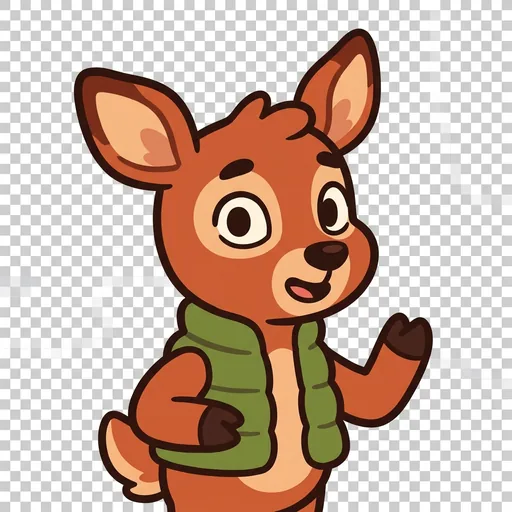
See-It
Notice harm — soft warm-russet deer-tween in chunky moss-green vest; ears literally perked + eyes wide + one hoof raised mid-step; doesn't pretend not to see what just happened
-

Sorry
Acknowledge — soft cream-and-amber otter-tween in chunky soft-blue scarf; palms-up open-hands level bow-pose (NOT cringe); treats acknowledgment as skill, never proof of badness
-

Felt
Name-impact — round soft-grey-and-cream badger-tween with tiny notebook + soft-charcoal pencil; mid-listening with head tilted; never assumes — always asks-then-listens
-

Offer
Offer-repair — warm-amber raccoon-tween with chunky-paw extended palm-up holding small soft hand-folded paper-crane (universal not specific cultural symbol); never grasping
-
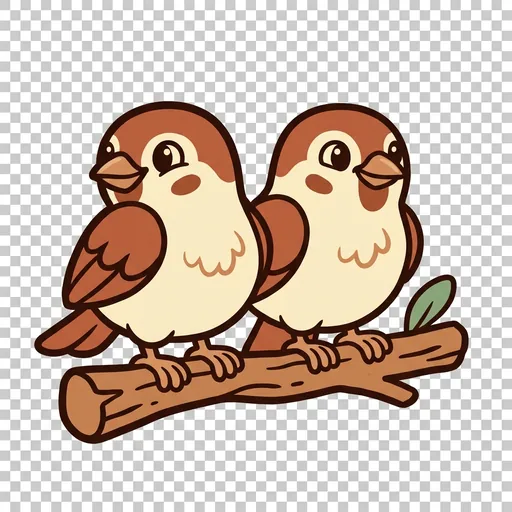
Together
Re-engage — two warm-cream-and-russet sparrow-twins on a single chunky branch, perched comfortable-distance-apart; both looking outward in same direction; `we're still here` energy
-

Eddy
Helps you steady yourself first, because you cannot mend anything while a big feeling is still rushing through you.
-
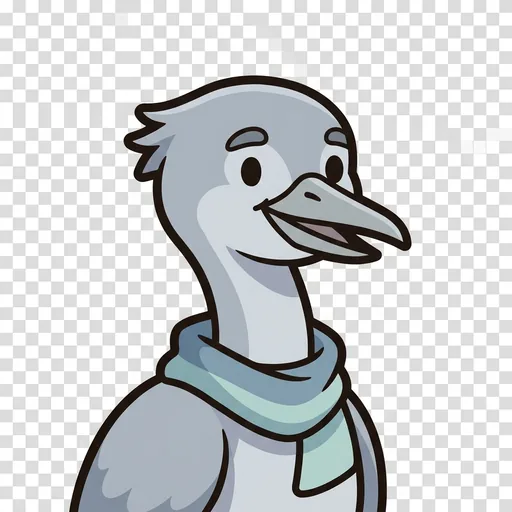
Lee
Shows that you can receive an apology from a safe place, at your own pace, without rushing to say it is okay.
-
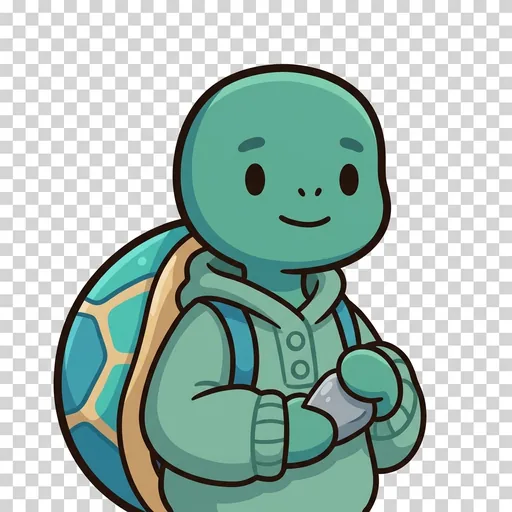
Ease
Once you have made a real mend, helps you let the other person come back in their own time, with no pushing.
-
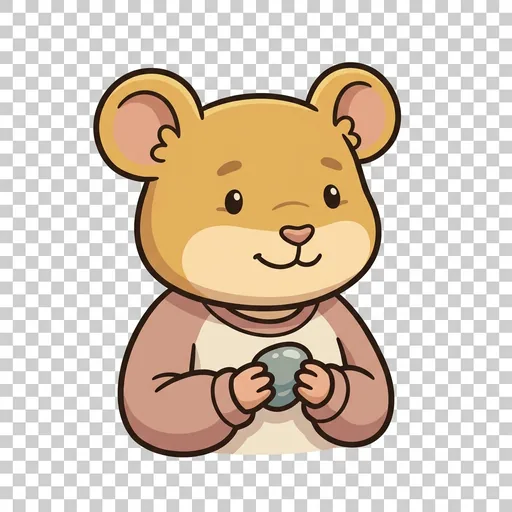
Grace
Reminds you that you can be truly sorry and still be worthy, so shame never stops you from repairing.