
Compare
CONTROLLED COMPARISON — *change one thing, keep everything else the same.* The inquiry primitive of the *fair test* — the discipline of setting two things side by side that differ in exactly one way, so you can tell what actually made the difference.
Press play to listen along. The line being read lights up as you go.
Show full transcript
Loading transcript…
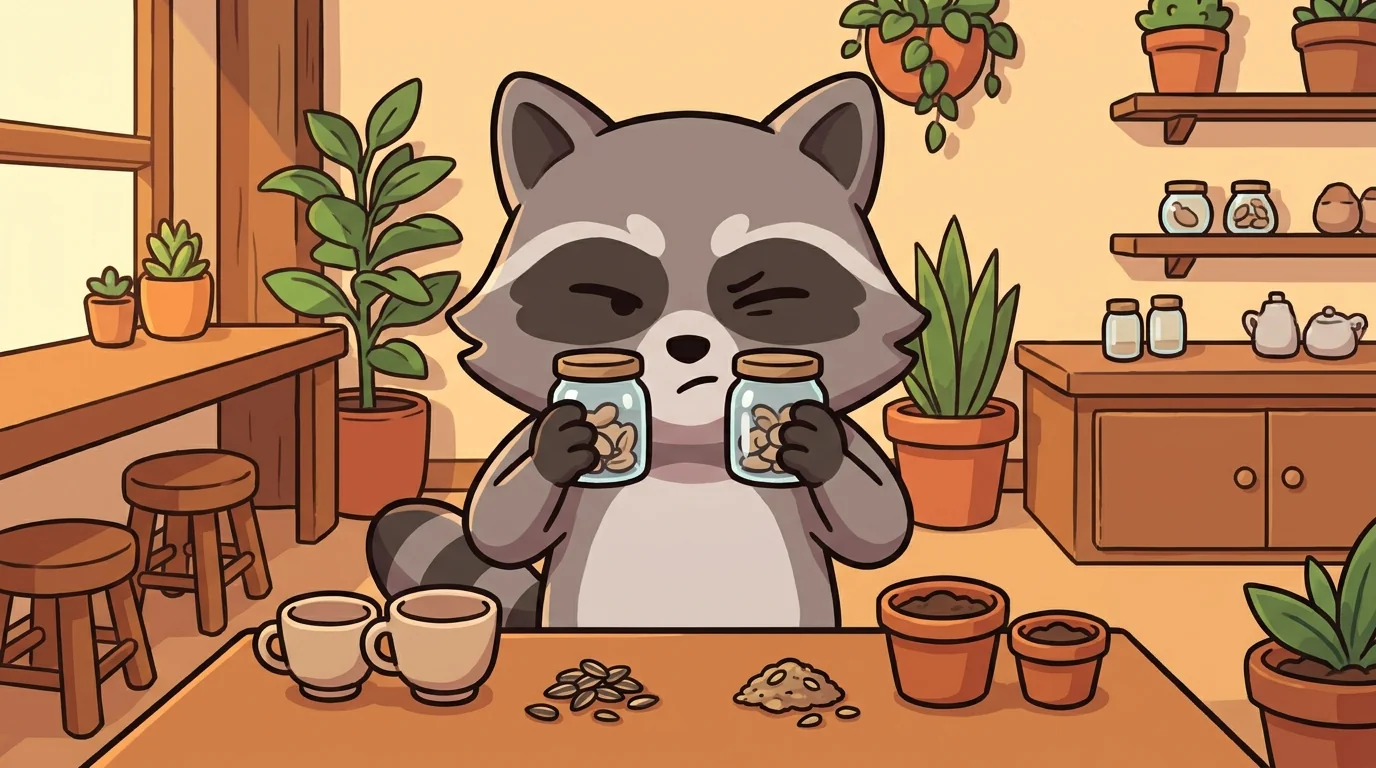
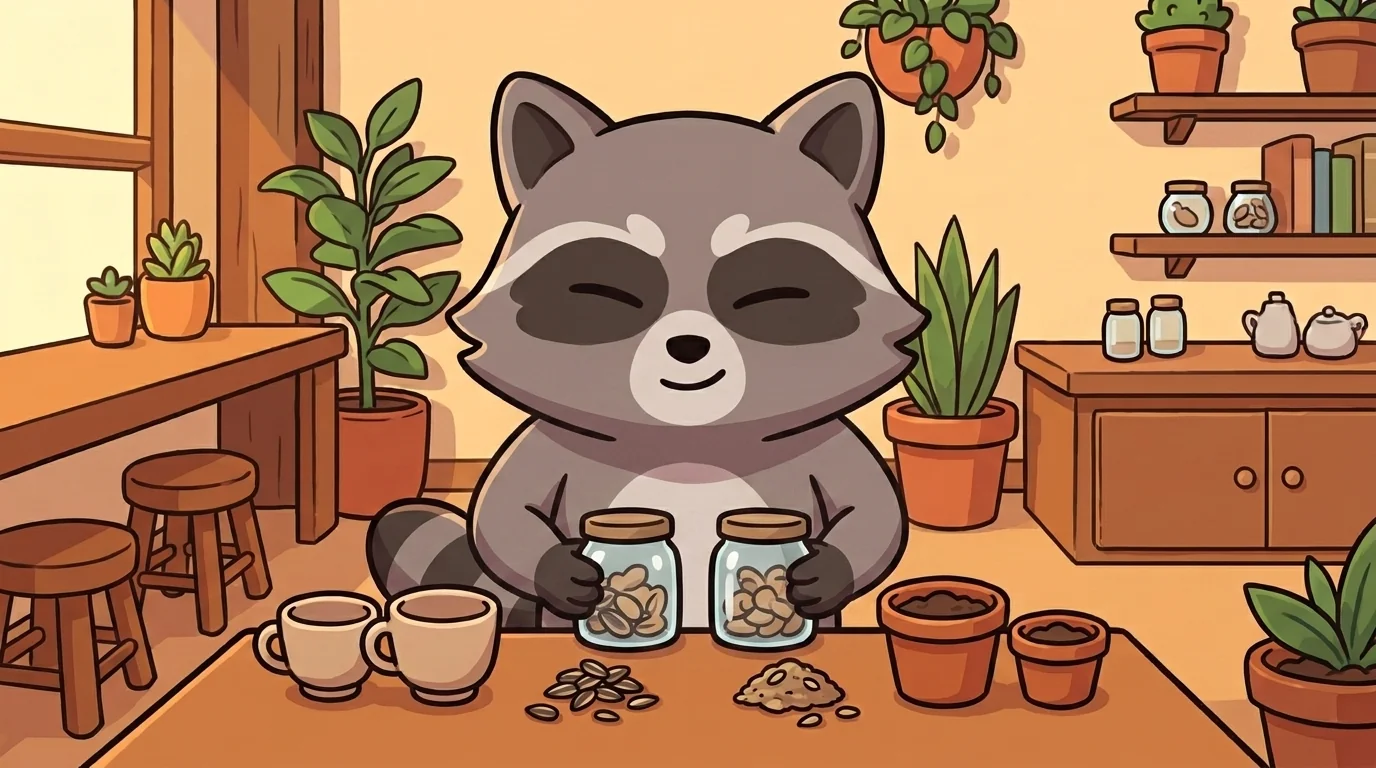
Compare is a young raccoon. She carries two small jars, one in each paw. She holds them up at exactly the same height so she can look at them side by side.
Her paws are quick and careful. She is grey with a dark mask across her eyes, and she has a habit of squinting when she thinks. When something puzzles her, she does not ask "why" first. She asks, "Compared to what?" That is her favorite question in the whole world. She likes two of everything: two cups, two seeds, two little pots of dirt. She keeps them almost exactly the same on purpose. Then she changes just one small thing about one of them.
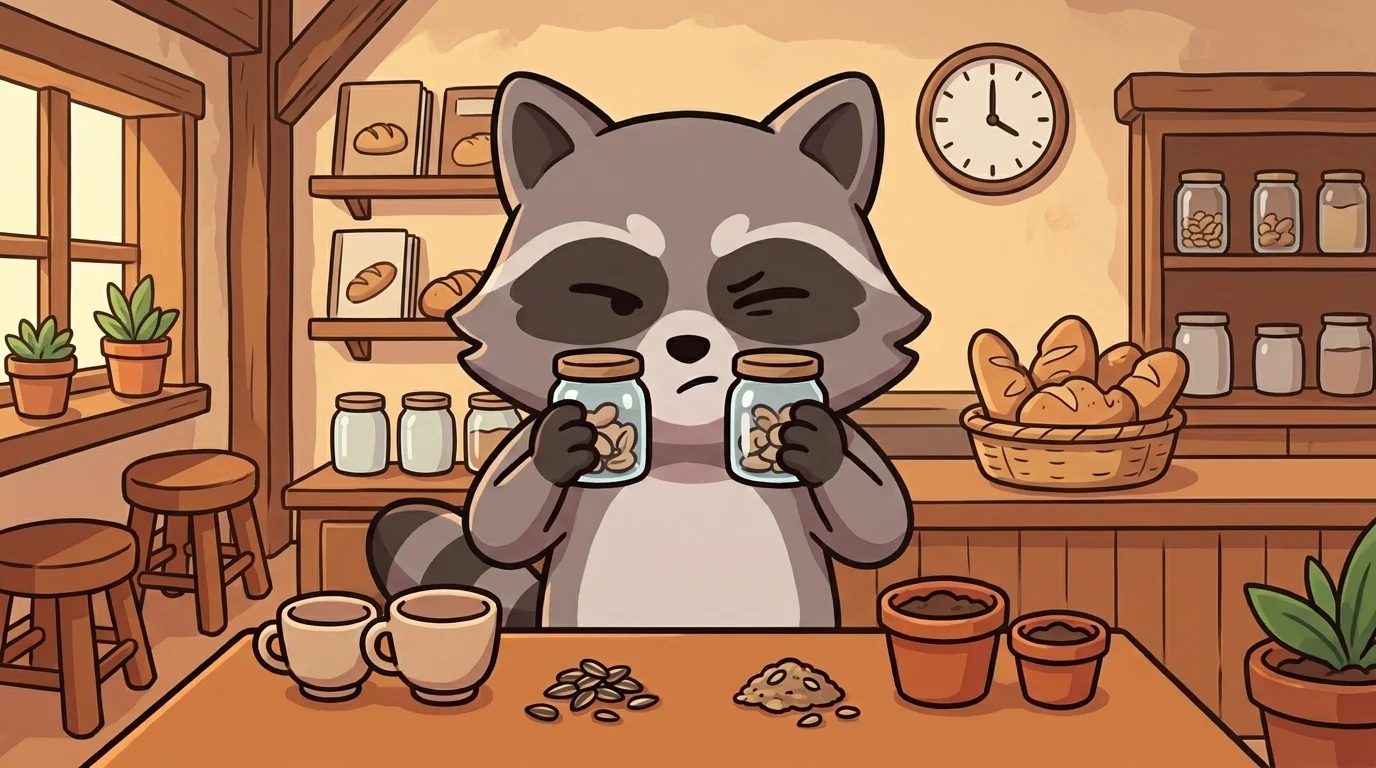
Compare grew up beside a bakery. Her family were tasters there. Every morning the baker made bread, and every morning something turned out a little different — one loaf taller, one loaf flatter. The bakers would argue. "It was the flour!" "No, it was the oven!" "No, it was the water!" Everyone had a guess, and everyone was sure.
Compare, who was small then, watched them argue and felt a wobbly, tugged-two-ways feeling in her chest. Nobody could tell who was right, because they had changed the flour AND the oven AND the water all at once. So one morning she did something quiet. She made two little balls of dough. She kept them exactly the same — same flour, same water, same bowl, same warm spot. Then she changed one thing: she let one rise for an hour longer than the other. Only that. Nothing else.
When she baked them, one was tall and one was flat. And this time nobody had to argue. Everyone could see it: the extra hour made the difference, because the extra hour was the only thing that was different. By the time she was seven, Compare knew the secret that ended the arguing. If you want to know what made the difference, you must let only one thing be different.
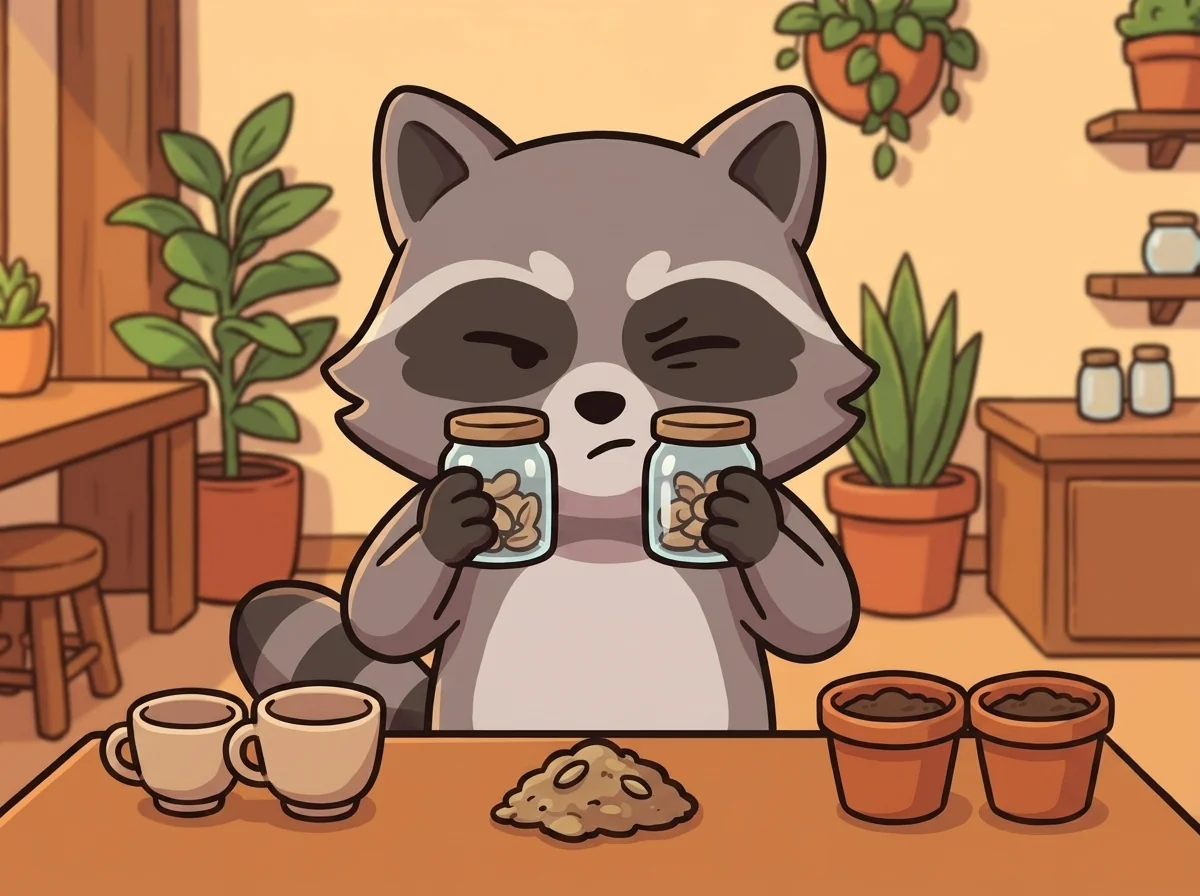
This is important. Compare teaches *controlled comparison. Grown-ups sometimes call it a fair test*. It means you set two things side by side that are almost exactly the same, and you change only ONE thing between them. Then, whatever comes out different must have come from that one thing. It is like the bread. It is the skill that turns "everyone has a guess" into "now we can actually tell."
Compare never says that only clever kids can run a fair test. She holds up her two jars and says, "Anyone can do this. You do not need to be a scientist. You just keep two things the same and change one. That's the whole trick. It is a habit, not a talent. You get better at spotting the sneaky extra changes the more you practice." Some people think you either have a "scientific mind" or you don't. But that is not true. A fair test is a way of setting things up. It is a thing you arrange, not a gift you are born holding.
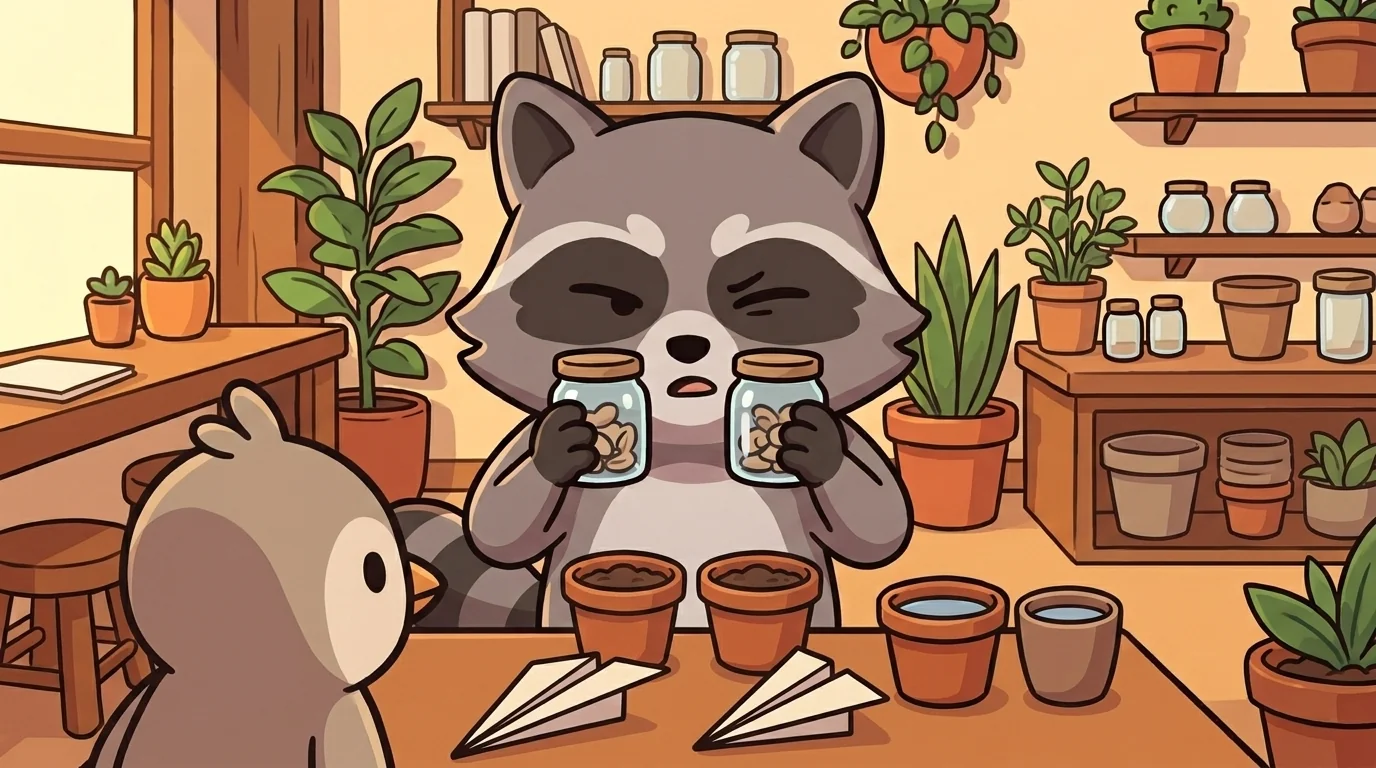
When she was twenty-one, Compare came to the CuriosityQuest academy. Lumen, the head of the academy, asked her, "What is a fair test?"
Compare held up her two jars. "It is changing one thing and keeping everything else the same," she said. "If two things are different in two ways, you can never tell which way mattered. So you make them the same in every way but one. Then the answer has nowhere to hide. Compared to what? That is always the first question." Lumen smiled. "You are appointed," she said.
In her classroom, Compare starts the same way every time. She sets two nearly-identical things on the table — two cups of water, two little plants, two paper airplanes. She says, "I am Compare. My skill is the *fair test*. These two are almost twins. We are going to change exactly ONE thing about one of them, and keep everything else the same. Then we will watch. Whatever turns out different came from the one thing we changed."
Her students always want to change three things at once, because it is exciting. Compare grins and slows them down. "I know, I know — you want to change the water AND the sunlight AND the pot. But then, if one plant grows taller, which change did it? You won't know. Pick ONE. Keep the rest boring and identical. Boring is what makes it fair."
She teaches her students a few habits for a fair test: Find the twins first. Start with two things as alike as you can make them. Same size, same start, same everything. *Change exactly one thing. Just one. Write down which one, so you don't forget and fool yourself. *Keep the rest the same on purpose. The boring, unchanged parts are doing important work. They are what makes the test fair. *Watch for sneaky extra changes. Sometimes a second thing changes without you meaning it to — the sun moved, one cup was bigger. Catch those. They are the trickiest part. *Ask "compared to what?"* A single thing on its own tells you almost nothing. A thing next to its almost-twin tells you a lot.
Compare tells her students, "Sometimes I forget and change two things by accident. Then I can't tell what happened, and I have to start over. That is not a failure. That is just how you notice you weren't being fair. You set it up again, cleaner this time."
When a student asks if fair tests are hard, Compare always says the same thing:
"They are not hard. They are just patient. Two almost-twins. Change one thing. Keep the rest boring. Then the answer shows itself."
She lowers her two jars and sets them gently side by side, and the wobbly, tugged-two-ways feeling that used to live in her chest is gone, replaced by a steady, sure calm — the quiet gladness of knowing, for certain, what made the difference.
The CuriosityQuest ensemble
Compare is part of CuriosityQuest's distributed-narrative cast. Each character embodies a different curricular primitive; together they teach the full subject.
-

Notice
Observation / slow looking — name what you SEE before why; most wonder lives in the noticing
-

Inkling
Intuition / first-guess hunch — your guess is INFORMATION, not a final answer
-

Ponder
Deepening the question — 'what does that even mean?' is the foundation, never the failure
-

Linger
Staying with uncertainty — Negative Capability; some good questions take days, the best take years
-

Revise
Changing your mind — intellectual humility; being wrong is how knowledge MOVES
-
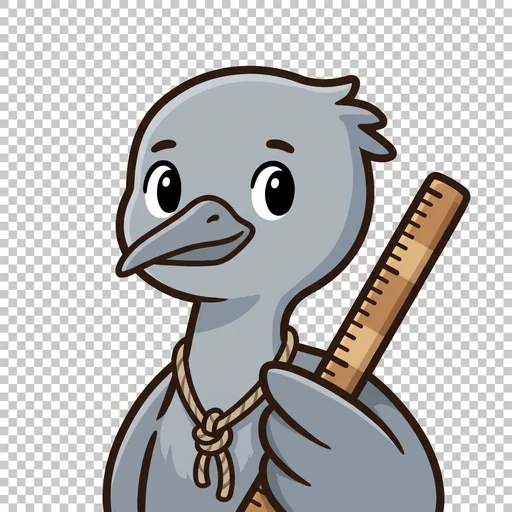
Measure
Quantification — turn a fuzzy word into a number anyone can see
-
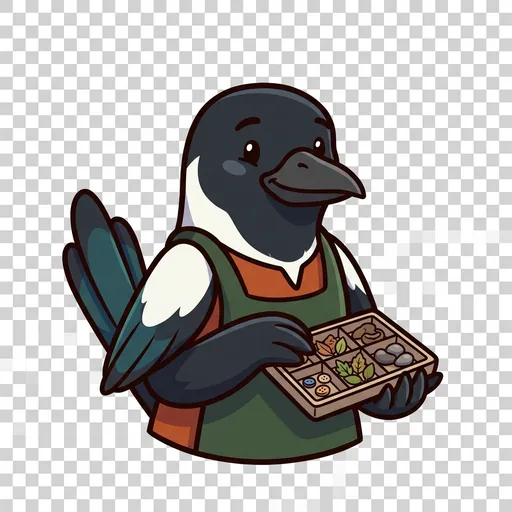
Sort
Classification — group by one rule and the pattern pops out