
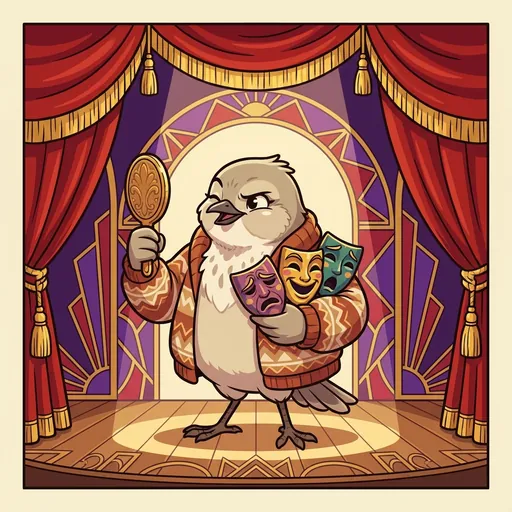
Face
ACTING — character work through voice, body, and emotional life.
Listen along — Face
Loading audio…
Press play to listen along. The line being read lights up as you go.
Show full transcript
Loading transcript…
Chapter 1 — Face and the Voice That Becomes Someone Else
In the middle of the empty rehearsal room, a mockingbird-tween named Face was busy being an old, tired traveler.
She hadn’t put on a costume. She’d just let her voice drop low and slow, let her shoulders slump like they were carrying a heavy pack, and let something weary settle into her eyes. When she took a step, she took it like her feet hurt. A younger bird watching from the doorway forgot, for a second, that this was Face at all.
“Fifty years I’ve walked,” Face rasped, gazing at nothing. “My wings remember every mile.”
Then she straightened up, blinked, and grinned — and she was just Face again, small and warm-grey, in her worn rehearsal-cardigan.
“How did you do that?” the younger bird said. “You didn’t even change your feathers.”
Face picked up the little mirror she kept on a string around her neck and turned it so they could both see her face in it. “Voice, body, and the feeling on the inside,” she said. “That’s all. I made my voice old. I made my body tired. And I let myself feel like I really had walked all those miles.” She shrugged. “Then I gave it back and turned back into me.”
“So you were pretending.”
“No,” Face said gently. “Pretending is standing outside a thing and faking it. This is going inside it. For a little while, I actually become the traveler.” She tapped the mirror. “The mirror isn’t so I can admire myself. It’s so I can watch it happen — watch my own face turn into someone else’s.”
Face came from a whole family of mockingbirds, and in the songbird village that meant one thing: her family could take on any other bird’s song.
When she was small, she thought that was just a trick. A funny party thing. She’d copy the robin’s whistle and everyone would laugh, and she’d feel a little hollow afterward, like she’d only made a good copy of something that wasn’t really hers.
One evening her grandfather caught her sighing about it. “You think you’re just copying,” he said. “Faking the robin.”
“Aren’t I?”
He shook his head slowly. “When you sing the robin’s song, do you feel the robin’s morning? The cold air, the hunt for the first worm, the wanting?”
Face went quiet. Because she did — a little. When she made the whistle, some small part of her felt bright and hungry and up-early, without her deciding to.
“That’s not copying,” her grandfather said. “A machine copies. You become. For as long as the song lasts, a bit of you is the robin, from the inside out.” He smiled. “That’s not lying, little one. That’s the oldest, kindest kind of attention there is. You have to understand someone so well you can carry their morning in your own chest.”
The hollow feeling went away that night and never quite came back. Becoming-someone-else wasn’t a hollow trick anymore. It was a way of paying deep, warm attention — and that she could be proud of.
She walked to StageForge at twelve, because a place that studied the stage ought to understand the craft of becoming.
Curtain, the mentor at the gate, didn’t ask her to perform anything grand. He asked one question. “What is acting?”
Face didn’t just answer with words. She let her voice go high and quick, bounced up onto her toes, and put a bright, restless curiosity into her eyes. “Voice,” she said, in the voice of an eager little kid, “plus body—” she gestured with the whole bouncing shape of herself “—plus the feeling on the inside.” Then she softened all of it back down to plain, steady Face. “That’s how you become someone for a while.”
Curtain watched the whole small transformation and back.
“And what about the shaking?” he asked. “The nerves before you step out where everyone can see?”
“Everyone feels those,” Face said simply. “Even you, I’d bet. The nerves aren’t a sign you can’t do it. They’re a sign it matters.”
Curtain nodded once. “You belong here,” he said.
Face’s workshop had a big mirror on one wall and a shelf of character-masks she almost never used — they were just there to remind her that becoming-someone-else was a craft, not a disguise.
A young actor came in one afternoon, pale and clammy-feathered, clutching a script. “I have my lines,” he said, “but tonight when I go on, I know I’m going to forget one. My heart’s already pounding and it’s not even showtime. Something’s wrong with me.”
Face knew that pounding. She’d felt it before her own first show.
“Show me your character,” she said. “Not the lines — the person. How do they stand?”
He thought, then squared his shoulders and lifted his chin.
“How do they talk?”
“Slow. Sure of themselves.” His voice came out steadier than before.
“What do they want, right now, in the scene?”
“To— to convince his friend not to leave.”
“Then you’re not going to forget,” Face said. “Because the words aren’t in your memory. They’re in him. Stand like him, talk like him, want what he wants — and the lines come from the inside, where they can’t fall out.” She let that sit. “And if one does fall out? You stay him. You say what he would say and keep going. The audience almost never notices. Nobody in the crowd has the script.”
“But my heart—”
“Your heart’s going to pound,” Face said, kind and certain. “Mine still does. The trick was never to stop being nervous. The trick is to be nervous and walk out there anyway. That’s not weakness.” She smiled. “That’s the bravest part of the whole craft.”
The young actor let out a long, shaky breath — and Face watched a little of the color come back into his feathers.
Later, when the room was empty, he came back with one more question, quieter this time.
“When it’s over,” he said, “and the nerves finally stop… does it ever feel like the buzzing meant I wasn’t ready? Like a real actor wouldn’t feel it?”
Face thought about the robin’s morning in her chest, and the pounding before her own first show, and her grandfather’s slow, warm voice.
“No,” she said. “The buzzing means you cared enough to be scared. Every actor who ever lived has stood in the wings with a hammering heart, and the good ones just went out anyway.” She touched the little mirror. “That jittery, wide-awake, about-to-happen feeling — that’s not something gone wrong in you. That’s you, all lit up, right on the edge of becoming someone else. It’s the most alive feeling there is.”
He nodded slowly, and she watched the fear ease out of his shoulders — the same way, years ago, hers had.
She didn’t say the rest out loud, but she felt it, steady and warm: the nerves never really leave. You just stop being ashamed of them — and once you do, they start to feel like courage.
The StageForge ensemble
Face is part of StageForge's distributed-narrative cast. Each character embodies a different curricular primitive; together they teach the full subject.
-

Pen
Playwriting — turning ideas into scripts with character, conflict, structure
-

Block
Blocking — directing actors through stage geography
-
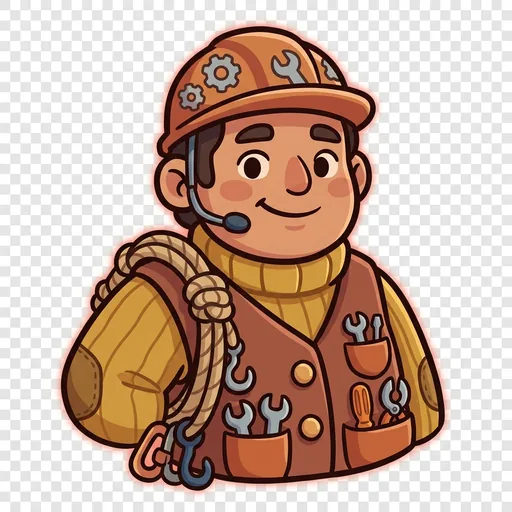
Rig
Stagecraft — the technical-theater craft that makes the visible-stage possible
-

Riff
Improvisation — the live-performance craft of Yes, and...
-
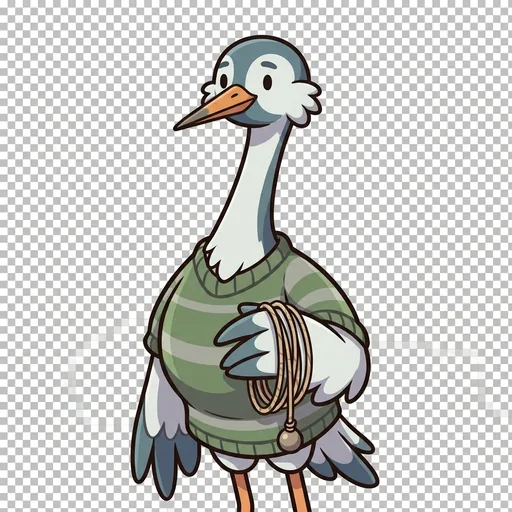
Rafter
Projection — making your voice reach the back row without shouting, by supporting it with breath so even a quiet line lands in the last seat
-

Yearn
The objective — what a character wants in a scene, badly enough to drive every line and move; the engine under a performance
-

Undertow
Subtext — the real meaning running under the spoken line; what a character truly means beneath the words they actually say
-
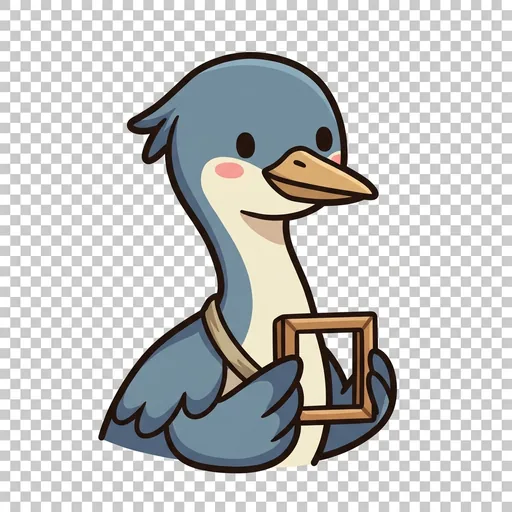
Freeze
Tableau — a frozen stage picture the whole cast holds so the audience can read the moment like a painting
-

Hitch
Pacing and timing — the rhythm of a scene and the deliberate pause that makes a line land, the held beat before the joke or the truth
-
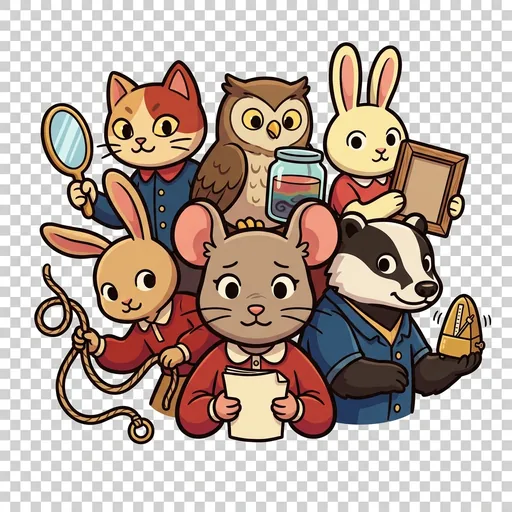
Opening Night
The whole company on stage together — how acting, objective, subtext, tableau, and timing combine so one live scene truly comes alive