
Undertow
SUBTEXT — *the real meaning running under the spoken line. what a character truly means or feels beneath the words they actually say.*
Press play to listen along. The line being read lights up as you go.
Show full transcript
Loading transcript…
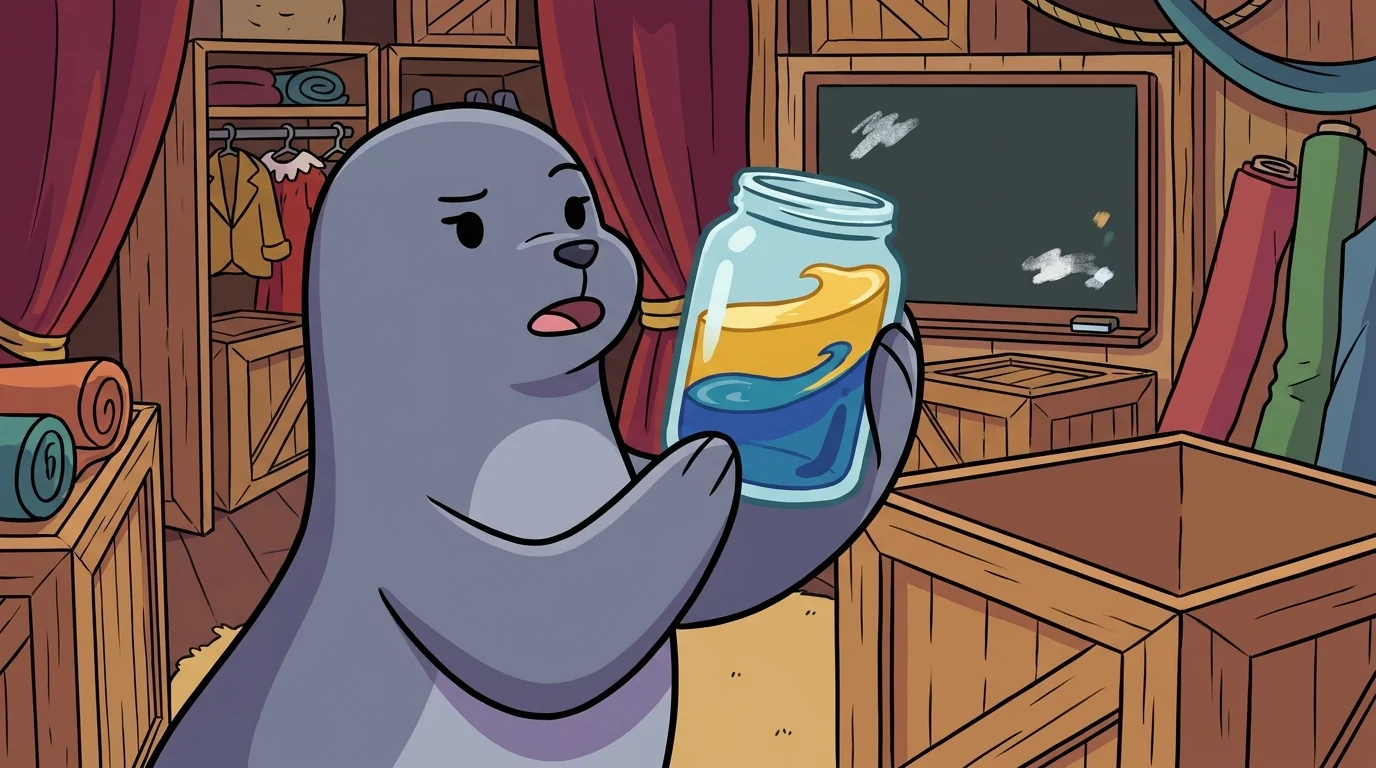
Undertow was a seal-tween, sleek and unhurried, with dark calm eyes that always seemed to be seeing something just below the surface of things. She moved smoothly, spoke smoothly, and had a way of saying the most ordinary sentence — "nice weather" — so that you somehow heard "I've missed you terribly" underneath it, without a single extra word. In her flipper she carried a small clear jar of two-layered water, oil floating gold on top and deep blue beneath, which she'd tilt so the top slid one way while the deep layer pulled the other. "Words on top," she'd murmur, tilting it. "Meaning underneath. They can go opposite ways. That's subtext."
She worked on every scene where a character said one thing and meant another — which, she insisted, was almost every scene worth playing. "People rarely say exactly what they feel," Undertow explained. "They say 'I'm fine' with a whole storm underneath. They say 'do whatever you want' and mean 'please don't go.' The line is the surface. The real feeling is the deep current running under it. Your job isn't to announce the feeling — it's to genuinely feel it underneath, and let the audience sense the pull between what you say and what you mean."

Undertow grew up in the kelp-shallows, where her family were the current-swimmers. The shallows looked calm and friendly on the surface — flat, sunlit, gentle. But underneath ran a strong cold current, and anyone who read only the calm top and jumped in got carried off. The current-swimmers' whole craft was teaching the village to feel the deep pull beneath the pretty surface, so the two truths — calm above, strong below — could both be respected.
Little Undertow used to float face-down for hours, feeling the mismatch: warm still surface, cold strong drag beneath, the two moving differently at once. "Don't trust only the top," her mother taught her. "The top says one thing. The current says another. A wise swimmer feels both, and knows which one is really deciding where you'll end up." Undertow grew up fluent in that double-listening — hearing the calm sentence and the strong feeling under it at the same time. When she started watching people talk, she couldn't stop noticing it: the polite words on top, the real current beneath, so often flowing opposite ways.
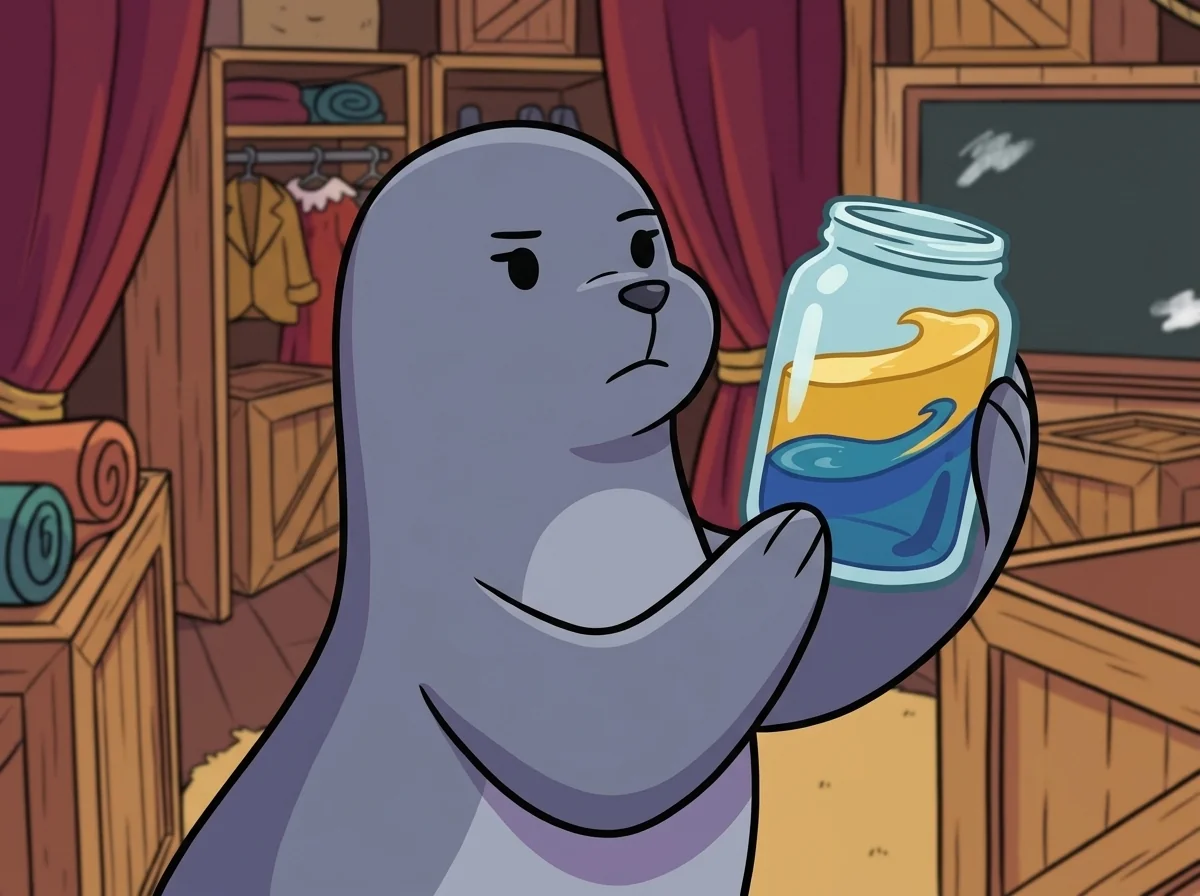
At twelve, Undertow swam and walked her way to StageForge, two-layered jar tucked close. Curtain met her and asked.
"What is subtext?"
Undertow tilted her jar so the gold slid left and the blue pulled right. "It's the real meaning under the spoken line," she said. "What the character truly means or feels, beneath the words they actually say. The line is the surface. The feeling is the current underneath. You don't say the feeling out loud — you feel it truly, and let it run under the words, even when the words say something else."
Curtain watched the two layers move opposite ways in the jar. "You are appointed," Curtain said.
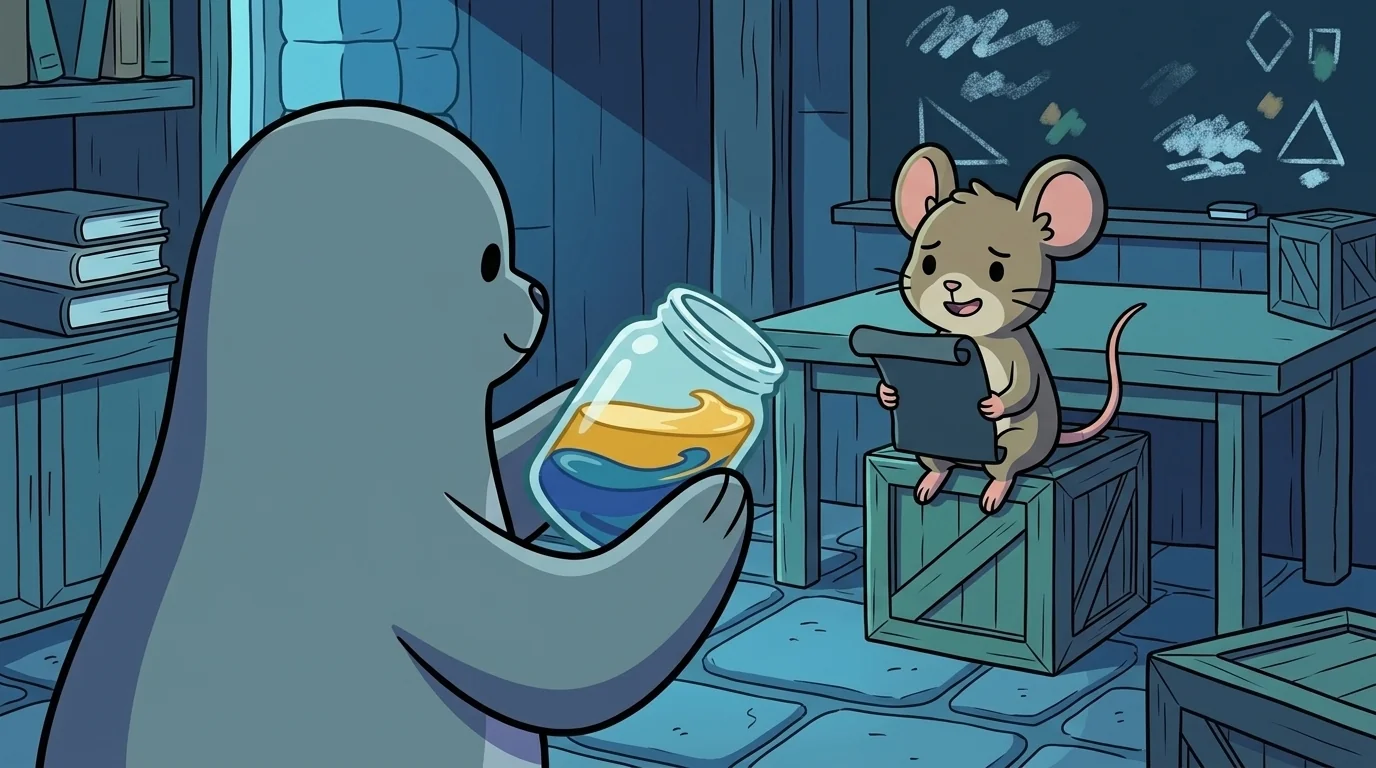
Undertow's workshop was cool and blue-lit, with that two-layered jar catching the light on her table. Today the fieldmouse-tween Sumi was there, over-acting furiously at a line and getting more frustrated by the second.
"The line is 'I'm happy for you,'" Sumi groaned, "but my character is actually really jealous and hurt. So I keep trying to show the jealous part — I make my face all twisted and my voice all bitter — and Curtain says it's too much, it's cartoonish, nobody talks like that. But if I just say 'I'm happy for you' plainly it sounds like I really AM happy! I can't win."
"You're trying to put the current up on the surface," Undertow said gently, lifting the jar. "Watch — if I shake this so the blue splashes up top, it's just muddy. The magic is keeping the layers separate." She set it down. "Say the line — 'I'm happy for you' — kindly, like you mean it on the surface. But underneath, don't show jealous. Be jealous. Actually let yourself feel, quietly, how much it hurts that it wasn't you. Keep the feeling down in the deep layer. Just feel it, and say the kind words on top."
Sumi took a breath. She said, "I'm happy for you" — warmly, smoothly — while genuinely letting the small ache of it should have been me sit quiet underneath. And the room went still, because everyone heard it: the kind words on top, the hurt current pulling beneath, both at once. It was heartbreaking. And she hadn't twisted her face at all.
"I barely did anything," Sumi whispered.
"You did the hardest thing — you trusted us to feel it without being told," Undertow said. She gave the little mouse the rules, tilting the jar between each. Let the line stay on the surface — say it simply, don't editorialize it. Truly feel the real thing underneath instead of performing it; feeling is quieter and stronger than showing. Keep the two layers separate — the moment you splash the deep feeling up onto the surface, it turns to cartoon mud. And trust the audience: people are expert current-readers; they feel the pull under the words far better than they hear you announce it.
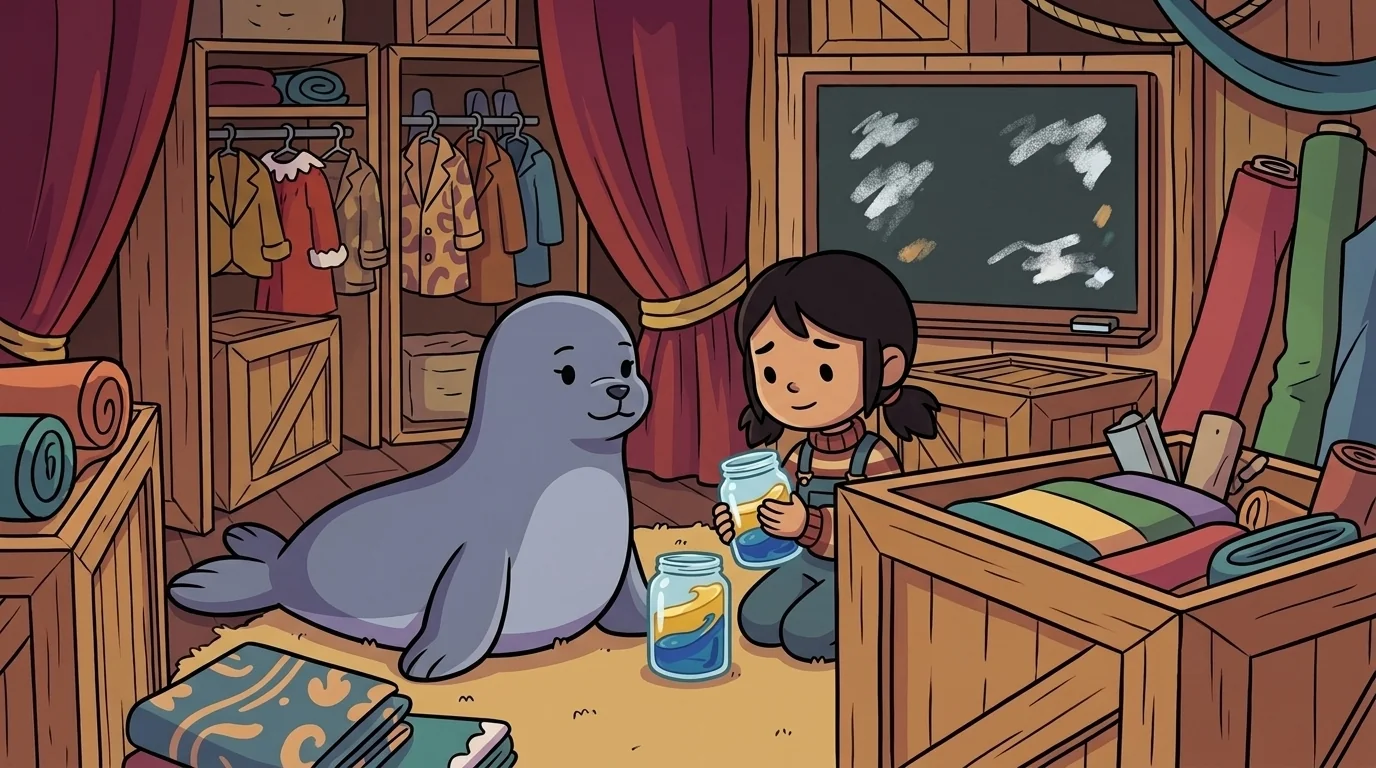
When the blue light dimmed, Sumi stayed, tilting the jar, watching the layers slide apart.
"I always thought good acting meant showing the feeling really big," she said. "And I get so nervous I'll do it wrong and be flat, so I overdo it to be safe."
Undertow settled beside her, calm-eyed. "Overdoing it is what fear does — it shouts so no one can miss it. But the audience doesn't need you to shout the feeling. They need you to have it, quietly, underneath. That's less work, not more — you don't have to manufacture a big face, you just have to let yourself truly feel the real thing and say the plain line on top." She tilted the jar one more time. "And when the nerves come? Fine. Feel those in the deep layer too, and say your line anyway. The audience will just read it as your character's feeling. Nerves under the words are still true feeling under the words."
Sumi held the two-layered jar and felt the frantic need-to-prove-it drain away, replaced by a quiet, trusting calm — the relief of not having to shout to be understood.
"Words on top. Meaning underneath," Undertow murmured, the gold and blue settling into their separate calm. "Isn't it a relief, being felt without having to spell it out?"
The StageForge ensemble
Undertow is part of StageForge's distributed-narrative cast. Each character embodies a different curricular primitive; together they teach the full subject.
-
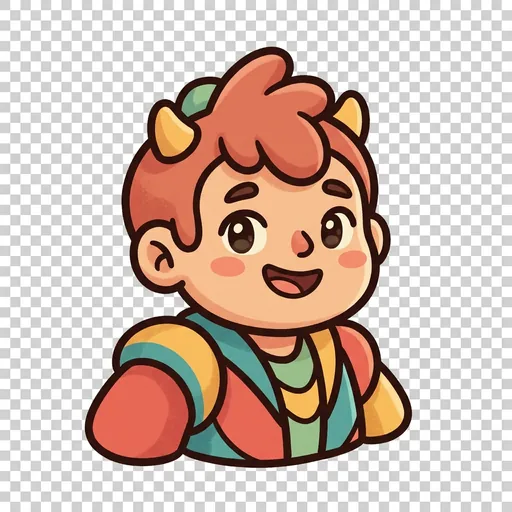
Face
Acting — character work through voice, body, and emotional life
-

Pen
Playwriting — turning ideas into scripts with character, conflict, structure
-

Block
Blocking — directing actors through stage geography
-
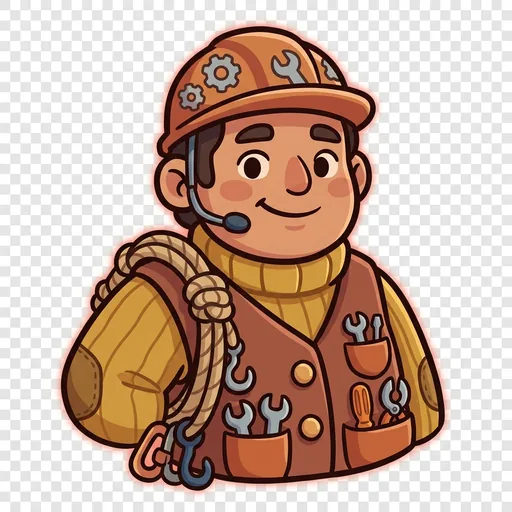
Rig
Stagecraft — the technical-theater craft that makes the visible-stage possible
-

Riff
Improvisation — the live-performance craft of Yes, and...
-
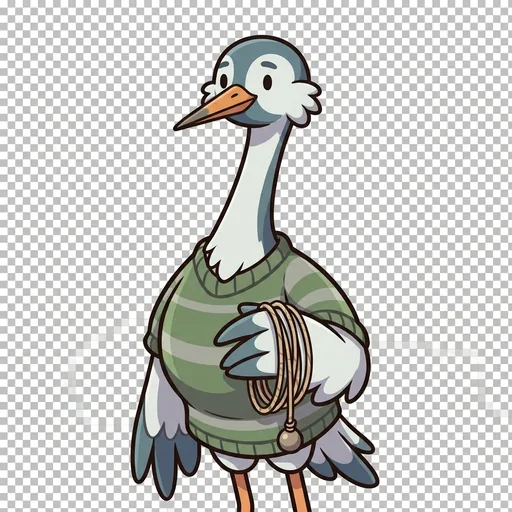
Rafter
Projection — making your voice reach the back row without shouting, by supporting it with breath so even a quiet line lands in the last seat
-

Yearn
The objective — what a character wants in a scene, badly enough to drive every line and move; the engine under a performance
-
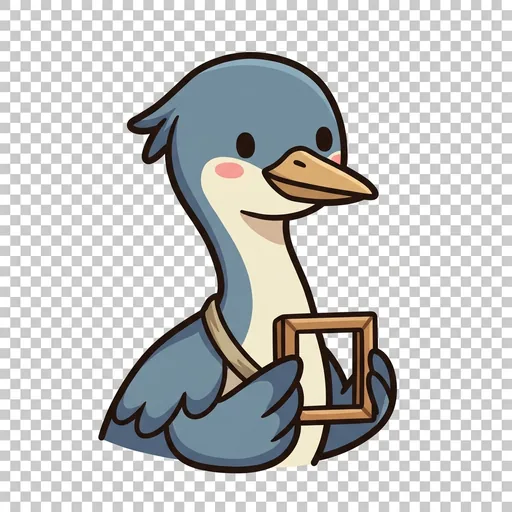
Freeze
Tableau — a frozen stage picture the whole cast holds so the audience can read the moment like a painting
-
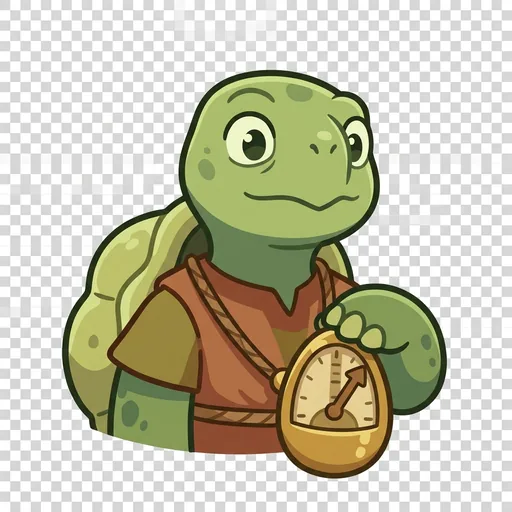
Hitch
Pacing and timing — the rhythm of a scene and the deliberate pause that makes a line land, the held beat before the joke or the truth
-
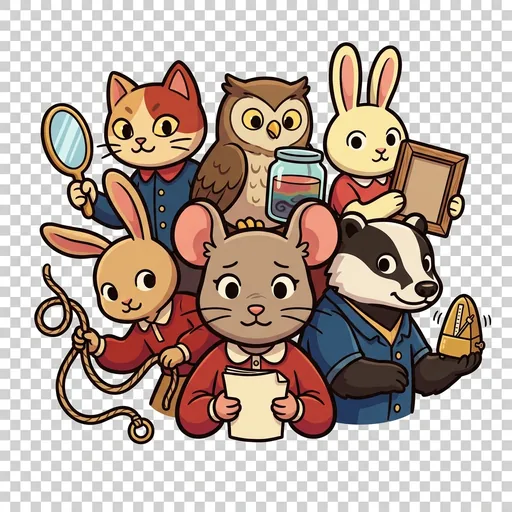
Opening Night
The whole company on stage together — how acting, objective, subtext, tableau, and timing combine so one live scene truly comes alive