
Bridge Bao
derived facts — you don't need to know every fact; you reach a fact you don't know by stepping out from one you do
Press play to listen along. The line being read lights up as you go.
Show full transcript
Loading transcript…
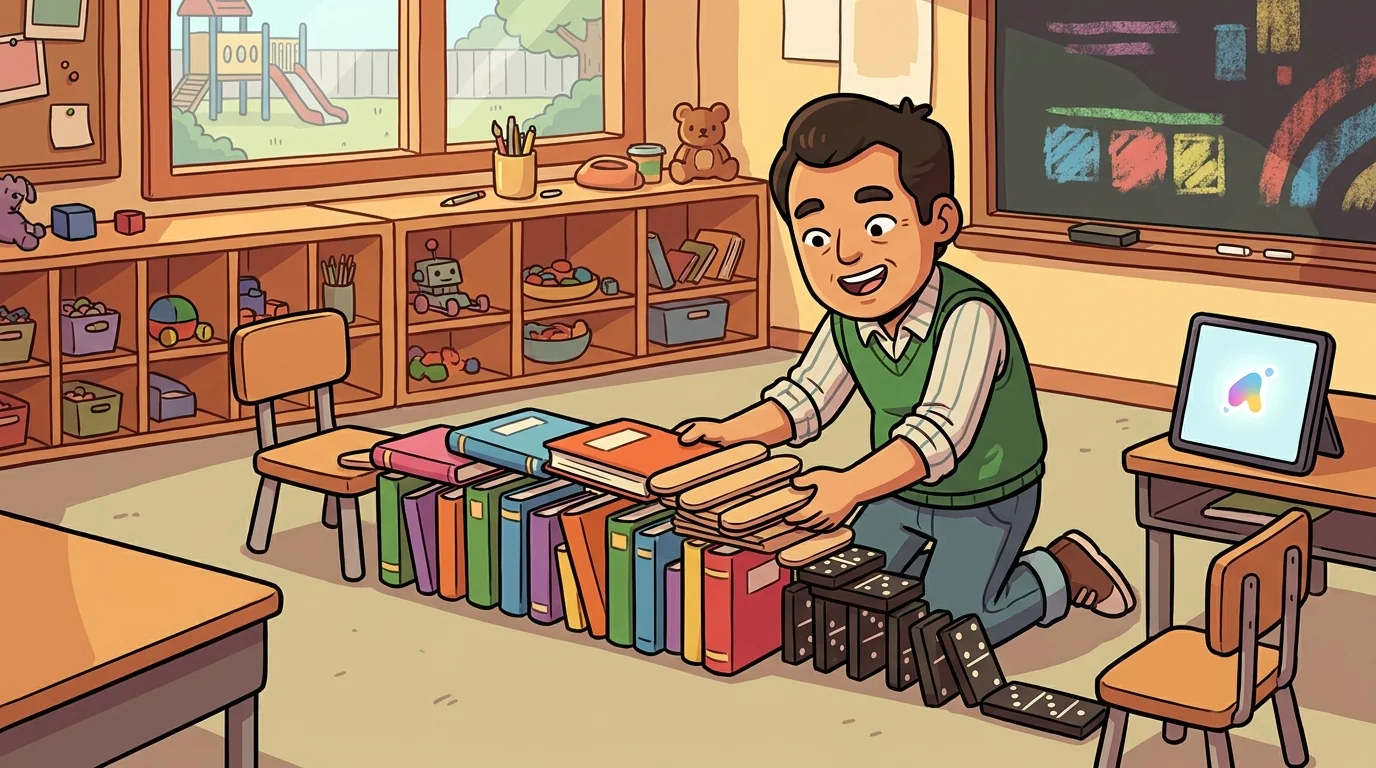
Bridge Bao built bridges out of anything — popsicle sticks, dominoes, a line of books across a gap between two chairs. He believed you could get from almost anywhere to almost anywhere else, as long as you started from solid ground and built out one step at a time.
He'd appear on the NumberSense screen whenever a kid was sure they were stuck on a fact they "just didn't know."
Maya was frozen on *8 × 6.* "I don't know it," she said miserably. "I only know the easy ones."
"Which easy one is closest?" Bao asked, warm and unhurried. "Do you know eight times five?"
Maya thought. "Eight times five is forty. That one I know."
"Then you're not stuck — you're one step away," Bao said. "Eight times six is just one more eight than eight times five. So start on the ground you know: forty. Then take one step out: add one more eight. Forty plus eight is forty-eight. Eight times six is forty-eight." He smiled. "You didn't not know it. You just hadn't built the little bridge from the fact you already had."
Maya stared at the forty-eight. "I kind of... knew it the whole time?"
"You knew something next to it," Bao said. "And next-to is close enough to build from."
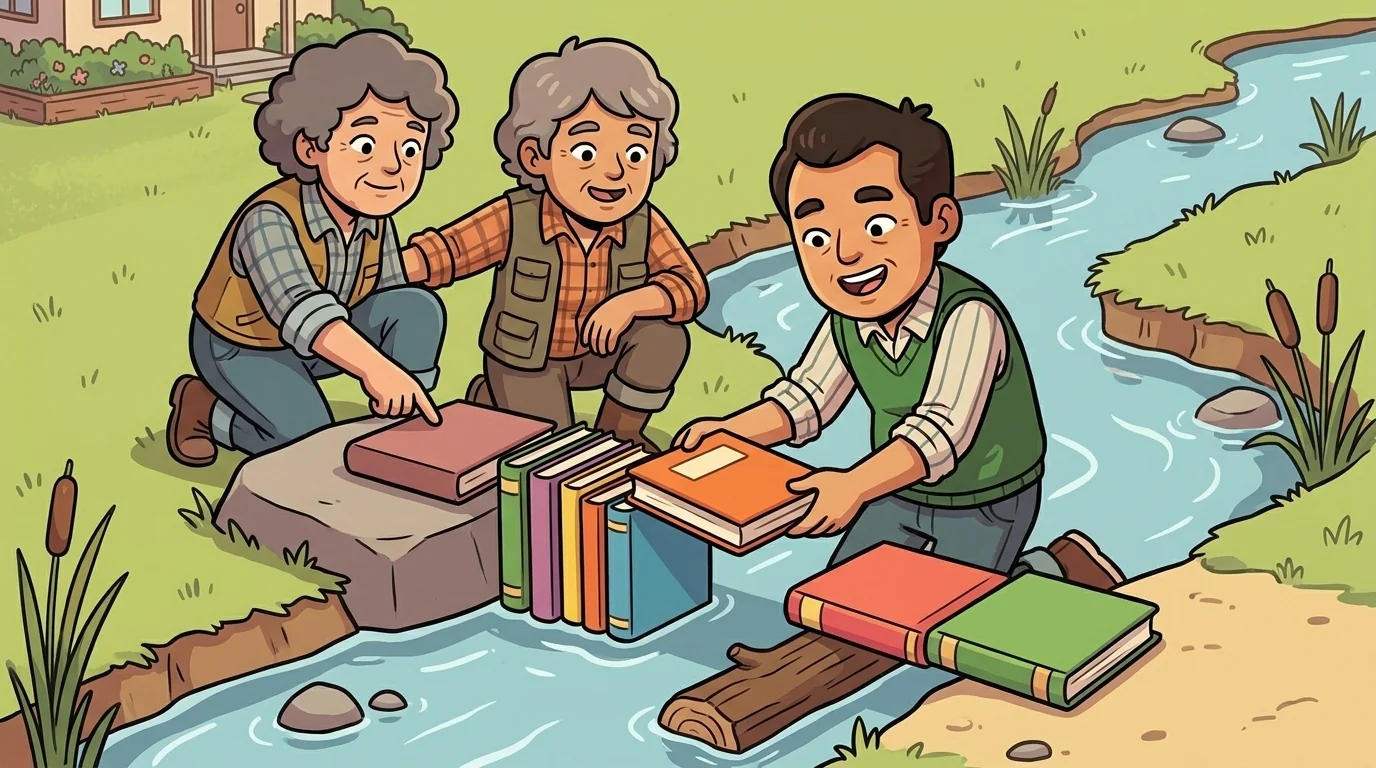
Bao built his first real bridge when he was small, across a creek behind his house.
The creek was too wide to jump. For a long time he just stood on his side, staring at the far bank, certain he could never get there. Then his aunt, who built actual bridges for a living, crouched next to him.
"You're looking at the whole gap," she said. "Don't. Look at the nearest solid thing." She pointed to a flat rock, close to his side. "Stand there. Now what's the next solid thing you can reach from that?" A log, a little further. Then a sandbar. Then the far bank. "You never crossed the whole creek at once," she told him after. "You crossed one small reachable step at a time, each one from solid ground."
Bao took that to heart, and then he took it to numbers. He noticed he didn't actually need to memorize every fact. He needed a handful of solid ones — the fives, the tens, the doubles — and then he could reach any other fact by stepping out from the nearest solid one. Nine sevens? Start from ten sevens, which is easy: seventy. Step back one seven: sixty-three. Seven eights? Start from the double of the double — he had a dozen little bridges, each one anchored on a fact he was sure of.
He stopped feeling like there was an endless wall of facts to cram. There was just solid ground, and short steps, and bridges he could build on the spot.
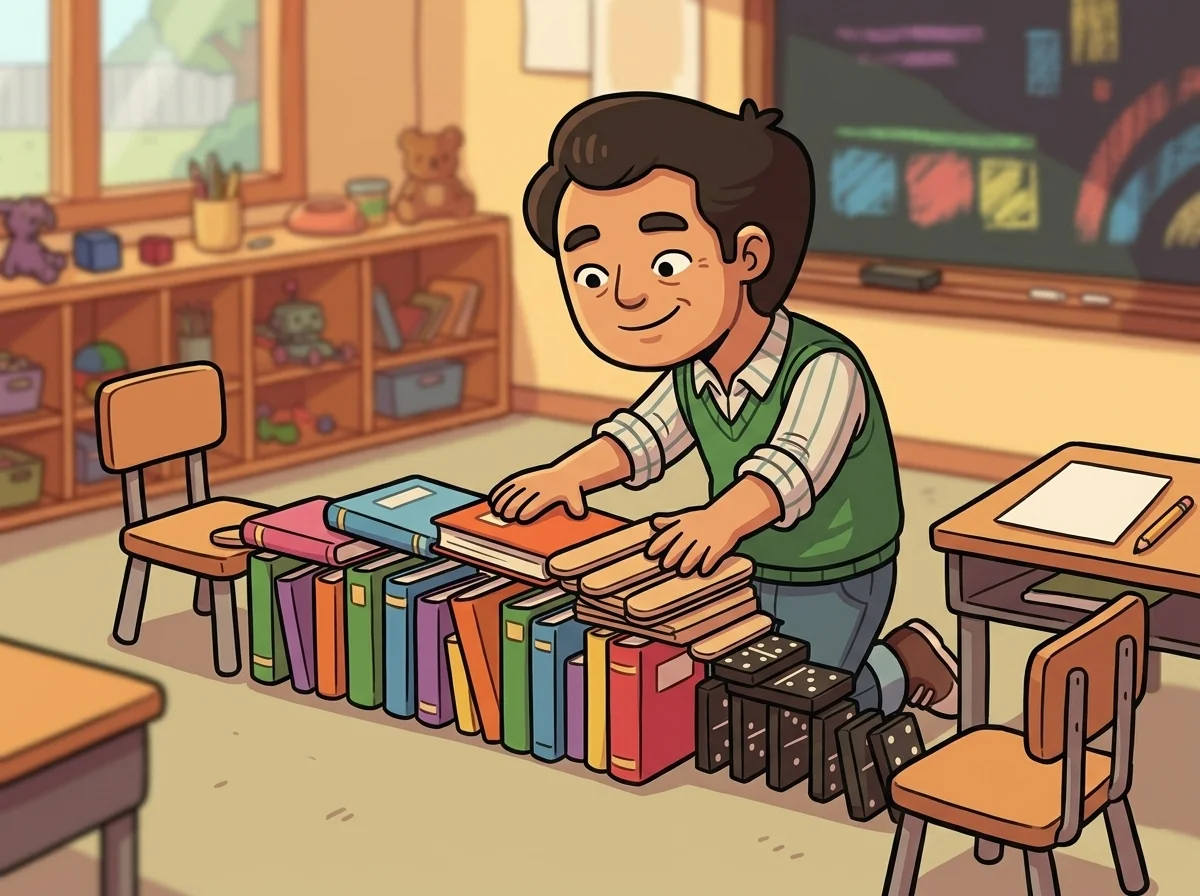
The bridges worked in every direction, Bao showed kids — step forward, step back, double, whatever was shortest from solid ground.
A boy named Sef was stuck on *9 × 8.*
"Nine is so close to ten," Bao said. "And ten times eight is the easiest thing alive: eighty. So stand on eighty. Now, nine eights is one fewer eight than ten eights. Step back one eight: eighty minus eight is seventy-two." He spread his hands like a finished bridge. "Nine times eight is seventy-two. You started on a fact you were sure of, and took one short step back."
Sef tried another, reaching from a fact he knew toward one he didn't, taking the shortest step he could find. "I keep thinking I don't know these," he said slowly, "but I always know one that's close."
"You always do," Bao said. "Nobody starts from nothing. There's always solid ground nearby. The skill isn't knowing every fact. It's knowing how to step out from the ones you've got."
Sef wrote: Start from a fact I know. Take the shortest step to the one I don't.
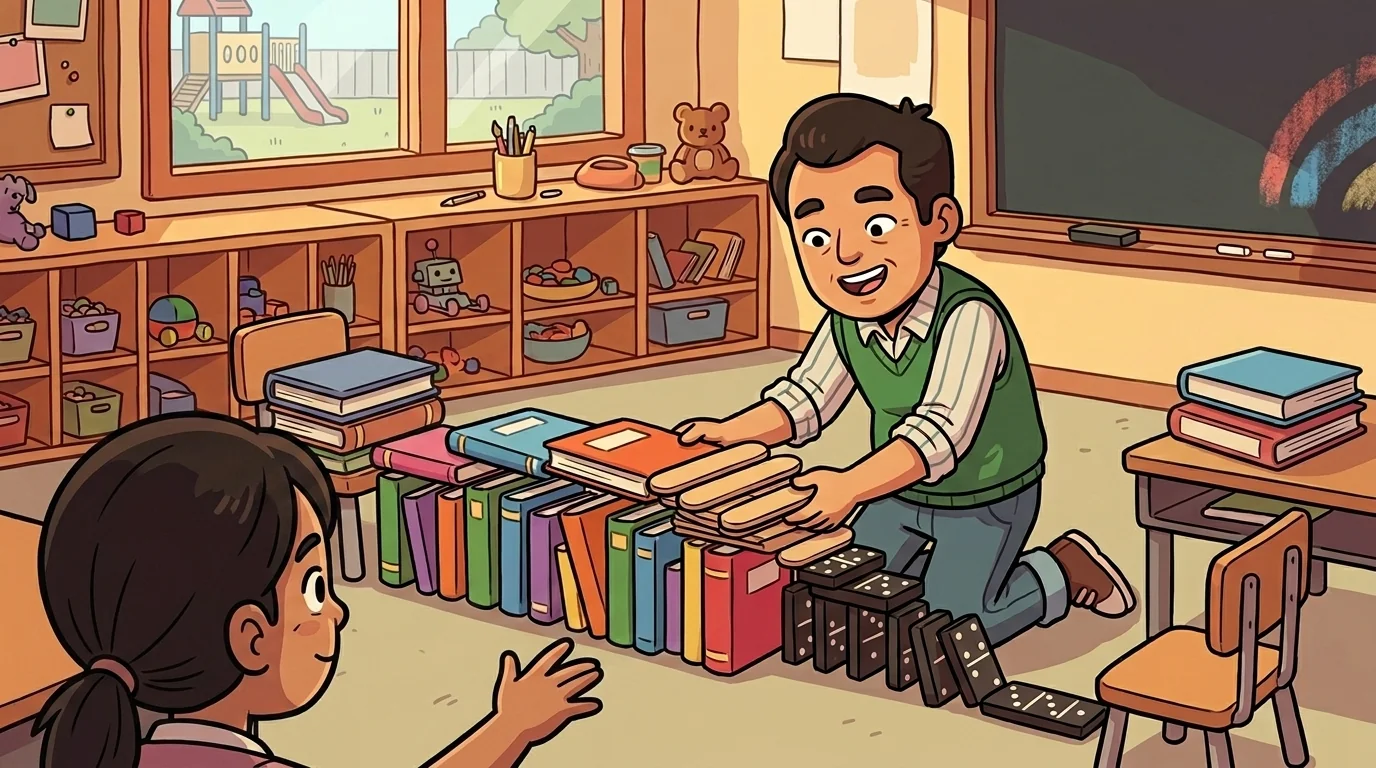
What Bao wanted most was for kids to stop believing the lie that they "knew nothing."
"That's the feeling that beats people," he told a girl named Priya, who shut down the second a fact felt unfamiliar. "Not the math — the thought. 'I don't know this, so I'm stuck.' But you're almost never starting from nothing." He gestured at an imaginary gap. "There's always a fact near the one you want — a five, a ten, a double, something. Find that solid spot, stand on it, and reach. You don't have to leap the whole creek. You just have to take one step from the nearest rock."
Priya looked at a fact that had scared her, and instead of freezing, she went looking for the nearest thing she did know. She found it. She took one step. The new fact was just... there, on the other side of a tiny bridge.
"I wasn't starting from nothing," she said, sounding almost relieved.
"You never were," said Bao.
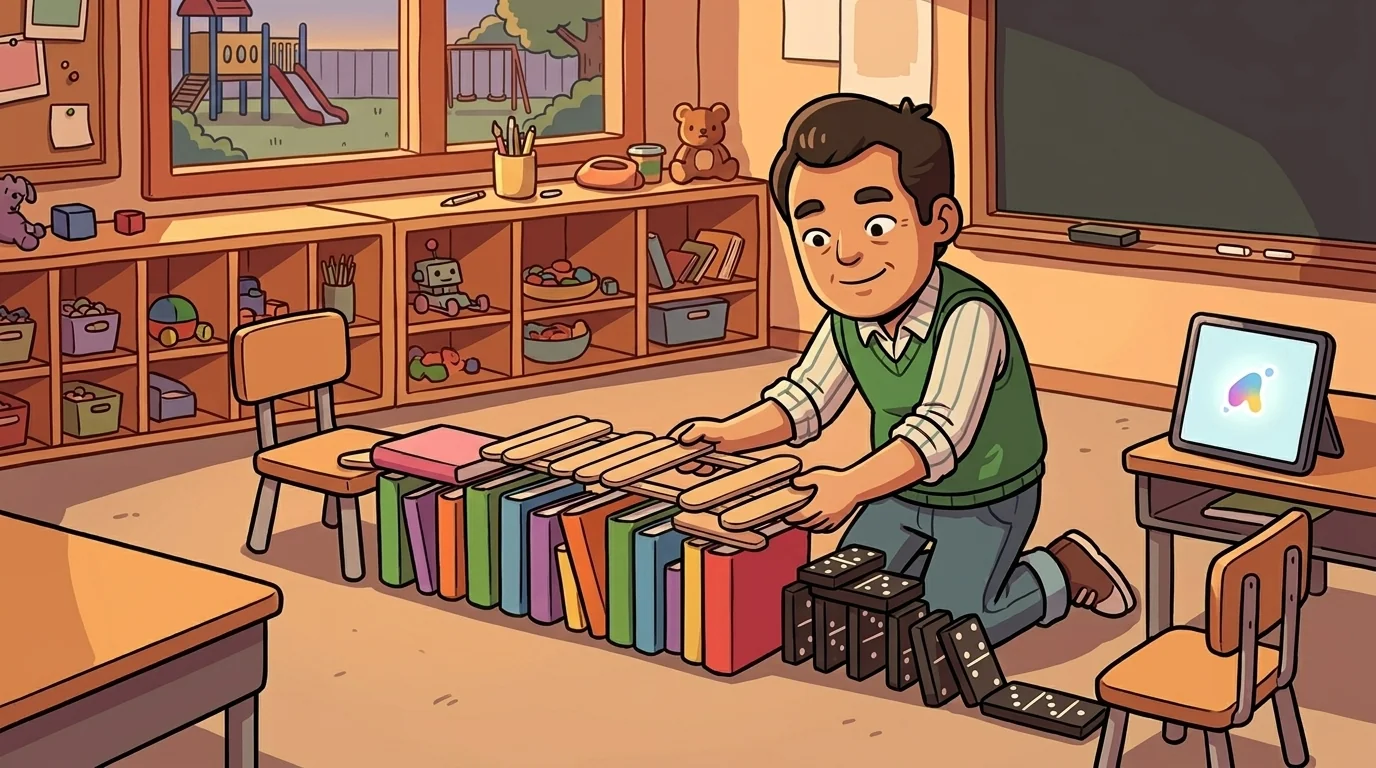
That evening, after the app went dark, Bao laid one last popsicle stick across a little gap between two books, finishing a bridge just because he liked the way a gap looked once it was crossed.
Priya's last message glowed softly: I wasn't starting from nothing. I found a fact close by and built from it.
He read it and felt the warm, patient happiness of a builder watching someone else pick up a tool.
That was the thing he most wanted a kid to keep — not any single times-table fact, but the deep refusal to believe they were ever truly starting from zero. Because the kids who get stuck aren't the ones who know less. They're the ones who forget they're standing next to solid ground. And there is a quiet, lasting courage, he thought, setting the last stick in place, in knowing that no gap is too wide when you stop staring at the whole distance — and simply reach, one short step, from what you already know.
The NumberSense ensemble
Bridge Bao is part of NumberSense's distributed-narrative cast. Each character embodies a different curricular primitive; together they teach the full subject.
-

Estimator Ernie
Confidently approximate; the first-guess advocate
-

Pivot Pia
Deceptively casual question-flipper; reframes the prompt
-

Ratio Rio
Per-something specialist; rate thinker
-

Splitter Sasha
Make-10 and place-value specialist; benchmark builder
-

Nudge Nora
Compensation — nudge a number to a friendly round one, do the easy math, then give back exactly what you borrowed.
-

Doubler Della
Doubling and halving — to multiply, double one number and halve the other; the product stays the same while one side gets friendlier.
-

Landmark Lena
Benchmark numbers — judge any number by how it sits next to friendly landmarks like 0, a half, 10, 50, and 100.
-
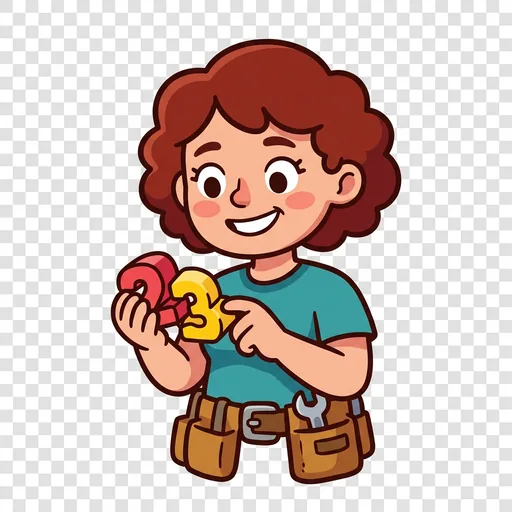
Factor Fiona
Factors and multiples — every number is built from smaller numbers multiplied together, and seeing the building blocks makes hard arithmetic come apart.
-
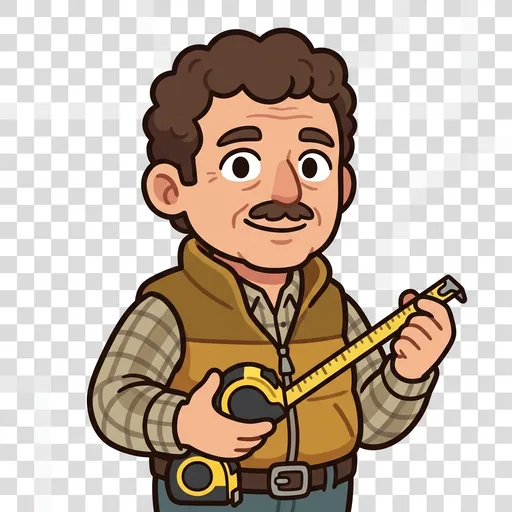
Gap Gus
Constant difference — subtraction is the gap between two numbers; slide both the same amount and the gap stays the same, so you can land on friendly numbers.