
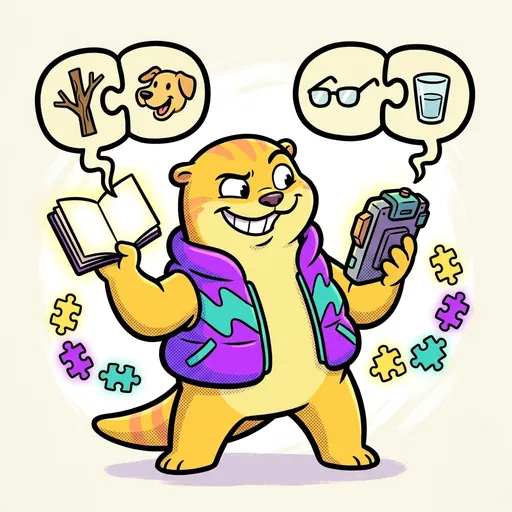
Quirk
QUIRK — one word, two meanings. the laugh is in the snap between them.
Listen along — Quirk
Loading audio…
Press play to listen along. The line being read lights up as you go.
Show full transcript
Loading transcript…
Chapter 1 — Quirk and the Word That Means Two Things
In the back corner of a warm Laughtonia tavern, a small otter-tween named Quirk was doing the thing he did best: waiting for a word to trip over itself.
A tired traveler had just flopped onto the bench beside him and sighed, “I have been walking all day. My feet are absolutely dead.”
Quirk’s ears perked. He flipped open a tiny notebook, licked the tip of his pencil, and leaned in. “Dead?” he said. “So they’re not going to step up to the plate?”
The traveler stared. Then his mouth twitched. Then a slow, unwilling groan rolled out of him, the kind that sounds almost like a complaint but arrives with a grin on the back of it.
“There it is,” Quirk said, delighted, scribbling. “You hear that? That groan is your brain doing a little flip. You’ve got two meanings knocking around at once — feet that are tired, and feet that could step up. Both land in the same second. That snap between them? That’s the whole trick.”
The traveler shook his head, still smiling. “That was terrible.”
“Terrible is the goal,” Quirk said warmly. He didn’t gloat. He just underlined the word dead in his notebook and let the traveler laugh the last of his tiredness out. One word had opened two doors, and for one second the traveler had stood in both. That was the only kind of magic Quirk had ever wanted.
Quirk had not always trusted that magic.
When he was younger, his jokes came out crooked. He’d try to be funny and mostly just be loud, and once — he still winced remembering it — he’d made a joke that landed on somebody instead of near them. A classmate had tripped, and Quirk had said something quick and sharp, and the whole room had laughed, and the classmate had gone red and quiet. The laugh had felt good for exactly one heartbeat. Then it curdled. That night Quirk lay awake with a tight, sour knot in his stomach, thinking: I made people laugh, and it made someone feel small. That wasn’t funny. That was just mean wearing funny’s coat.
He stopped joking for a while after that. He was scared of the sour feeling.
It was his aunt who found him sulking. She was an old otter with an inkstained paw and a gentle way of not lecturing. She didn’t tell him to lighten up. She just handed him a single word written on a scrap of paper: bark.
“Say what it means,” she said.
“A dog barks,” said Quirk.
“And?”
He thought. “And… the bark of a tree.”
“Two meanings,” she said, “living in one little word, never fighting, just waiting. You don’t have to poke a person to find something funny, sweet. The language is already full of tricks. Go poke the words.” She tapped the paper. “Laugh at how sneaky they are. Nobody gets hurt when the joke’s on a word.”
Something in Quirk’s chest loosened. The sour knot let go.
He carried that scrap of paper all the way to WitQuest, and they took him in the moment he opened his mouth.
At the gate, an older cast member named Knot asked him — half-testing — “What makes a joke good?”
Quirk didn’t explain. He looked around, spotted a signpost that read SLOW — WORD-WOODS AHEAD, and said, “Careful past here. These woods are full of trees that bark.”
Knot blinked. Then their head tilted. Then came the groan — low, helpless, entirely genuine.
“You flipped it,” Quirk said, grinning. “Dog-bark, tree-bark, both at once. The groan is the flip. Same event, different angle.”
Knot rubbed their face and laughed anyway. “You’re going to fit in here.”
Quirk tucked the scrap of paper away, safe. He belonged somewhere now — somewhere that thought sneaky, two-faced words were treasure and not trouble.
A quiet kid came to Quirk’s corner one afternoon, shoulders hunched.
“I tried to make my little sister laugh,” the kid mumbled. “I made fun of her drawing. She cried. Now everyone thinks I’m not funny, I’m just mean.” He looked at his shoes. “Maybe I’m just not funny.”
Quirk knew that hunch. He’d worn it himself, on a sleepless night, a long time ago.
He didn’t say cheer up. He picked up two mugs from the table. “This one’s empty,” he said, “and this one’s full of berry juice. Which one would you rather knock over?”
“The empty one, obviously. No mess.”
“Right. Punching down at your sister — that’s the full mug. Makes a mess, somebody has to clean it up, someone feels sticky and awful.” He set the mugs aside. “But there’s a word on that chalkboard behind you. Read it.”
The kid turned. “Draw.”
“Now — a drawing is a draw. And a tie game is a draw. And pulling a sword is a draw.” Quirk raised an eyebrow. “So if your sister’s drawing was so good the judges couldn’t pick a winner…?”
The kid’s frown wobbled. “…it was a draw.”
A tiny snort escaped him — surprised, unwilling, real. He clapped a paw over his mouth.
“That,” said Quirk. “You felt that? That little jump? That’s your brain landing on two meanings at once. Nobody got hurt. The joke was on the word.” He handed the kid the pencil. “You’re not unfunny. You just aimed at a person instead of the language. Aim at the words. They can take it. They’ve got nothing but doors.”
The kid stayed a while, flipping words over, finding the second door in each one, and every so often loosing a groan that turned, halfway out, into a real laugh.
When he finally left — lighter, walking taller — Quirk sat alone in the lantern-warm quiet and turned his aunt’s old scrap of paper over in his paws. bark. Soft with handling now, the ink gone gray.
He thought about the sour knot he used to carry, and how the first true laugh he’d ever made without it had felt like setting something heavy down.
He didn’t say it out loud, because there was no one left to say it to. But he felt it, warm and sure and steady in his chest: the best jokes never leave anybody feeling small. They leave two doors open in a single word, and everyone standing there gets to step through at once — surprised, and grinning, and together.
That, right there, was the feeling worth chasing. Not the groan. The un-lonely warmth just after it.
The WitQuest ensemble
Quirk is part of WitQuest's distributed-narrative cast. Each character embodies a different curricular primitive; together they teach the full subject.
-
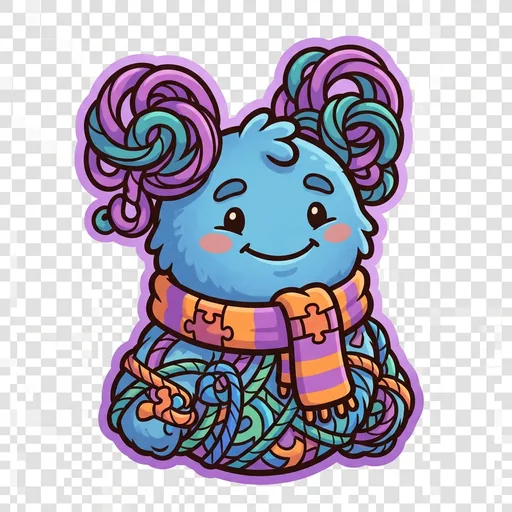
Knot
Riddles (compressed-info puzzles where you decode the answer from constrained clues)
-

Switch
Anagrams (rearranging letters to form a different word — "listen" → "silent")
-

Lilt
Idioms and figurative language (phrases whose literal meaning ≠ their actual meaning — "raining cats and dogs")
-
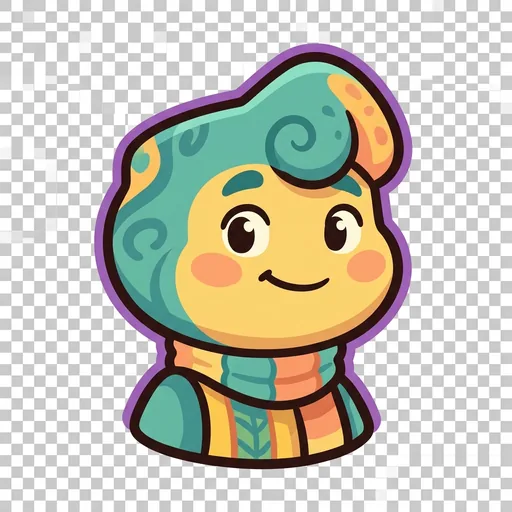
Hop
Lateral thinking (finding a non-obvious angle on a problem; sidestepping the assumed framing)
-
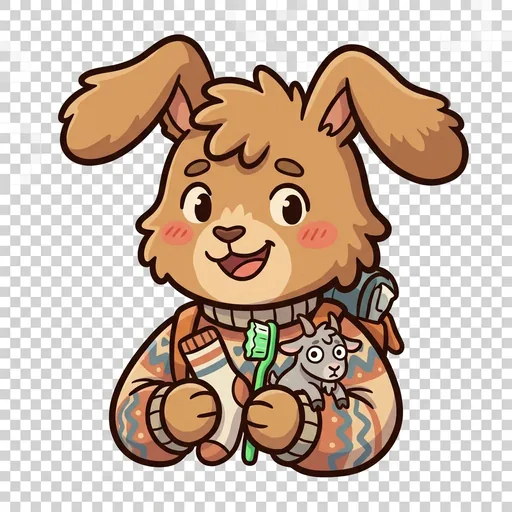
Trip
The rule of three (two beats set a pattern; the third breaks it — the break is the laugh)
-
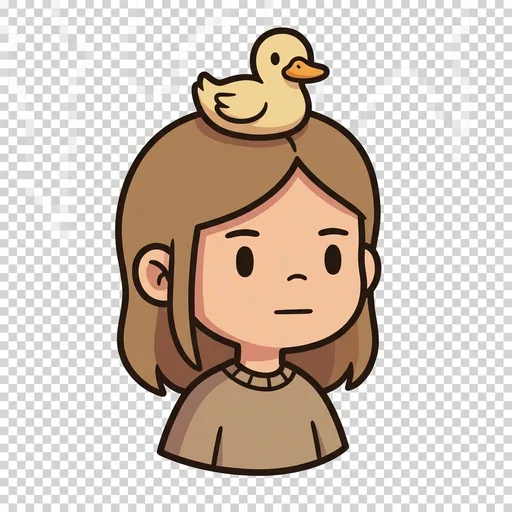
Dry
Deadpan delivery (saying something ridiculous with a calm, serious face — the flat delivery is the joke)
-
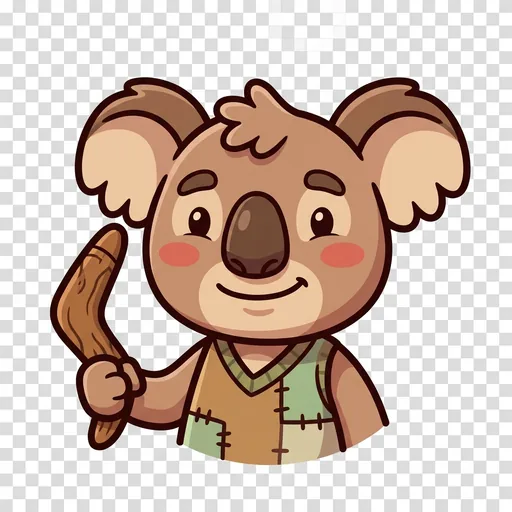
Boomerang
The callback (bringing back an earlier joke later, when it's half-forgotten — funnier the second time)
-
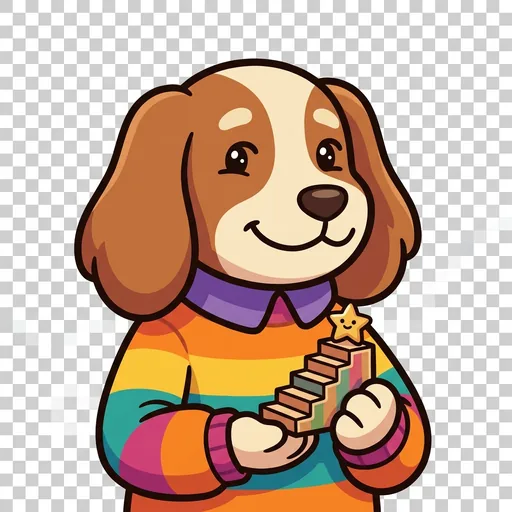
Topper
The topper / escalation (capping a joke with an even bigger one, raising the stakes each time)
-
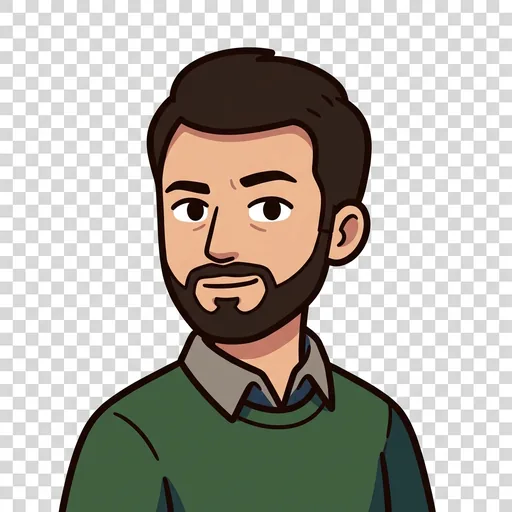
Straight
The straight man / the setup (reacting normally so the absurdity stands out — comedy needs someone to be normal)