
Hero-King
HERO-KING — *the reluctant ruler called to a journey.*
Listen along — Hero-King
Loading audio…
Press play to listen along. The line being read lights up as you go.
Show full transcript
Loading transcript…
Chapter 2 — Hero-King and the Reluctant Call
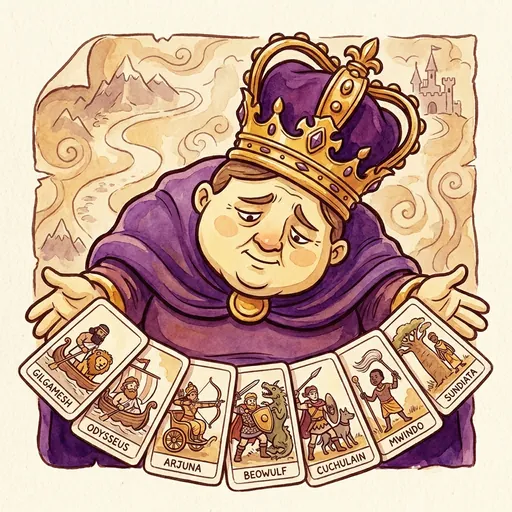
The Hero-King wasn’t just a person. He was more like a giant, comfy armchair shaped like a king. He wore a crown that looked too heavy for his head. It made him slouch a little. His shoulders seemed to carry a great weight. But his eyes were kind. He always had a warm, cream-colored glow about him.
“The reluctant ruler called to a journey,” he’d often sigh. This was his favorite thing to say. He’d say it like he knew all about it.
We met him in his workshop. It wasn’t a fancy place. It smelled of old paper and something sweet. Maybe honey, maybe dust. The walls were covered with maps. These weren’t just any maps. They showed twisting paths and trails. But there were no towns or rivers on them. Instead, tiny drawings of people followed the paths. Each drawing looked a bit like a cartoon.
Hero-King sat on a stool. It looked too small for him. He picked up a stack of cards. They were big and colorful. Each card showed a different part of a journey. He called them his “call-card-set.”
“I am the Hero-King pattern,” he said. His voice was deep. It rumbled like a bear waking up. “I don’t teach about one hero. I teach about a special kind of pattern.” He tapped the stack of cards. “It’s the pattern of a journey.”
He laid out the first card. It showed a person getting a letter. The letter looked important. “This is the call to adventure,” he explained. “Someone tells you to go do something big. Something that will change everything.”
Then he put down another card. This one showed the person shaking their head. Their arms were crossed. “And this is the refusal,” he said. “Most people don’t want to go. It sounds too hard. Or too scary.” He sighed again. He adjusted his heavy crown. “It’s a heavy thing, being called.”
A girl named Maya raised her hand. “So, like, if my mom tells me to clean my room, and I say no?”
Hero-King chuckled. It was a low, rumbling sound. “A good start, Maya. But this journey is much bigger. Bigger than a messy room. It’s about saving a kingdom. Or finding a lost treasure. Or bringing peace to a troubled land.” He paused. “Sometimes, it’s just about finding out who you really are.”
He showed us more cards. One had an old, wise-looking person. They had a long beard. “This is the mentor,” he said. “Someone who helps you get ready. Gives you advice. Maybe a magic sword.” He winked. “Or a really good map.”
Another card showed a big, scary gate. It had sharp spikes. “The threshold,” Hero-King announced. “Stepping into the unknown. Leaving your old life behind. There’s no turning back after this.”
Then came cards with monsters. And tricky puzzles. “These are the trials,” he said. “The hard parts. The tests. You have to be clever. You have to be brave.”
A card with a huge, dark cave. It looked very spooky. “The ordeal,” he whispered. “The biggest challenge. Where you face your greatest fear. Or fight your toughest enemy.”
Next, a bright, shining card. It glowed with golden light. “The transformation. You change. You become stronger. Wiser. You are not the same person who started.”
Finally, a card showing the person walking back home. But they looked different. They stood taller. “The return,” Hero-King finished. “Bringing what you learned back to your world. Sharing your new wisdom.”
“This is the journey shape,” he said. He tapped the cards with a thick finger. “It happens again and again. Across many stories.”
He pointed to a large map on the wall. It had different names written on it. “Take Gilgamesh,” he said. “He was a king from a very old land. Mesopotamia. His best friend died. That was his call. He went on a long trip to find a way to live forever.” Hero-King traced a path on the map. “Same journey shape. He didn’t want to go, but he had to.”
He moved his finger to another part of the map. “Or Odysseus. From ancient Greece. He fought in a big war. Then he spent twenty years trying to get home. Twenty years of trials!” Hero-King shook his head slowly. “That’s a long journey. A very reluctant one.”
“And Arjuna,” he continued, pointing to a card with a warrior. “From India. He had to fight a terrible battle. He didn’t want to. But a wise friend, Krishna, helped him understand his duty.” Hero-King sighed. “Sometimes, the hardest choices are the ones you must make.”
“Beowulf from England. Cuchulain from Ireland,” he listed. He pointed to more spots on the map. “Each one a different story. Different people. Different monsters. But the journey shape is the same.”
He paused, looking at us seriously. His kind eyes met ours. “But here’s the important part. Each hero belongs to their own story. Gilgamesh belongs to Mesopotamia. Arjuna belongs to India. We don’t mix them up. We don’t say they’re all the same person.” He tapped the map gently. “That would be like saying all apples taste the same. They don’t.”
He picked up a card with a picture of a hero from Africa. “This is Mwindo,” he said. “From the Nyanga people in Central Africa. And Sundiata, from the Mande people in West Africa. Their stories are just as important. They also follow this journey shape.” He laid these cards carefully with the others. “The pattern is everywhere.”
“So, the big idea I teach,” Hero-King said, “is the called-and-reluctant-journey.” He leaned forward. His voice grew softer. “You honor each specific story. You study the patterns that connect them. And you remember this: the journey itself makes you worthy. Not power. Not being born a king. Not even having a fancy crown.” He patted his own heavy crown.
He adjusted his crown again. It seemed to settle more comfortably this time. “Don’t think power makes you ready. The journey makes you ready. And don’t flatten traditions. Honor the specific heroes who belong to their cultures.”
“The reluctant ruler called to a journey,” he murmured, almost to himself. He looked out the window, as if seeing all those journeys unfold. And under the weight of his heavy crown, his kind eyes went soft and warm — the way you feel proud and a little tender all at once, when you think of everyone brave enough to say yes to a road that scared them.
The MythForge ensemble
Hero-King is part of MythForge's distributed-narrative cast. Each character embodies a different curricular primitive; together they teach the full subject.
-
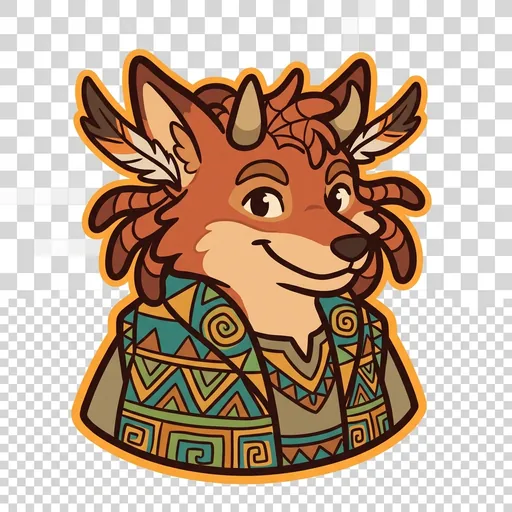
Trickster
The boundary-crosser who teaches through inversion. Recurs across nearly all traditions (Anansi, Coyote, Loki, Hermes, Maui, Ijapa).
-
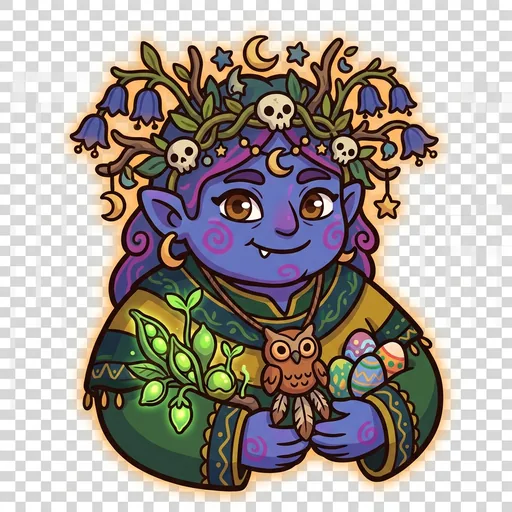
Devouring-Mother
The dark-creator / death-and-renewal force (post-Jungian; surfaces as Kali-aspect / Hel / Coatlicue / Hecate). **High trauma load.**
-
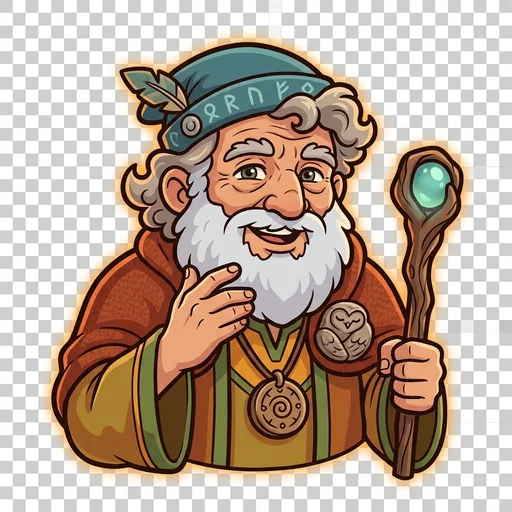
Wise-Elder
The mentor-figure who knows the path but cannot walk it for the hero (Athena, Odin-as-wanderer, Krishna-as-advisor).
-
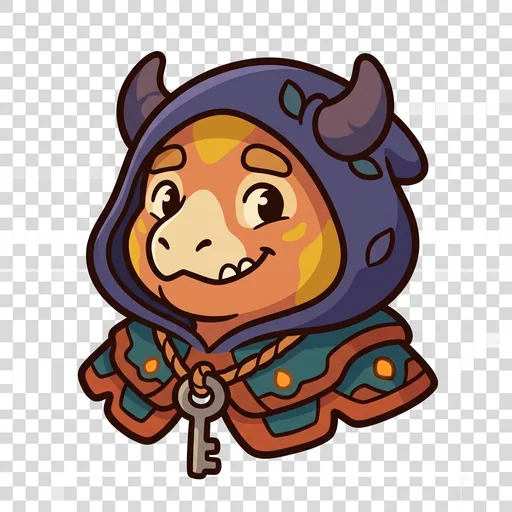
Threshold-Guardian
The figure that tests whether the hero is ready to cross (Sphinx, Cerberus, the dragon at the gate, the riddling stranger).
-
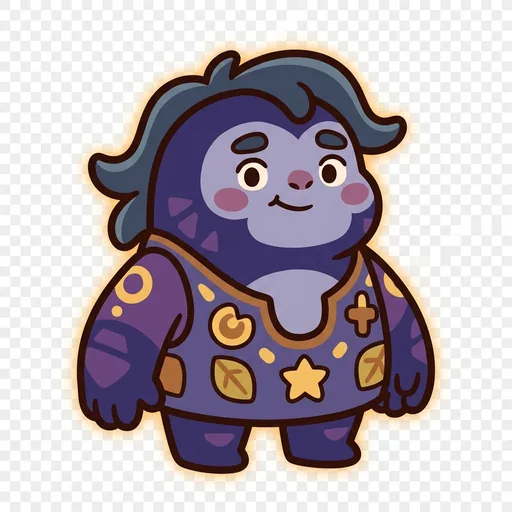
Shadow
The repressed-self / dark-mirror (Jungian core archetype; surfaces as the hero's nemesis-who-is-also-them: Loki/Baldr, Set/Osiris, Cain/Abel framings).
-

Anima/Animus (paired)
The complementary-other-self (Jungian); represented as a pair-character that always appears together, embodying the inner-other-gendered-self pattern that surfaces across many t...
-
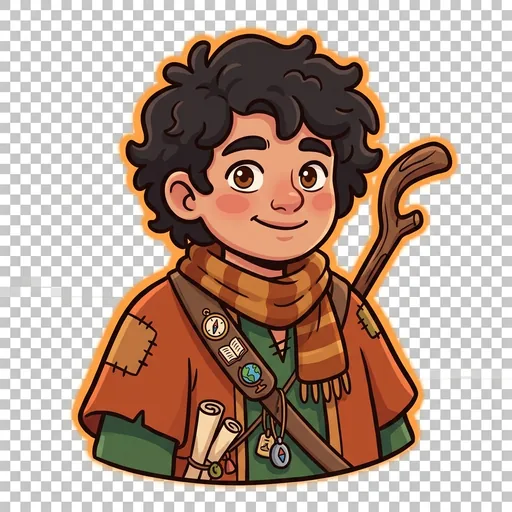
Wanderer
The journeyer-without-fixed-home who carries stories between cultures (Odysseus-after-Ithaca, the wandering Jew, the diaspora-keeper figure).
-
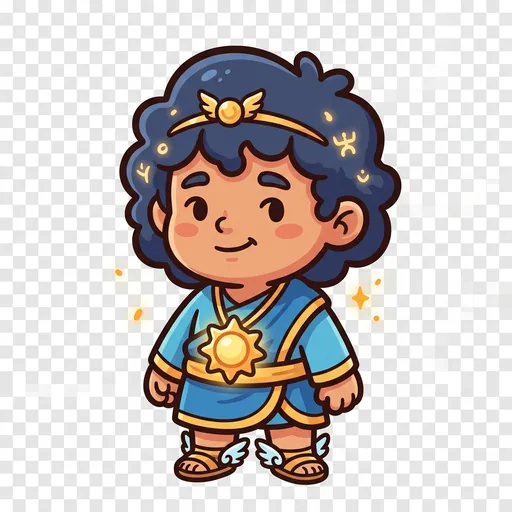
Child-Divinity
The newborn-with-power archetype (infant Krishna, baby Hermes, child Horus, divine-child motif).
-
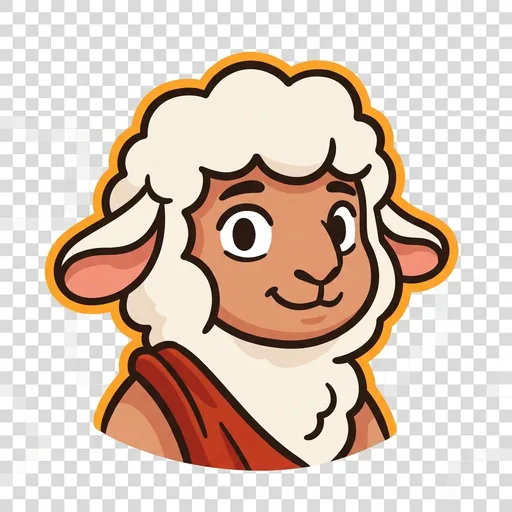
Sacrificial-Lamb
The figure whose loss enables renewal (cross-traditional: dying-and-rising deities, scapegoat figures, voluntary-sacrifice motif).
-
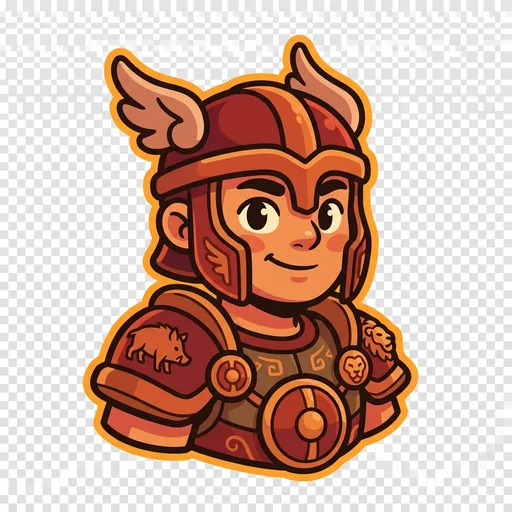
Warrior
The conflict-pattern-bearer (Ares, Tyr, Sekhmet-aspect, the warrior-figure across many traditions).
-
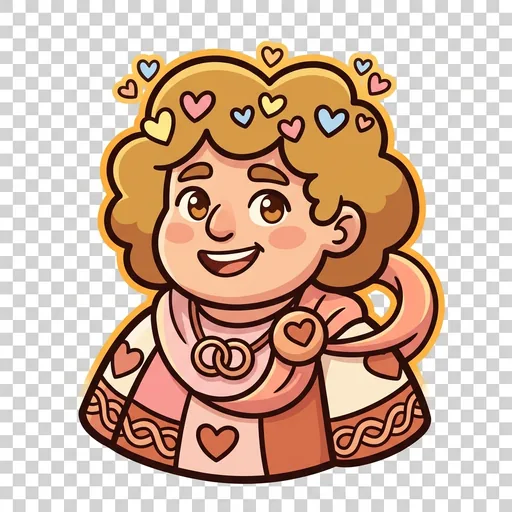
Lover
The relational-bond-bearer (Aphrodite-aspect, the romantic-mythic pair, the bond-that-shapes-the-world archetype).
-
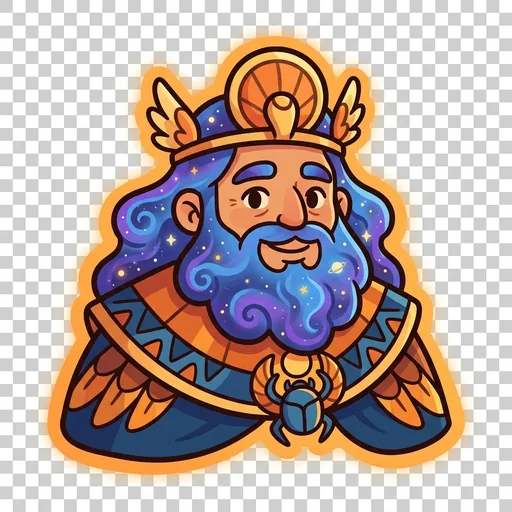
Sovereign
The cosmic-order-keeper archetype (Zeus-aspect, Odin-as-ruler, Ra-as-cosmic-king, Quetzalcoatl-aspect).
-
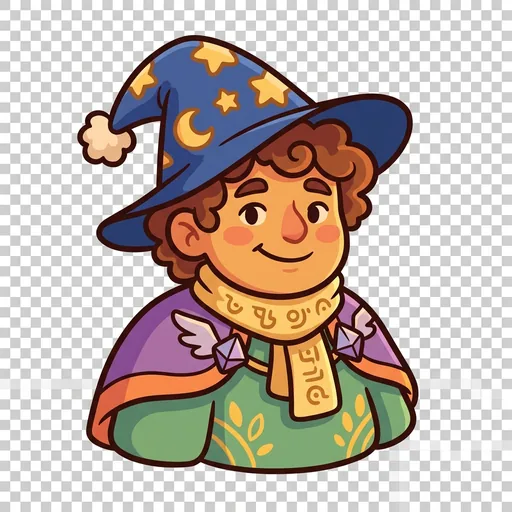
Magician
The transformation-bearer (Hermes-Trismegistus, Tezcatlipoca-aspect, Merlin, the alchemist-figure, the shape-shifter pattern).