
Yearn
OBJECTIVE — *what a character WANTS in a scene, badly enough to drive every line and move. the engine under a performance; the want you play toward.*
Press play to listen along. The line being read lights up as you go.
Show full transcript
Loading transcript…
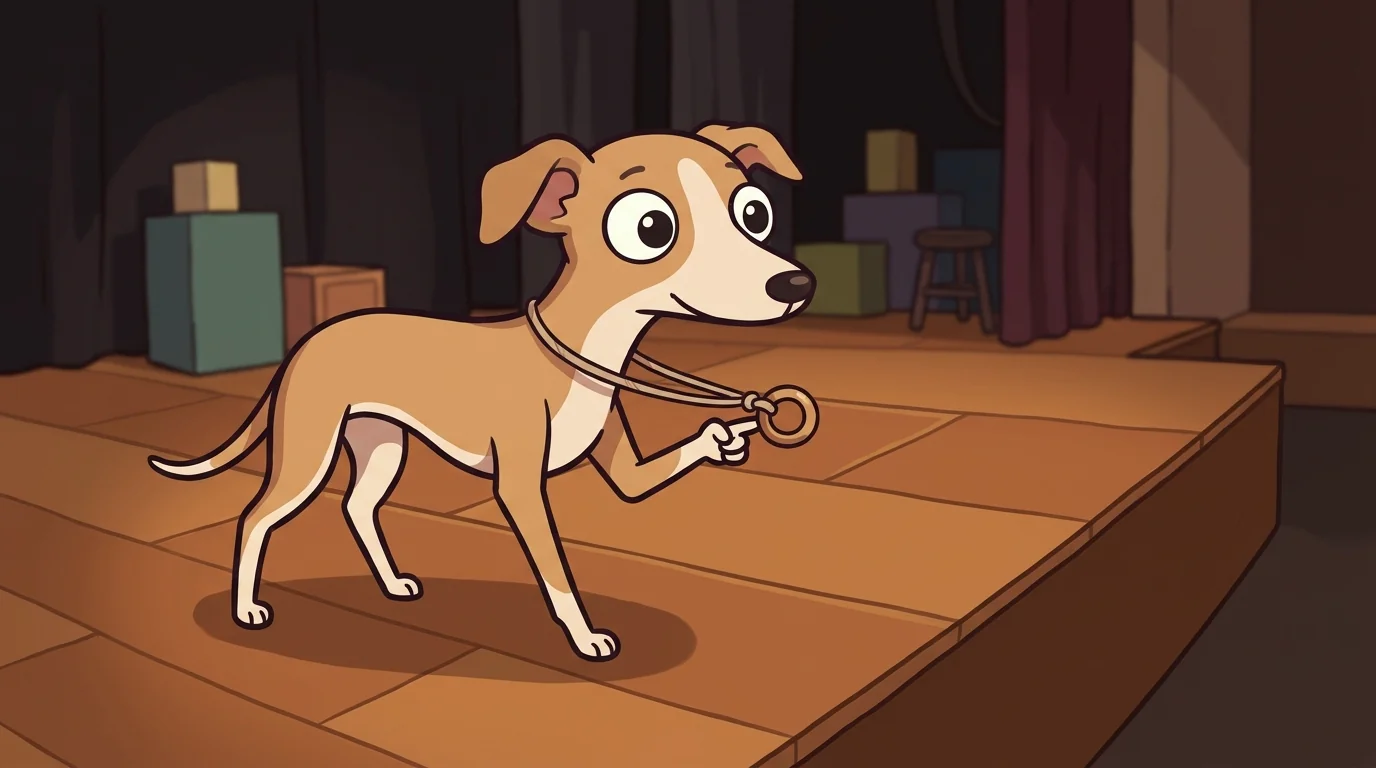
Yearn was a whippet-tween, lean and leaning, always tilted forward as though the air ahead of her held something she was about to reach. Her eyes were the give-away — bright and fixed, forever locked onto some invisible thing just out of frame. Around her neck she wore a length of soft cord tied to a small wooden ring, and in scenes she'd hook one finger through the ring and pull, gently, toward whatever her character wanted, so her whole body pointed at the desire like a needle at north.
"Every scene is a want," Yearn would say, tugging lightly at her ring. "A character always wants something in the room — to be forgiven, to win, to be believed, to make you leave, to make you stay. That want is the engine. It's why they pick these words and not those, why they move here and not there. If you don't know what your character wants, you're just saying lines in the air. Find the want, aim your whole self at it, and the scene starts to pull."
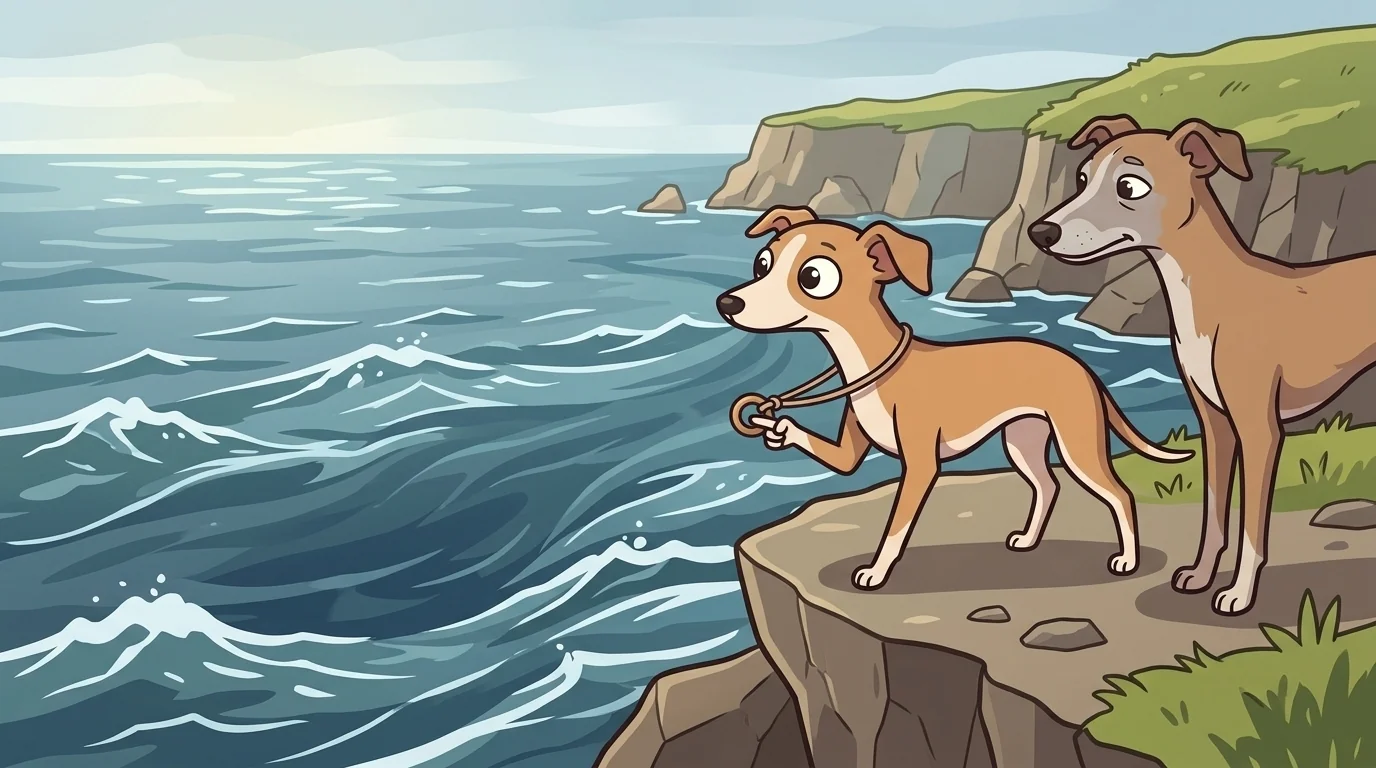
Yearn grew up beside the sea-cliffs, where her family were the tide-readers — the ones who could tell, hours ahead, which way the water meant to go. The secret wasn't reading the surface, which was all confusion and chop. The secret was finding the deep pull underneath: the one strong current that every wave and ripple was secretly obeying. Once you found the deep want of the water, the messy surface made perfect sense.
Little Yearn would lie at the cliff edge for hours, frustrated, seeing only the jumbled chop. "You're watching the splashes," her father said. "Splashes lie. Find the pull underneath — the one direction the whole sea wants to go — and the splashes suddenly all mean something." When she finally felt it, the deep drag of the tide beneath all that noise, the whole restless surface clicked into a single story. She started seeing wants everywhere after that — in people, in arguments, in the way a shopkeeper leaned toward a customer. Everyone, she realized, was a chop of surface behavior secretly obeying one deep pull. She never stopped hunting for the pull.
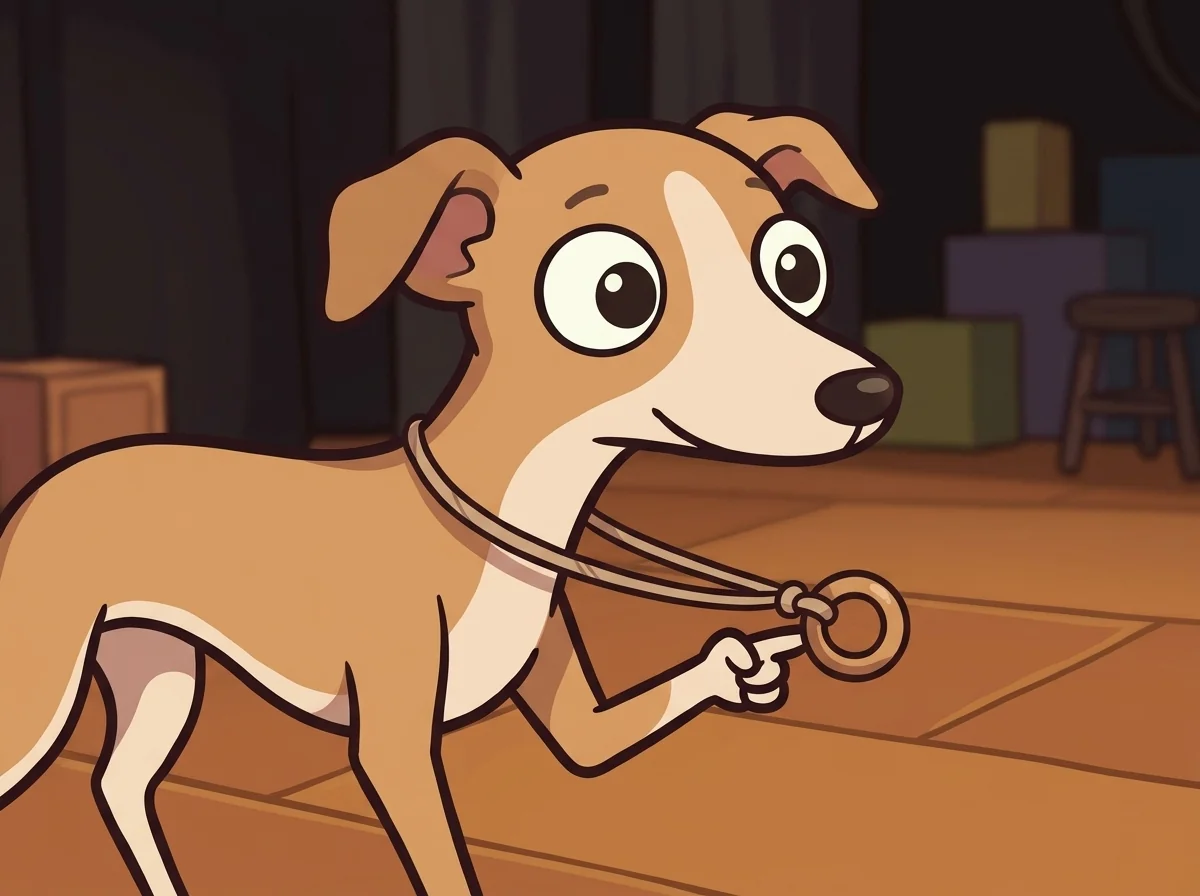
At twelve, Yearn leaned her way to StageForge, cord and ring around her neck. Curtain met her at the door and asked.
"What is the objective?"
Yearn hooked a finger through her ring and, without meaning to, tilted toward the question. "It's what a character wants in a scene," she said, "badly enough that it drives everything they say and do. It's the deep pull under the surface. Find it, aim your whole self at it, and the scene stops being lines in the air and starts to move. No want, no scene."
Curtain watched the whippet lean, already reaching. "You are appointed," Curtain said.
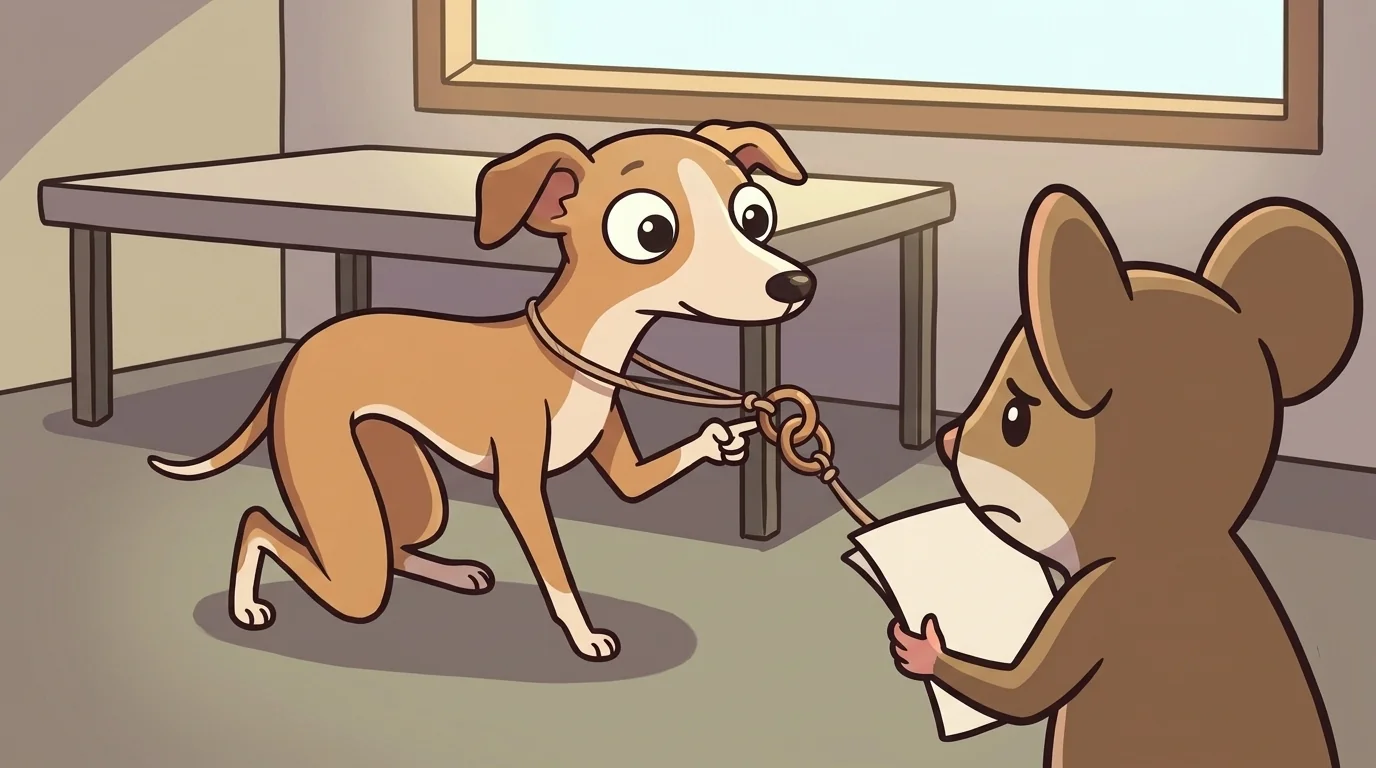
Yearn's workshop had a single long window at one end, so there was always somewhere to lean toward. On her table lay the cord and ring, and today the fieldmouse-tween Sumi was there again, script drooping, looking miserable.
"My scene is dead," Sumi said. "I know all my lines. I say them right. And it's just... flat. Curtain said it has no engine and I don't even know what that means. And now I'm scared to do it at all because I know it's going to be boring and everyone will watch it be boring."
"Let's find the engine, and I promise the scared part gets smaller too," Yearn said, crouching beside her. "In this scene — what does your character want from the other one? Not what happens. What does she want?"
Sumi frowned at the script. "She's... asking her friend to come back?"
"Wants her friend to come back," Yearn said, sitting up. "How badly?"
"Really badly. It's the last chance. If the friend leaves, that's it."
"So she wants it desperately. Everything's riding on it." Yearn handed Sumi the cord and ring. "Now hook your finger through this, and every line — every single one — pull gently toward your friend, like the words are little tugs trying to reel her back. Don't act 'sad.' Just want her to stay, and let the lines be the ways you try." She stepped back. "Run it."
Sumi hooked the ring, fixed her eyes on the empty space where her scene-partner would be, and spoke — and this time the lines pulled. Every word leaned toward the friend, trying, reaching, refusing to let go. The scene wasn't flat anymore. It ached.
Sumi stopped, wide-eyed. "I didn't change the lines. It just... came alive."
"Because now there's a want under them," Yearn said. She gave the little mouse the rules, one tug at a time. Before every scene, ask one question: what does my character want here, right now, from the other person? Say it as an active verb — to win, to warn, to soften, to keep — not a feeling like "sad." Aim everything at the want; let the lines be the attempts to get it. And keep the want simple and strong; a clear small want beats a vague big one.
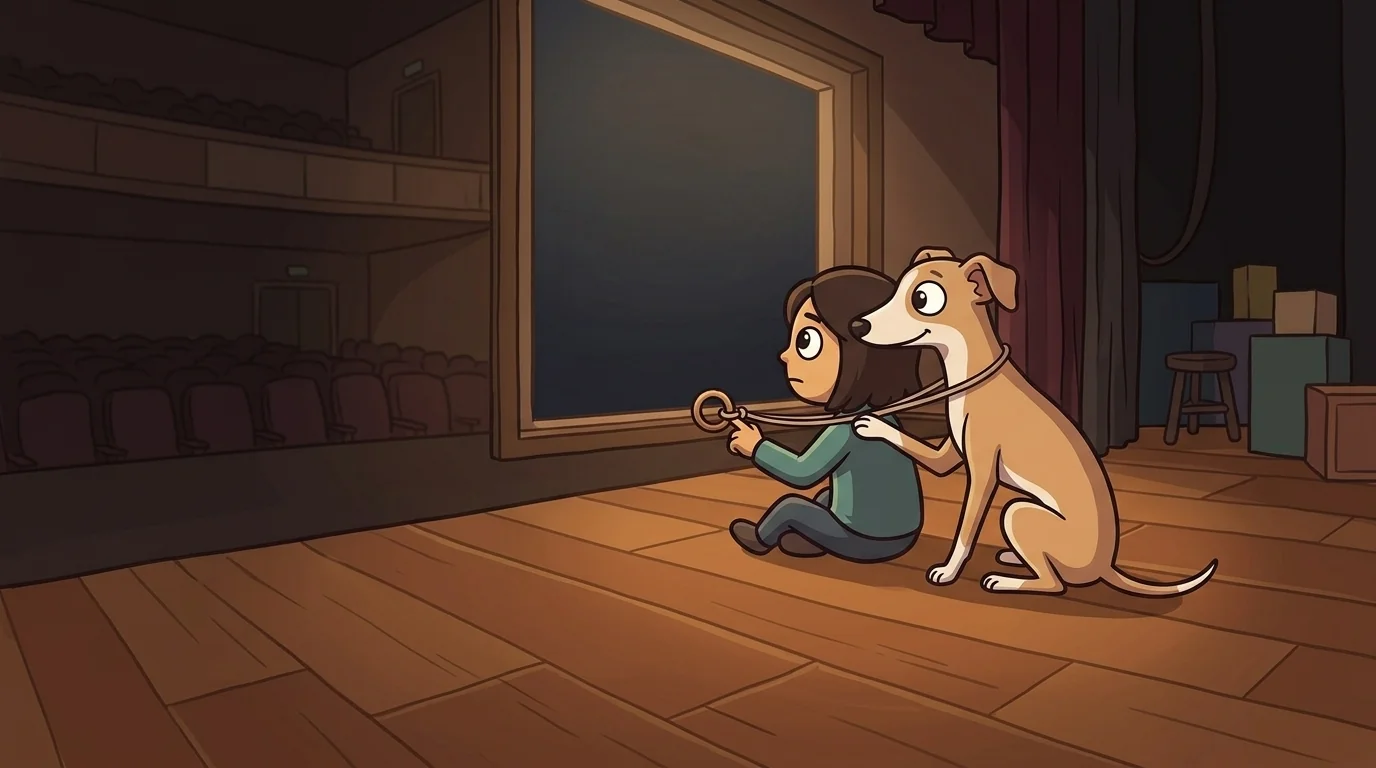
When the long window darkened, Sumi stayed, hooking and unhooking the ring, feeling how it pulled.
"The dead feeling scared me almost as much as the stage did," she admitted. "Like I'd get up there and just be empty and everyone would see."
Yearn sat beside her, still faintly leaning. "Here's the part nobody tells you: the want is also your anchor when the nerves hit. When you get up there and your mind goes white and you can't remember what comes next — you can always remember what your character wants. That never leaves. Hold the want, keep reaching for it, and your body knows what to do even while your head is panicking." She smiled. "I forget lines too. Everyone does. But I never lose the pull. The pull carries me until the words come back."
Sumi held the ring, fixed her eyes on the empty space, and felt the flat, scared emptiness fill with something warm and directed — the steadying relief of finally having somewhere to aim.
"Find the want. Aim your whole self at it," Yearn said quietly, leaning toward the dark window. "Isn't it a good feeling, having something to reach for?"
The StageForge ensemble
Yearn is part of StageForge's distributed-narrative cast. Each character embodies a different curricular primitive; together they teach the full subject.
-
Face
Acting — character work through voice, body, and emotional life
-

Pen
Playwriting — turning ideas into scripts with character, conflict, structure
-

Block
Blocking — directing actors through stage geography
-
Rig
Stagecraft — the technical-theater craft that makes the visible-stage possible
-

Riff
Improvisation — the live-performance craft of Yes, and...
-
Rafter
Projection — making your voice reach the back row without shouting, by supporting it with breath so even a quiet line lands in the last seat
-
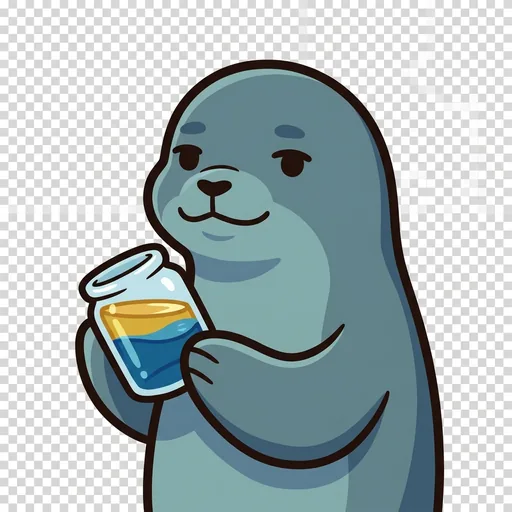
Undertow
Subtext — the real meaning running under the spoken line; what a character truly means beneath the words they actually say
-
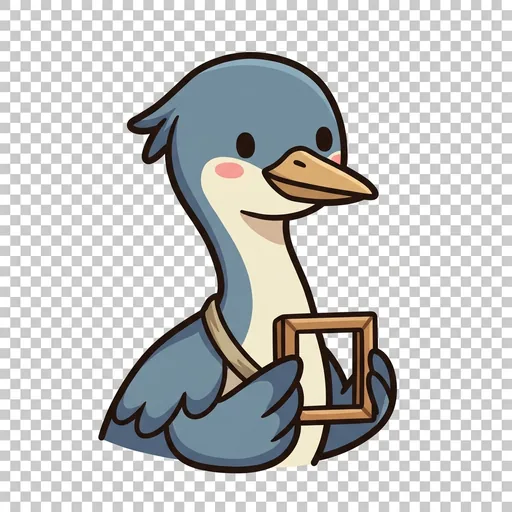
Freeze
Tableau — a frozen stage picture the whole cast holds so the audience can read the moment like a painting
-
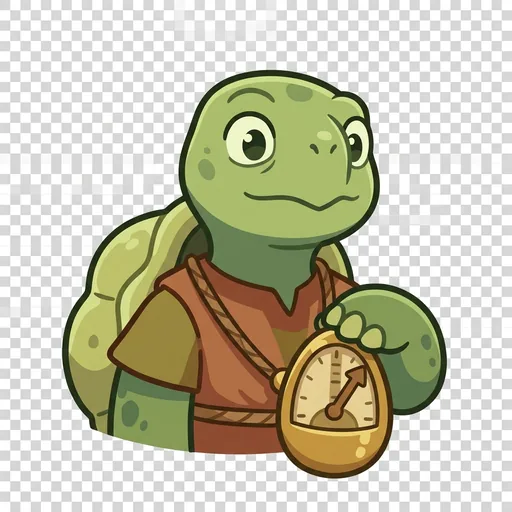
Hitch
Pacing and timing — the rhythm of a scene and the deliberate pause that makes a line land, the held beat before the joke or the truth
-
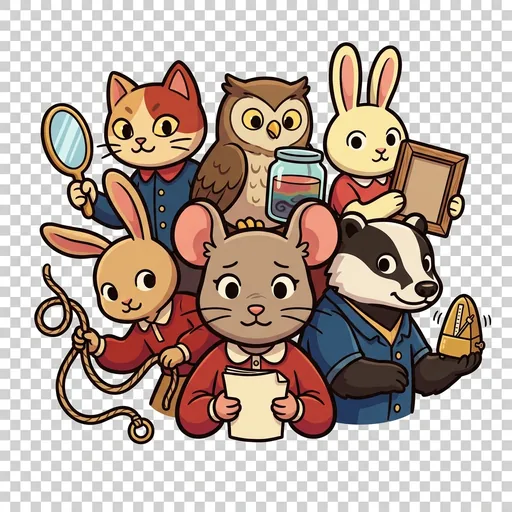
Opening Night
The whole company on stage together — how acting, objective, subtext, tableau, and timing combine so one live scene truly comes alive