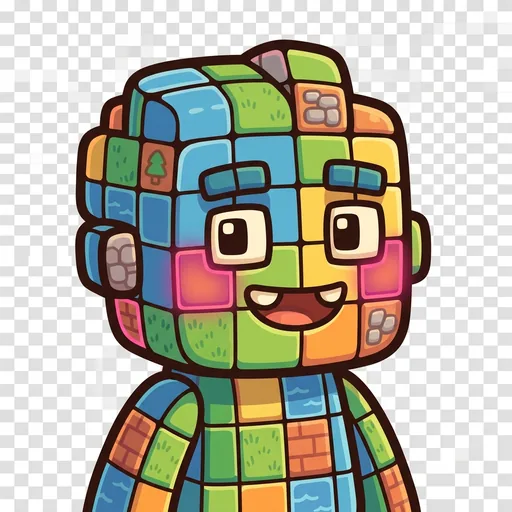
Ada, Onlie and Umbra

ONE RULE HIDDEN IN THE GRID — every logic grid can be cracked by pure reasoning: Ada finds the single rule the puzzle hides and hunts for the forced move, Onlie uses uniqueness (each symbol appears exactly once per row, column, and region) to pin answers down, and Umbra eliminates — shading out what cannot be until only the truth is left
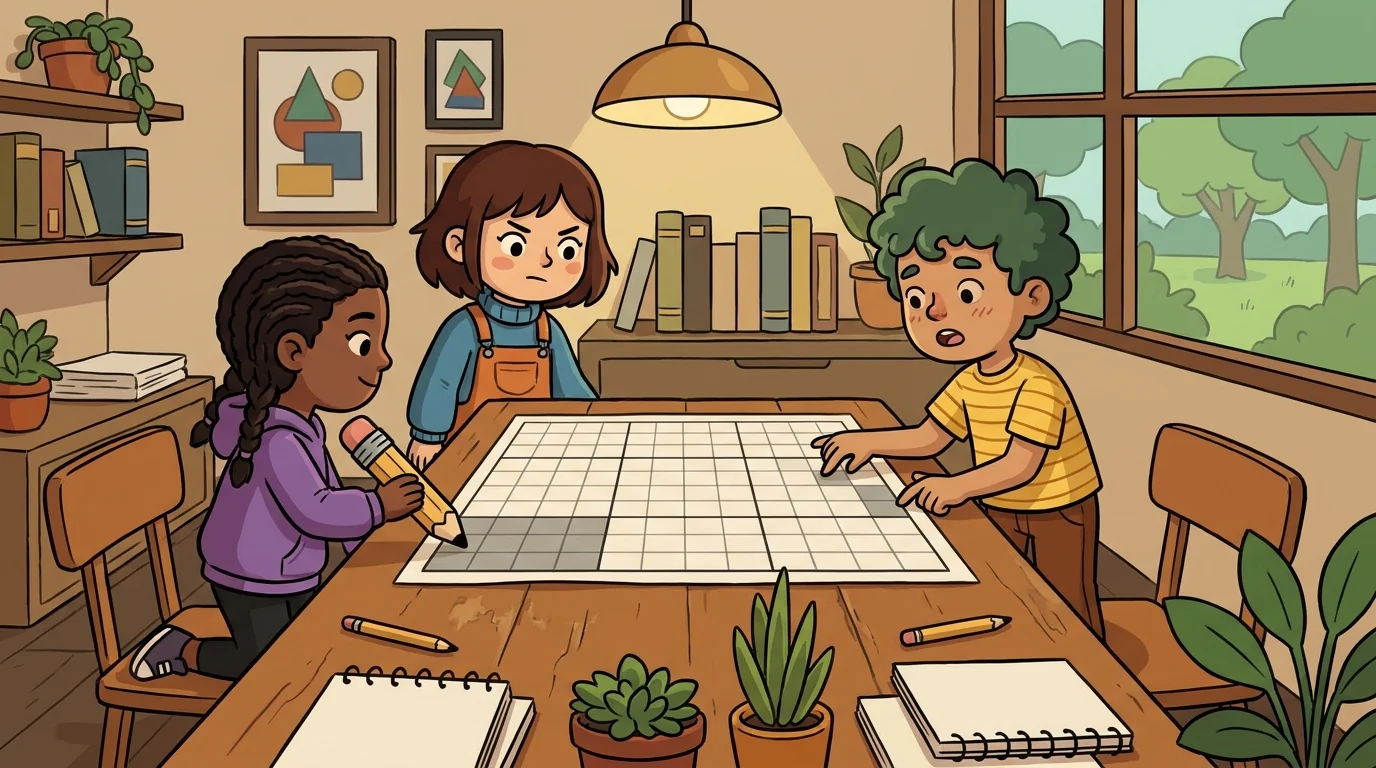
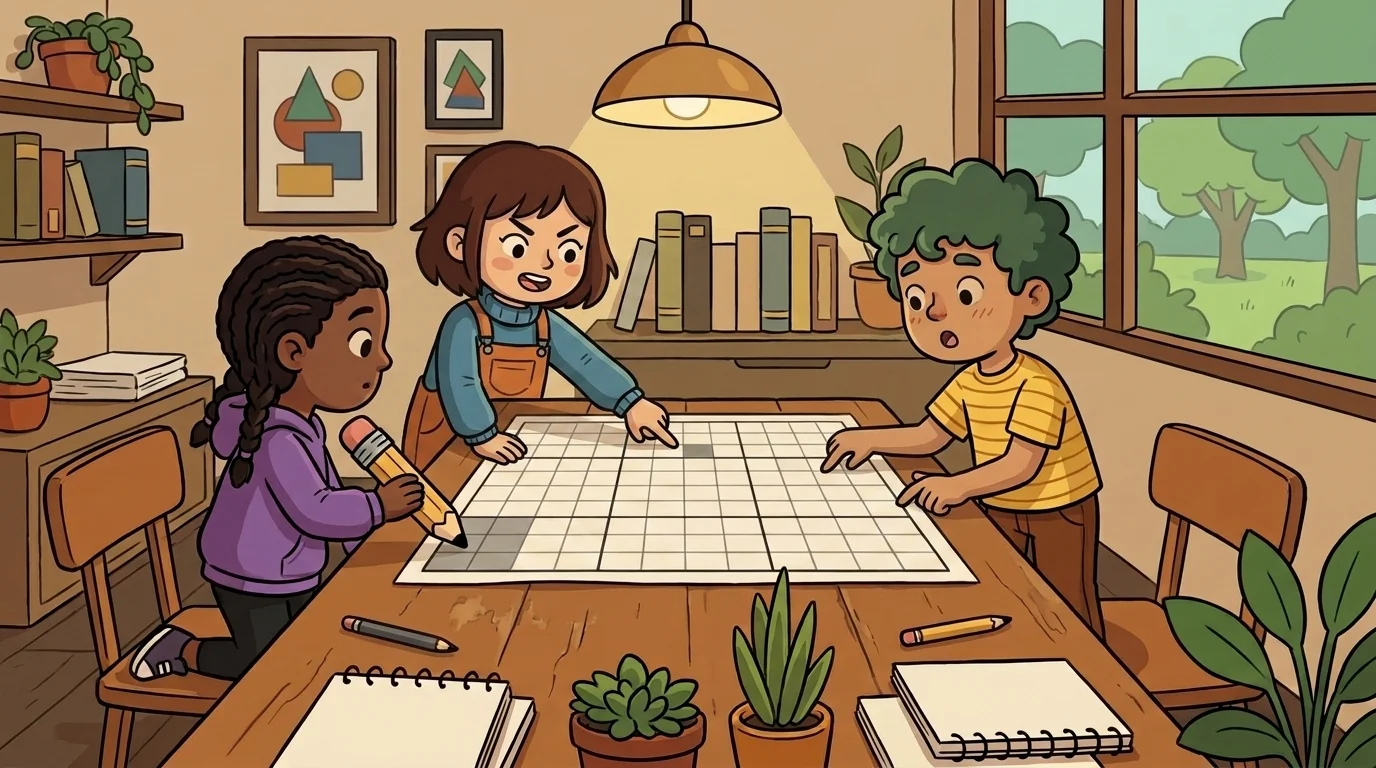
A story read by Ada, Onlie and Umbra

Loading audio…

Press play to listen along. The line being read lights up as you go.

Show full transcript

Loading transcript…

01 Opening
Ada, Onlie and Umbra beat 1 of 5

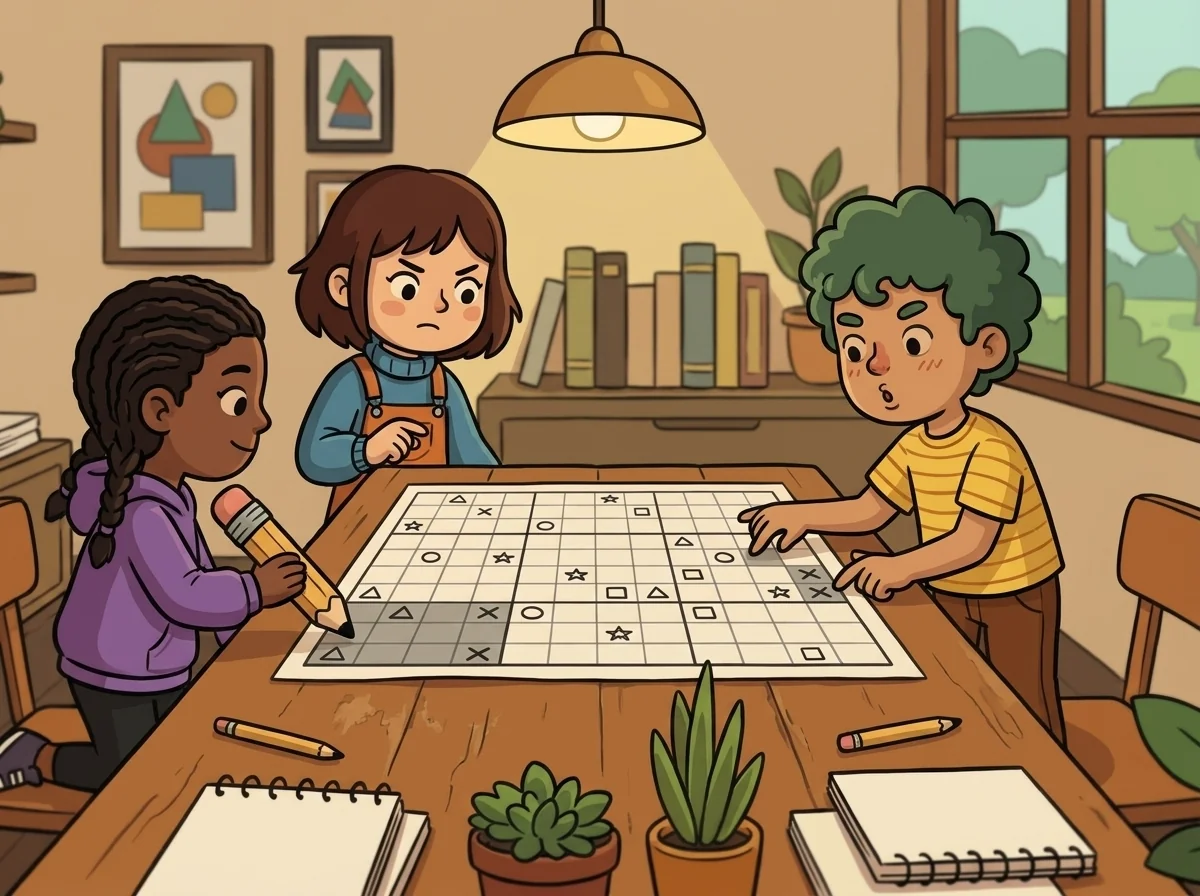
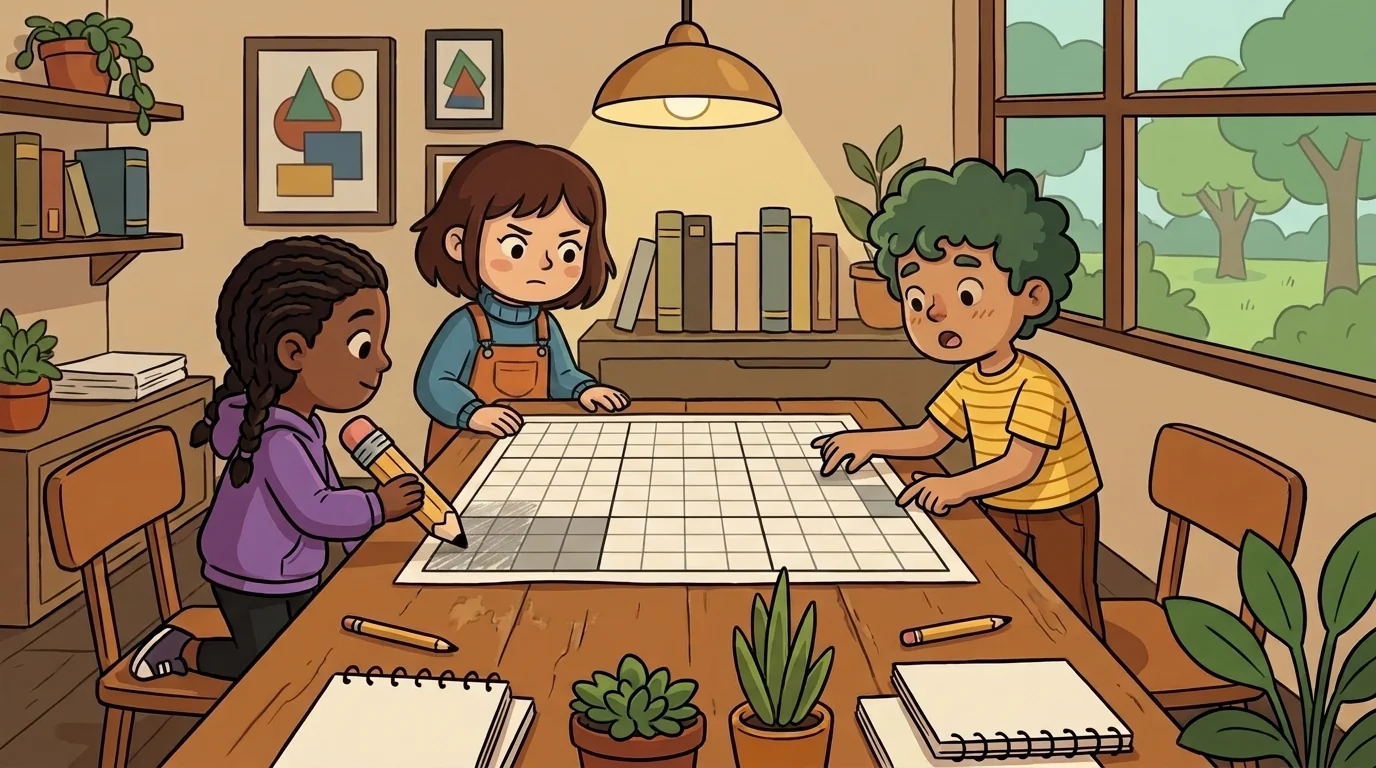
A fresh puzzle-grid sat on the table, blank and quiet and a little smug — the kind of logic grid that beginners stare at, panic, and start filling in with wild guesses. Three friends approached it differently. They approached it knowing it could be cracked by pure thinking, with no guessing at all.

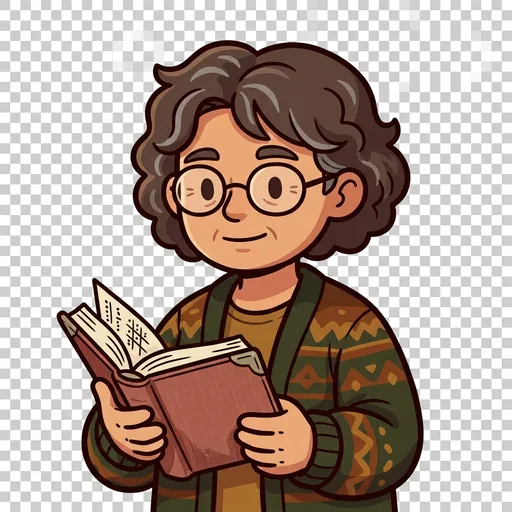
Ada studied the whole grid first, looking for the rule underneath it.

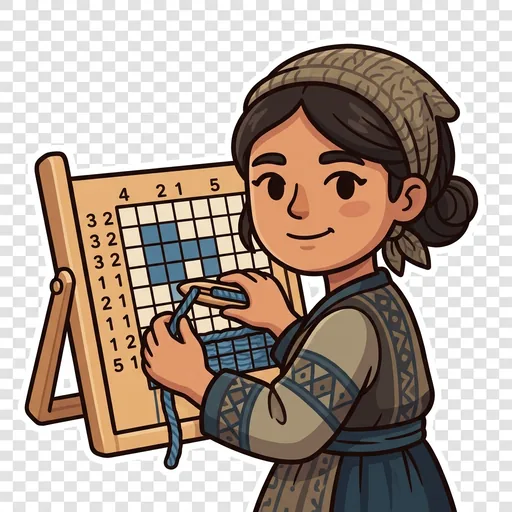
Onlie watched the rows and columns, murmuring "only once, only once."

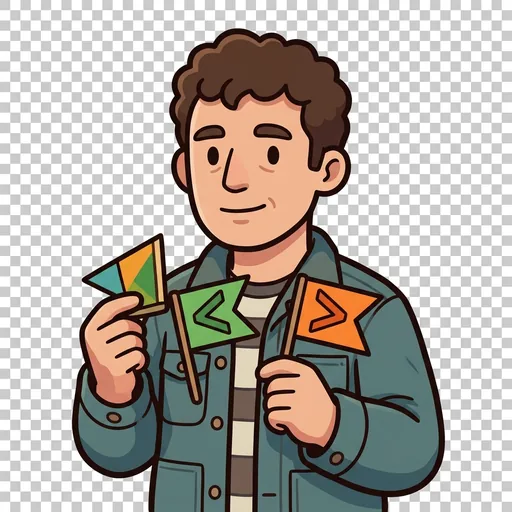
And Umbra held a soft pencil, ready to shade out everything that couldn't be true.

"The first mistake everyone makes," said Ada, "is guessing. Filling in a square just to see. Don't. A good grid never needs a guess — every answer is forced, if you look right. Let me show you where to look."

02 Ada, Onlie and Umbra
Ada, Onlie and Umbra beat 2 of 5

Ada went first, studying the whole grid — because before you fill in anything, you find the one rule the puzzle hides, and hunt for the move that must be true.

"Every logic grid is built on a rule," said Ada, "and the rule is the key to everything. Here the rule is: every row, every column, every region gets each symbol exactly once. Simple. But watch what it forces." Ada scanned the grid, not writing, just seeing. "I'm not looking for a square I could maybe fill. I'm looking for one that can be filled only one way — a forced move. There — that cell. Every other symbol is already used in its row or its column, so only one symbol can possibly go there. It's not a guess. It's the only thing it can be." Ada placed it with total certainty. "That's the whole art: never guess, always find the forced move — the square where the rule leaves only one possibility. Find one, fill it, and it forces the next one. A grid isn't a gamble. It's a chain of things that each have to be true, if you're patient enough to see them."

03 Ada, Onlie and Umbra
Ada, Onlie and Umbra beat 3 of 5

Then Onlie leaned in on the rows and columns, whispering the puzzle's heartbeat: only once.

"Ada finds the rule; I apply it, everywhere, relentlessly," said Onlie. "Uniqueness. Each symbol exactly once in every row, every column, every region. And you'd be amazed how much that single idea forces, once you really hold onto it." Onlie ran a finger along a row. "This row already has four of its five symbols. So the last empty cell? It must be the fifth — the only one missing. No guessing. Forced." Onlie swept a column. "And this symbol already appears in three of the columns, so in the remaining columns it's squeezed into fewer and fewer places — until there's only one square left it can go. 'Only once' sounds almost too simple to be powerful. But it's the engine of the whole puzzle: every time you say 'this symbol is already here, so it can't be there,' you've eliminated a possibility — and enough eliminations leave exactly one truth standing."

04 Ada, Onlie and Umbra
Ada, Onlie and Umbra beat 4 of 5

And that was exactly where Umbra came in, soft pencil in hand — because the other half of pure deduction is shading out what cannot be until only the answer remains.

"Ada and Onlie work by finding what must be," said Umbra. "I work the other side: crossing out what can't be. Same logic, opposite direction." Umbra lightly shaded a cell. "This square can't hold a three — there's already a three in its column. Shade it out. It can't hold a five either — five's in its row. Shade that out too. And now look — I've eliminated every possibility for this square except one, and so, without ever guessing, that one is forced." Umbra shaded away the impossibilities across the grid, and answers kept appearing in the gaps, squeezed into being by everything they couldn't be. "It's like sculpting — I don't add the answer, I remove everything that isn't the answer, and the truth is just... what's left standing when all the impossible has been shaded away. Cross out enough wrong, and the right has nowhere to hide."

05 Closing
Ada, Onlie and Umbra beat 5 of 5

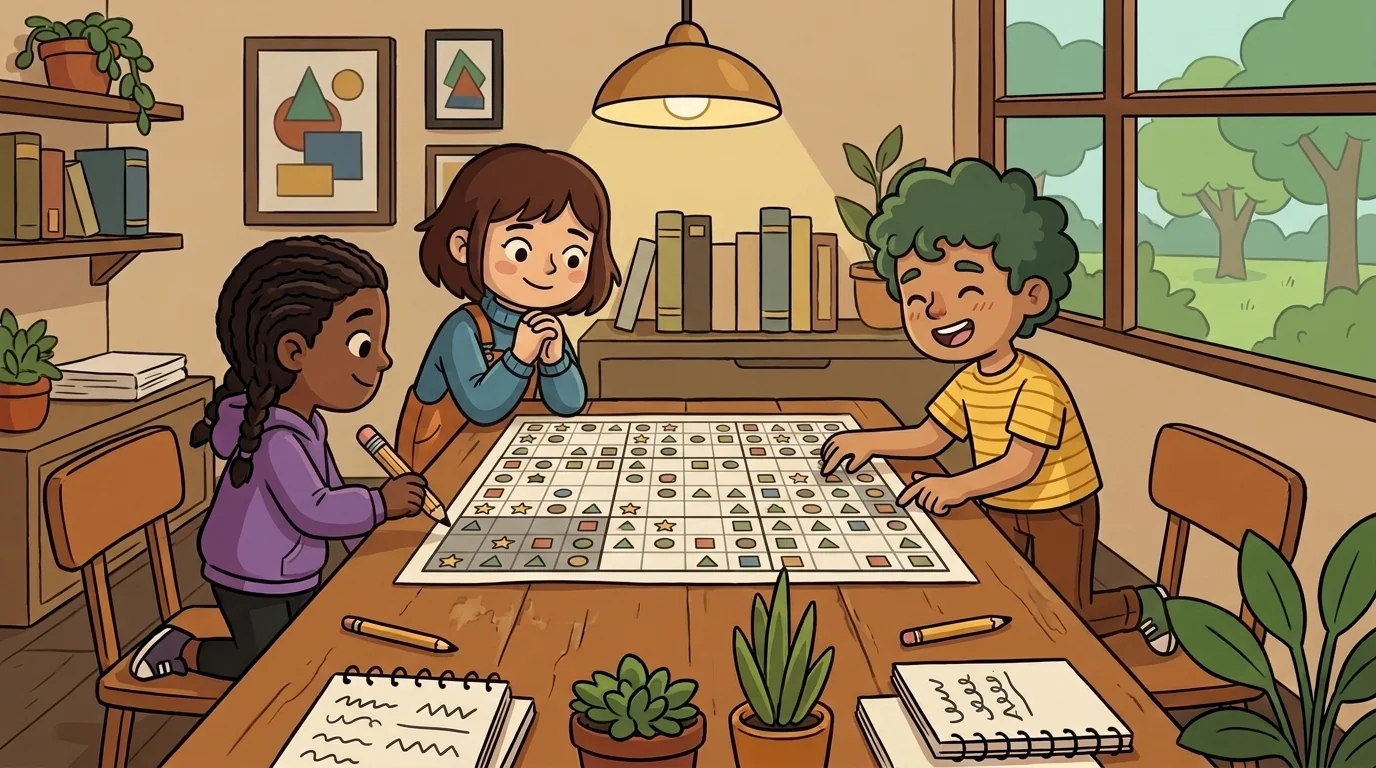
And the grid — smug and blank a little while ago — fell completely, cell by certain cell. Ada finding the forced moves, Onlie applying uniqueness, Umbra shading out the impossible, until every square was filled and not one had been a guess.

"Good forcing," said Onlie.

"Good uniqueness," said Umbra.

"Good elimination," said Ada.

There is a clean, deeply satisfying quiet that settles over you when you solve something by pure reasoning — no luck, no guessing, no filling-in-and-hoping, just a chain of steps that each simply had to be true. It's a different feeling from winning by chance; it's the calm certainty of having known, of having reasoned your way to something that could not have been otherwise. And once you've felt it — that no-guessing, no-doubt, everything-forced satisfaction of a grid cracked by logic alone — you start to trust your own reasoning a little more, and to reach, in all sorts of puzzles, not for a lucky guess, but for the patient, certain, forced-move truth hiding quietly in the grid.

The LatticeForge ensemble

Ada, Onlie and Umbra is part of LatticeForge's distributed-narrative cast. Each character embodies a different curricular primitive; together they teach the full subject.

Kids also liked