Pica and Serra
COUNT AND SEE — some grids hand you their clues around the edges: Pica reads run-length numbers beside each line to work out exactly which cells are filled, and Serra reads a visibility number at the edge to deduce the heights inside — both cracking the interior purely from what's written on the border
A story read by Pica and Serra
Loading audio…
Press play to listen along. The line being read lights up as you go.
Show full transcript
Loading transcript…
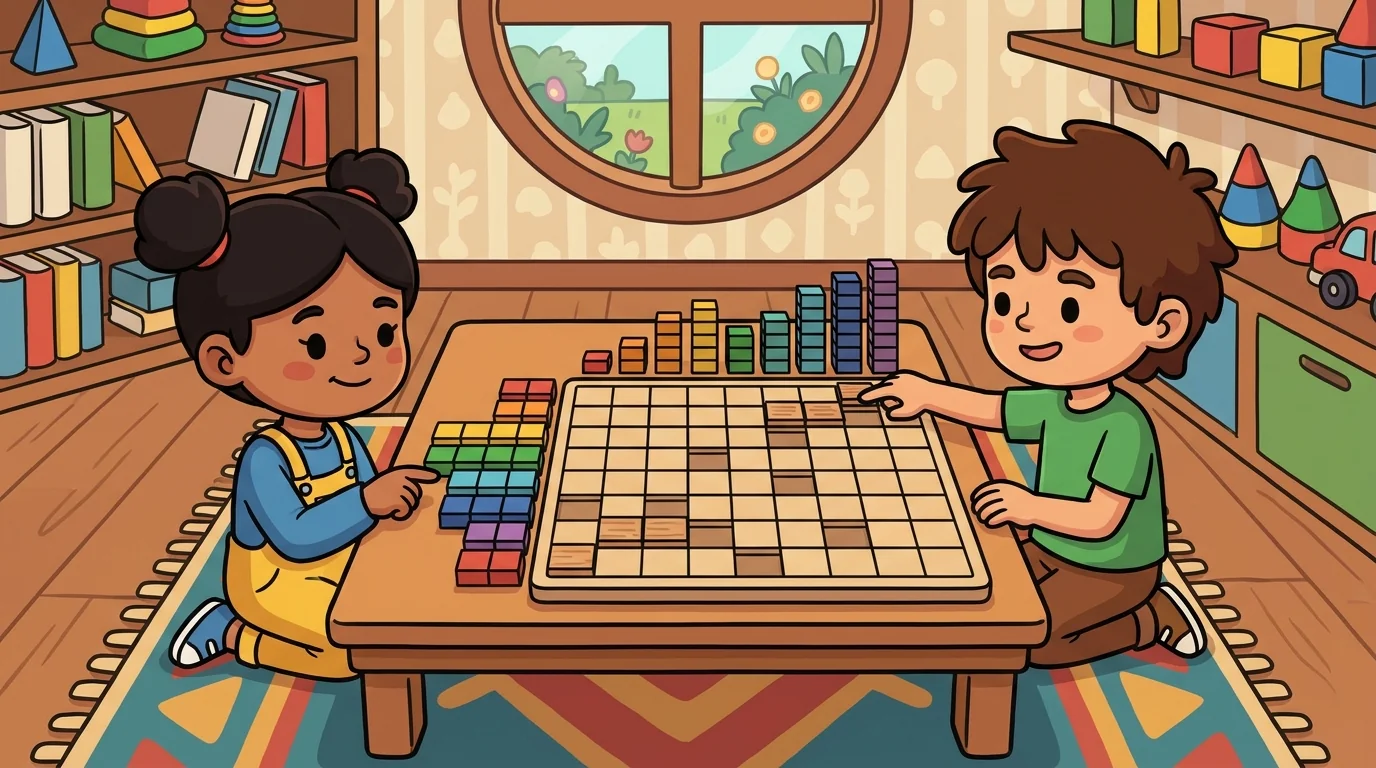
Two friends sat with a different kind of grid — one where the puzzle didn't put its clues inside the squares, but wrote them all around the edges, in little numbers along the borders. And the whole art was reading those edge-numbers to figure out what must be true in the empty middle.
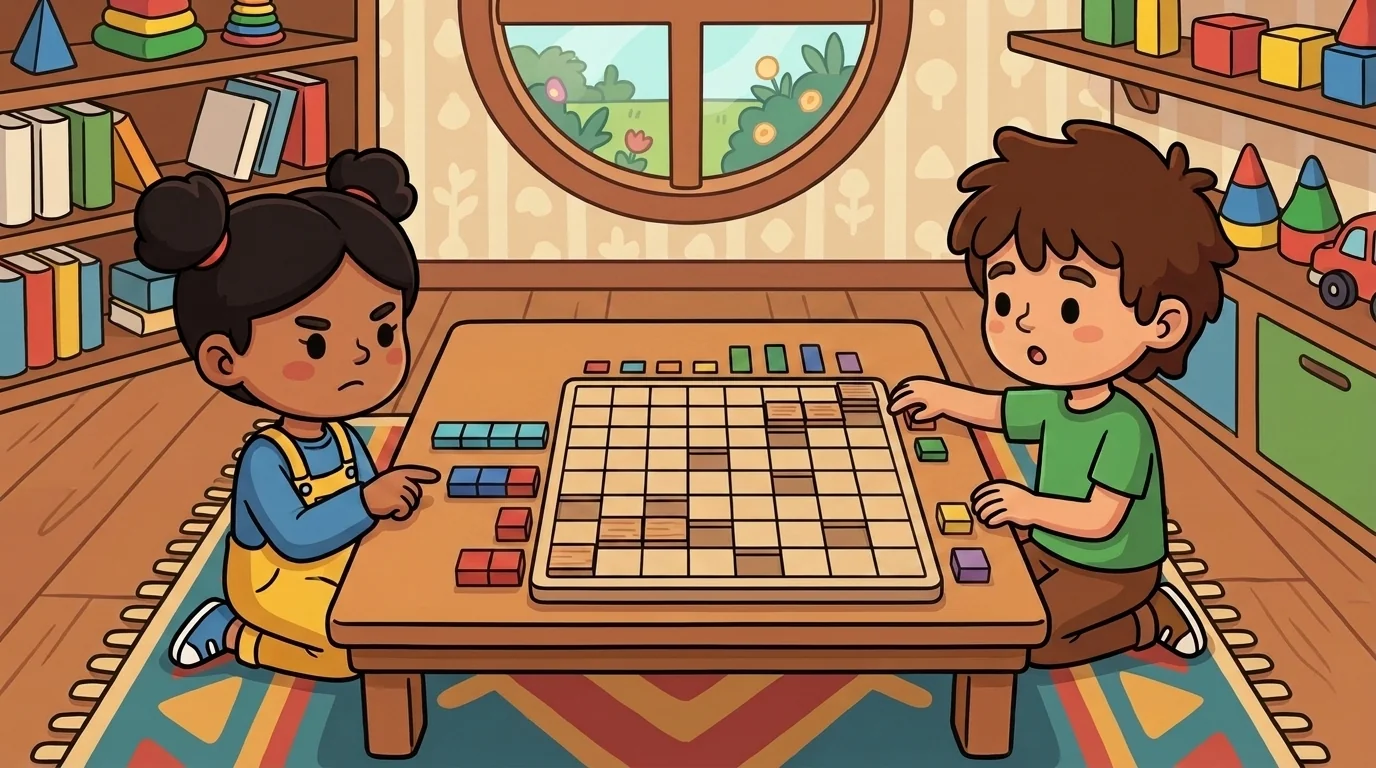
Pica studied the run-length numbers written beside each row and column.
Serra studied the visibility numbers perched at the ends of the lines.
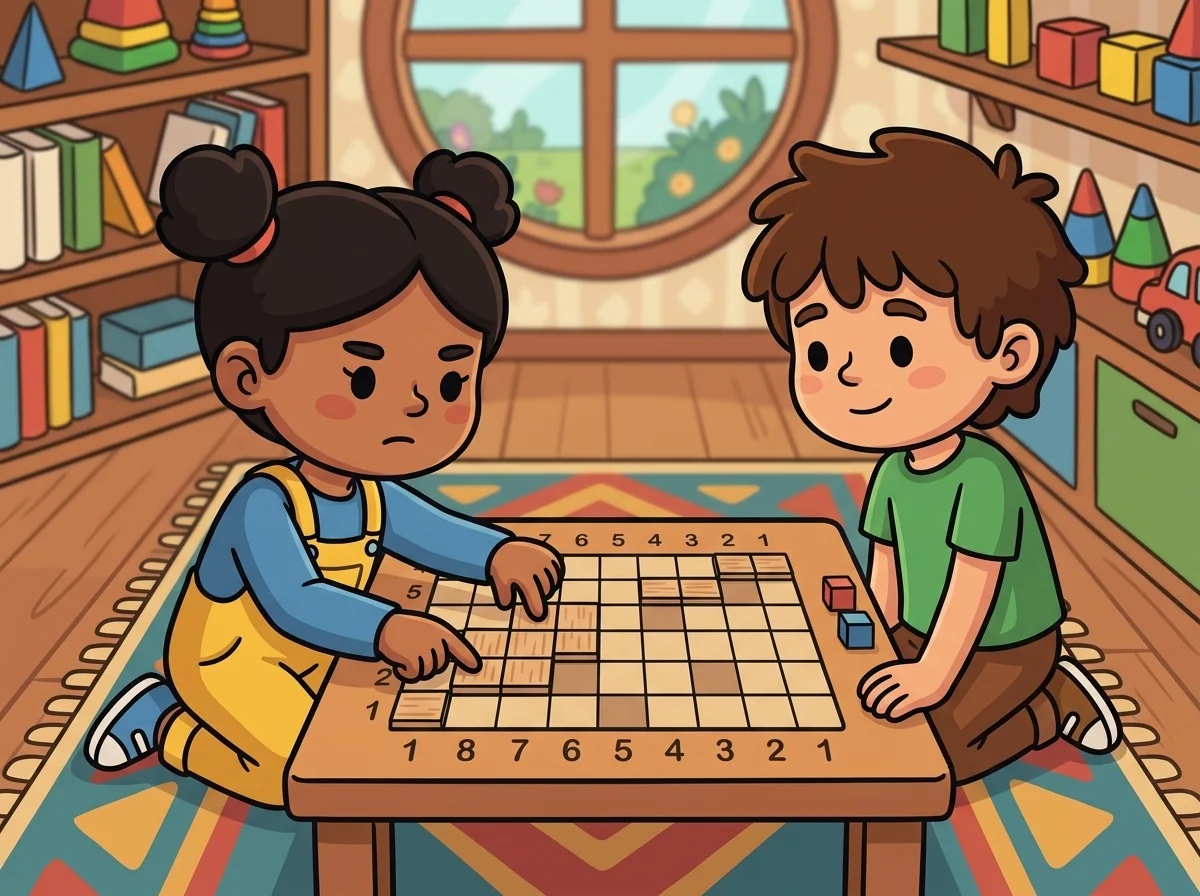
"Beginners see a blank grid with just some numbers around the edge and freeze," said Pica. "'How can I fill the middle when the clues are all on the outside?' But that's the beauty of it. The border tells you the inside — if you know how to read it. Watch."
Pica went first, reading the run-length numbers beside a line — because those little border-numbers describe exactly which cells get filled, if you reason them out.
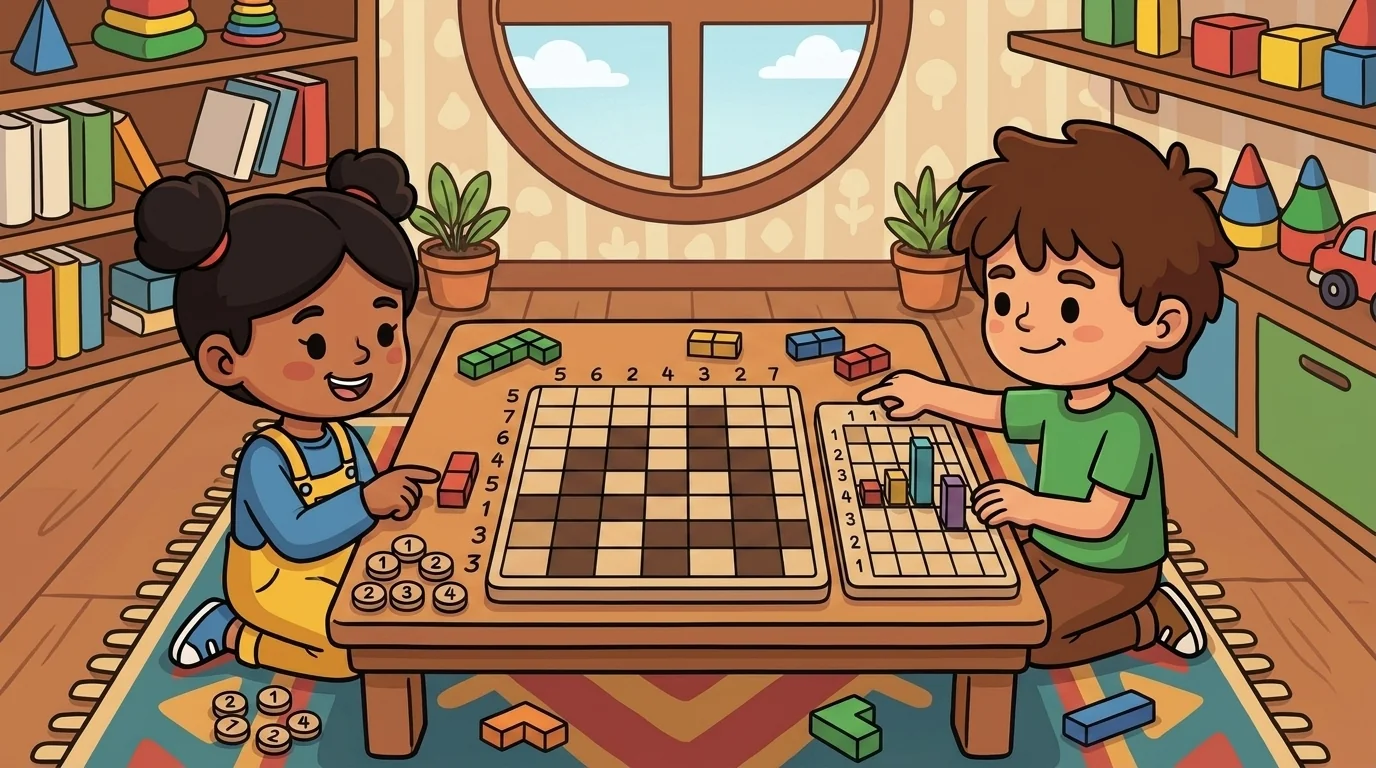
"Here's a row, ten cells wide, blank," said Pica. "And beside it, the clue: 7. That means somewhere in this row is a single unbroken run of seven filled cells." Pica studied it. "Now — seven filled cells in a row of ten. Where can't they NOT be? Watch this." Pica reasoned it out. "If the run is squeezed all the way left, it fills cells one through seven. All the way right, cells four through ten. And any way you slide it, cells four through seven get filled in every single case. So without knowing exactly where the run sits, I know for certain those four middle cells are filled." Pica shaded them in, certain. "That's run-length reasoning — the numbers on the edge, plus the size of the line, force the overlap in the middle. Bigger clues in tighter spaces force even more. Little by little, edge-number by edge-number, a hidden picture emerges from the border — and often, when you've filled enough, you realize the numbers were secretly drawing a picture the whole time."
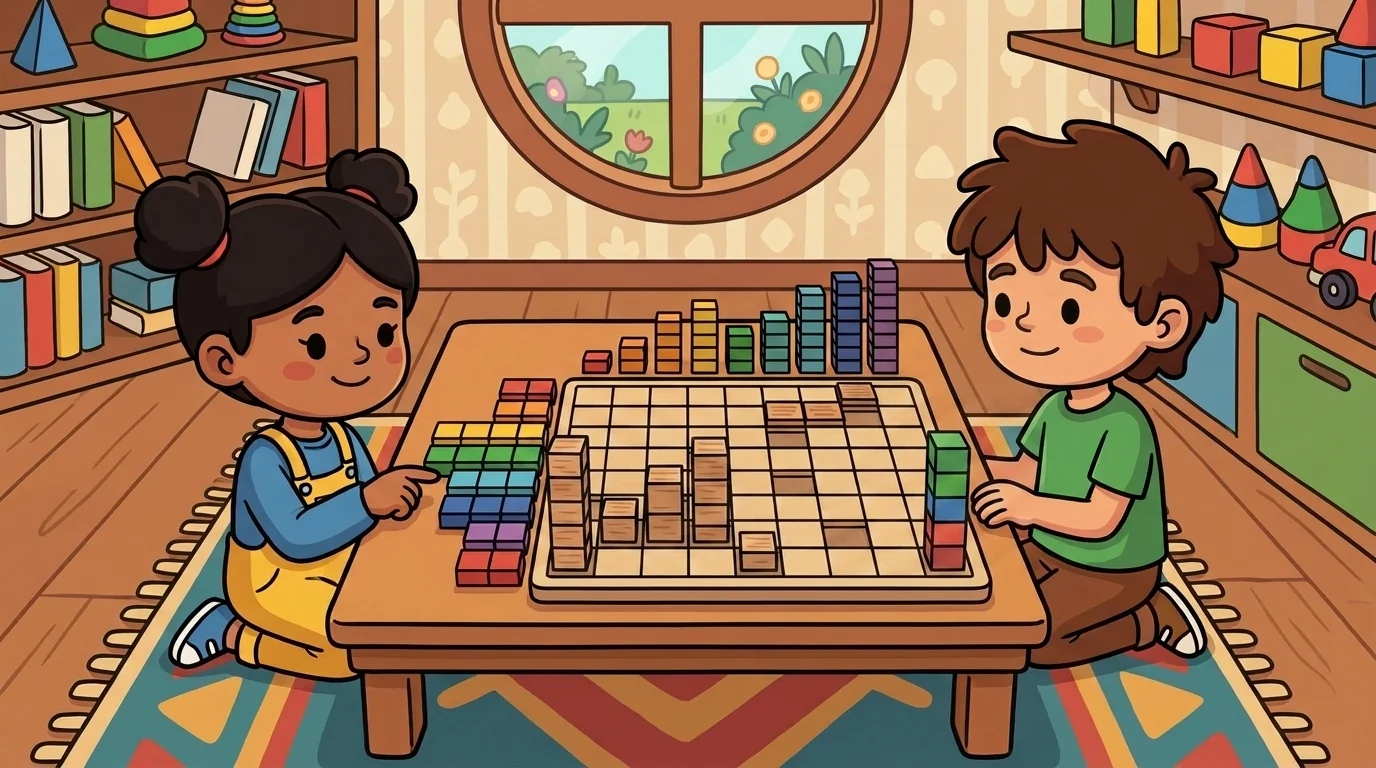
Then Serra tilted her head to read a visibility number at the end of a line — because a single number, counting what can be seen, pins down the heights inside.
"My clues are even sneakier," said Serra. "Imagine each cell in this line holds a tower, of some height one through five, all different. And my clue, sitting at the end of the line, is a number: how many towers you can see looking down the line from that end — where a taller tower hides all the shorter ones behind it." Serra pointed to a clue reading 1. "A one? That means from this end, you can see only one tower. And that's only possible if the very first tower is the tallest — the five — because it hides everything behind it. So that cell is forced: it must be the five." Serra placed it, certain. Then a clue reading 5 at another end. "And a five means you can see all of them — which only happens if they climb up in perfect order, shortest to tallest: one, two, three, four, five. Forced, the entire line, from a single number." Serra smiled. "One little visibility clue on the edge, and I've deduced heights I never directly saw. The border counts what's visible; I reason back to what must be standing there."
And between the two of them — Pica reading the run-lengths, Serra reading the sightlines — the whole grid filled in from its edges inward, a hidden interior conjured entirely out of the numbers written around its border. Not one guess. Just careful reading of the clues that had been sitting in plain sight the whole time.
"Good runs," said Serra.
"Good sightlines," said Pica.
There is a small thrill of revelation in these edge-clue puzzles — the moment you realize that the answer was never really hidden at all, just encoded, written plainly around the border in numbers you didn't yet know how to read. And then you learn to read them, and the empty middle fills itself with certainties, and a picture or a pattern rises up out of what looked like nothing. It's the particular joy of decoding — of discovering that clues you'd walked right past were quietly telling you the whole answer all along, waiting only for you to learn their language. And once you can read them, you feel it: that satisfying click of the hidden becoming plain.
The LatticeForge ensemble
Pica and Serra is part of LatticeForge's distributed-narrative cast. Each character embodies a different curricular primitive; together they teach the full subject.
-

Onlie
Sudoku — Latin-square uniqueness: sets her lantern on the only place a number can go in its row, column, and box
-
Cage
KenKen — arithmetic-cage: fills a fenced region so its numbers hit the plaque's target under its operation
-
Kaku
Kakuro — cross-sum: fills a run so it sums to its clue with no digit repeated; the total names its parts
-
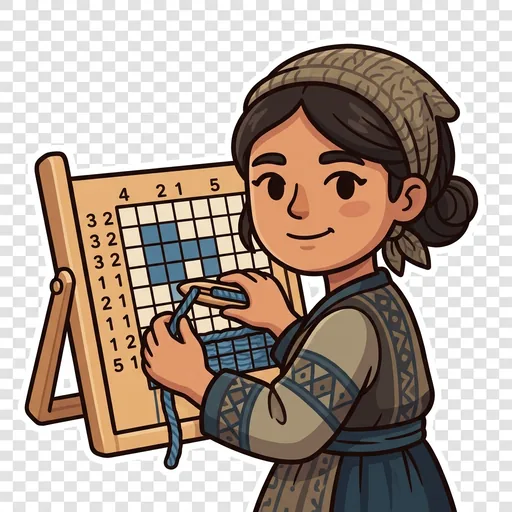
Pica
Nonogram/Picross — run-length deduction: reads the edge numbers and fills the overlap that must be filled
-
Chevron
Futoshiki — inequality/ordering: obeys the < / > flags between neighbours to force the numbers into order
-
Umbra
Hitori — elimination + connectivity: shades out duplicates so none touch and the rest stays whole
-
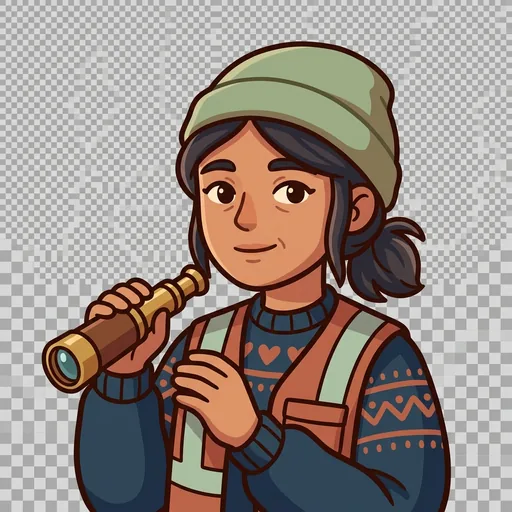
Serra
Skyscrapers — visibility count: places towers so each edge clue counts how many can be seen, taller hiding shorter
-

Lasso
Slitherlink — single-loop edge deduction: draws one closed loop so each number uses exactly that many edges
-
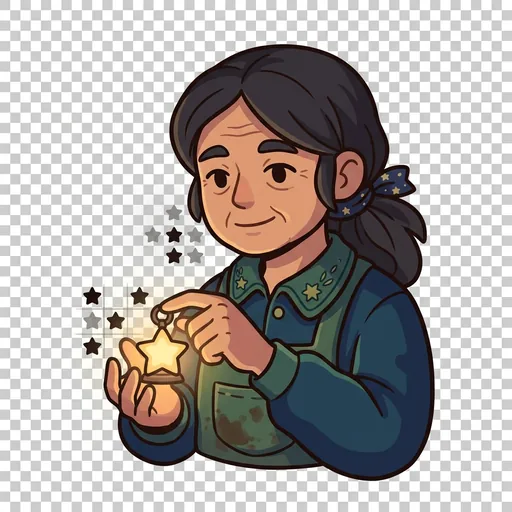
Vega
Star Battle — partition + non-adjacency: places the stars so each row, column, and region holds its quota and none touch
-

Ada
Mentor host — keeps the puzzle guild; teaches 'every grid hides one rule — find the forced cell, never guess'