
The No-Guess Three
three deduction-only families — inequality ordering / elimination-with-connectivity / single-loop edge deduction, each proving the next cell is forced
A story read by The No-Guess Three
Press play to listen along. The line being read lights up as you go.
Show full transcript
Loading transcript…
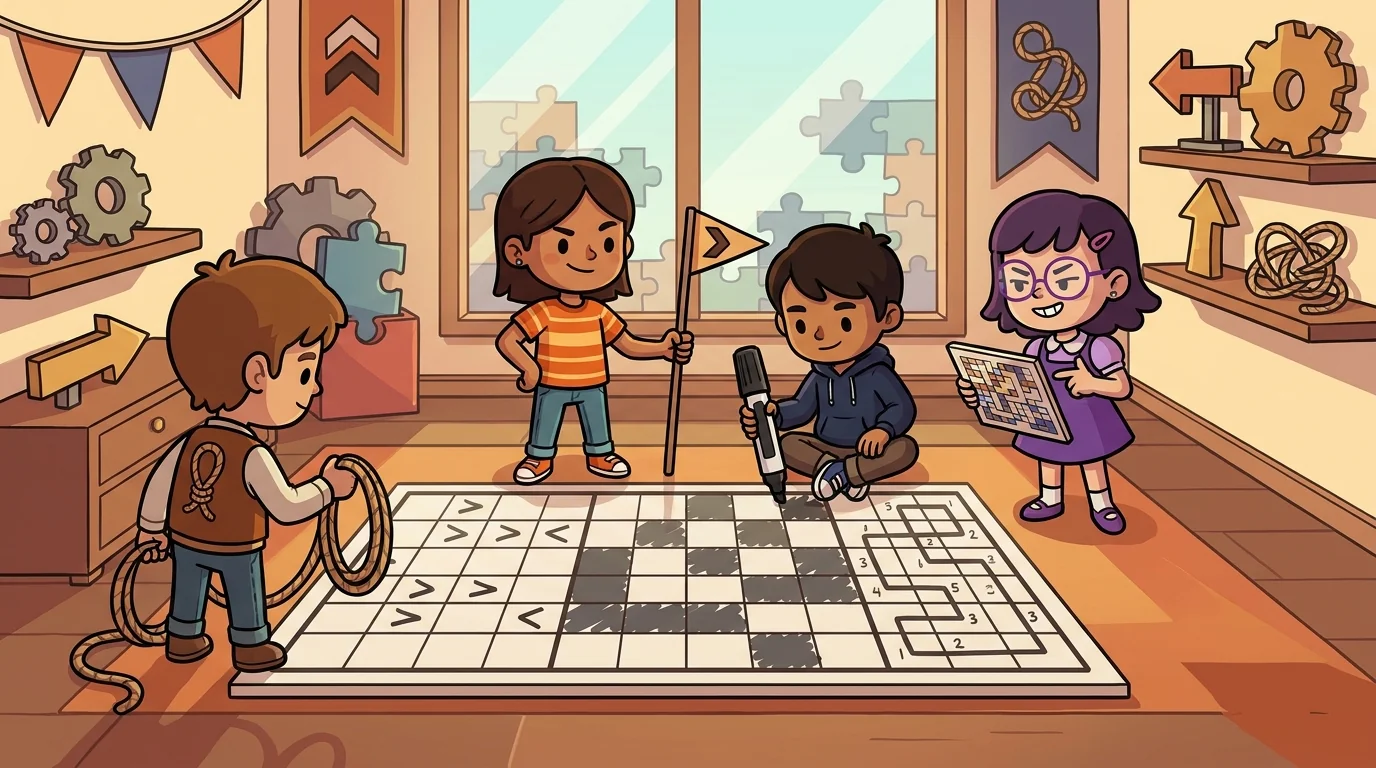
Chevron, Umbra, and Lasso had a motto, and it was also a dare: deduce it, never guess it. Their three puzzles looked nothing alike — Chevron's arrows, Umbra's shadows, Lasso's loop — but they shared a stubborn faith: there is always a next cell that is forced, if you're patient enough to find it. A guess, to the three of them, was an admission of impatience, not a strategy.
Ada, who liked to test that faith, handed them a fiendish combined grid — inequalities down one side, a Hitori-shading region in the middle, a Slitherlink border to close — and said, sweetly, "You could just guess a few cells to get started."
"We could," Chevron said, planting a chevron flag. "We won't."
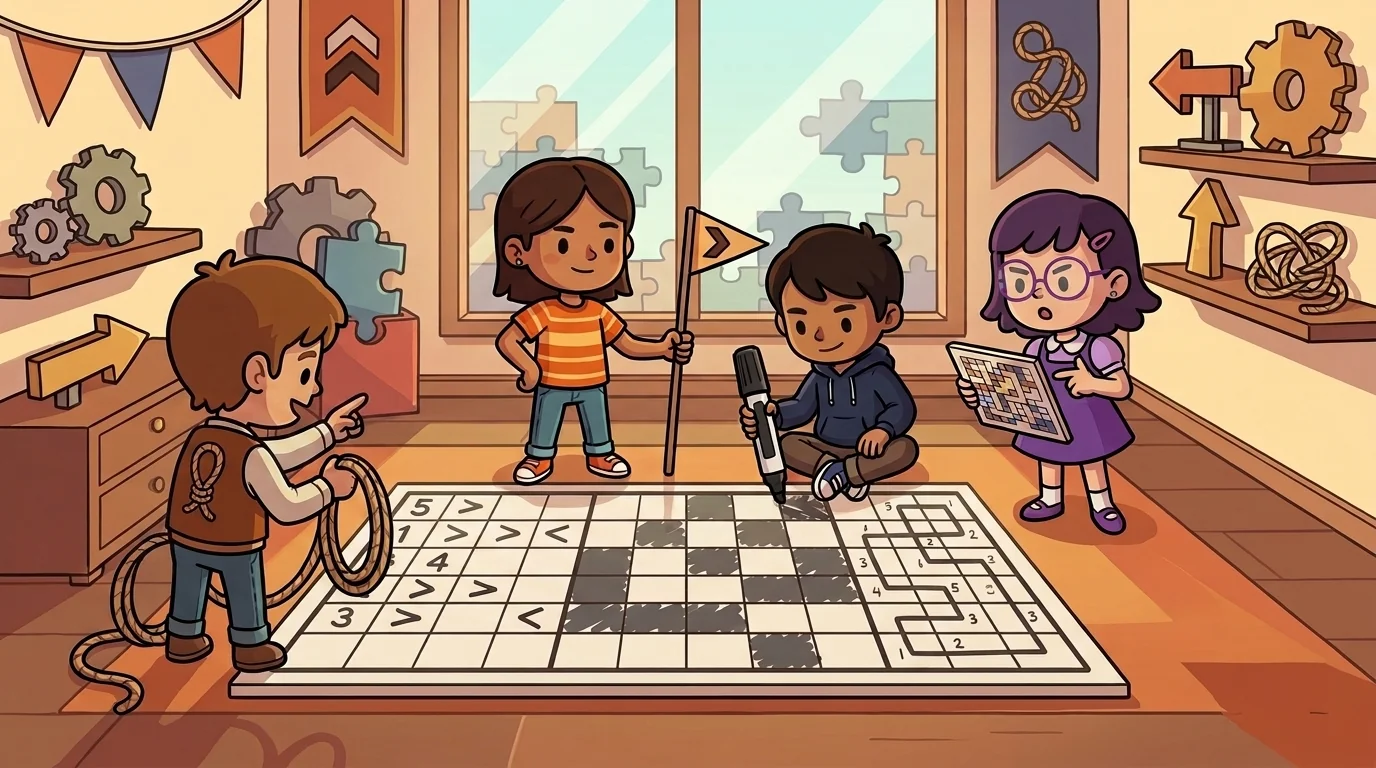
Chevron opened, because relations are free information. He didn't touch a single value — he read the arrows. A chain of three greater-thans ran down the left edge. "The top of that chain beats everything below it," he said. "In a five-line, the top cell is a five. No guess — the arrows forbid anything smaller." He placed it, and the chain cascaded: the second cell couldn't be more than four, the third no more than three. Three cells ordered, zero guesses, from arrows alone. "That five sits in the row Umbra's about to shade," he added. "Over to you."
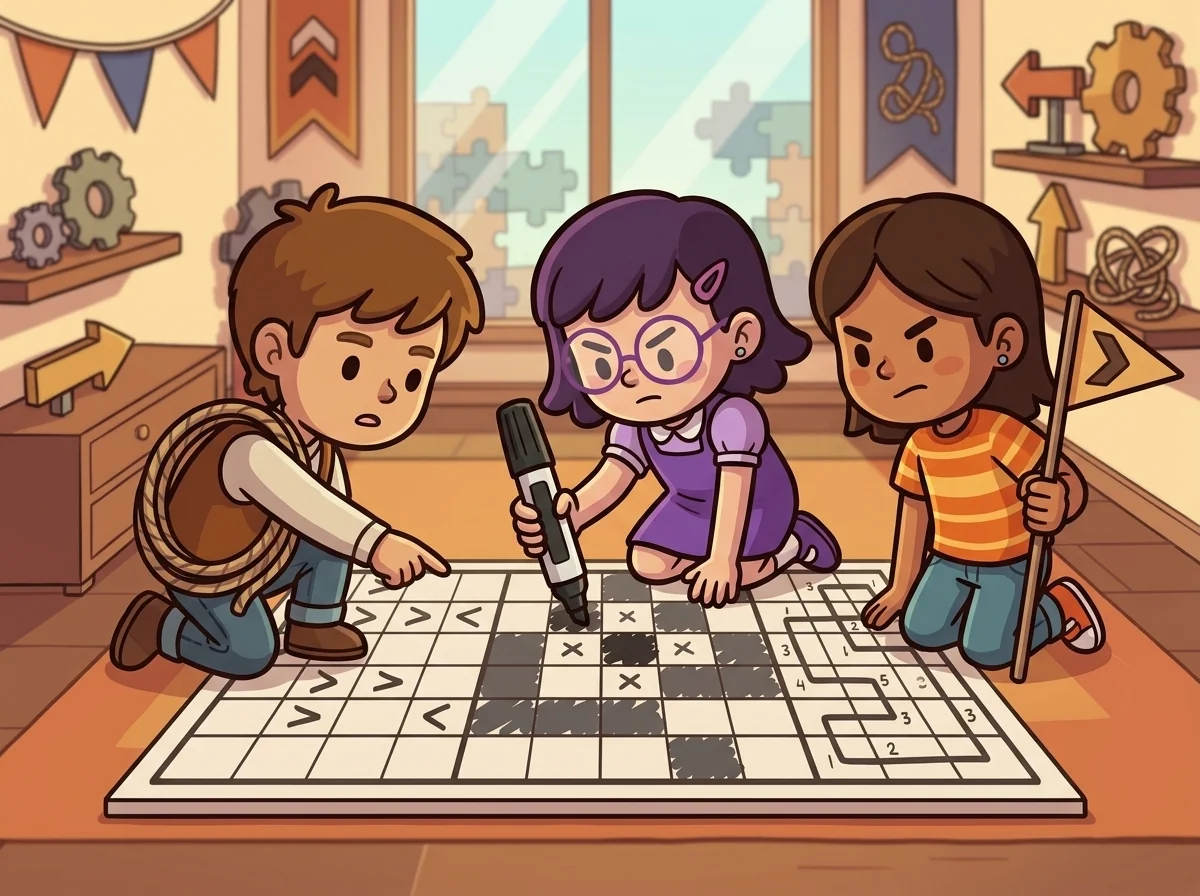
Umbra took the shading region, now anchored by Chevron's forced five. A number repeated twice in that row — but one copy sat in the cell Chevron had just fixed. "I can't shade a fixed value out of existence carelessly," she said, "but I can use it: the duplicate that keeps my shadows from touching is the one to darken, and shading the other would strand this corner in the dark." She darkened one cell, marked its four neighbours safe, and traced the lit path corner to corner — unbroken. "Take away exactly enough, keep the rest whole. And those safe neighbours I just marked? They border Lasso's loop."
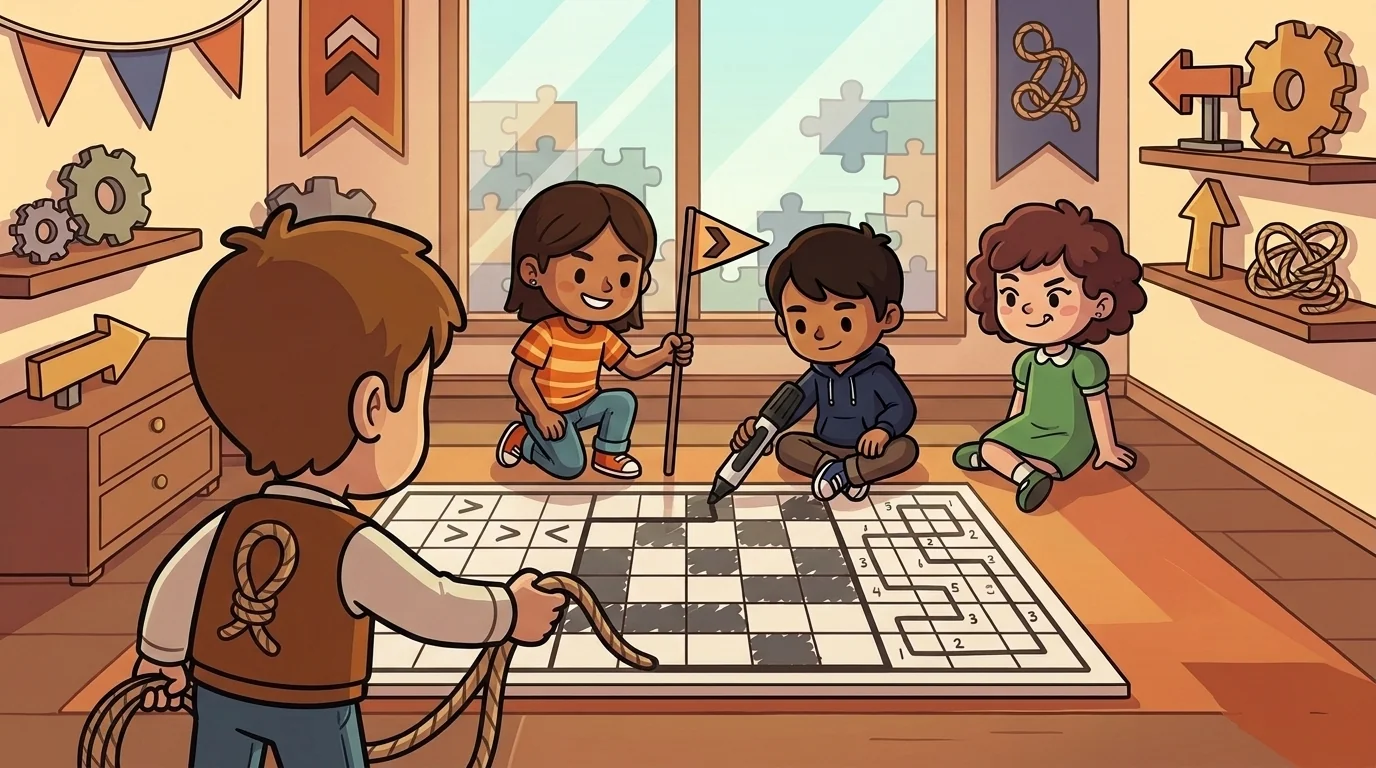
Lasso closed the border. Umbra's safe cells told her where the rope could and couldn't run. A *3 clue sat against the edge with one side already blanked by Umbra's shading pattern. "Three edges of four, and one's already ruled out — so the other* three are all drawn," she said, snapping them into place. Then a dot with three X's around it: "The rope can't stop in midair; its last edge must be a line." One forced edge led to the next, and the loop threaded toward closing. "No dead ends, no branches. The 'one loop' rule is drawing the path for me."
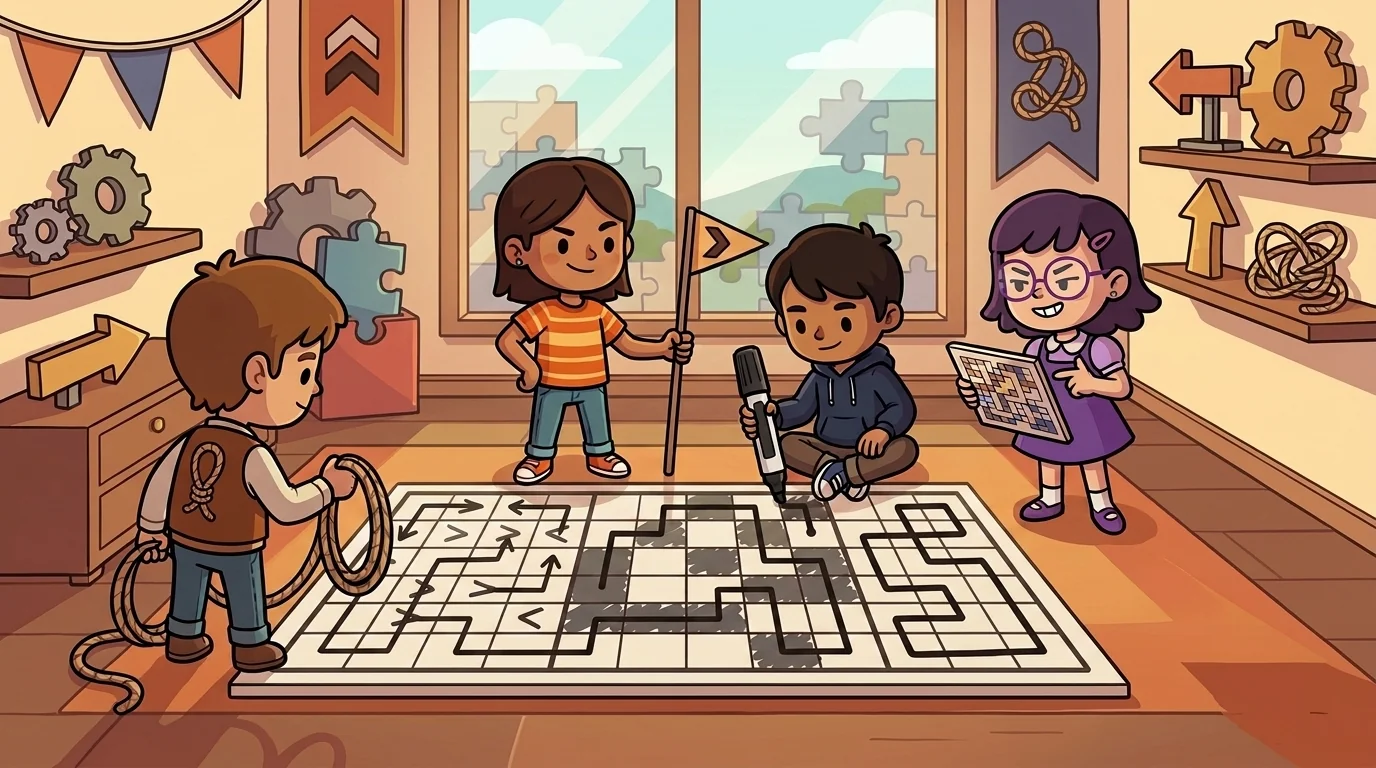
When it finished, the three of them traced their own work backward and dared each other to find a single lucky move. There wasn't one. Chevron's every number came from an arrow; Umbra's every shadow from a duplicate-plus-connectivity; Lasso's every edge from a count-plus-no-loose-ends. The whole grid, corner to corner, forced.
There's a specific pride in that — cleaner and quieter than the jolt of a lucky guess that happens to survive. Getting lucky feels like relief; getting it forced feels like knowing, and knowing doesn't evaporate the way luck does. Chevron stood marshal-steady, Umbra breathed easy over her unbroken lit path, Lasso ran a finger around her closed loop and came home. "Deduce it, never guess it," Umbra said for all of them. And every cell in the grid, earned by a reason and not a roll, stayed exactly, provably where it belonged.
The LatticeForge ensemble
The No-Guess Three is part of LatticeForge's distributed-narrative cast. Each character embodies a different curricular primitive; together they teach the full subject.
-
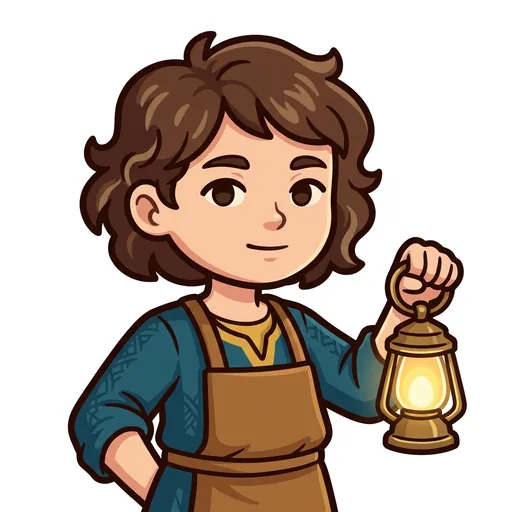
Onlie
Sudoku — Latin-square uniqueness: sets her lantern on the only place a number can go in its row, column, and box
-
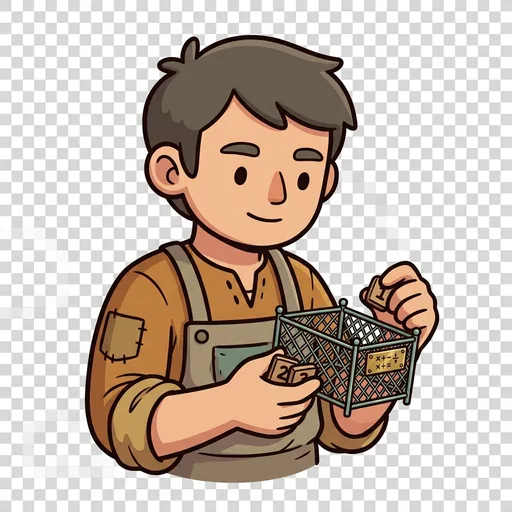
Cage
KenKen — arithmetic-cage: fills a fenced region so its numbers hit the plaque's target under its operation
-
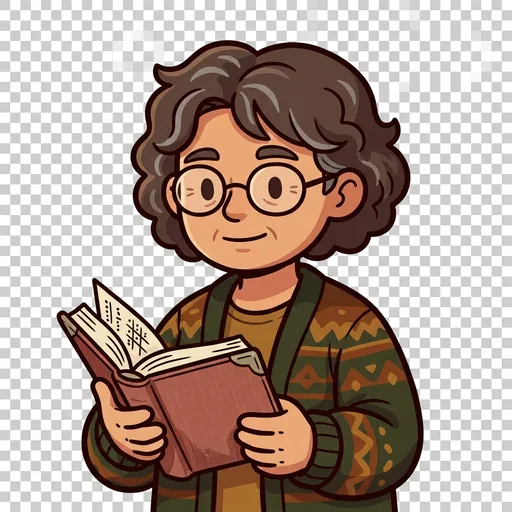
Kaku
Kakuro — cross-sum: fills a run so it sums to its clue with no digit repeated; the total names its parts
-
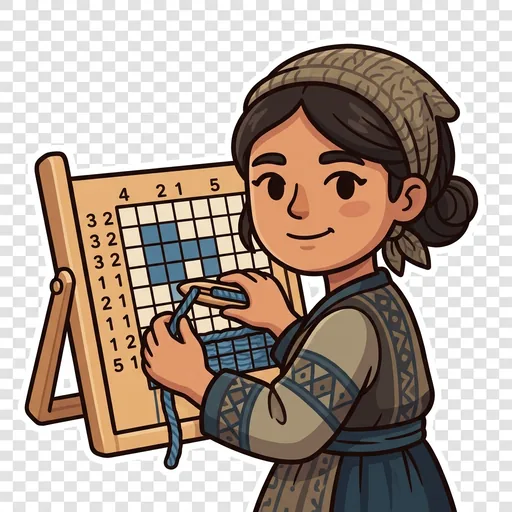
Pica
Nonogram/Picross — run-length deduction: reads the edge numbers and fills the overlap that must be filled
-
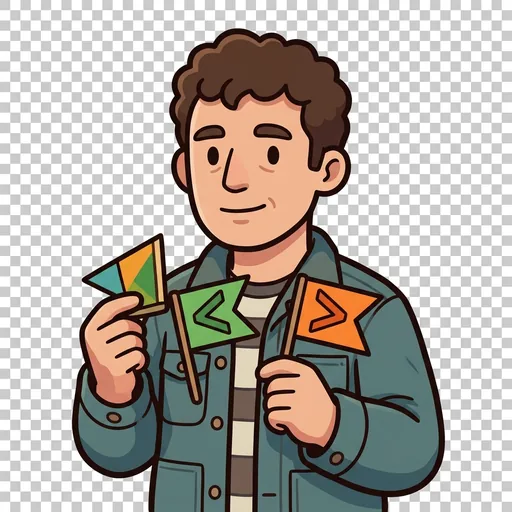
Chevron
Futoshiki — inequality/ordering: obeys the < / > flags between neighbours to force the numbers into order
-
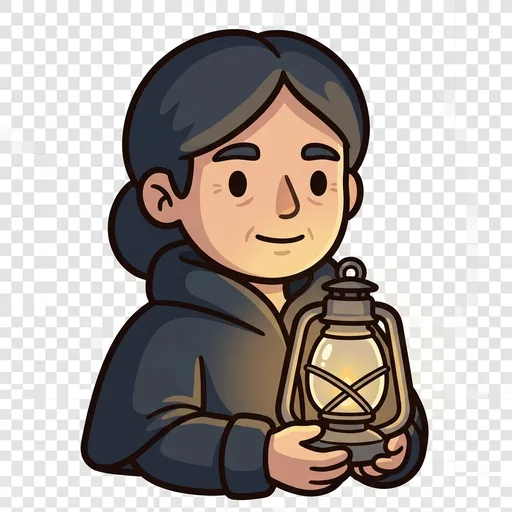
Umbra
Hitori — elimination + connectivity: shades out duplicates so none touch and the rest stays whole
-

Serra
Skyscrapers — visibility count: places towers so each edge clue counts how many can be seen, taller hiding shorter
-

Lasso
Slitherlink — single-loop edge deduction: draws one closed loop so each number uses exactly that many edges
-
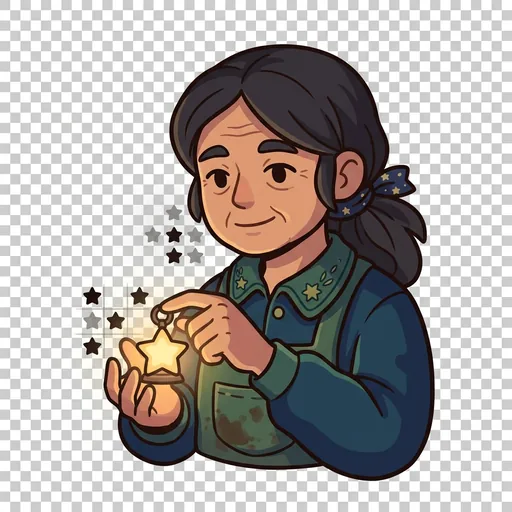
Vega
Star Battle — partition + non-adjacency: places the stars so each row, column, and region holds its quota and none touch
-

Ada
Mentor host — keeps the puzzle guild; teaches 'every grid hides one rule — find the forced cell, never guess'