
Academics
DialogueQuest
Branching-Dialogue Craft for Tweens — voice consistency, subtext, tag balance, branch meaningfulness. Build dialogue trees where every line reveals character, advances plot, and leaves room (Patter).
Meet your mentor
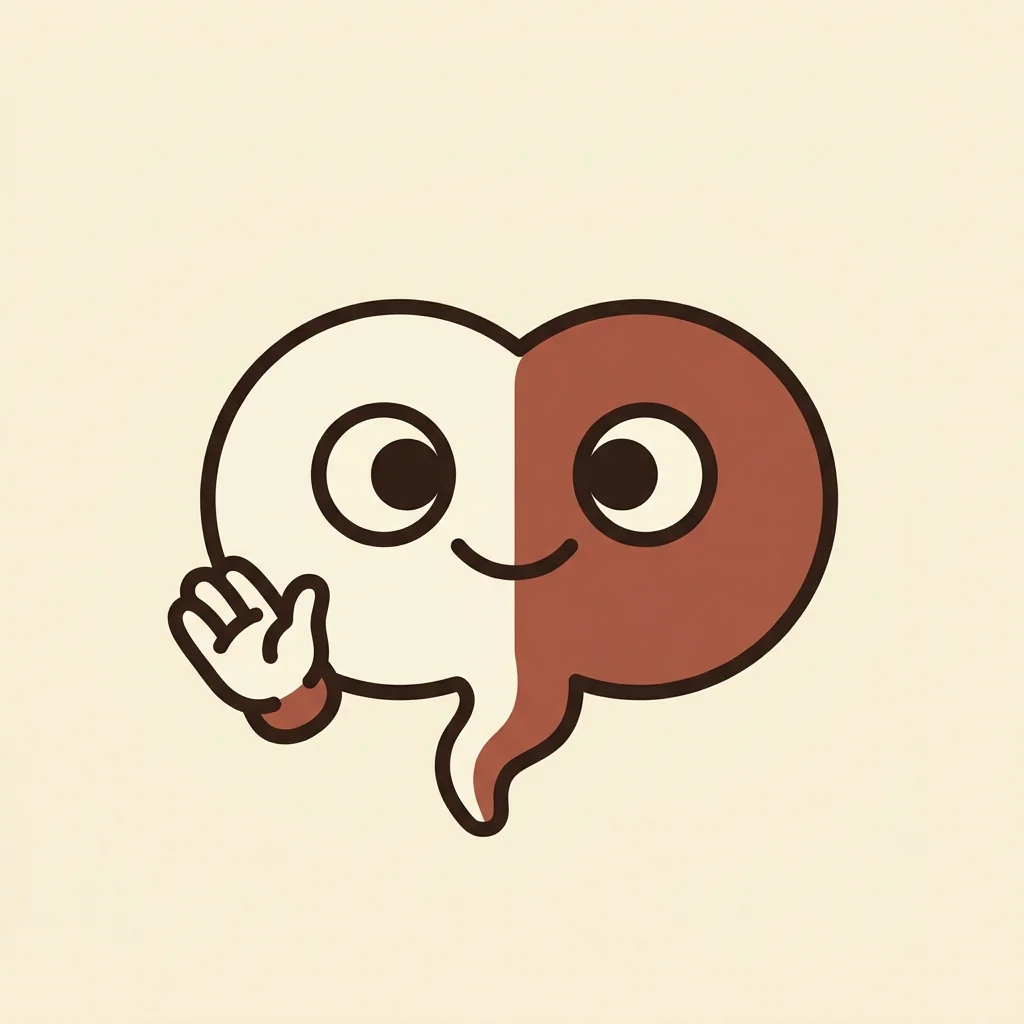
Every Spark & Anvil app has a friendly mentor character that demonstrates, praises, and patiently scaffolds learning. On-device AI personalizes the mentor's responses to your kid's progress — never connecting to a server, never collecting data.
Mentored by Patter




#A05A4B Distributed-narrative cast
Meet the cast
DialogueQuest's 5-character supporting cast embodies dialogue-craft primitives — branch meaningfulness / weighted choice (Sprig), subtext / surface-vs-implied (Glance), tag balance / attribution rhythm (Weigh), voice consistency / cross-line check (Brogue), and rhythm + silence / productive pause (Rest). Following the MotifLab hero-as-protagonist pattern, Patter (the two-toned speech-bubble mascot + AI dialogue coach) remains the protagonist + relational anchor; cast members are conversational archetypes Patter keeps in his pocket-workshop. Cast fades by kit 12 so kits 13-16 (tree building + anthology + cross-cluster export) read as integrative. Voice-consistency-by-example design: each cast member speaks with a distinct register so the kid sees voice-craft as a LIVED skill (not just a graded one). Mascotizing gate: NO character is named after the craft term — Sprig (not 'Branch'), Glance (not 'Subtext'), Weigh (not 'Tag-balance'), Brogue (not 'Voice'), Rest (not 'Silence'). Brogue's old-country accent is DELIBERATELY non-specific (not any real dialect — folk-storyteller archetype). Mentor reconciliation.
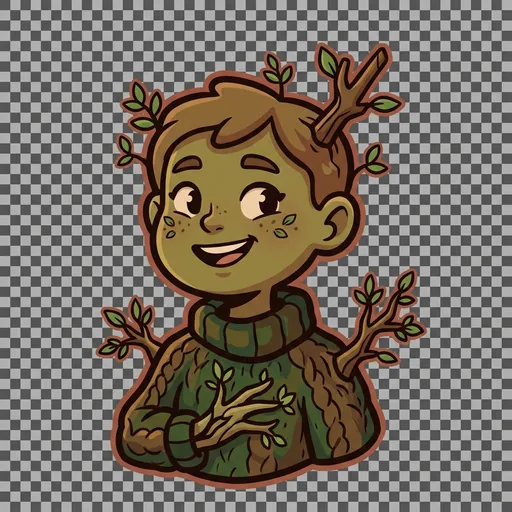
Sprig
Branch meaningfulness — sapling-tween whose visible branching skeleton shifts physically when she picks between dialogue options (the choice re-routes her body)
Read chapter →
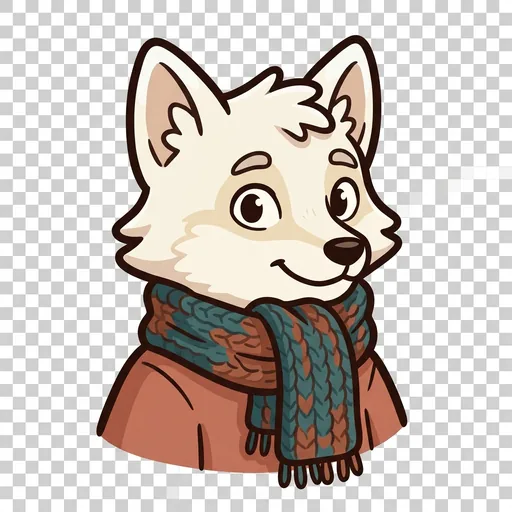
Glance
Subtext — arctic-fox-tween in a thick scarf; speech-bubble visibly half-empty with dotted-line ghost-text floating beside it
Read chapter →
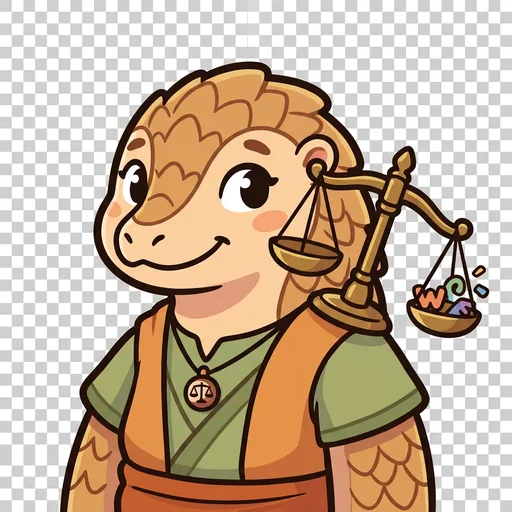
Weigh
Tag balance — pangolin-tween with a brass balance-scale on her shoulder; scales tilt visibly as dialogue happens around her
Read chapter →

Brogue
Voice consistency — border-collie-elder in a worn flat-cap who uses exactly 4-5 signature words across every appearance (deliberately non-specific old-country accent)
Read chapter →
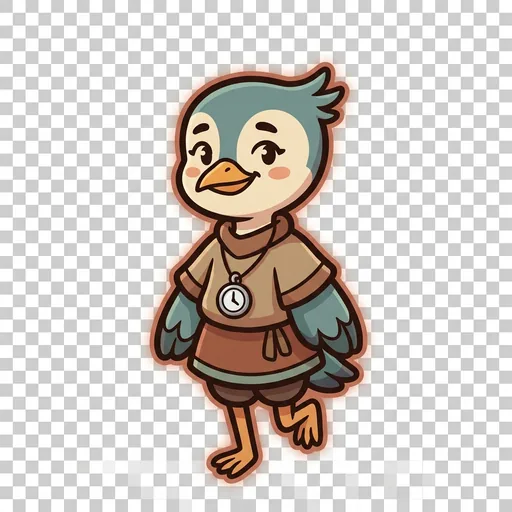
Rest
Rhythm + silence — heron-tween with a small silver pocket-watch around her neck; one foot perpetually raised mid-step; treats the pause as a line of dialogue itself
Read chapter →
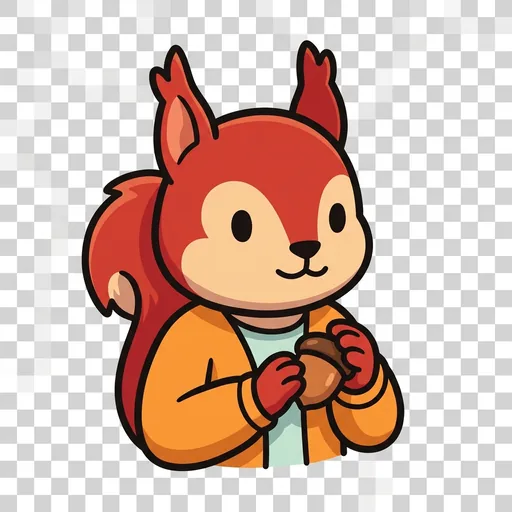
Prop
Action beats — red-squirrel-tween whose paws are always busy with a small acorn; the little actions between lines show feeling and set the rhythm of a talk
Read chapter →
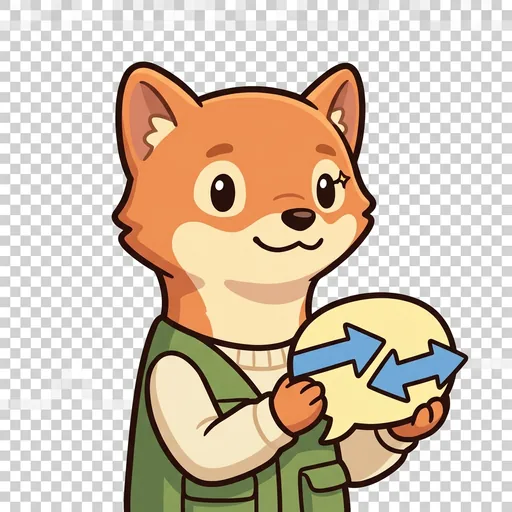
Spar
Conflict / friction — pine-marten-tween whose speech bubbles push against the other speaker's; two characters wanting different things is the engine (the push stays kind)
Read chapter →
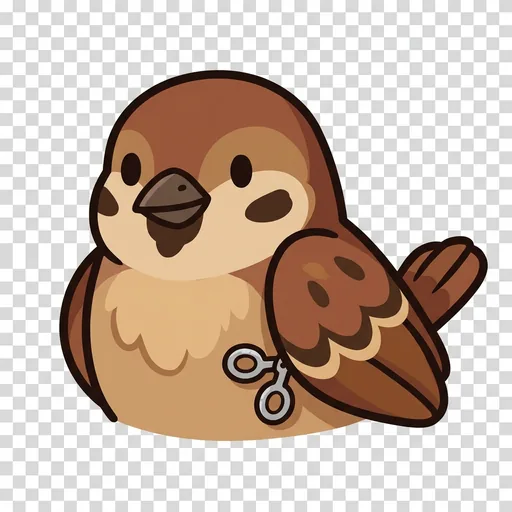
Clip
Economy — sparrow-tween with tiny silver scissors who trims the filler ('hello, how are you, fine') and starts scenes late, right where they get interesting
Read chapter →

Dash
Interruption / overlap — chipmunk-tween who crashes into the ends of others' lines with a dash when feeling runs too high to wait (used on purpose, sparingly)
Read chapter →
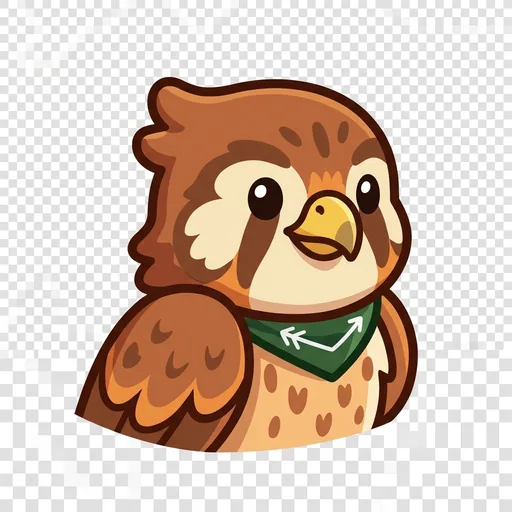
Aim
Line purpose — kestrel-tween with arrow-shaped speech bubbles that point at what each line is really trying to DO (ask, dodge, persuade), not just say
Read chapter →
Browse all 10 chapters → · What's distributed-narrative methodology? →
What's inside
Learning goal
Branching-Dialogue Craft for Tweens — voice consistency, subtext, tag balance, branch meaningfulness. Build dialogue trees where every line reveals character, advances plot, and leaves room (Patter).
Question kits
16 curriculum-aligned kits × 25 questions = 400 questions per app, mapped to recognized standards.
On-device AI mentor
FoundationModels-powered hints, feedback, and adaptive difficulty — all running locally.
Mentored by Patter — on-device AI, no data leaves the device.
How DialogueQuest handles your kid's data
- ✅ All progress, settings, and AI-generated content stays on the device
- ✅ No analytics, no tracking, no third-party SDKs
- ✅ No ads, no in-app purchases — you pay once
- ✅ COPPA compliant under the 2026 FTC amendments
- ✅ Parental controls + session limits + content filters built in
DialogueQuest runs on ForgeKit — the open-source Swift Package Manager framework that powers every Spark & Anvil app. ForgeKit ensures consistent accessibility, COPPA compliance, and design language across the portfolio, so your kid's progress and preferences feel coherent across every app they touch.
Coming to the App Store
DialogueQuest is in active development. Email us to hear when it ships — no marketing, no spam, just a one-shot launch announcement.
Email me at launch