
Brogue
VOICE CONSISTENCY — the same character speaking *recognizably the same* across all their lines. Word-choice, sentence-rhythm, signature phrases stay stable.
Press play to listen along. The line being read lights up as you go.
Show full transcript
Loading transcript…
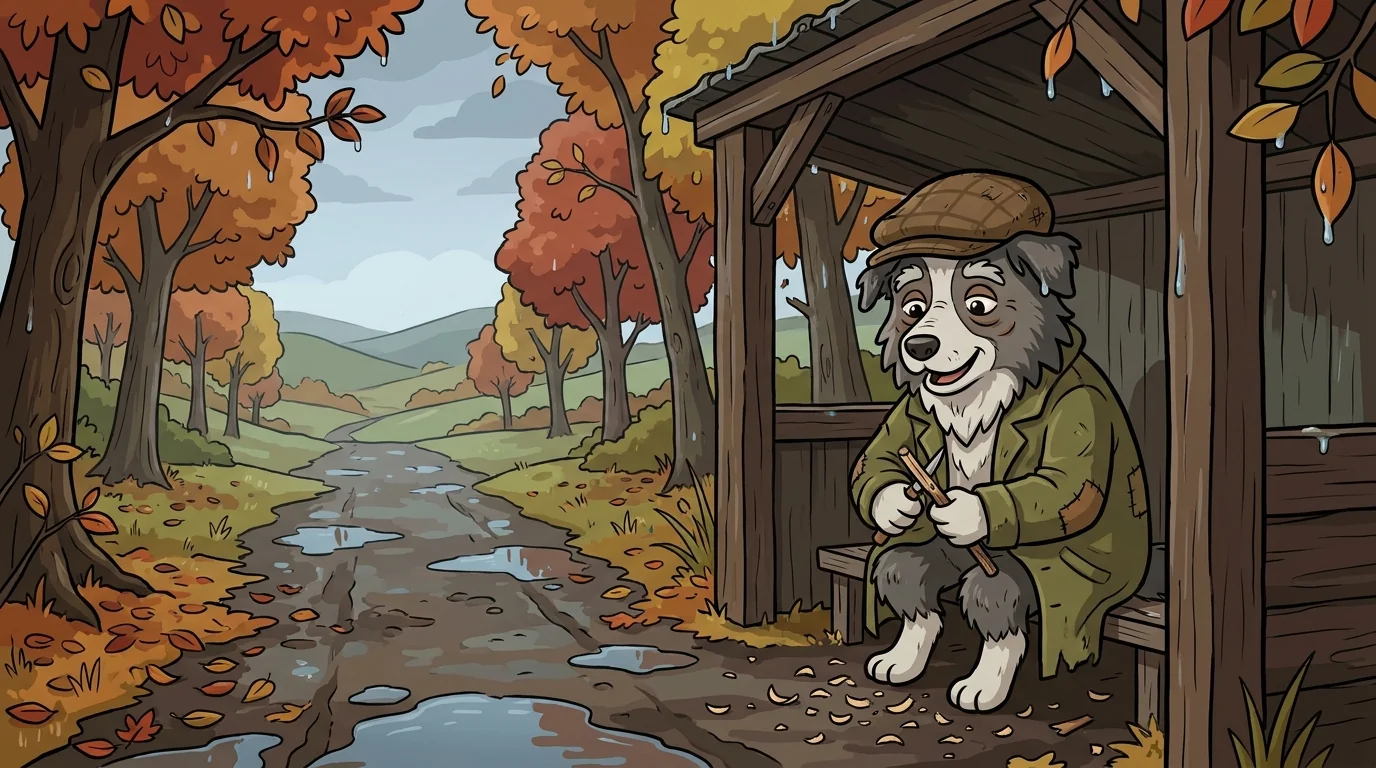
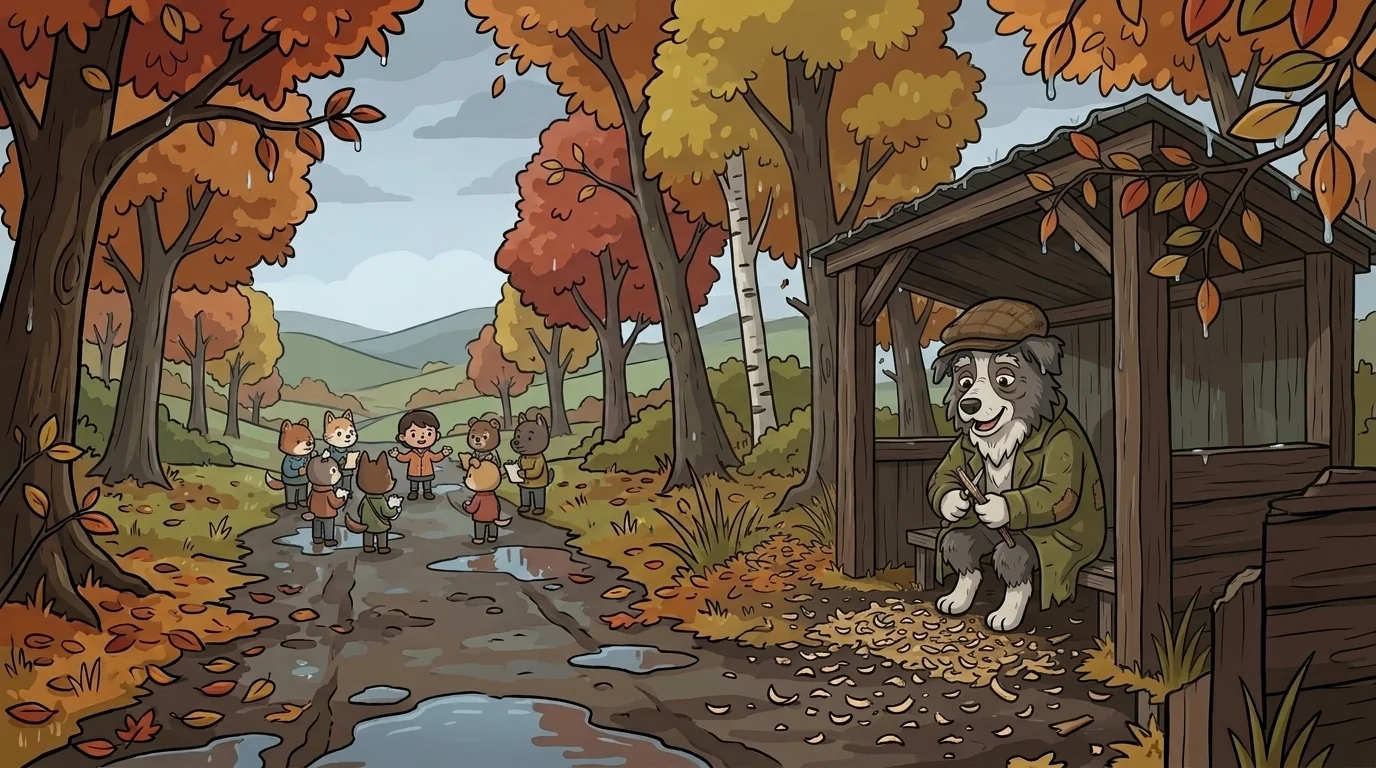
Patter met Brogue on a country road, one autumn afternoon. The rain had just stopped, leaving the air clean and damp, smelling of wet earth and pine needles. Patter walked regularly, a habit that cleared his mind and often led to unexpected encounters. This day proved no different.
He spotted an unusual figure under a small wooden lean-to beside the road. It was an elder border-collie, not just any dog, but one wearing a worn flat-cap and a long-coat that had clearly seen many seasons. The collie sat patiently, whittling a small stick with careful, rhythmic strokes. As Patter approached, the collie looked up, his eyes keen and ancient.
"Ah, lad," the collie said, his voice like pebbles tumbling in a stream. "Mind ye come in out of the wet."
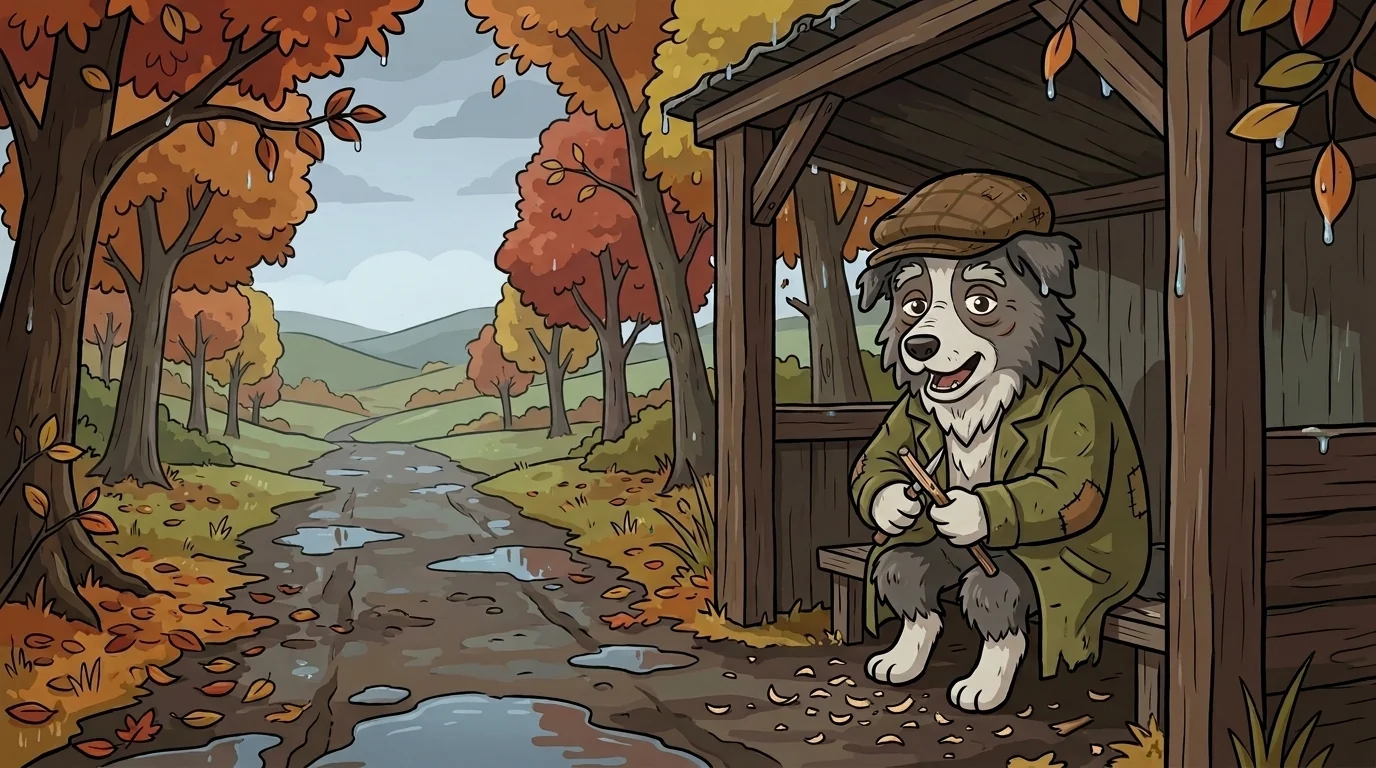
Patter paused, surprised but not startled. He was used to the unexpected in his world. "Thank you. I am Patter."
"Aye. I'm Brogue. Sit ye down." Brogue gestured with his chin to a spot beside him on the dry ground.
Patter sat. The quiet presence of the collie was immediately calming. They talked for perhaps an hour, discussing the weather, the merits of different kinds of whittling wood, and the surprising speed of passing seasons. As they spoke, Patter, ever attuned to the nuances of language, began to notice something remarkable.
Brogue's speech was deeply consistent. It wasn't just his gentle accent or the way he held his head. He used exactly four or five signature words—"aye," "lad," "mind ye," "in my day," "by and by"—and these words appeared naturally and regularly through every sentence he spoke. His sentence-rhythm was measured, unhurried, like the steady drip of water from a leaf. His vocabulary felt folk-rustic, rooted in the land and simple truths. His attitude was one of quiet patience, a deep well of calm.
The combination was immediately recognizable. Patter realized he could hear Brogue speaking even with his eyes closed, even if he only caught a snippet of a sentence. It was like a unique melody, distinct and unwavering. This, Patter thought, was exactly voice consistency. Brogue was himself in every sentence. There was no line he spoke that did not sound like Brogue. If Patter had to pick Brogue's line out of a paragraph spoken by ten different characters, he knew he could do it instantly.
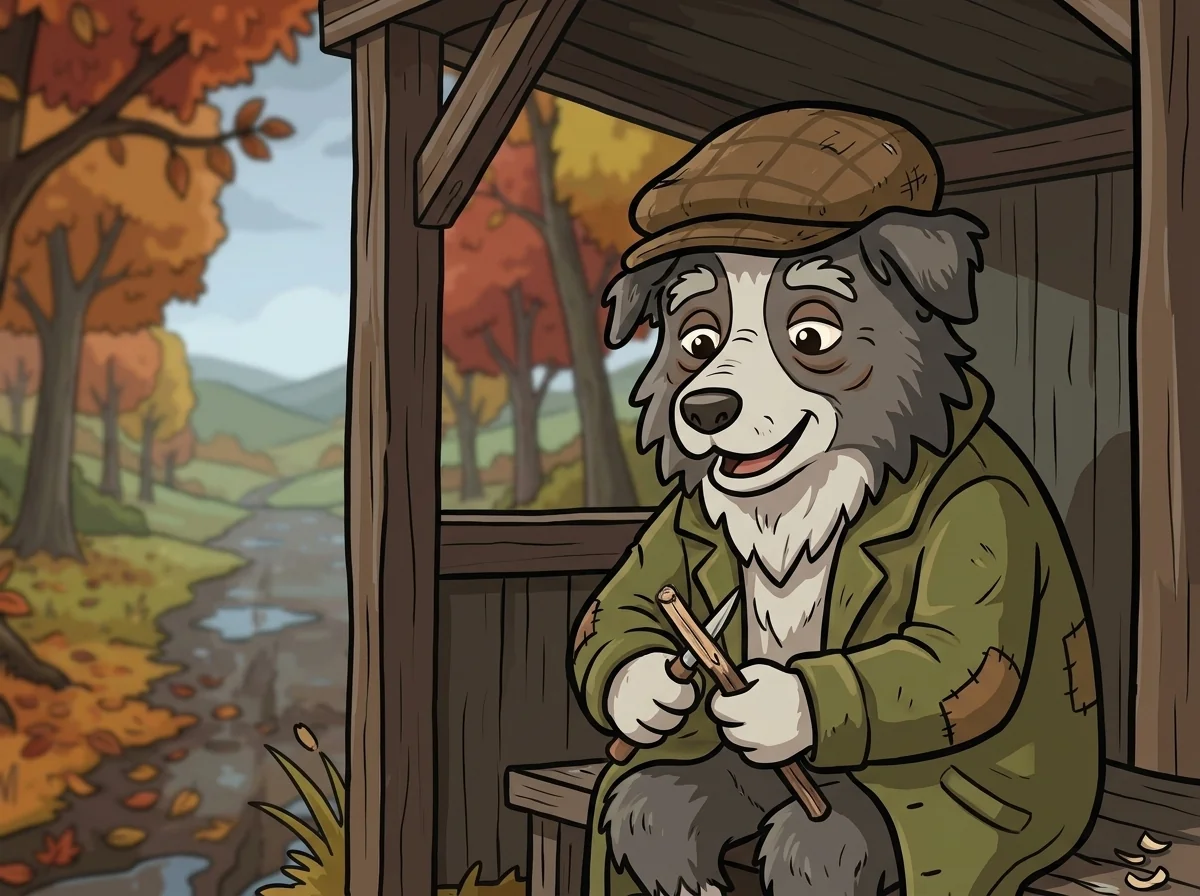
"You are voice-consistent," Patter said, a quiet observation.
Brogue chuckled, a dry, rustling sound. "Aye, lad. Same voice. Same words. Same lilt. In my day we called it being a person. Now folks call it voice consistency. Either way—it is the same thing." He resumed whittling, the small knife shaving delicate curls from the stick.
Patter considered this. "Would you come to my pocket-workshop?" he asked. "I think my students could learn much from you."
Brogue looked at his stick, then at the road stretching ahead. "By and by. I have stick-whittling to finish."
He finished. The stick, now smooth and tapered, became a small, elegant bird. Only then did Brogue rise, stretch his old bones, and follow Patter. He has been in the workshop ever since, a steady, grounding presence. He is the elder presence, the quiet voice-consistency demonstrator, always there, always himself.
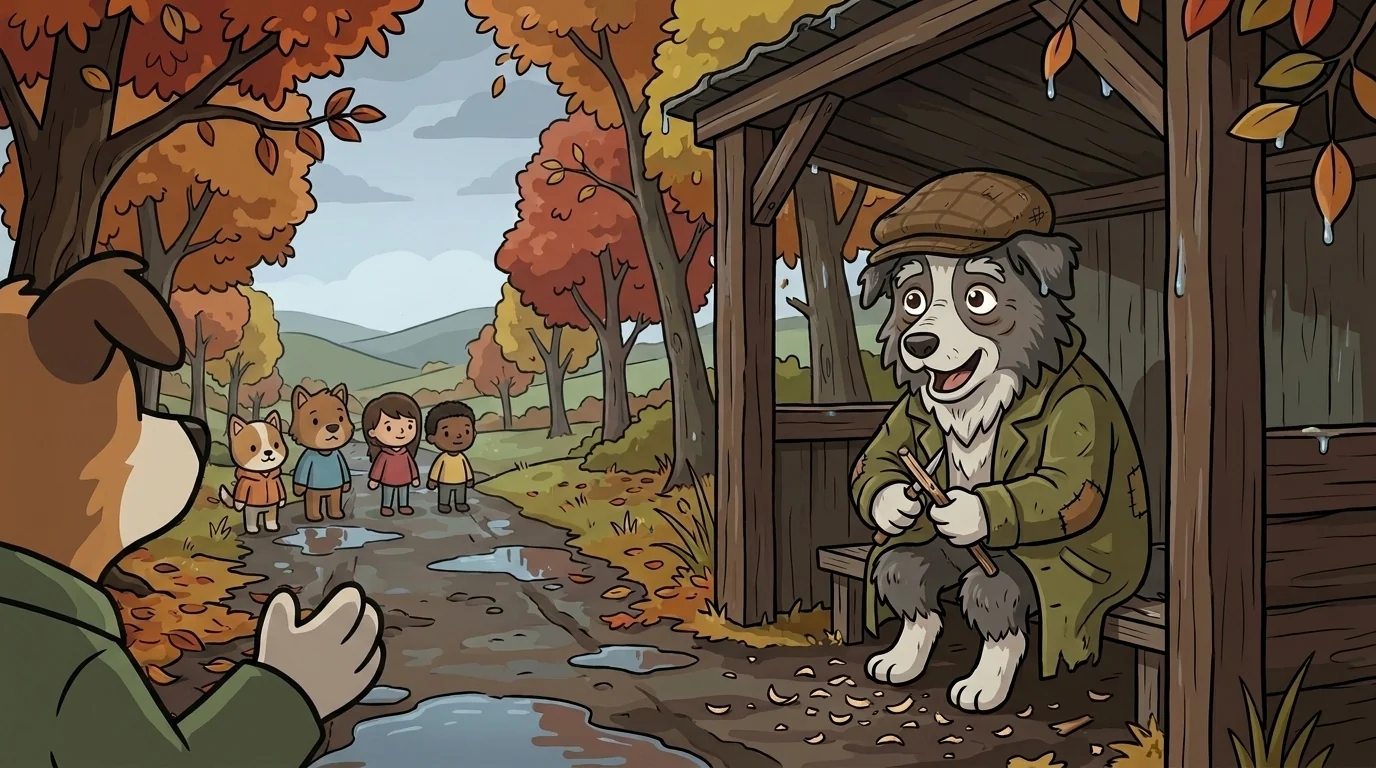
In Patter's introductory lesson on *voice consistency, he gestures at Brogue. Brogue sits in his usual spot, in his worn flat-cap whittling a small stick,* a familiar, comforting sight.
"This is Brogue," Patter says to the cluster of students. "Listen to him for one minute. Don't think about what he says, but how he says it. Notice his signature words. Notice his sentence-rhythm. Notice his vocabulary. He is himself in every sentence. That is voice consistency."
Patter then asks Brogue to speak a few lines for the class. Brogue obliges, his voice gentle and unhurried.
"Aye, lad. The weather is fair today. Mind ye not get caught in the wind. In my day we called this kind of afternoon a soft afternoon. Soft because the air is gentle. Soft because the rain has stopped. By and by you will know what I mean."
The students lean forward, listening intently. They hear Brogue in every sentence. The same signature words echo through his speech. The same measured rhythm carries his thoughts. His vocabulary, simple yet profound, paints a clear picture. The quiet, patient attitude is unmistakable. They could not mistake this speech for any other character's speech in the workshop.
Patter nods, observing their focused faces. "This is what you want in your characters," he explains. "Voice that is recognizably the same across every line they speak. If your character's lines could be said by anyone in the story, the voice is not yet consistent. The voice should be audibly that character's."
He gives them a practical exercise. "Pick three signature words your character uses regularly," Patter instructs. "Pick one sentence-rhythm pattern they favor. Do they use short, clipped lines? Long, flowing ones? Do they ask many questions, or make only statements? Then, pick one vocabulary range: formal, rustic, technical, or colloquial? Now, write every line of dialogue for that character with those signatures. You will hear the voice settle."
The students try it. At first, their characters sound a bit forced, like actors trying on a new accent. But as they persist, something shifts. Their characters begin to emerge, distinct and recognizable. The voices become unique, no longer interchangeable.
Brogue nods slowly, a small smile playing on his lips. He continues to whittle, the wood shavings falling like tiny, delicate feathers. "Aye," he says, his slow, weathered voice filling the quiet room. "The voice is the same. Same words. Same lilt. Same character. By and by you will hear it in your own writing."
When students ask Patter whether voice consistency is hard, Patter often smiles. He quotes Brogue, the wisdom of the old collie resonating through his own words. "It is not hard. It is being yourself in every line. Pick the signature words. Pick the rhythm. Pick the vocabulary. Write every line in that voice. The character will settle."
The DialogueQuest ensemble
Brogue is part of DialogueQuest's distributed-narrative cast. Each character embodies a different curricular primitive; together they teach the full subject.
-

Sprig
Branch meaningfulness — sapling-tween whose visible branching skeleton shifts physically when she picks between dialogue options (the choice re-routes her body)
-

Glance
Subtext — arctic-fox-tween in a thick scarf; speech-bubble visibly half-empty with dotted-line ghost-text floating beside it
-

Weigh
Tag balance — pangolin-tween with a brass balance-scale on her shoulder; scales tilt visibly as dialogue happens around her
-

Rest
Rhythm + silence — heron-tween with a small silver pocket-watch around her neck; one foot perpetually raised mid-step; treats the pause as a line of dialogue itself
-

Prop
Action beats — red-squirrel-tween whose paws are always busy with a small acorn; the little actions between lines show feeling and set the rhythm of a talk
-

Spar
Conflict / friction — pine-marten-tween whose speech bubbles push against the other speaker's; two characters wanting different things is the engine (the push stays kind)
-
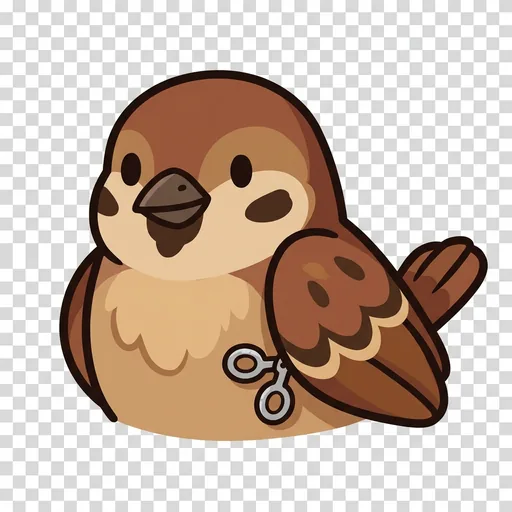
Clip
Economy — sparrow-tween with tiny silver scissors who trims the filler ('hello, how are you, fine') and starts scenes late, right where they get interesting
-

Dash
Interruption / overlap — chipmunk-tween who crashes into the ends of others' lines with a dash when feeling runs too high to wait (used on purpose, sparingly)
-

Aim
Line purpose — kestrel-tween with arrow-shaped speech bubbles that point at what each line is really trying to DO (ask, dodge, persuade), not just say