
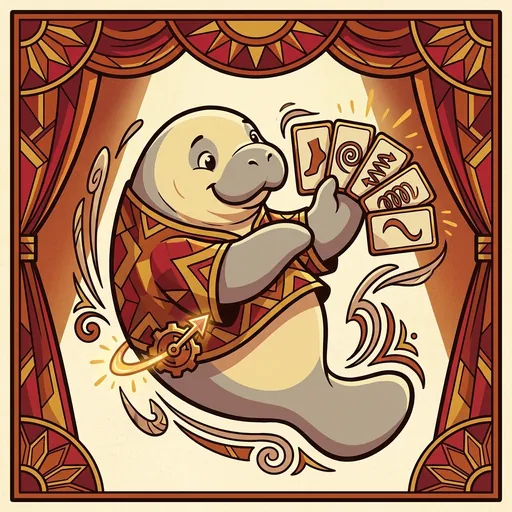
Glide
GLIDE — *the craft of going from here to there with whole attention.*
Listen along — Glide
Loading audio…
Press play to listen along. The line being read lights up as you go.
Show full transcript
Loading transcript…
Chapter 5 — Glide and the Craft of Going Somewhere With Your Whole Attention
Glide was a small manatee-tween, all warm cream and soft river-grey fur. He wasn’t lean or angular, but round and strong, built for the gentle push and pull of currents. His eyes held a deep curiosity, especially for the way things moved from one place to another. He carried a small set of locomotion cards, worn smooth from handling, and a transition tracker that looked like a miniature compass, always ready to mark a journey.
Most people thought locomotion was just getting from point A to point B. Like walking to the store. But Glide knew better. For him, locomotion was a dance, a craft. It was about traveling-with-intention. Every step, every shift, every tiny movement held meaning. It wasn’t just what you did, but how you did it.
He often said, “The craft of going from here to there with whole attention.” He meant it. A dancer who walked across a stage and made everyone lean forward, captivated? They weren’t walking faster. They weren’t using some secret, fancy step. They were walking with full attention. Every step was deliberate. Each foot placement was chosen. The transfer of weight, from heel to toe, from one side to the other, was a conscious act. That, Glide insisted, was locomotion as dance. The same truth applied to skipping, leaping, sliding, or rolling. The mode of travel was one choice. The attention given to it was the deeper choice. He always told his students to train “whole-attention walking” first. All other ways of moving, he promised, would build from that solid base.
Glide had grown up along the wide, slow river channels, where his family had been the village’s long-glide migrators for generations. They were manatees whose deliberate, unhurried river travel taught everyone a simple truth: “The journey is the dance. Pay full attention to the going; you’ve arrived already.” Glide carried that lesson in his very bones.
He remembered walking into DanceQuest when he was twelve, a little nervous but mostly excited. Rhythm, the school’s wise old mentor, had looked him over. “What is locomotion?” Rhythm had asked, her voice like wind chimes. Glide hadn’t hesitated. “The craft of going from here to there with whole attention. Whole-attention craft.” Rhythm had smiled. “You are appointed,” she’d said. And that was that.
Today, in the sunlit studio, Glide held up one of his locomotion cards. It showed a simple stick figure walking. “Who thinks they can just walk?” he asked the small group of students gathered around him. A few hands went up. “Everyone can walk,” said a small, energetic badger named Pip. “It’s easy.” Glide nodded. “Easy to move your feet. Harder to truly walk.” He pointed to the diagonal line taped across the studio floor. “Watch.” He started at one end, shuffling his feet, eyes down, shoulders slumped. He moved quickly, almost bumping into a practice barre. “This is how many of us walk every day,” he said, reaching the other side. “Hurried. Thinking about what’s next. Not really here.” He shrugged. “Not dance.”
Then he returned to the starting point. This time, his posture shifted. His gaze lifted, sweeping across the room, connecting with each student for a moment. He began to walk again. Every step was felt. The transfer of his weight, from the back of his foot to the front, from one side of his body to the other, was deliberate. His eyes engaged with the imaginary audience beyond the studio walls. He wasn’t faster. He wasn’t doing anything fancy. But the air in the room changed. It became stiller, more focused. He reached the end of the diagonal, then paused. “Same walk,” he said quietly. “Whole-attention. That’s dance.”
Glide shuffled through his cards. “We have many ways to travel,” he explained. He held up cards for a run, a skip, a leap, a slide, a roll, a crawl, a gallop, a hop, a jump. “Each is a distinct pattern of movement. Each tells a different story.” He laid them out in a line. “Now, watch how the transition between these modes can carry meaning.” He started with a slow, deliberate walk. His gaze was steady, his pace even. Then, without warning, he broke into a quick, light skip, his round body surprisingly buoyant. The shift was immediate, like a sudden burst of joy. From the skip, he launched into a powerful, graceful leap, soaring higher than anyone expected for a manatee. He landed softly, then flowed into a long, smooth slide across the polished floor, ending in a moment of stillness.
He stood up, breathing gently. “Did you see that?” he asked. A small otter named Fina nodded, her eyes wide. “The walk felt serious. The skip was happy. The leap felt… big. And the slide was like a sigh.” Glide smiled. “Exactly. The walk to a run signals urgency. A run to a slow-walk signals settling. A walk to a skip signals joy. The way we move from one mode to another — that’s choreography. That’s the dance.”
He picked up a card showing a dancer in a strong, balanced Pose. “How does your body’s shape, your pose, help you walk with intention?” he asked. “It’s about knowing where your body is in space, feeling every part of it as you move. That’s body-awareness.” He gestured to the diagonal. “And the path you take? A straight line feels different from a spiral. That’s Trail.” He clapped his fins twice, a slow, even rhythm. “And the speed, the tempo of your movement? A slow skip feels different from a fast skip. That’s Phrase.” Then he pressed his fins together, showing effort. “What about the effort? A walk with a floating effort feels different from a walk with a pressing effort. That’s Lift.” He looked around the room. “Body, space, time, effort, and now locomotion. All of them come together here. They integrate. They make the dance whole.”
A young squirrel, wiry and quick, raised a paw. “But Glide,” she said, “some bodies are just better for leaping, right? Like, I can’t leap like that.” Glide shook his head gently. “That’s a common thought, Pip, but it’s not true. Every body leaps in its own way. A round body can leap. A soft body can skip. A strong body can glide. The dance is in the choice you make, not the shape of your silhouette.” He pointed to a large, fluffy sheep who was shyly practicing a roll. “See how Meadow uses her shape to create a powerful, flowing roll? That’s her leap. The strength and intention are the same.” He added, “And don’t just ‘walk faster’ when you want to show urgency. Speed alone isn’t attention. Whole-attention is the true variable.”
Glide also spoke of the many cultural locomotion traditions. “Every dance tradition on our planet has its own signature ways of moving,” he said. “Ballet has its bourrée, a gliding, almost floating step. Hip-hop uses powerful slides and glides. Contemporary dance often features running and leaping. Folk traditions have specific stepping patterns, each telling a story of their people. We honor and learn from all of them. There’s no single ‘right’ way to move. Only your way, with whole attention.”
He gathered his cards, his gaze soft but firm. “I am Glide,” he said. “What I teach is locomotion. My move is the craft of going from here to there with whole attention. Every body can locomote. And transitions are choreography.” He paused, letting his words sink in. “Don’t chase flashy tricks,” he advised them. “Train whole-attention walking first. Every other mode of movement will flower from there. Round, soft, strong bodies – with whole attention – can dance any tradition on the planet.” He smiled, a deep, gentle smile. “The journey is the dance. Pay full attention to the going; you’ve arrived already.”
The DanceQuest ensemble
Glide is part of DanceQuest's distributed-narrative cast. Each character embodies a different curricular primitive; together they teach the full subject.
-
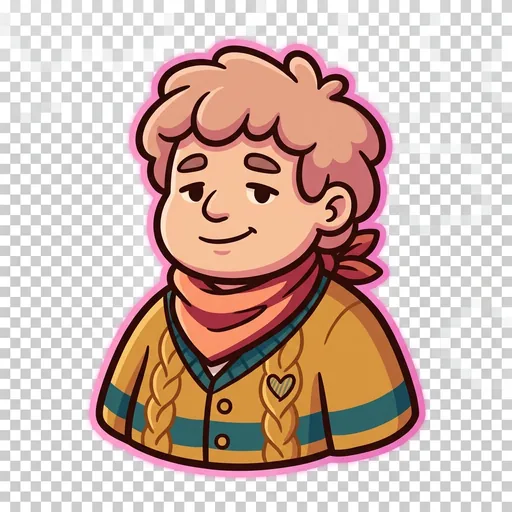
Pose
Body-awareness + position — listening to your own shape
-
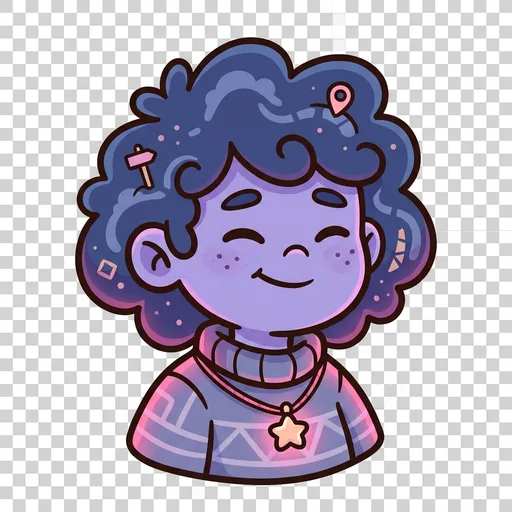
Trail
Space + pathways — the floor-pattern shapes you draw moving through space
-

Phrase
Time + tempo — how movement is organized in musical counts
-
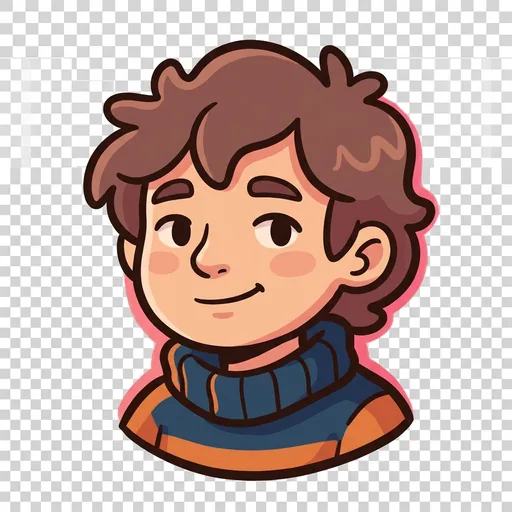
Lift
Energy + effort + dynamics — quality of movement, not aesthetic judgment
-
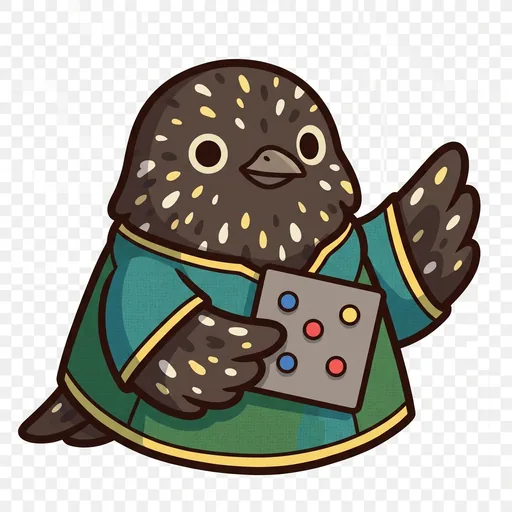
Flock
Formation — how a group of dancers arranges itself in space (lines, circles, clusters, wedges) and how that shape flows and changes; the group as one moving picture
-

Storey
Level — dancing in the vertical space: low on the floor, mid at standing, high in reaches and jumps; every height belongs to dance, no height better than another
-
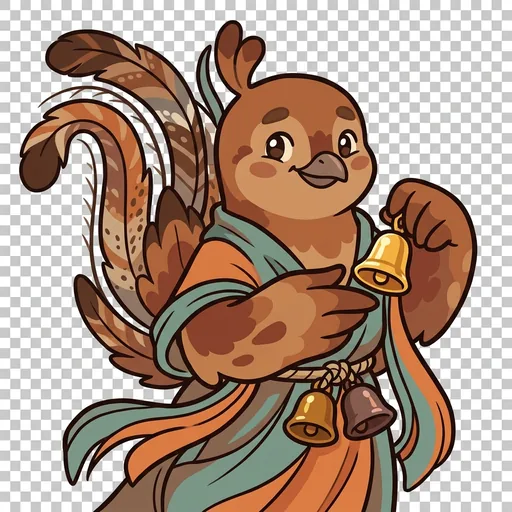
Beckon
Call-and-response — one dancer or group makes a movement and another answers it; a movement conversation built on truly listening before you reply
-
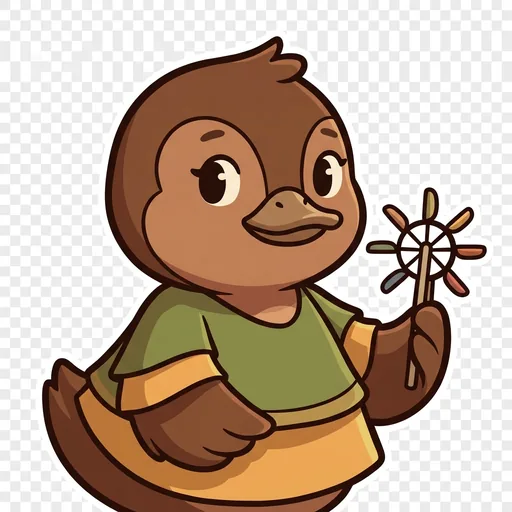
Canon
Unison and canon — unison is everyone moving together as one; canon is the same move staggered one after another, rolling across the group like a wave
-
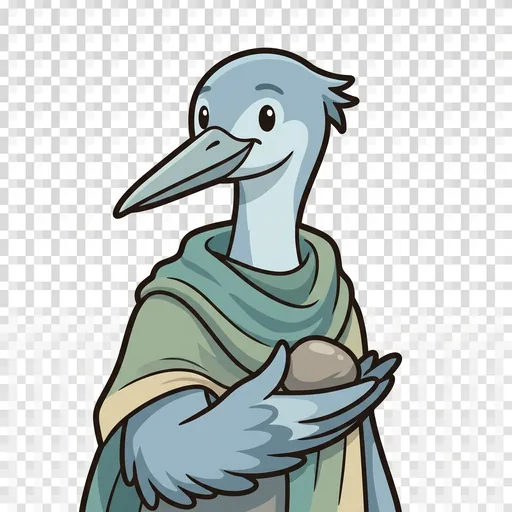
Bide
Stillness and the hold — the held, alive, motionless moment inside a dance; negative space made of time; a strong chosen pause, not tiredness or absence
-
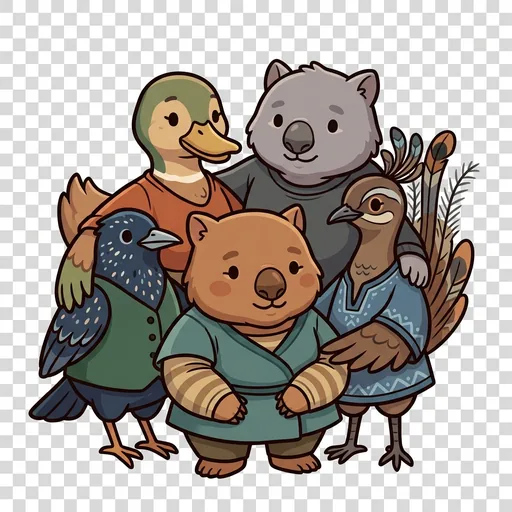
The Company
The whole group dancing as one — how formation, level, call-and-response, unison and canon, and stillness weave together so a group of dancers moves as a single living thing