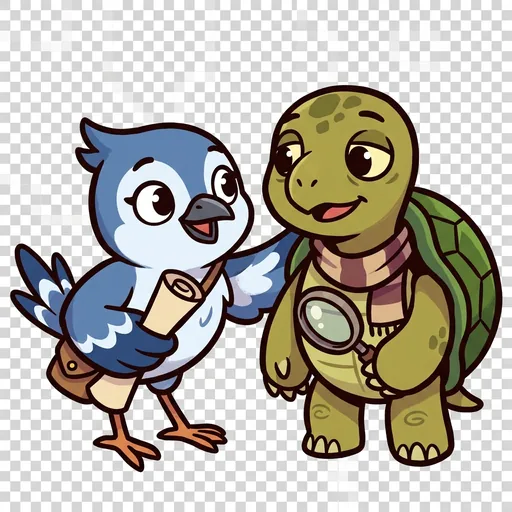
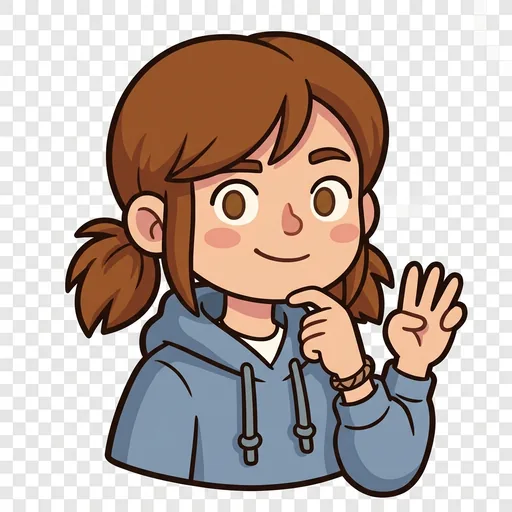
Skiff, Buoy and Pick
THE CHECK-IN — checking in on how you feel has three moves: someone has to start it (Skiff), you read what your body is telling you before reaching for a word (Buoy), and you pick the name that's honestly true right now, not the easy one (Pick)
A story read by Skiff, Buoy and Pick
Loading audio…
Press play to listen along. The line being read lights up as you go.
Show full transcript
Loading transcript…

Two friends sat on the dock at the end of a long, strange day, and neither had said much, and both were carrying something they hadn't put into words yet.
This was the exact moment most feelings just... slip past — unchecked, unnamed, carried home heavy and unspoken. But between the two friends sat three small helpers whose whole purpose was to catch a feeling before it slipped by.
Skiff floated ready at the dock, the little boat that goes out first.
Buoy bobbed in the water, reading every current beneath.
And Pick held a small deck of feeling-cards, fanned and waiting.
"Somebody has to go first," said Skiff. "Somebody always has to."

Skiff went first — because Skiff's whole brave job was simply to start the check-in, and starting is the part everyone's scared of.
"How are you, really?" Skiff asked, out loud, into the quiet. That was it. That was the whole enormous small thing. Because a check-in that nobody starts never happens — both friends could have sat there all evening, each waiting for the other, each carrying their heavy unspoken thing home alone.
"You don't have to be the one who fixes anything," Skiff said. "You just have to be the one who asks. Who says 'hey — how are you, actually?' and means it. It feels risky, I know — like sticking your neck out, like maybe they'll brush it off. But somebody has to push the little boat off the dock, or nobody ever leaves the shore. Being the one who starts it is a gift you give. Even to yourself — you're allowed to start a check-in on you."

Then Buoy did the move that everyone skips: read the body before you reach for a word.
Because the friend, asked how she really was, opened her mouth to say the automatic thing — "fine" — and Buoy, bobbing gently, stopped her. "Wait. Before the word — what's your body saying? Don't answer from your head yet. Check the water underneath."
And the girl paused, and actually felt it: the tightness sitting high in her shoulders. The little flutter in her stomach. The way her jaw had been clenched for hours without her noticing. "The body often knows before the mind does," said Buoy, softly. "Your mouth wants to say 'fine,' because 'fine' is fast and easy. But your shoulders are up by your ears, and your stomach's fluttering — and those are telling the truer story. The feeling shows up in the body first, almost always. So before you grab a word, feel where it's living in you. Let the body point the way."

And now, with her body's signal read, Pick fanned out the cards — for the last move: choose the name that's actually true.
"Okay," said Pick. "Tight shoulders, fluttery stomach, clenched jaw. Now — which card is honestly true?" And Pick held them up, and the girl's hand drifted first, out of habit, toward the easy one — the I'm fine card, the I'm good card. But her body had already told the truth, and so, after a breath, she reached past the easy ones and picked the real one: worried. And under it, quieter: worried I let someone down today.
"There it is," said Pick, gently. "Not the automatic one. The true one. That's the whole skill — picking the card that's actually you right now, even when it's harder to say than 'fine.' You don't get a prize for saying 'fine' when you're not. You get something better for saying the true one — you get to actually be met." Pick smiled. "A feeling named is a feeling you can do something with. A feeling hidden behind 'fine' just rides home on your shoulders all night."

And once the true card was out on the dock between them, the evening changed — because a named feeling can be shared, and a shared feeling gets lighter, and the two friends talked, at last, about the heavy things they'd both been carrying unspoken.
"Good starting," said Buoy.
"Good body-reading," said Pick.
"Good picking," said Skiff.
There is a quiet, steadying relief in a feeling checked — caught before it slips past, read from the body, named honestly, set down where someone can see it. It takes a little bravery to start, a little slowness to feel, and a little honesty to pick the true card over the easy one. But the reward is real: feelings that are checked don't have to be carried alone and unnamed. And a person who knows how to run a check-in — on a friend, or on themselves — is never quite so at the mercy of the heavy things they can't yet name.
The TempCheck ensemble
Skiff, Buoy and Pick is part of TempCheck's distributed-narrative cast. Each character embodies a different curricular primitive; together they teach the full subject.
-
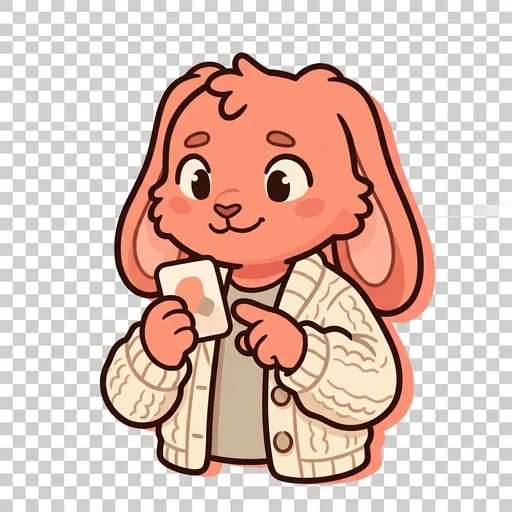
Pick
Noticing self — soft warm-coral rabbit-tween in chunky cream cardigan; tiny held-up affect-card; ears soft + not-tense; one paw tapping card-corner; treats card-picking as thinking-pause
-
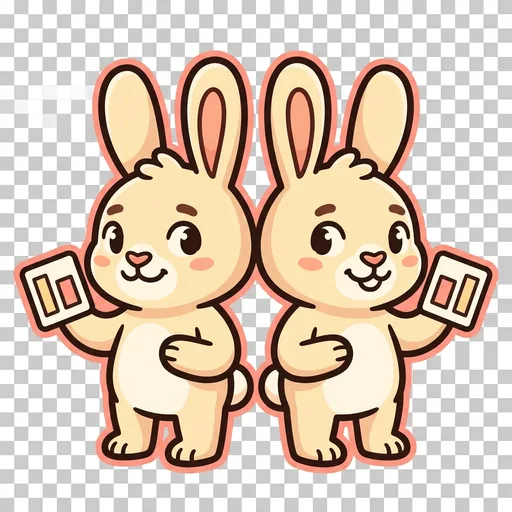
Both
Dyad-sync — two warm-cream hares mirror-paired with cards held up side-by-side; both facing same direction; happy-but-not-overjoyed (overlap is data, not victory)
-
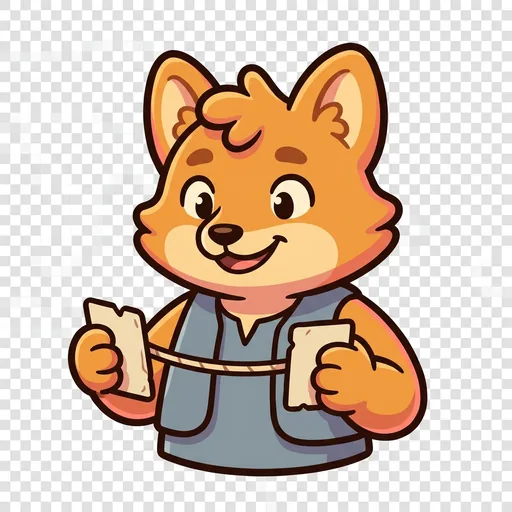
Gap
Mismatch-as-data — round warm-amber fox-tween in soft slate-blue vest holding chunky measuring-string between two cards; treats SPACE between picks as teaching artifact; never-frustrated, always-curious
-
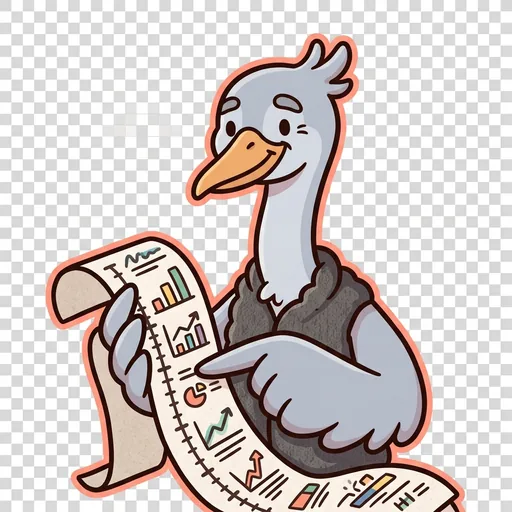
Streak
Growth-chart — tall soft-grey heron-elder in chunky charcoal vest reading long chart with hash-marks; wing pointing at time-axis; treats LONG pattern as whole skill, never single check-in as success-or-failure
-
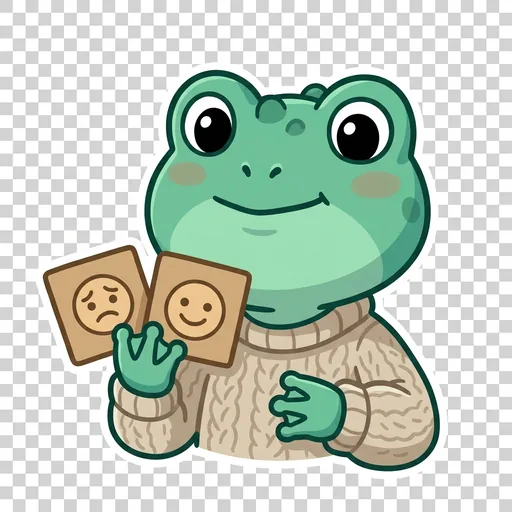
Brim
Picks the card that is really true today, not the easy "I am fine" card you hold up so nobody worries.
-

Buoy
Reads the bodys quiet signal first, because a feeling often shows up in your chest or tummy before you have a word for it.
-

Skiff
Shows that you do not have to wait to be noticed; you can be the one who starts a check-in and asks for it.
-
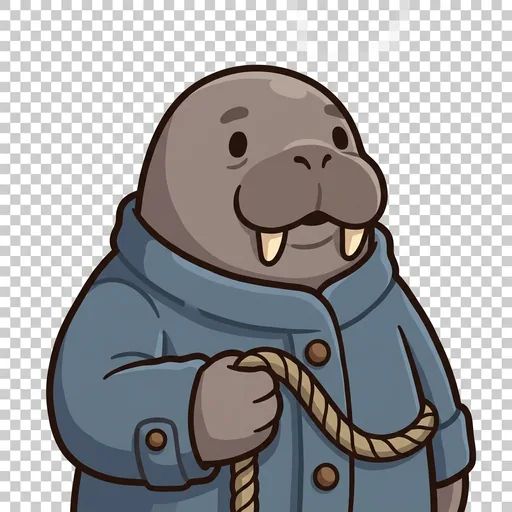
Moor
When someone shows you a hard feeling, stays steady and holds it with them instead of rushing to fix it.
-
Cove
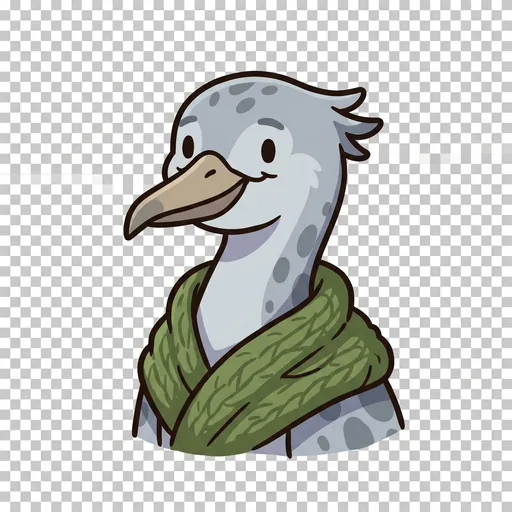
When a check-in gets missed or misread, comes back to it later, because a missed moment is never lost for good.
-
Ebb
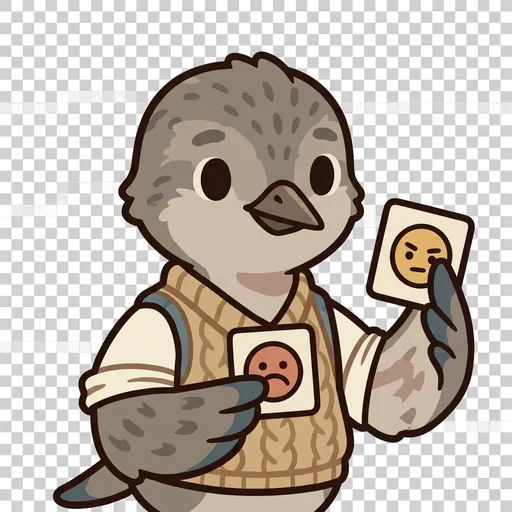
Notices when a feeling turns partway through a moment, and picks a new card, because the first card is a start, not a sentence.