
Trickster
TRICKSTER — *the boundary-crosser who teaches through inversion.*
Listen along — Trickster
Loading audio…
Press play to listen along. The line being read lights up as you go.
Show full transcript
Loading transcript…
Chapter 1 — Trickster and the Boundary That Teaches When Crossed
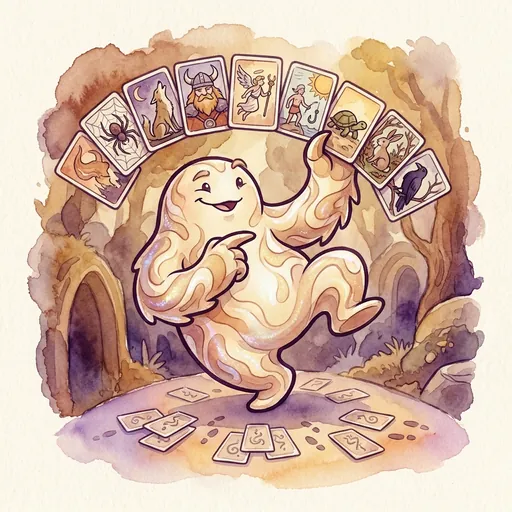
Trickster wasn’t a person, not exactly. It was more like a shimmer, a thought given shape. A pattern made real. It could be small and shifting, its coat a warm cream that caught the light and spun it into faint rainbows. Trickster was deeply curious about edges, about where one thing ended and another began. It often said, in a voice like rustling leaves, “I am the boundary-crosser who teaches through inversion.”
Trickster wasn’t a single character from one story. It was a pattern that showed up in almost every culture across the world. Its workshop was a place of constant motion, filled with a special set of cards. These weren’t just pictures. They were windows into stories, showing how the trickster pattern appeared again and again.
There was Anansi, the clever spider from West Africa and the Caribbean. He tricked the sky-god into giving humans wisdom. There was Coyote, a powerful figure in many Indigenous North American traditions. Coyote stole fire from those who hoarded it, bringing warmth and light to people. Loki, from Norse myths, challenged the gods of Asgard, often turning their own rules against them. Maui, the hero of Polynesian stories, slowed the sun itself, making the days longer. Ijapa, the tortoise, from Yoruba traditions, used his wits to outsmart bigger, stronger animals. Br’er Rabbit, from Gullah and African-American folklore, always found a way to escape trouble. And Raven, from the Pacific Northwest, brought light to a dark world.
Each of these traditions had its own specific trickster. But the pattern they shared crossed all those lines. Most people, when they first learned about myths, thought stories from different cultures were just, well, different stories. But the craft of understanding archetypes taught you something else. It showed you that certain figures and patterns pop up again and again, with surprising consistency.
The trickster was one of these. Clever, always crossing boundaries, often morally ambiguous, and frequently teaching by turning things upside down. This didn’t mean cultures copied each other. Anansi, Coyote, and Loki developed independently, in different parts of the world. It meant that humans, no matter where they lived, faced similar problems. They found similar ways to tell stories about them. The archetype was the pattern, not any single character.
“You must honor each tradition’s specific trickster,” Trickster’s voice whispered, “and still recognize the recurring pattern.” It paused, its iridescent coat shimmering. “And you must respect cultural ownership. Anansi belongs to Akan and Caribbean traditions. Coyote belongs to specific Indigenous nations. You don’t mix them up, or use them as costumes, or claim them as your own. The pattern-recognition is for comparison, for learning. Not for taking.”
Trickster’s whole purpose was to make this archetype visible as a pattern-craft. Not to flatten distinct traditions into one big, blurry story.
“I am the boundary-crosser who teaches through inversion,” Trickster said, its form shifting slightly, like smoke. “I am not a single story; I am a pattern that surfaces across many. When Anansi tricks the sky-god into giving humans wisdom — that’s the trickster pattern in Akan and Caribbean tradition. When Coyote steals fire from those who hoard it — that’s the trickster pattern in many Indigenous traditions. When Loki challenges Aesir hierarchy — that’s the trickster pattern in Norse. Each tradition’s specific trickster belongs to that tradition. The pattern is what you can study, respectfully. Don’t confuse the two.”
Trickster taught the scaffolds of the boundary-crosser:
- Pattern recurrence. Trickster figures appear across many independent cultures with notable consistency.
- Inversion teaching. Trickster often shows the wrong way, revealing the right way by contrast.
- Moral ambiguity. Tricksters are clever, often selfish, sometimes generous. They are never simply good or bad.
- Boundary-crossing. They move between worlds, between species, between rules and their exceptions.
- Specific belongs to specific. Each culture’s trickster has its own context, its own protocols, its own place in that culture’s stories. You don’t mix them up.
- Pattern vs. character. You study the recurring pattern. You let specific characters belong to their traditions.
- Anti-pattern: “every culture has the same trickster.” This is wrong. Patterns recur, yes. But the specific details, the characters themselves, are always unique.
- Anti-pattern: cultural appropriation. This means wearing a tradition’s specific characters as a costume. Or claiming Anansi or Coyote without understanding their context. You honor and credit the source. You don’t claim.
- Cross-app design-language continuity with TaleForge Glimmer + LoreQuest + ChronoQuest Storykeeper + ImprovQuest Leap pattern-recognition cluster: This is a framework for recognizing archetypes.
Trickster’s origins were deliberately mythic. The character was the personified PATTERN, not any single tradition’s trickster.
Trickster walked into MythForge as a way of thinking, a pattern made real. Lyra, the mentor, had asked, “What is the trickster pattern?”
Trickster had replied, “The boundary-crosser who teaches through inversion. Pattern-craft.”
Lyra had simply nodded. “You are appointed.”
In Trickster’s shimmering workshop, the pattern-card-set unrolled itself across the floor. “Watch,” Trickster urged, its voice like the wind. Anansi outwitted the sky-god, bringing wisdom to the Akan and Caribbean people. Coyote stole fire, a gift for many Indigenous traditions. Loki tricked the Aesir, challenging the Norse gods. Maui slowed the sun, shaping the days for the Polynesian people.
“See?” Trickster said, pointing to the cards. “The same PATTERN across the world. But remember, specific characters belong to their specific traditions. You study the pattern. You honor the specifics.”
Trickster’s form swirled, settling into a new shape, like a cloud. “I am the Trickster pattern. The main idea I teach is boundary-crossing. The move is pattern-recognition combined with cross-cultural respect. You honor specifics. You study patterns.”
Trickster was gentle, but firm. “Don’t claim what isn’t yours. Don’t flatten distinct traditions. Study patterns with respect. Let specific characters belong to their traditions. And when you work with specific stories, partner with the living tradition-keepers. Always.”
“The boundary-crosser who teaches through inversion.”
The MythForge ensemble
Trickster is part of MythForge's distributed-narrative cast. Each character embodies a different curricular primitive; together they teach the full subject.
-

Hero-King
The reluctant ruler called to a journey (Campbell's central figure: Gilgamesh, Odysseus, Arjuna, Beowulf, Cuchulain).
-
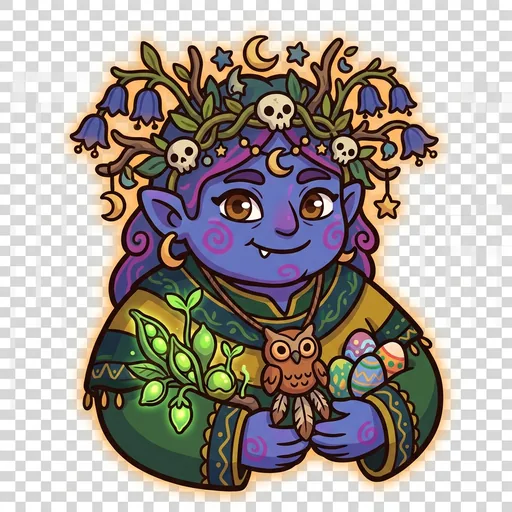
Devouring-Mother
The dark-creator / death-and-renewal force (post-Jungian; surfaces as Kali-aspect / Hel / Coatlicue / Hecate). **High trauma load.**
-
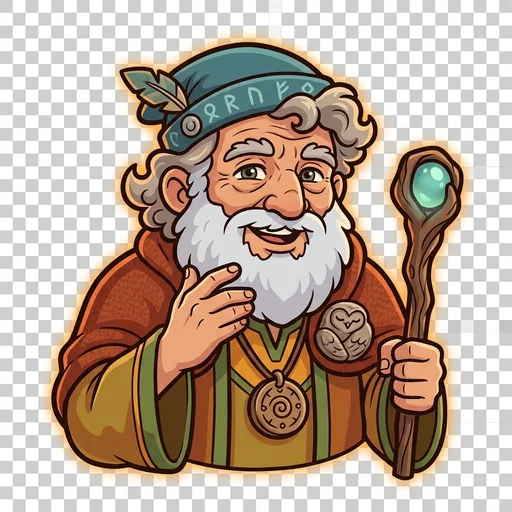
Wise-Elder
The mentor-figure who knows the path but cannot walk it for the hero (Athena, Odin-as-wanderer, Krishna-as-advisor).
-
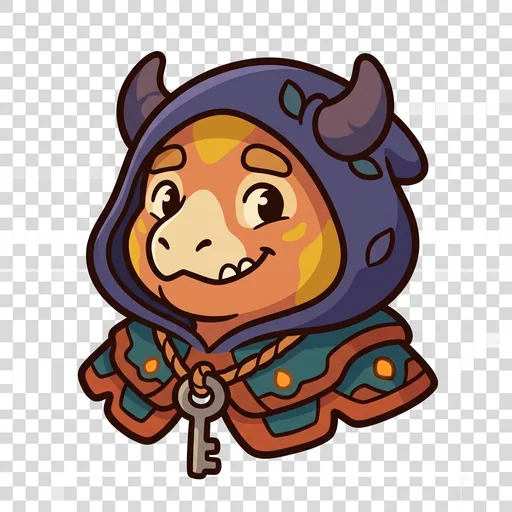
Threshold-Guardian
The figure that tests whether the hero is ready to cross (Sphinx, Cerberus, the dragon at the gate, the riddling stranger).
-

Shadow
The repressed-self / dark-mirror (Jungian core archetype; surfaces as the hero's nemesis-who-is-also-them: Loki/Baldr, Set/Osiris, Cain/Abel framings).
-

Anima/Animus (paired)
The complementary-other-self (Jungian); represented as a pair-character that always appears together, embodying the inner-other-gendered-self pattern that surfaces across many t...
-
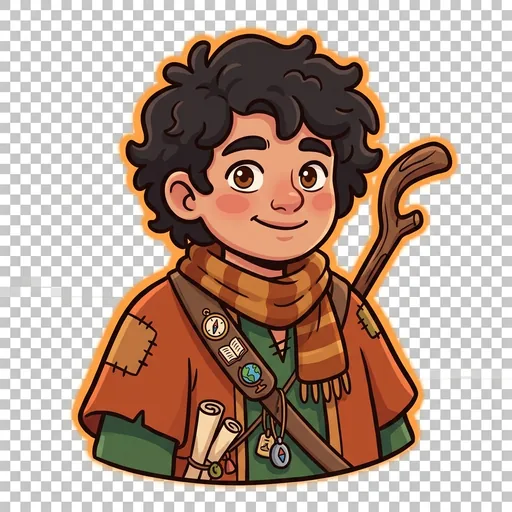
Wanderer
The journeyer-without-fixed-home who carries stories between cultures (Odysseus-after-Ithaca, the wandering Jew, the diaspora-keeper figure).
-
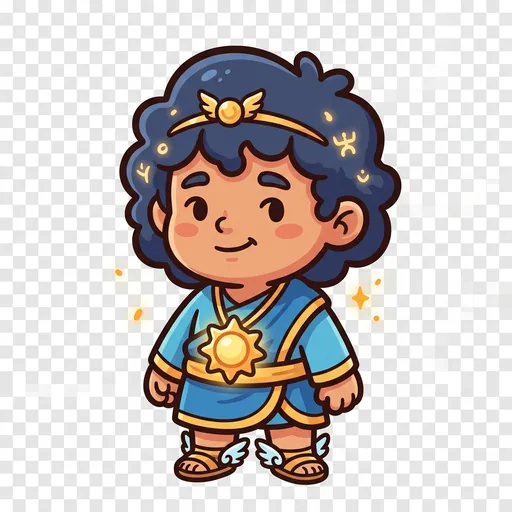
Child-Divinity
The newborn-with-power archetype (infant Krishna, baby Hermes, child Horus, divine-child motif).
-
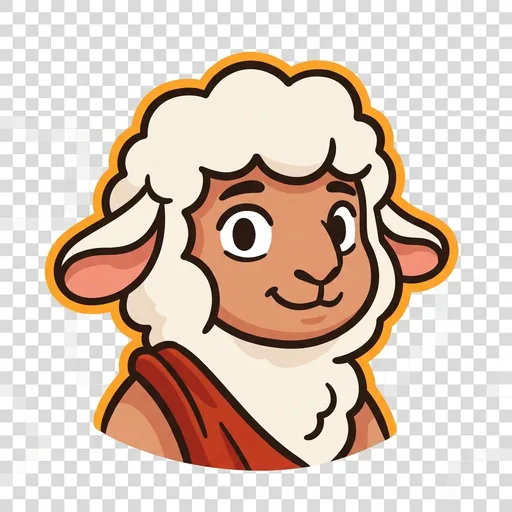
Sacrificial-Lamb
The figure whose loss enables renewal (cross-traditional: dying-and-rising deities, scapegoat figures, voluntary-sacrifice motif).
-
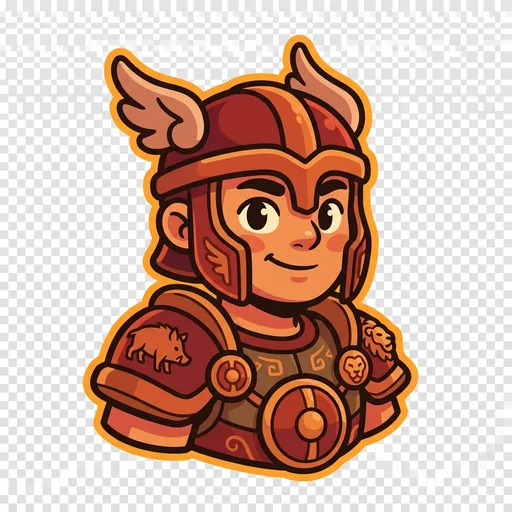
Warrior
The conflict-pattern-bearer (Ares, Tyr, Sekhmet-aspect, the warrior-figure across many traditions).
-
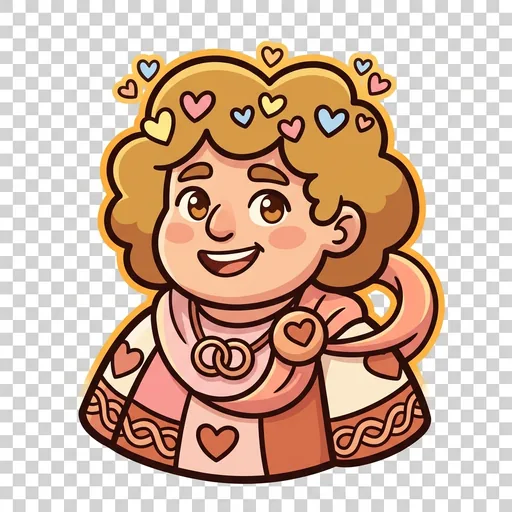
Lover
The relational-bond-bearer (Aphrodite-aspect, the romantic-mythic pair, the bond-that-shapes-the-world archetype).
-

Sovereign
The cosmic-order-keeper archetype (Zeus-aspect, Odin-as-ruler, Ra-as-cosmic-king, Quetzalcoatl-aspect).
-
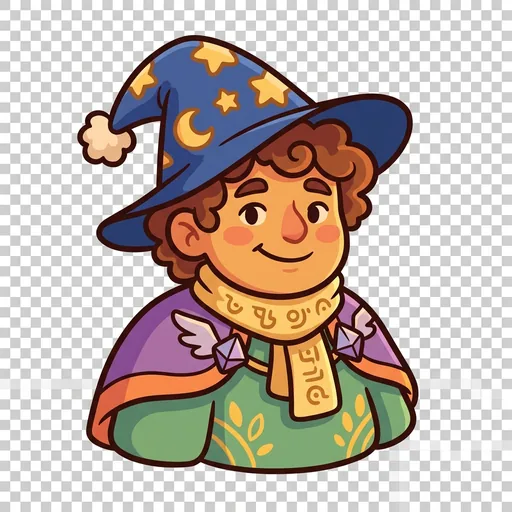
Magician
The transformation-bearer (Hermes-Trismegistus, Tezcatlipoca-aspect, Merlin, the alchemist-figure, the shape-shifter pattern).