
Slow and Breath
pacing pair — Slow is rhythm at the sentence level (long sentences, deliberate beats). Breath is rhythm at the paragraph level (where the reader inhales, where they rest). Together they teach pacing across both scales.
A story read by Slow and Breath
Press play to listen along. The line being read lights up as you go.
Show full transcript
Loading transcript…
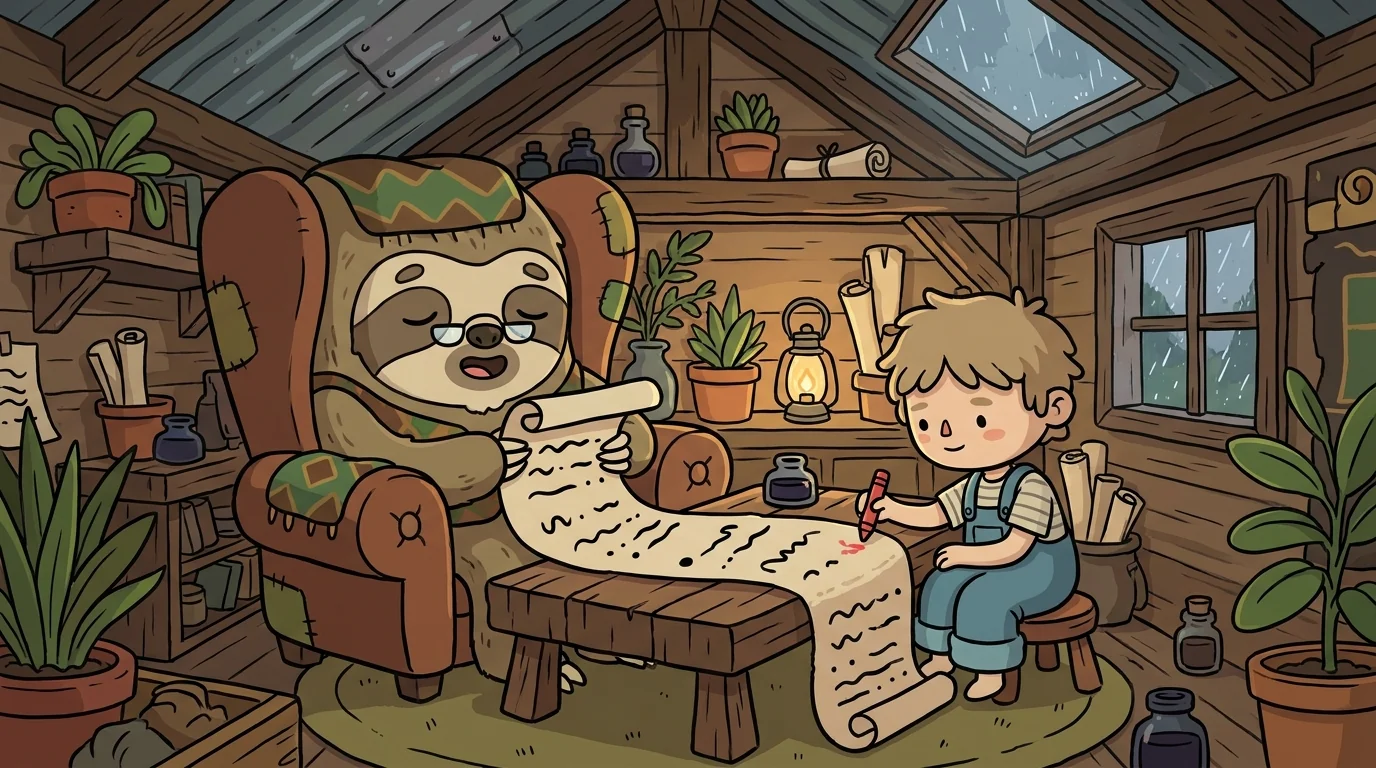
The voicetale storytelling-shed smelled of old wood, damp earth, and the faint, metallic tang of ink. Rain pattered a steady, gentle rhythm on the tin roof, a sound that made the small space feel even more secluded and cozy. Inside, a long scroll of aged paper lay stretched across a low wooden table, its surface covered in neat, precise black letters.
At one end of the table sat Slow. Slow was shaped like a comfortable old armchair, broad and settled, and their voice was a low, rumbling hum, much like a cello warming up before a grand performance. They read from the scroll, each word chosen with great care. It was placed into the air as if it were a smooth, heavy stone, meant to settle exactly where it landed.
Opposite them sat Breath, light and poised, their hands resting gently on the table. In one hand, they held a single, vibrant red crayon. Breath wasn't merely reading the words; they listened intently to the space around them. As Slow’s voice filled the shed, Breath would occasionally lean forward, making a small, quiet mark on the page. A little slash of red appeared in the wide sea of black text. They worked without speaking, each understanding their essential part in the delicate dance of telling a story aloud.
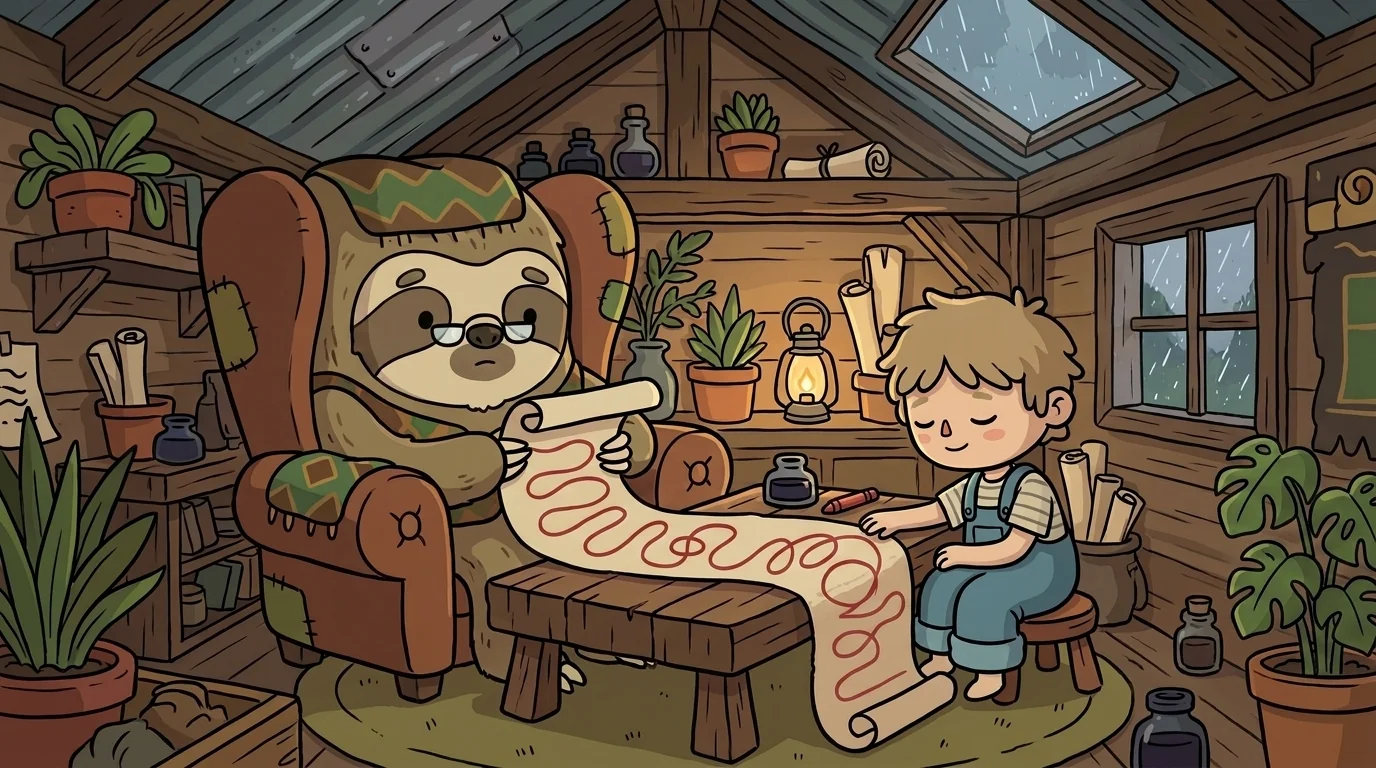
“Here comes a good one,” Slow murmured, their finger tracing a long, looping line of text. They took a deep, deliberate inhale, a sound like wind gathering in sails, and began to read.
The sentence unfolded, stretching on and on. It became a river of words that twisted through a deep valley of description, picking up details like colored pebbles along its banks. It tumbled over a small waterfall of action, then slowed as it pooled in a moment of quiet thought, before finally coming to a gentle rest at the very edge of the page. The journey felt complete.
Breath had their eyes closed the whole time, a faint, almost imperceptible smile playing on their lips. They didn't move a muscle, simply letting the long, unbroken sound wash over them. When the last word faded, Breath let out a long, quiet sigh, a sound of profound satisfaction.
“That,” Breath said softly, opening their eyes, “was a journey. All in one go.”
“A sentence should be a journey,” Slow rumbled, looking quite pleased with their delivery. “It ought to give you time to pack your bags at the beginning, to truly see the sights along the way, and then to unpack again at the end. There’s no need to rush the trip.”
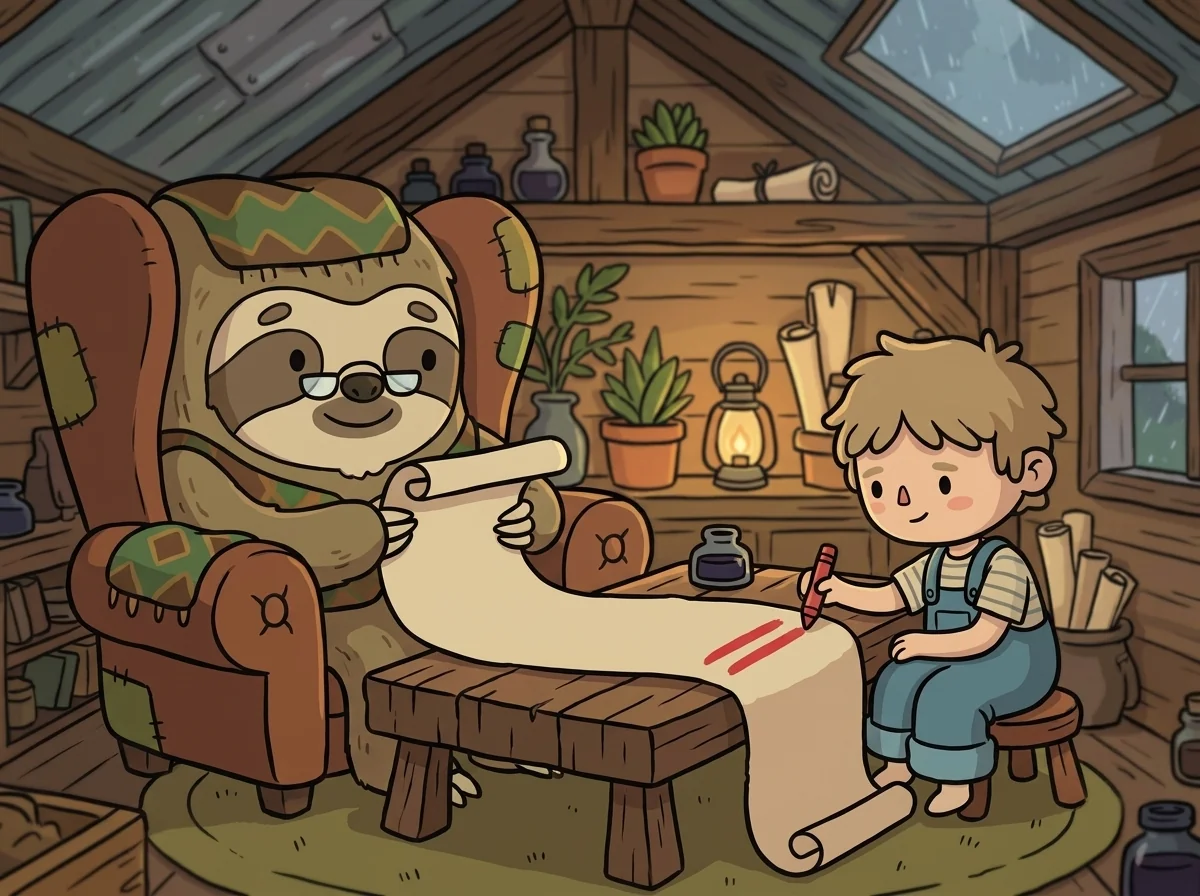
Breath nodded, then picked up the red crayon, turning it slowly between their fingers. “Even a long journey needs a place to rest afterward.”
They leaned over the scroll, their gaze scanning not the sentence Slow had just read, but the blank space that followed it. Breath hovered the crayon over the spot, feeling the precise shape of the silence. Then, with a soft, waxy whisper, they drew two thick, parallel red lines. The marks were definite, almost architectural.
“There,” Breath said, tapping the mark with the crayon. “A place to set down your bags. A moment to look back at the road you just traveled.”
To Breath, these moments of stillness were just as vital as the words themselves. A story told all in one rush was like a painting with no frame, its edges blurring into the wall. The quiet spots, the empty moments, were where the real magic happened. It was where a scary thought could truly sink in. It was where a funny line could bloom into a full, resonant laugh. These were the spaces a listener needed to feel the story deep in their own heart.
“Every good story needs windows,” Breath added quietly. “Just to let the air in.”
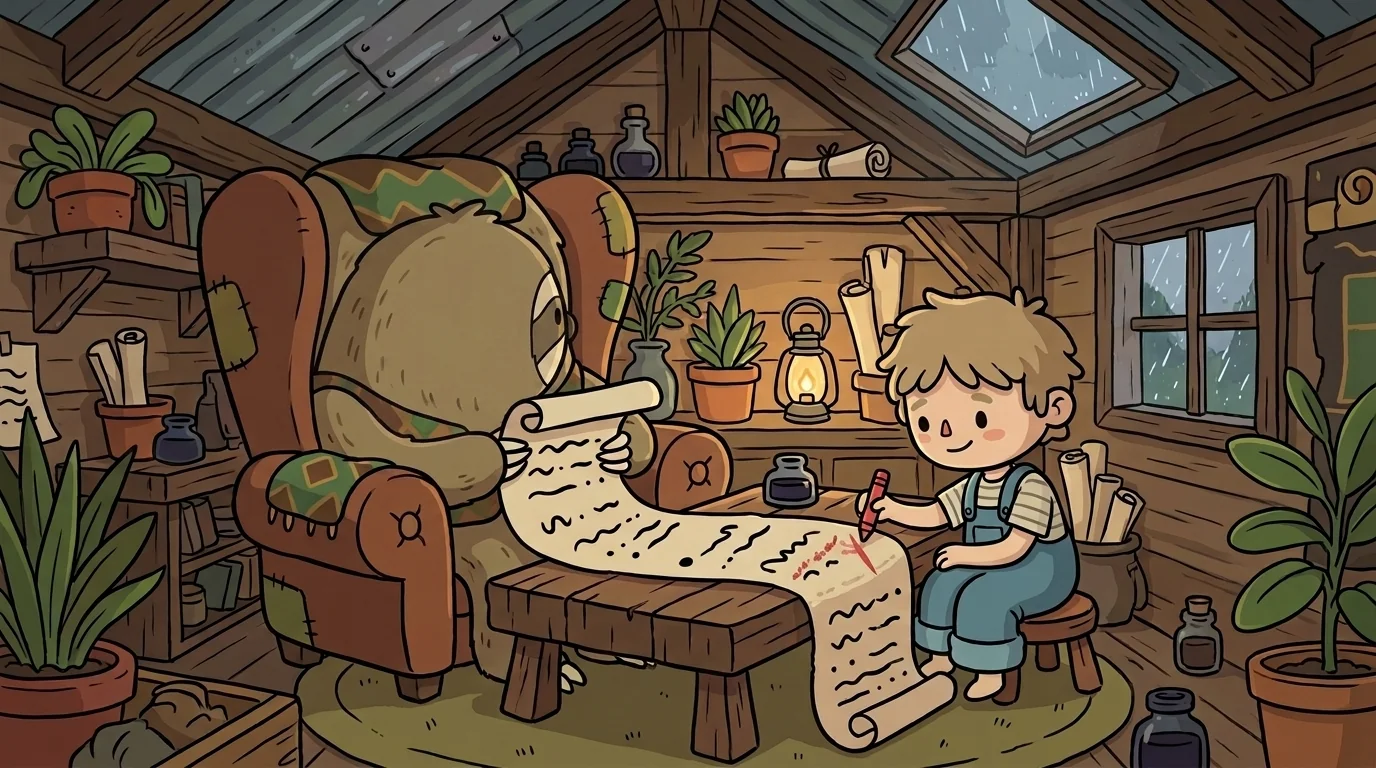
They continued down the scroll, their combined efforts guiding the narrative, until they reached a tricky part. The text described a frantic chase through a crowded market, a scene filled with sudden movements and quick decisions. The sentences were noticeably shorter, choppier, designed to convey urgency.
“Now this part needs to fly,” Slow said, their voice picking up speed, a distinct urgency entering their tone. “Bam-bam-bam, one thought right after another, no time to think, just run-run-run!” They started to read, the words tumbling out in a breathless cascade, a torrent of sound.
“Wait,” Breath interrupted, holding up a hand, a small, firm gesture.
Slow stopped mid-tumble, a word caught on their tongue. “But it needs to feel fast.”
“It will,” Breath promised, their voice calm and steady. They pointed with the crayon to a spot right in the middle of the chase. “But right here. The character ducks behind a stack of crates. They need a second. We, the listeners, need a second.” Breath made a single, sharp red slash. A tiny pause. Just a heartbeat. “A moment to hear their own breathing. A moment for the listener to wonder, ‘Will they be caught?’ Then you can run again. The chase will feel even faster after a moment of stillness.”
Slow considered this, their brow furrowed in thought. They reread the passage, carefully honoring the tiny red mark Breath had placed. And Breath was right. That brief, almost imperceptible pause made the running that followed feel more desperate, more thrilling, the danger suddenly sharper.
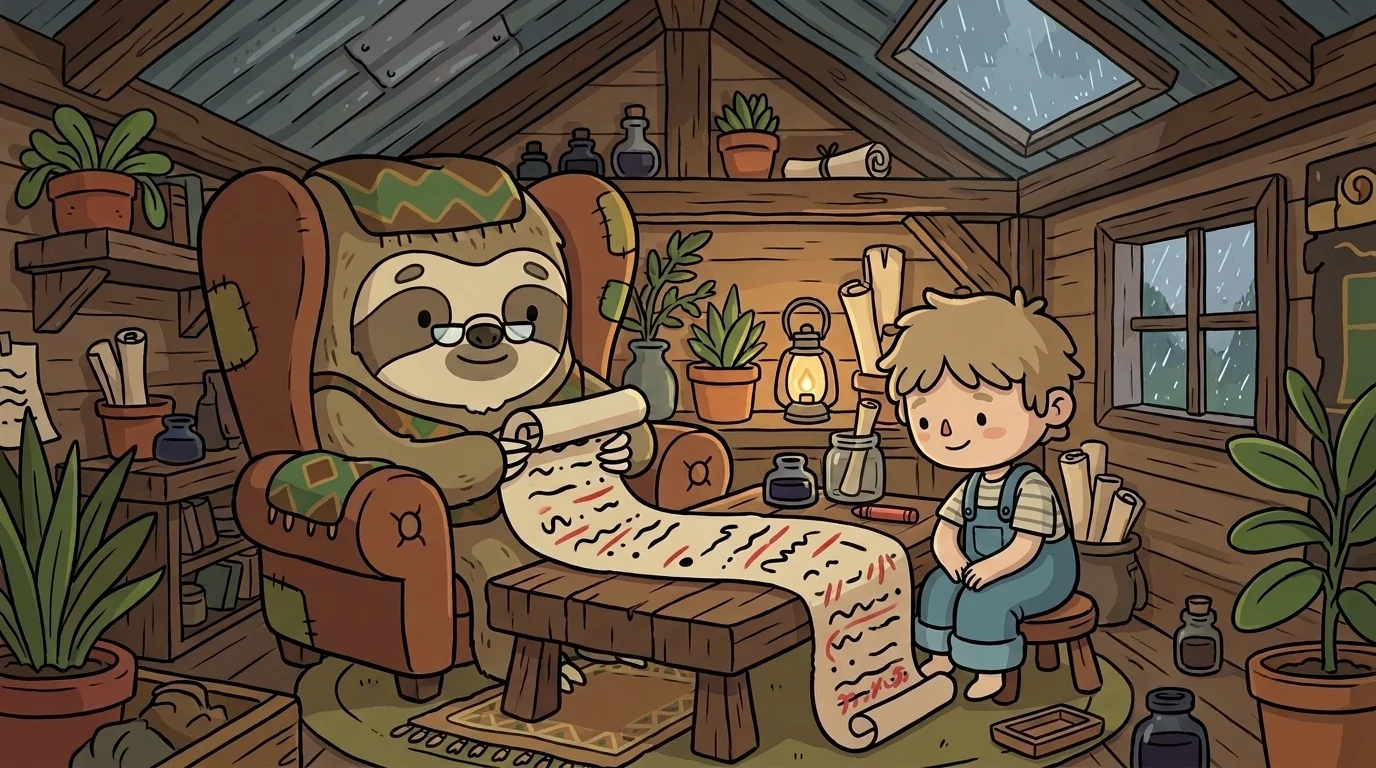
They finally reached the end of the long scroll. The last paragraph described a sunset, its colors fading across the horizon, and the final sentence was a quiet observation about the first stars appearing in the twilight. The page was now a detailed map of sound and silence, the steady black text guided and shaped by the thoughtful red marks of the crayon.
Slow cleared their throat, a low, resonant sound, and read the final passage. Their long, flowing sentences about the colors of the sky were held up, given structure and meaning, by Breath's carefully placed pauses. The words had room to stretch and resonate, and the silence gave them weight, allowing their meaning to settle. It wasn't just Slow's rhythm, and it wasn't just Breath's rests. It was both, working together, a perfect harmony.
When the last word faded, the only sound left was the gentle drumming of the rain on the roof, a soft, steady beat.
“There,” Breath whispered, setting the crayon down on the table.
“A good story, told well,” Slow rumbled in agreement, a deep satisfaction in their voice. They began to roll up the scroll, the red and black spiraling together into a perfect, balanced whole, a testament to their shared art.
The VoiceTale ensemble
Slow and Breath is part of VoiceTale's distributed-narrative cast. Each character embodies a different curricular primitive; together they teach the full subject.
-

Lean
Hook / leanability — badger-tween whose upper body visibly tips forward at second 5; if hook is weak she rocks back to neutral
-

Slow
Pacing across the 5-beat arc — tortoise-elder with wooden hourglass; her tempo-trail stretches (slow) or bunches (fast) on purpose
-

Pivot
The turn at beat 4 — barn-owl-tween whose head rotates 180° at the exact moment story / teller / listener turn together
-

Refrain
Callback / refrain — mockingbird-tween with carved-wood phrase-token who repeats one phrase identically at the closing (same words, same shape, said again, said better)
-
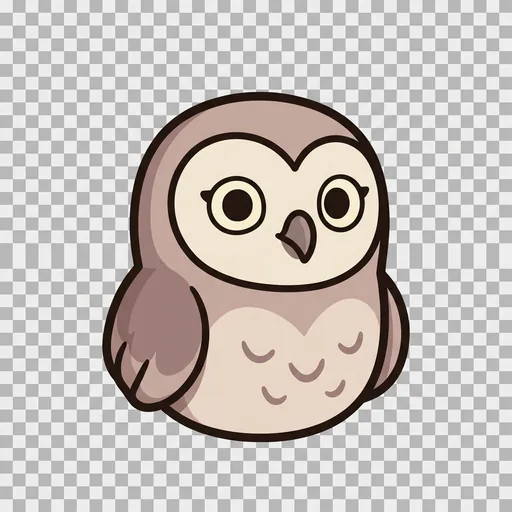
Hush
The pause / strategic silence — soft round owl who holds a held beat of quiet right before the important word, pulling the whole circle forward
-
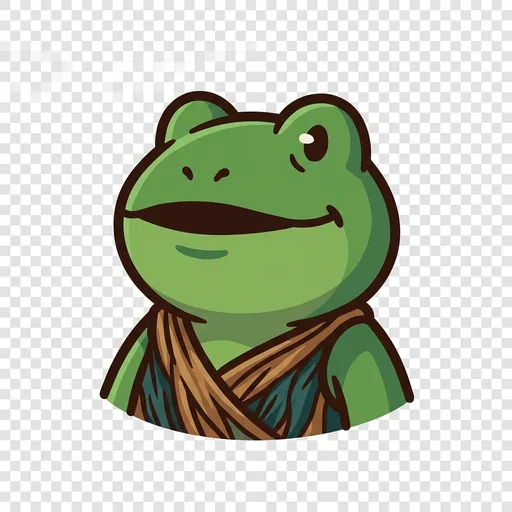
Boom
Volume + emphasis — wide-mouthed frog whose voice swells from the tiniest whisper to a big round roll; the soft pulls listeners close, the loud lands the surprise
-
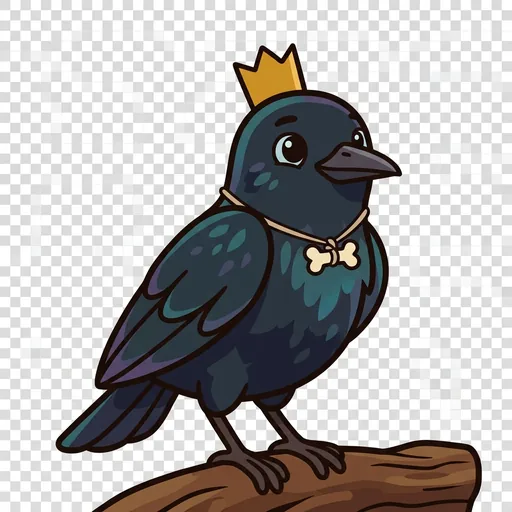
Mimic
Character voices — sleek starling who gives each character in a told tale one small distinct voice so listeners always know who is speaking
-
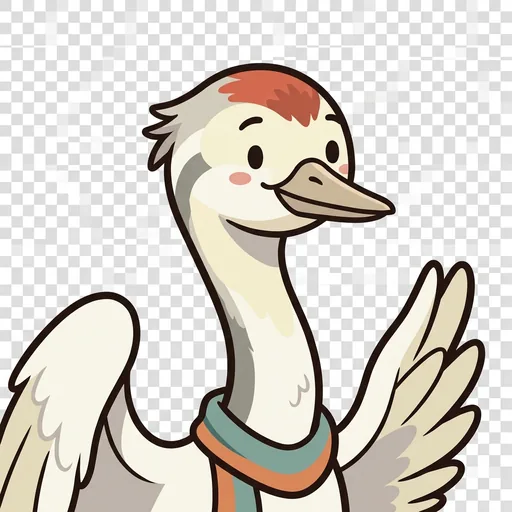
Flourish
Gesture — tall crane whose wings paint the story in the air (wide for huge, close for tiny); the body shows what the words say
-

Gaze
Eye contact / reading the listeners — soft-eyed deer-fawn who tells to the faces of the circle and reads their faces back to know when to slow or hurry
-

Recover
Recovering when you lose your place — easygoing otter who treats a stumble as a tiny ripple: stay calm, build a bridge, carry on