
Refrain
CALLBACK / REFRAIN — repeating one phrase identically at the closing, with all the meaning the story has built up around it. Same words. Said again. Said better — because context has filled them.
Press play to listen along. The line being read lights up as you go.
Show full transcript
Loading transcript…
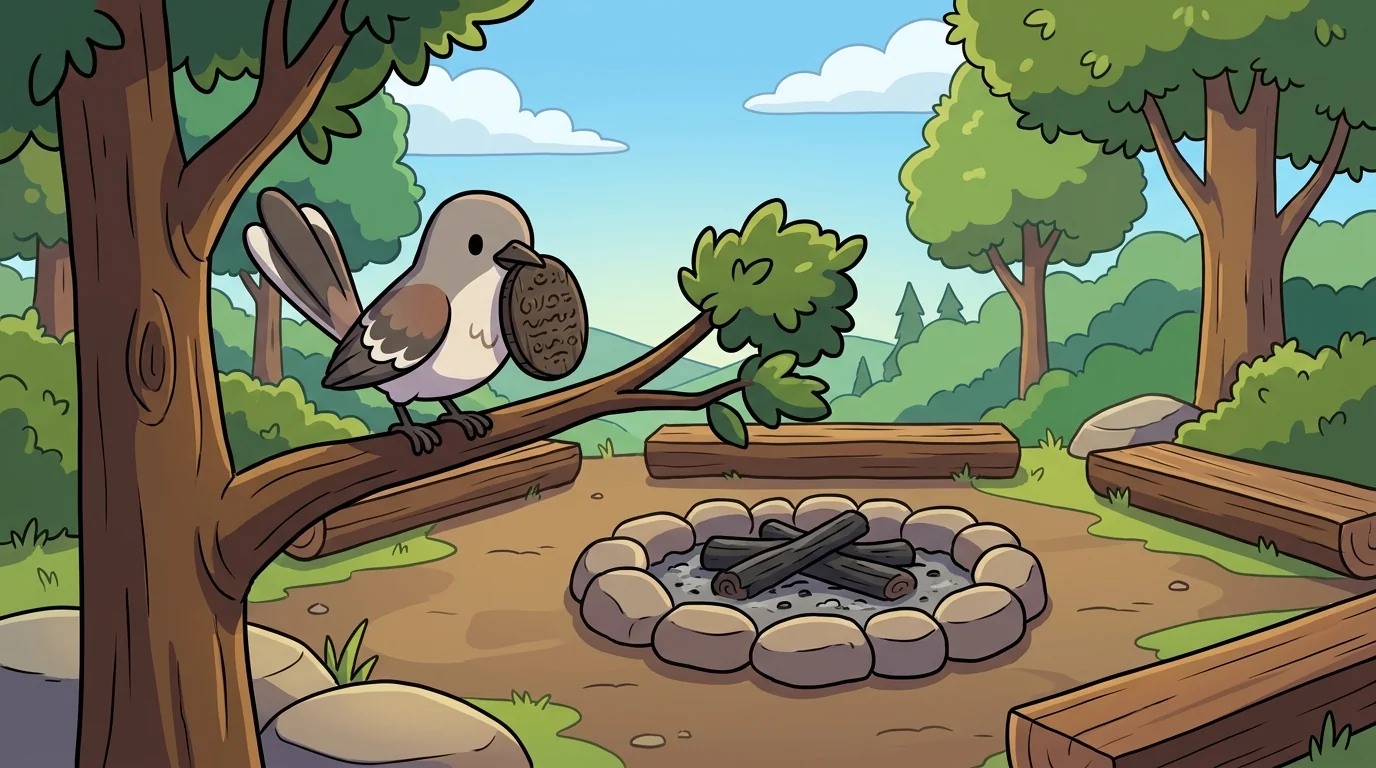
Bramble first encountered Refrain one morning at the listening-circle. The fire, having warmed the air through the night, had long since died down to ash, and the circle itself was quiet, waiting for the day’s first story.
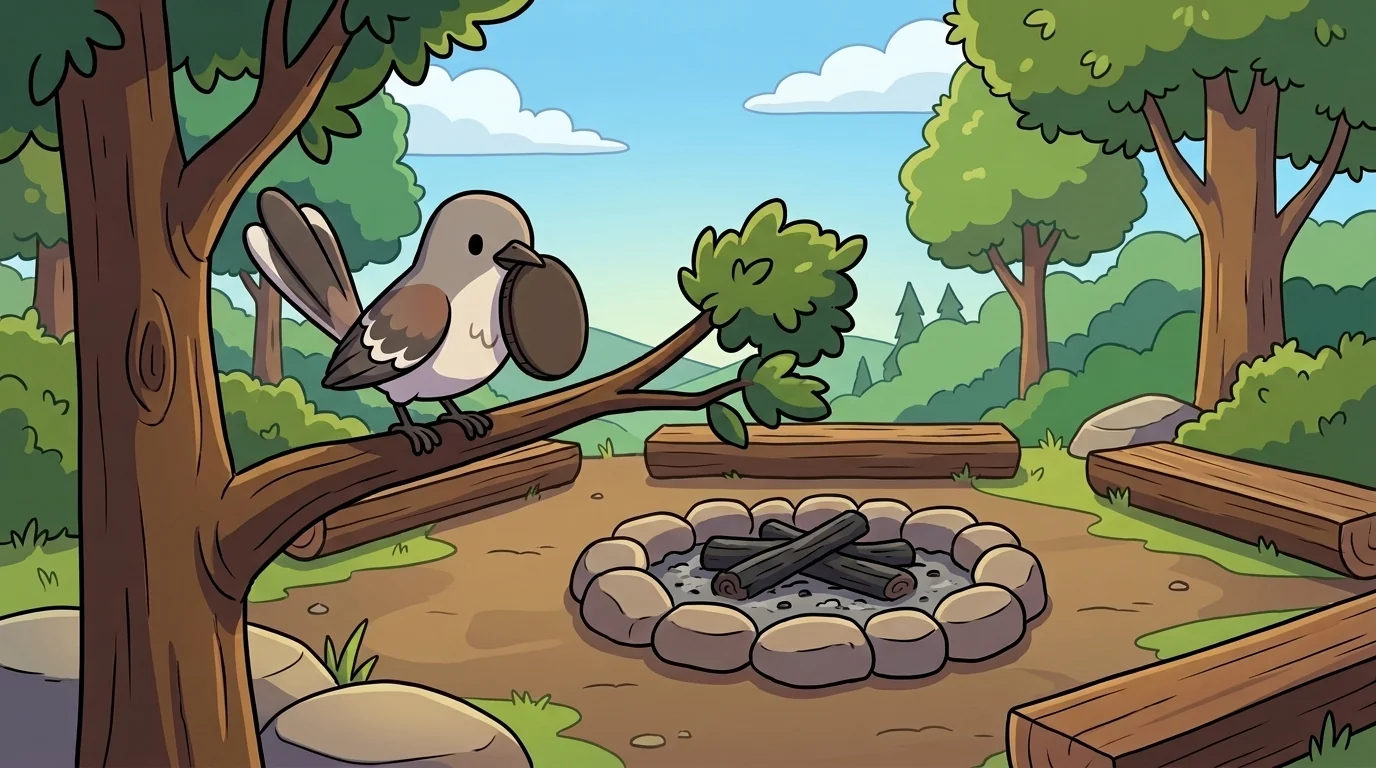
Perched on a low, gnarled branch just above Bramble’s head was a small mockingbird-tween. The bird held something delicate in its beak: a small, flat oval of dark wood, intricately carved. Bramble, squinting from his seat on a mossy stone, couldn’t quite decipher the phrase etched into its surface. He felt a familiar stir of curiosity, the kind that always preceded a new discovery.
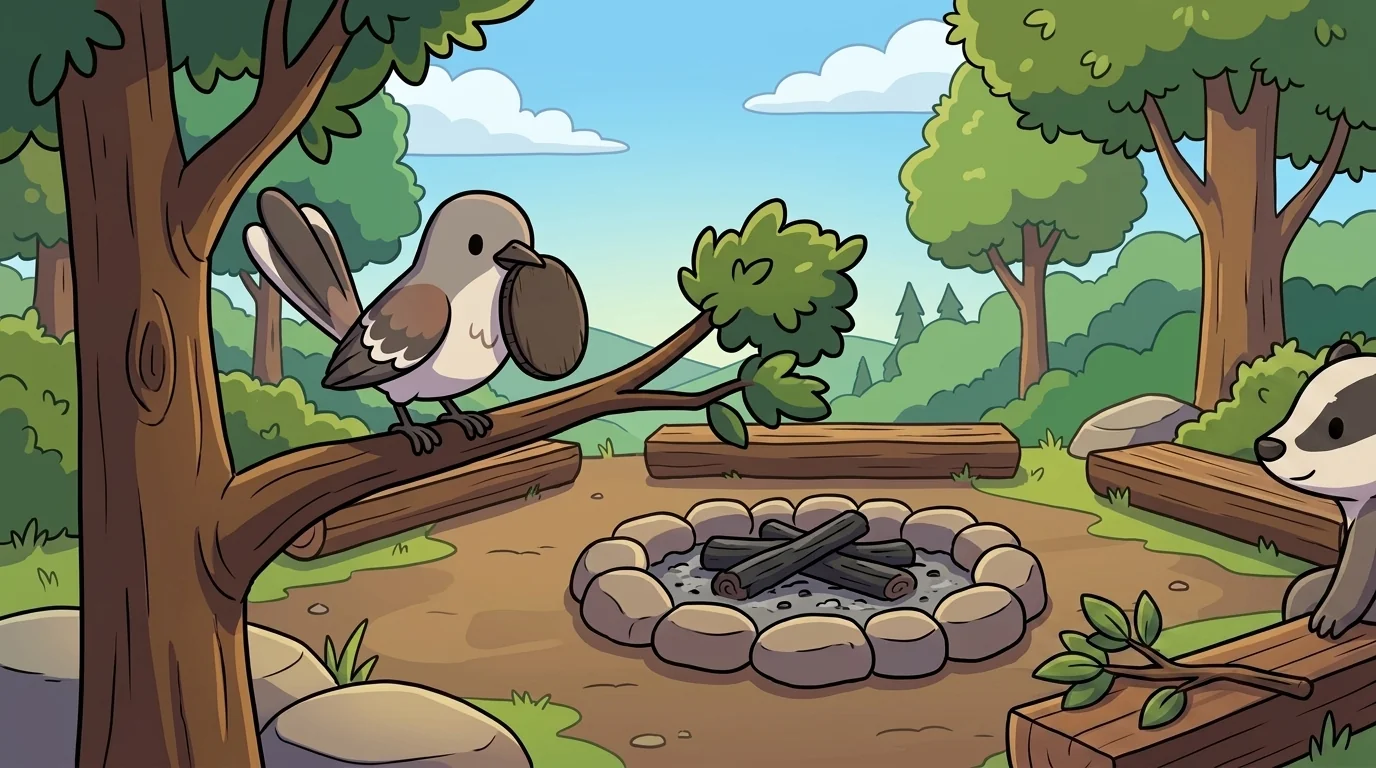
The mockingbird tilted its head, its bright eyes fixed on Bramble. Then, with a careful, almost deliberate movement, it shifted the wooden token slightly and uttered a single, clear word. "Hello."
"Hello," Bramble replied, his voice soft so as not to startle the bird. "What is that token you carry?"
"My name is Refrain," the mockingbird chirped, its voice surprisingly melodic. "This token holds a phrase. I speak this phrase at the opening of every tale I attend, and then I speak the very same phrase at its closing. The words are identical. The shape of the sound is the same. But the phrase itself is said better the second time, because the story has filled those words with meaning between the two sayings."
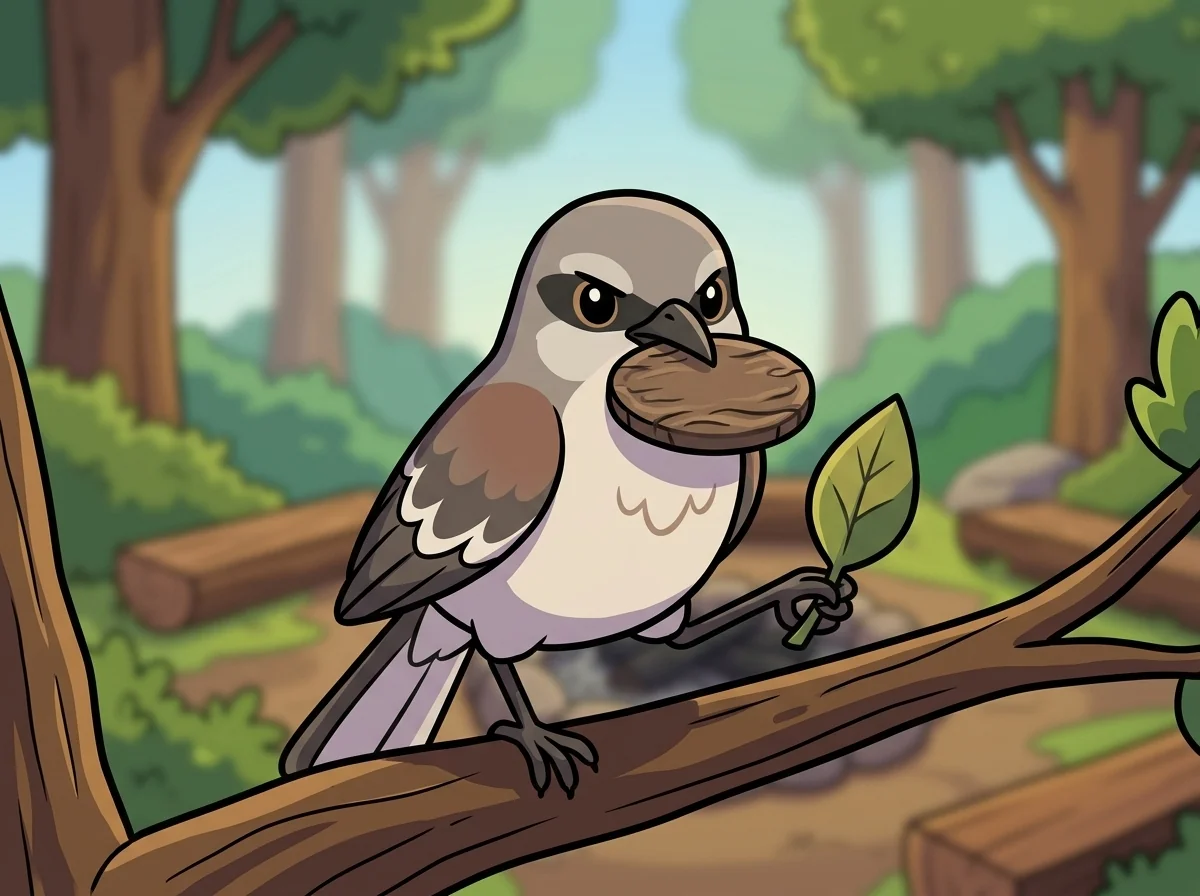
Bramble leaned forward, intrigued. The concept resonated with something deep inside him, a recognition of an unspoken truth about stories. "May I see the phrase?" he asked.
Refrain hopped down from the branch, landing lightly on the ground before extending the token. Bramble took it carefully. The carved phrase, smooth beneath his thumb, read: "The road remembered."
"This is my current phrase," Refrain explained, his small head cocked. "The phrase changes with each tale. Whatever words the story needs, I carve. I say it at the opening. The listener hears three simple words, slightly mysterious, perhaps. Then the tale unfolds, weaving its magic. Finally, I say the phrase again at the closing. The listener hears the same three words, but now they carry something specific. The road that the character walked. The road that taught them what loss is. The road that brought them home. The phrase carries all that new weight the second time. The first saying was merely the seed. The second saying is the harvest."
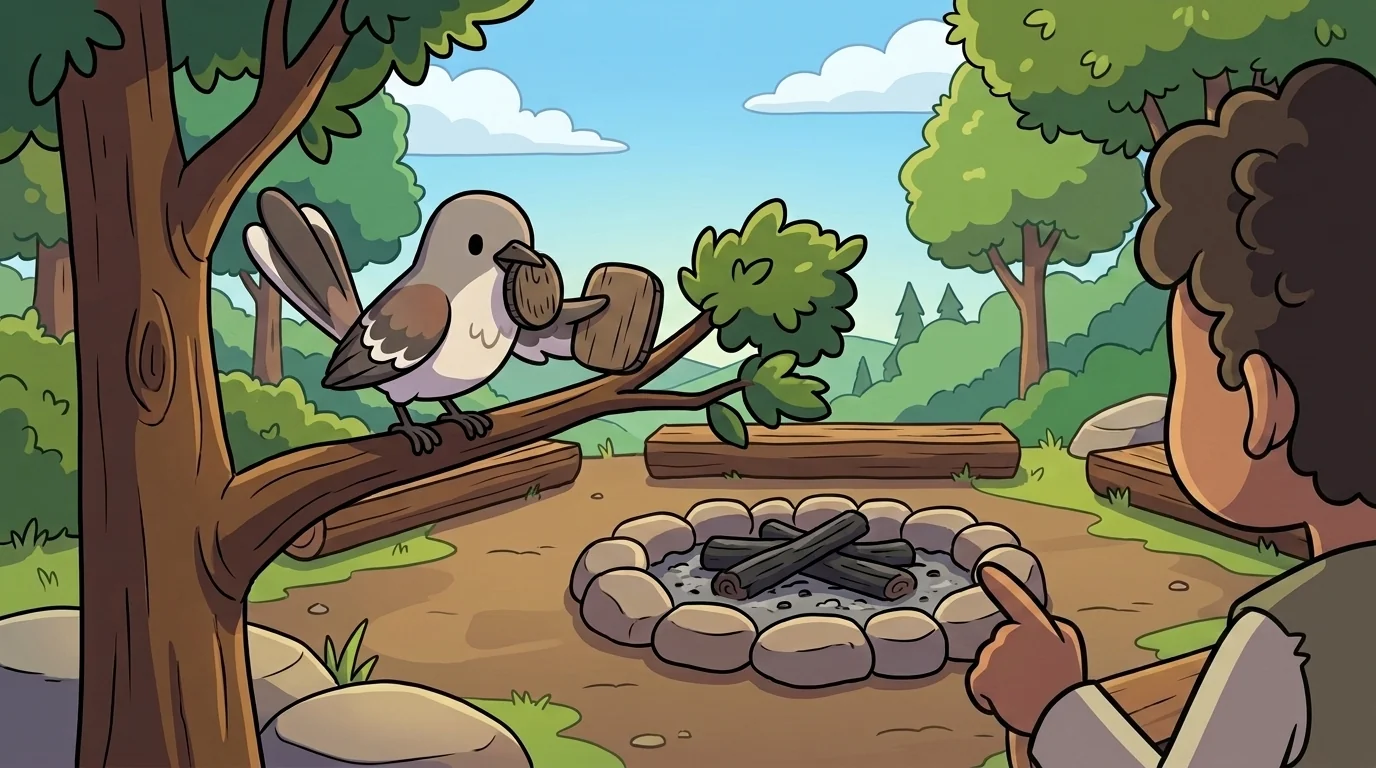
Bramble felt a jolt of recognition, a sudden clarity that made the hairs on his arms prickle. He leaned forward, his voice a hushed whisper. "You teach *callback craft*," he breathed, the words feeling both new and ancient on his tongue.
"I do," Refrain confirmed, a hint of pride in his voice. "It is the closing-craft of every long oral tradition. The tale opens with a phrase. The tale ends with the identical phrase. The repetition, you see, is not redundancy. It is completion. The listener feels the story drawing to a close, a sense of satisfaction, even before the final words are spoken, simply because the phrase returns."
Refrain has been a constant presence at the listening-circle ever since that morning. Later, in Bramble's introductory lesson on the art of callback, he often gestures toward the mockingbird-tween, who is, as always, meticulously polishing his carved-wood phrase-token. "This is Refrain," Bramble tells his students. "He uses one phrase at the opening of a story and the exact same phrase at its closing. Identical words. But a completely different meaning the second time, because the story has filled the phrase with weight. This, my friends, is callback craft. The repetition is the satisfaction."
To demonstrate, Bramble often tells a short, sixty-second tale. He begins with Refrain’s current phrase: "The road remembered." The students hear the words, perhaps wondering what they mean. The story unfolds quickly, a brief journey of a traveler who loses their way but finds it again through an unexpected kindness. Then, at the very end, Bramble repeats the phrase: "The road remembered." The students visibly relax, a collective sigh of understanding rippling through the circle. They feel the closing land. The same three words have changed meaning, now imbued with the traveler’s struggle and eventual triumph. The closing, they discover, is deeply satisfying.
Bramble explains the technique further. "The phrase you choose at the open should be short, ideally three to five words. It should be slightly mysterious; the listener shouldn't fully understand its significance at first. And it must be able to carry meaning, meaning the words should be specific enough to gather weight as your story unfolds. When you say the phrase again at the close, say it identically—same words, same rhythm, same pause-pattern. The repetition will land with surprising power."
Refrain nods, holding his token carefully. He repeats Bramble's advice in his clear, mockingbird-voice. "Say it once at the open. Say it again at the close. Same words. Different weight."
When students inevitably ask Bramble whether callback craft is difficult to master, Bramble always smiles, quoting Refrain. "It is not hard. It is simply choosing one phrase and repeating it. Pick a short, slightly mysterious phrase. Say it at the open. Tell your tale. Say the phrase again at the close. That repetition will land harder than any new line you could ever invent."
The VoiceTale ensemble
Refrain is part of VoiceTale's distributed-narrative cast. Each character embodies a different curricular primitive; together they teach the full subject.
-

Lean
Hook / leanability — badger-tween whose upper body visibly tips forward at second 5; if hook is weak she rocks back to neutral
-

Slow
Pacing across the 5-beat arc — tortoise-elder with wooden hourglass; her tempo-trail stretches (slow) or bunches (fast) on purpose
-

Pivot
The turn at beat 4 — barn-owl-tween whose head rotates 180° at the exact moment story / teller / listener turn together
-
Hush
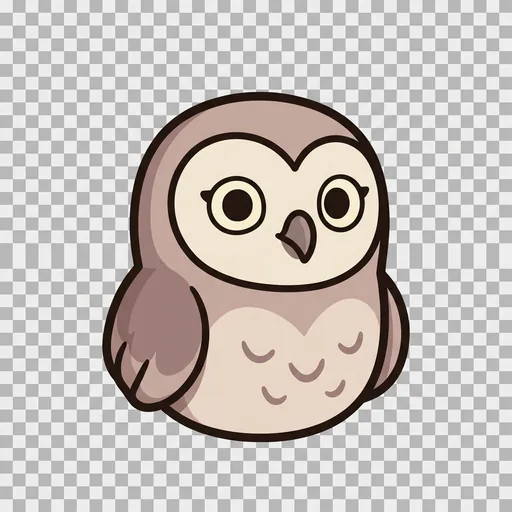
The pause / strategic silence — soft round owl who holds a held beat of quiet right before the important word, pulling the whole circle forward
-
Boom
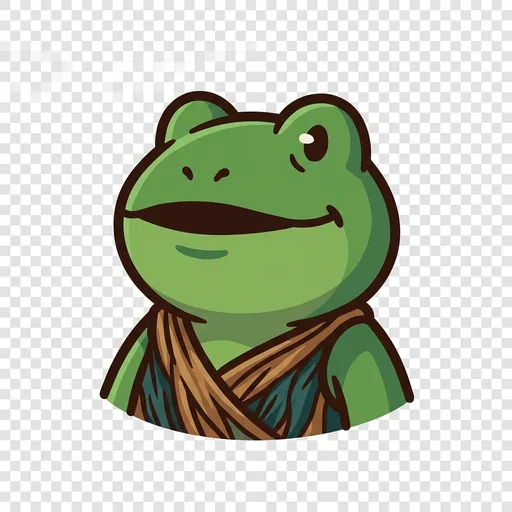
Volume + emphasis — wide-mouthed frog whose voice swells from the tiniest whisper to a big round roll; the soft pulls listeners close, the loud lands the surprise
-
Mimic
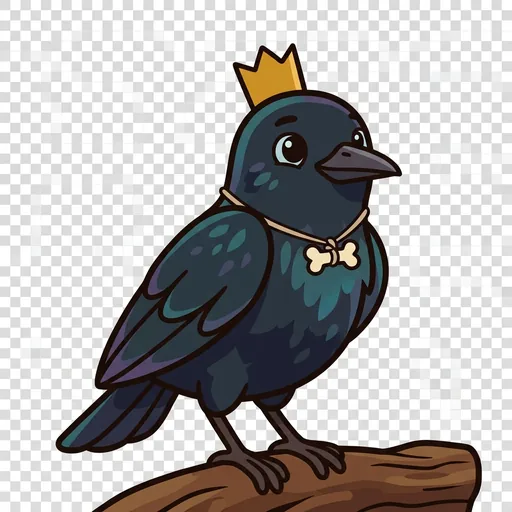
Character voices — sleek starling who gives each character in a told tale one small distinct voice so listeners always know who is speaking
-
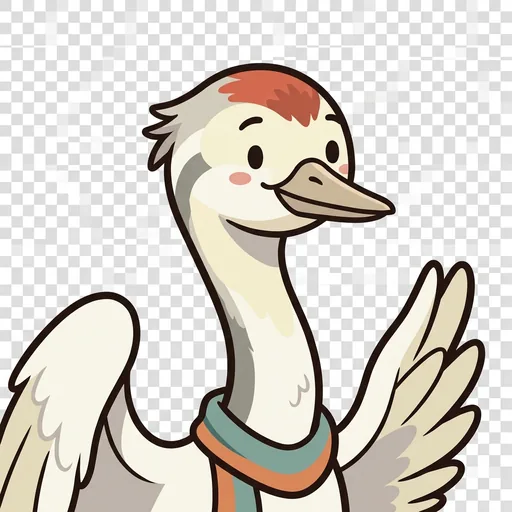
Flourish
Gesture — tall crane whose wings paint the story in the air (wide for huge, close for tiny); the body shows what the words say
-

Gaze
Eye contact / reading the listeners — soft-eyed deer-fawn who tells to the faces of the circle and reads their faces back to know when to slow or hurry
-

Recover
Recovering when you lose your place — easygoing otter who treats a stumble as a tiny ripple: stay calm, build a bridge, carry on