Gap and Moor
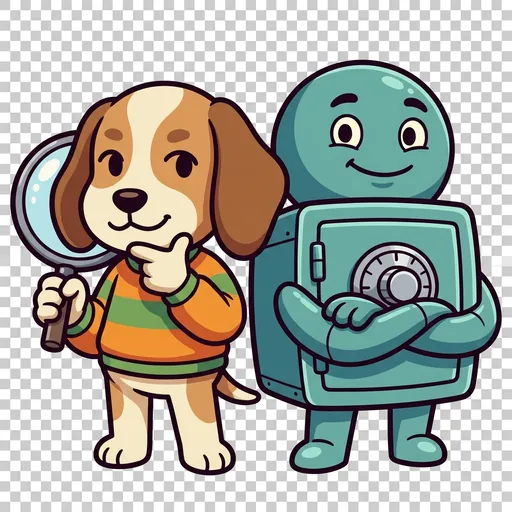
WHEN IT DOESN'T MATCH — a check-in gets real when feelings don't line up: Gap treats the difference between two people's cards as data worth being curious about instead of a problem, and Moor stays calm and present when someone shows a hard card instead of rushing to fix or flee it
A story read by Gap and Moor
Loading audio…
Press play to listen along. The line being read lights up as you go.
Show full transcript
Loading transcript…
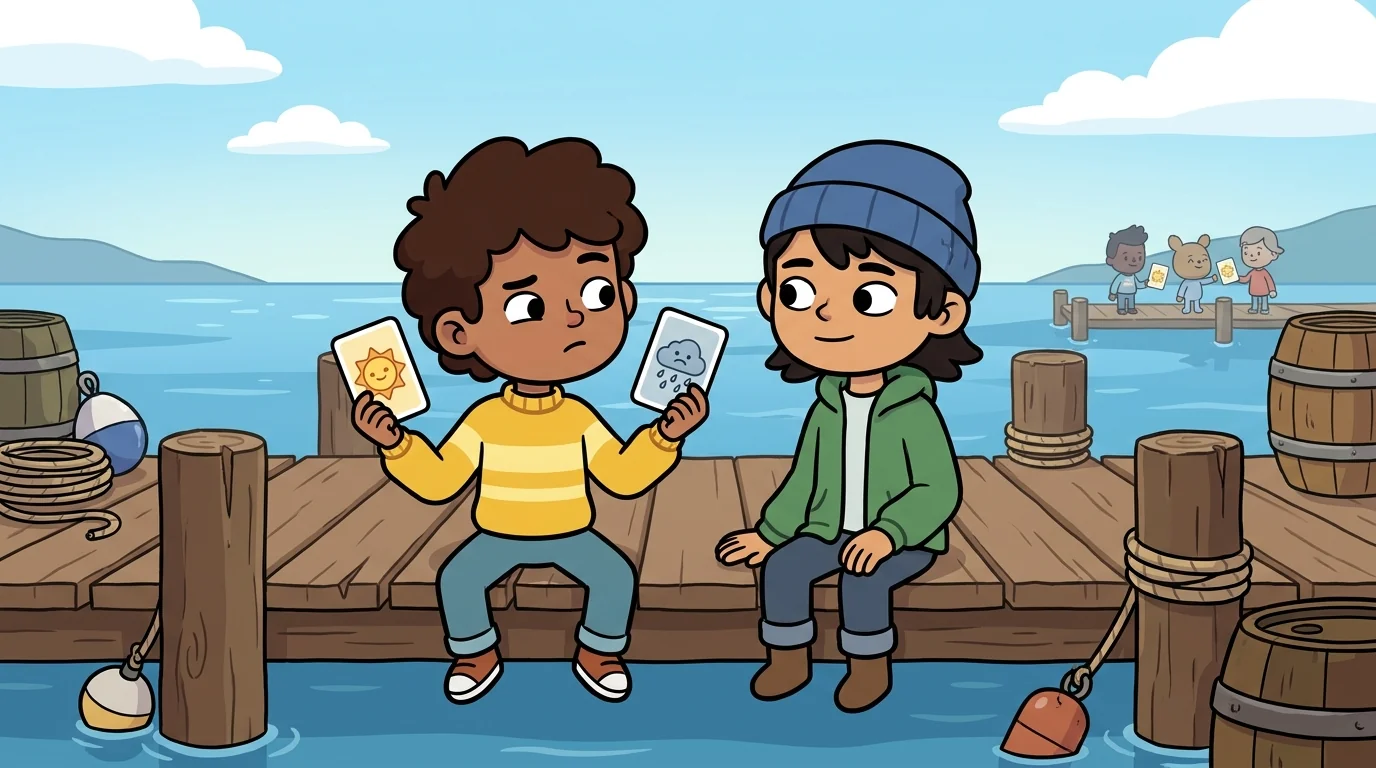
The easy check-ins were the ones where both friends showed the same card — happy and happy, tired and tired — an easy nod, an easy match. But the check-ins that mattered most were the ones that didn't line up, and those were the ones that scared people off.
Today, on the dock, was one of those.
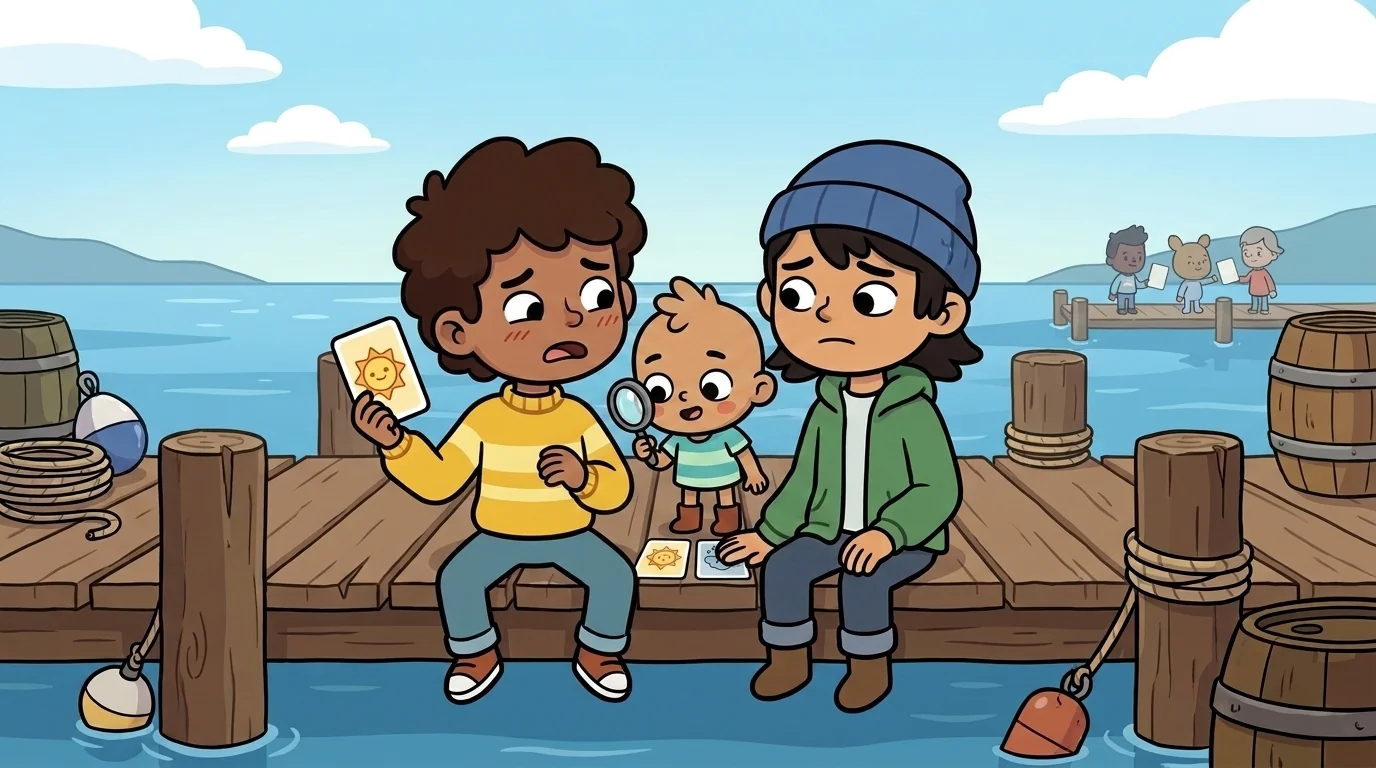
One friend laid down a bright card: excited. The other, after a long pause, laid down a heavy one: sad. And there they sat — excited and sad, right next to each other, not matching at all — and the excited one felt a flustered pull to either argue the sad one out of it or edge away from it.
Two helpers rose up for exactly this moment.
Gap floated into the space between the two cards, curious.
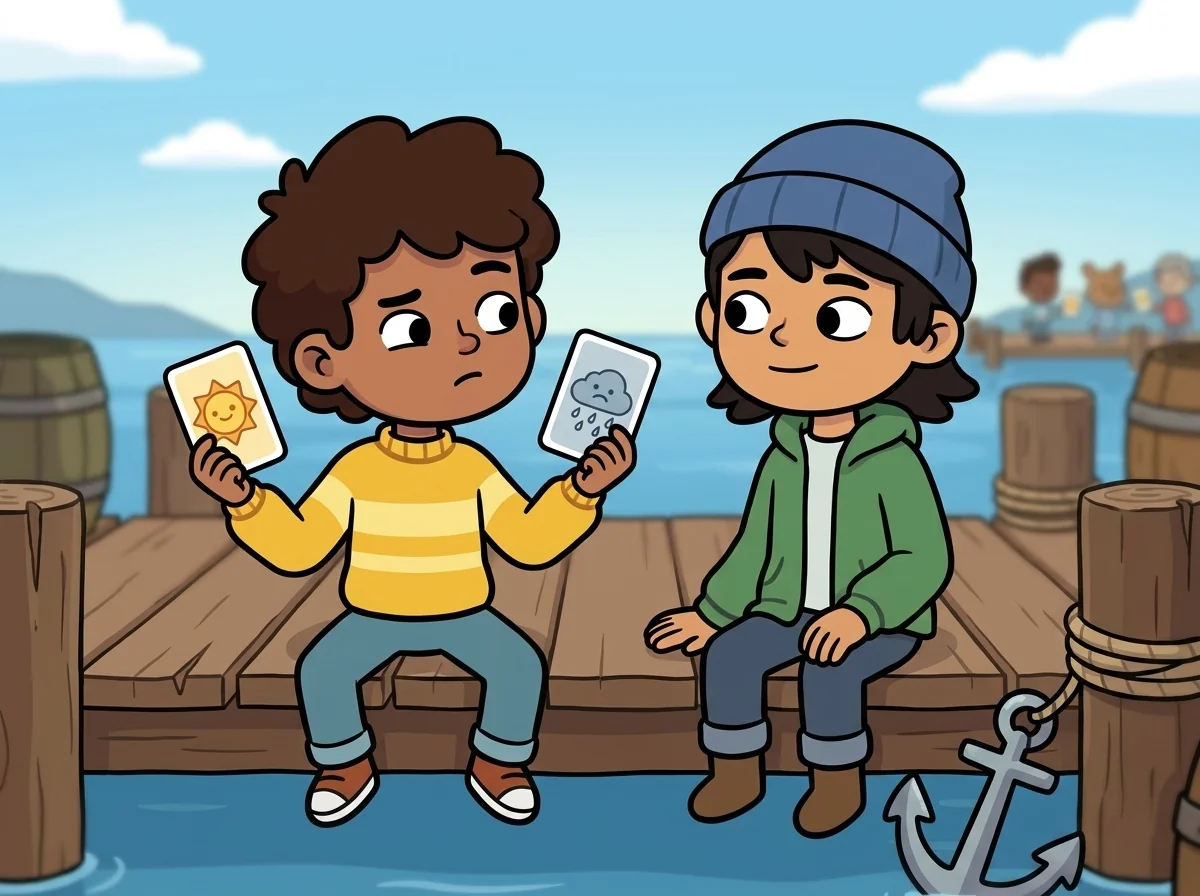
Moor dropped a steady anchor beside the heavy one, and held.
"Here's the good part," said Gap. "The part people think is the bad part."
Gap went first, because a mismatch feels like a problem, and Gap's whole nature was to turn it back into information.
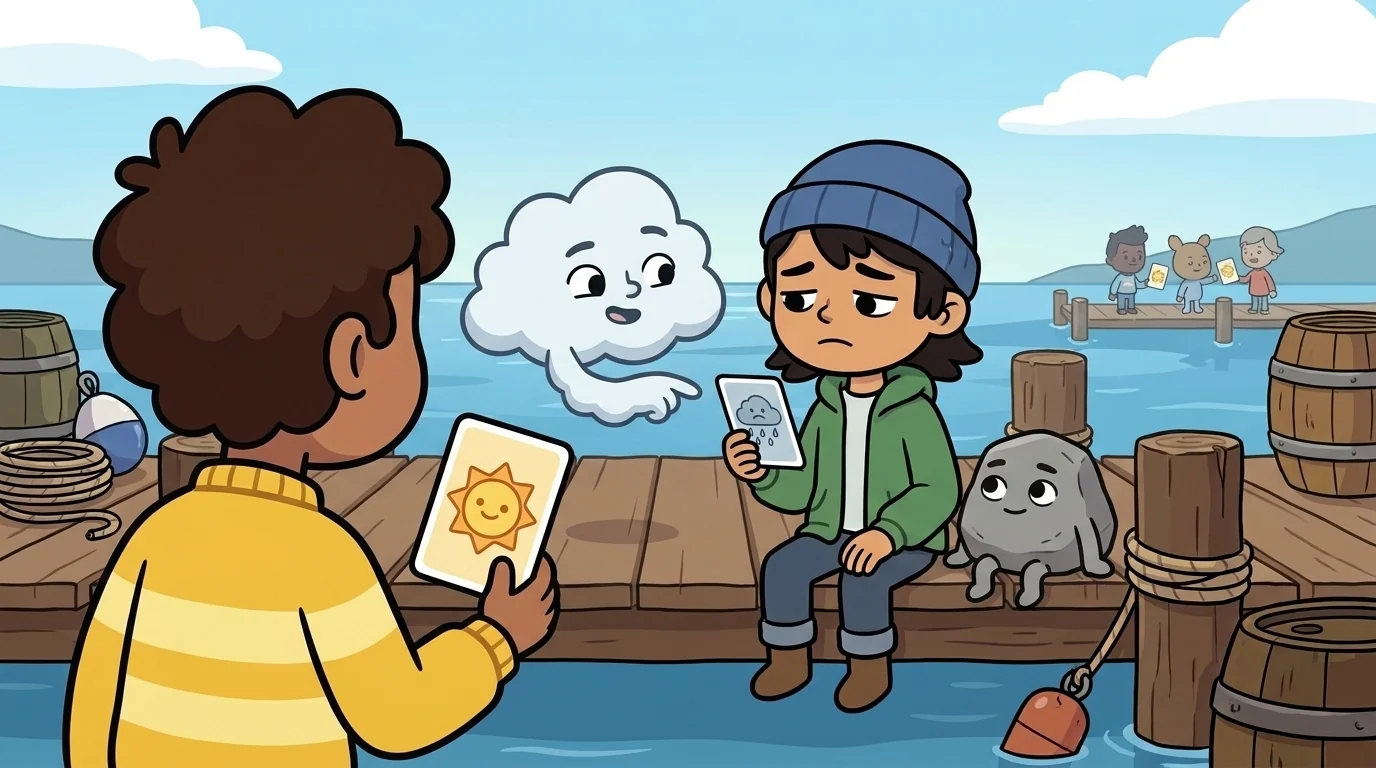
"You feel excited. She feels sad. And they don't match," said Gap, floating in the space between. "And your first instinct is probably that something's wrong — that one of you is feeling it incorrectly, that the mismatch needs to be fixed fast." Gap shook its head gently. "But a mismatch isn't a problem. It's data. It's the most interesting thing on the whole dock." Gap turned, curious, toward the sad card. "The right move isn't to argue her out of sad, or to dim your excited to match. It's to get curious. 'Oh — we're feeling really different right now. That's interesting. What's going on for you?' The gap between two feelings isn't a wall. It's a doorway. It's the exact spot where you get to actually learn something true about your friend — if you treat the difference as something to explore instead of something to fix."
But being curious about a hard feeling means you have to be able to stay near it — and that was Moor's whole steady strength.
Because when the sad friend began, haltingly, to say why — something real, something that ached — the excited friend felt the old, common panic rise: the urge to fix it fast ("oh don't be sad, here's why it'll be okay!") or to get away from it (changing the subject, making a joke, looking at her phone). Both of those, Moor knew, were really just ways of fleeing a hard feeling because it's uncomfortable to sit near.
"Don't fix it," Moor said, low and steady, anchored beside the sad card. "Don't flee it. Just stay." And Moor showed her how — how to hold steady, and keep breathing, and simply be there beside the hard feeling without needing to make it go away. "A hard feeling doesn't need you to solve it in the first minute. Usually it just needs someone to not leave. To not panic. To sit beside it, calm, and say 'I'm here, take your time.'" Moor held the anchor firm. "You staying steady tells her the most important thing: your hard feeling doesn't scare me off. You don't have to hurry it or hide it. I can be with you in it. That's not doing nothing. That's doing the realest thing there is."
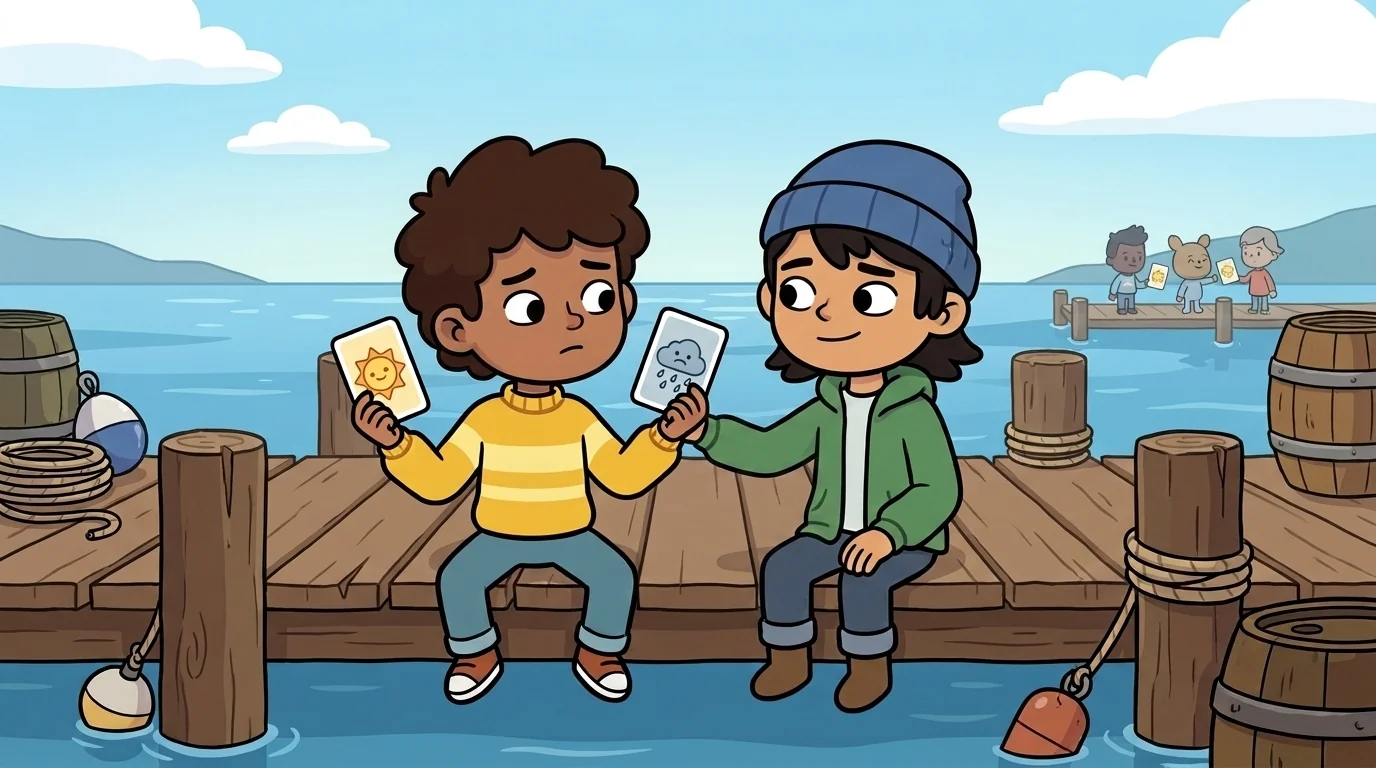
So the excited friend stayed — curious about the gap, steady beside the hard card — and didn't fix and didn't flee, and just kept her company in it. And slowly, being met that way, the sad friend's shoulders came down, and the ache got a little more bearable for being shared. The two cards still didn't match. But the two friends had never been closer.
"Good curiosity," said Moor.
"Good staying," said Gap.
There is something quietly powerful in being the person who can stay when feelings don't match — who meets a difference with curiosity instead of alarm, and a hard feeling with steady presence instead of a scramble to fix or flee. It asks more of you than an easy matching nod. But it gives more, too: it's how friends get to truly know each other, all the way down past the easy cards to the real ones. And to be stayed-with in a hard feeling — to have someone simply not leave — is one of the most healing things a person can ever receive, or give.
The TempCheck ensemble
Gap and Moor is part of TempCheck's distributed-narrative cast. Each character embodies a different curricular primitive; together they teach the full subject.
-
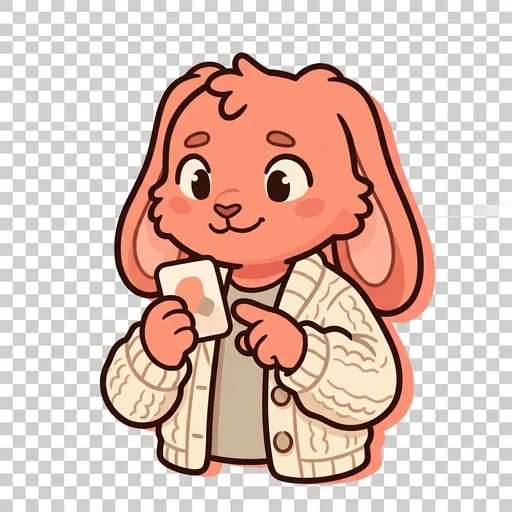
Pick
Noticing self — soft warm-coral rabbit-tween in chunky cream cardigan; tiny held-up affect-card; ears soft + not-tense; one paw tapping card-corner; treats card-picking as thinking-pause
-
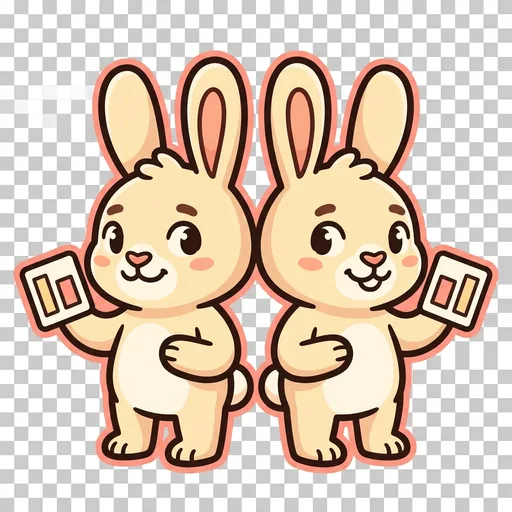
Both
Dyad-sync — two warm-cream hares mirror-paired with cards held up side-by-side; both facing same direction; happy-but-not-overjoyed (overlap is data, not victory)
-
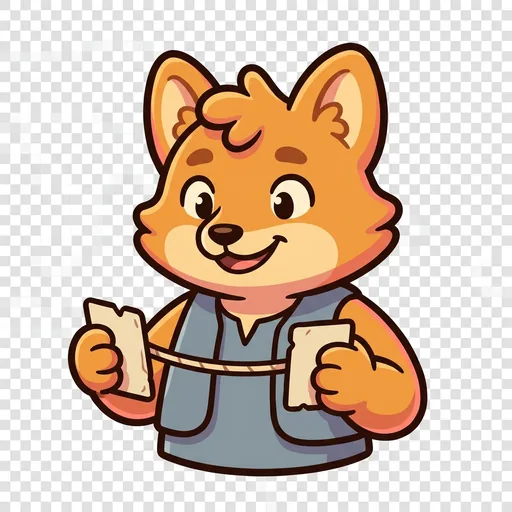
Gap
Mismatch-as-data — round warm-amber fox-tween in soft slate-blue vest holding chunky measuring-string between two cards; treats SPACE between picks as teaching artifact; never-frustrated, always-curious
-
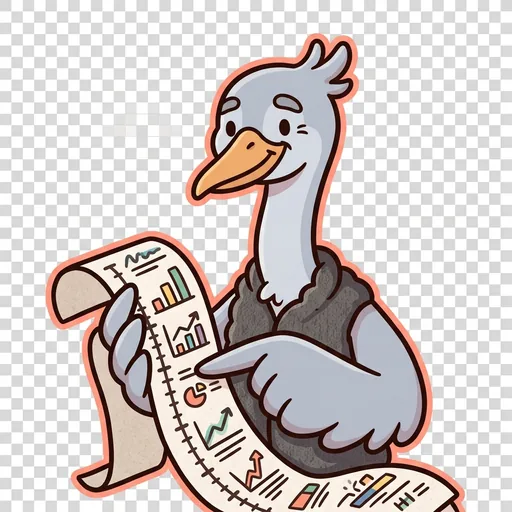
Streak
Growth-chart — tall soft-grey heron-elder in chunky charcoal vest reading long chart with hash-marks; wing pointing at time-axis; treats LONG pattern as whole skill, never single check-in as success-or-failure
-
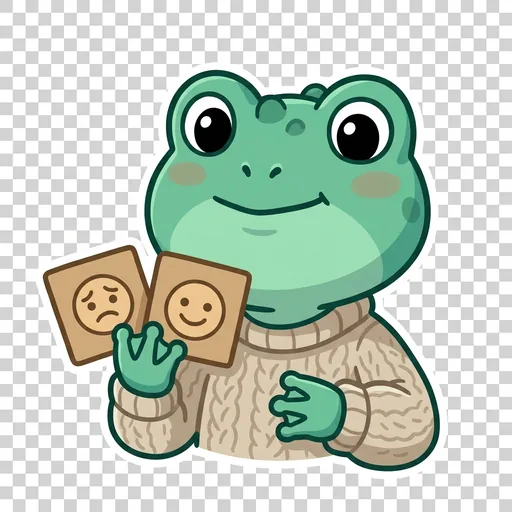
Brim
Picks the card that is really true today, not the easy "I am fine" card you hold up so nobody worries.
-
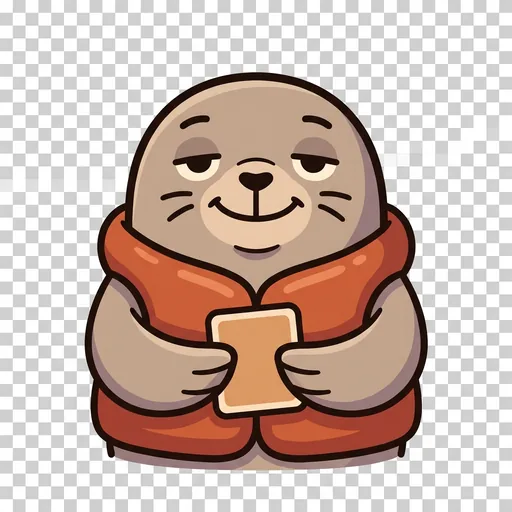
Buoy
Reads the bodys quiet signal first, because a feeling often shows up in your chest or tummy before you have a word for it.
-
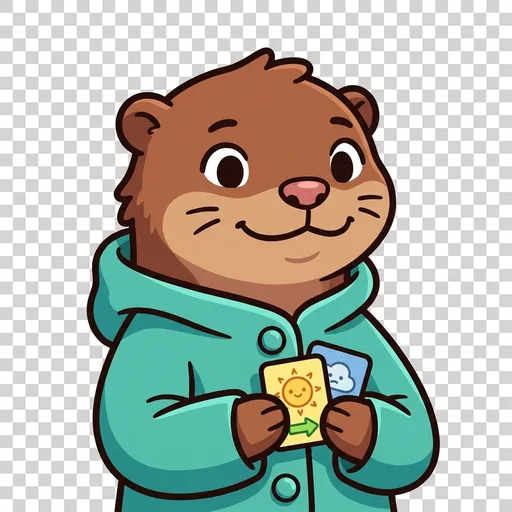
Skiff
Shows that you do not have to wait to be noticed; you can be the one who starts a check-in and asks for it.
-
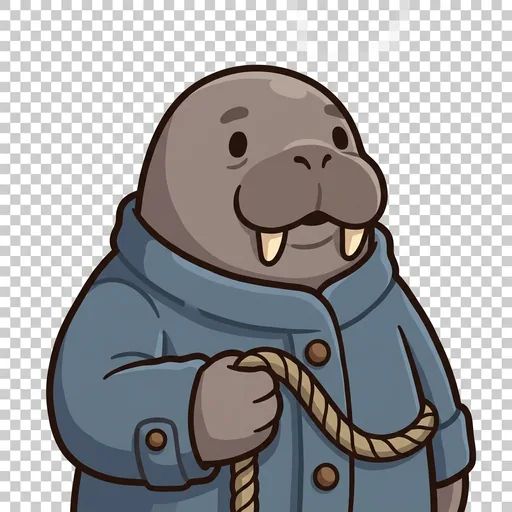
Moor
When someone shows you a hard feeling, stays steady and holds it with them instead of rushing to fix it.
-
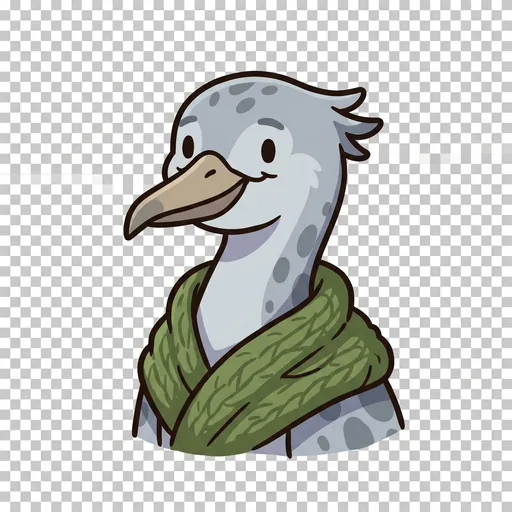
Cove
When a check-in gets missed or misread, comes back to it later, because a missed moment is never lost for good.
-
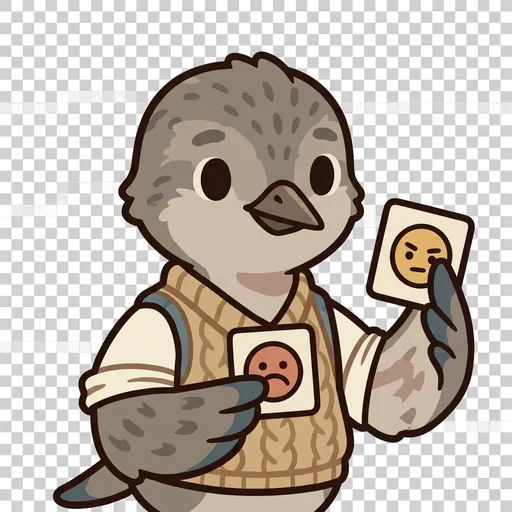
Ebb
Notices when a feeling turns partway through a moment, and picks a new card, because the first card is a start, not a sentence.