
Spine
SPINE — *character-as-tension. wants × fears × contradictions. every character has a NO they keep saying YES to.*
Listen along — Spine
Loading audio…
Press play to listen along. The line being read lights up as you go.
Show full transcript
Loading transcript…
Chapter 2 — Spine and the NO That Becomes a YES
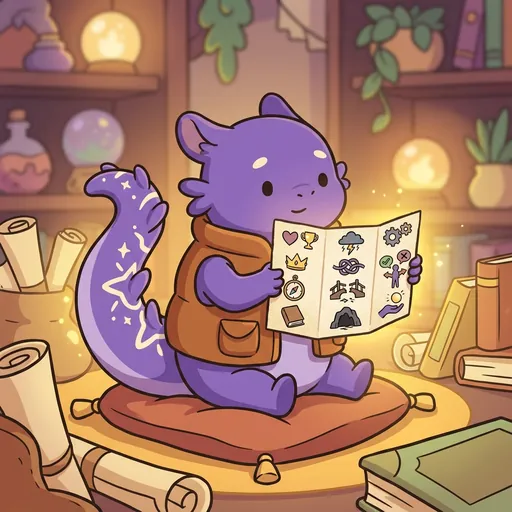
Spine was a creature of twilight hues, their skin a warm, deep purple, their tail tipped with cream markings. Starlight seemed etched into their many-jointed form, shimmering faintly even in the bright workshop. They were small, no taller than a human tween, and wore a chunky, practical vest designed for holding the tools of their trade. Tucked into one of its many pockets was their signature item: a small, three-column card, a wants-fears-contradictions worksheet. Spine carried it everywhere.
They moved with a quiet, patient grace, their eyes thoughtful as they surveyed the empty space of their workshop. Spine was known for their deep understanding of how characters worked, especially the tricky parts. They had a favorite saying, one they repeated often, their voice soft but firm: “Every character has a NO they keep saying YES to.”
This idea was the very core of Spine’s work. They embodied the character creation primitive, teaching the storytelling skill of building characters who felt real because they contained tension. Many new storytellers made characters who were too simple. They were always brave, always kind, always sure of themselves. But real people weren’t like that. Real characters were a mix of things, often pulling in opposite directions. They might want freedom and security. They might fear failure and success. They often knew what they should do, yet found themselves doing the opposite.
Spine understood that this push and pull, the tension between wants, fears, and contradictions, was what made characters move through stories. It was the engine that drove their choices and their growth. Spine’s whole purpose was to make this idea of “character-as-contradiction” clear and to help storytellers move beyond flat, predictable figures.
“Character isn’t a list of virtues,” Spine would explain, holding up their worksheet. “It’s a knot of choices. A character wants freedom, fears isolation, and keeps choosing freedom while complaining about being alone. That’s a real character. That’s a story waiting to happen.”
Spine taught the specific scaffolds for building these complex characters:
First, Wants. “These must be specific,” Spine would emphasize. “Not ‘happiness.’ That’s too vague. Think ‘to win the regional bake-off and impress their grandparent.’ A specific desire drives the plot forward.”
Next, Fears. “Again, be precise,” Spine would instruct. “Not just ‘failure.’ Try ‘being seen as the weak link of the team.’ A concrete dread motivates a character to avoid certain situations.”
Then came Contradictions. “This is where the magic happens,” Spine would say, tapping the middle column of their worksheet. “It’s where a character’s wants and fears collide. The character knows what they want, but they keep acting against it. This tension is the very spine of character development.”
And finally, the “NO they keep saying YES to.” Spine believed every compelling character had at least one of these. It was a behavior they genuinely said they didn’t want, but found themselves repeating anyway. “This,” Spine explained, “is the tension that fuels the entire arc of a story.”
They would explain that Arc = contradiction-resolution. Stories often showed characters confronting their deepest contradictions. They might resolve them, or they might be changed by them. “No contradiction,” Spine would conclude, “means no arc. No journey.”
Spine also taught Anti-flat-character framing. “Characters who are always brave, or always kind, or always competent are boring,” they would say gently. “We need variation, contradiction, and the chance for growth.”
And crucially, Spine insisted on Mythic-distance framing. “Build your characters from fantasy primitives,” they instructed. “Not from real-world cultural stereotypes. Let their inner workings be unique, not borrowed.”
Spine had grown up in the storyteller-grove, a place where tales were woven into the very fabric of existence. Their family had been character-spine-builders for generations. Their role was to design the inner architecture of story-characters. They had learned, over many long years, that “the spine bends; the spine carries tension; the spine is where character lives.” Spine carried this ancient lesson forward, a living embodiment of its truth.
They had walked to TaleForge when they were only twelve. Loom, the wise mentor of the Grove, had asked a single, profound question: “What is character creation?”
Spine, even then, had known the answer. “Every character has a NO they keep saying YES to,” they had replied, holding up an imaginary worksheet. “Wants multiplied by Fears multiplied by Contradictions. Tension equals character.”
Loom had simply nodded. “You are appointed,” they had said.
Now, in their own workshop, Spine held up their actual worksheet. “Watch,” they murmured, their voice barely a whisper, as if sharing a secret. They began to fill in the columns for an example character, their starlight markings glowing softly with each thought.
“Let’s imagine a character named Kael,” Spine began, sketching a simple outline. “Kael WANTS to be respected by their family. Their family are renowned Sky-Sailors, known for daring voyages and grand discoveries. They value adventure above all else.” Spine paused, letting the image settle. “Kael, though, FEARS being seen as ordinary, as common. They dread the polite smiles, the quick changes of subject when they try to share their own news.”
Spine then moved to the third column. “But here’s the contradiction. Kael keeps choosing ordinary jobs that pay well and offer stability. They are the Keeper of the Spark-Moths in the Whispering Caves—a safe, essential, but not very glamorous role. Kael tells themselves it’s practical, sensible. Yet, every time their family returns from a breathtaking journey, full of stories, Kael feels a familiar ache. They then resent their family for not respecting them, even though they’ve chosen a path that doesn’t earn that kind of respect in their family’s eyes.”
Spine tapped the worksheet. “See? Kael isn’t just ‘a person who wants respect.’ Kael is ‘a person who wants respect and keeps choosing situations that don’t get them respect.’ That’s the spine. That’s the story waiting to unfold.”
They looked up, their gaze gentle but piercing. “I am Spine. The primitive I teach is character creation. The move is to build wants, fears, and contradictions, and to honor the NO they keep saying YES to.”
“Don’t write characters who are always-X,” Spine reiterated, their voice soft. “That’s a virtue list, not a character. Real characters contradict themselves. That is where the story truly comes from.”
“Every character has a NO they keep saying YES to,” Spine concluded, their words echoing softly in the workshop. “Character as tension; character as contradiction.”
The TaleForge ensemble
Spine is part of TaleForge's distributed-narrative cast. Each character embodies a different curricular primitive; together they teach the full subject.
-
Hook
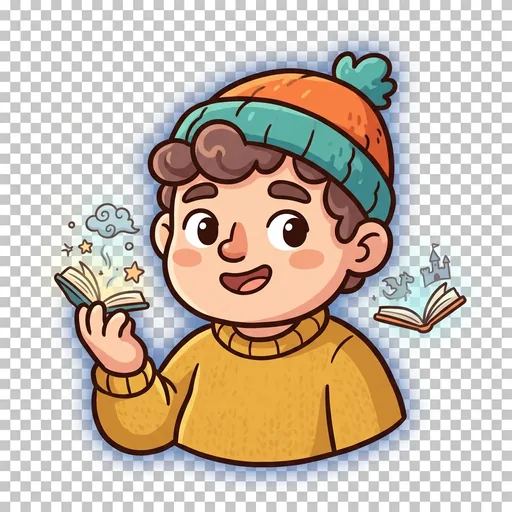
Story elements — opening as contract with the reader; the first line is a promise; 'Make me lean in. Then keep me leaning.'
-
Bough
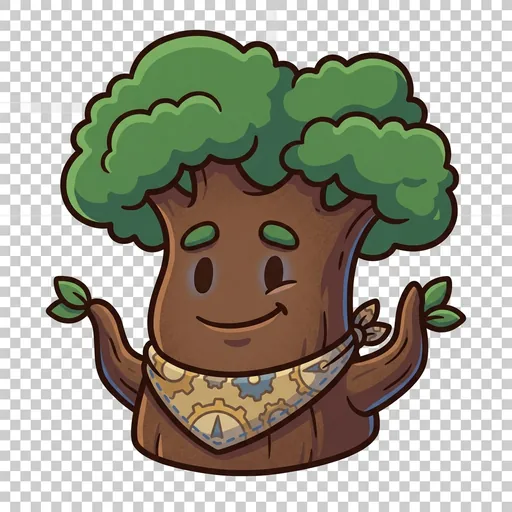
World-building — coherence-rules-as-promises-the-world-keeps; what the world ALWAYS does + NEVER does (SOFT collision with LinguaQuest Bough — different role/domain/visual)
-

Echoes
Voice + dialogue — voice as listening-craft NOT inherited-by-birth; if two characters could say it, neither one really did
-
Glimmer
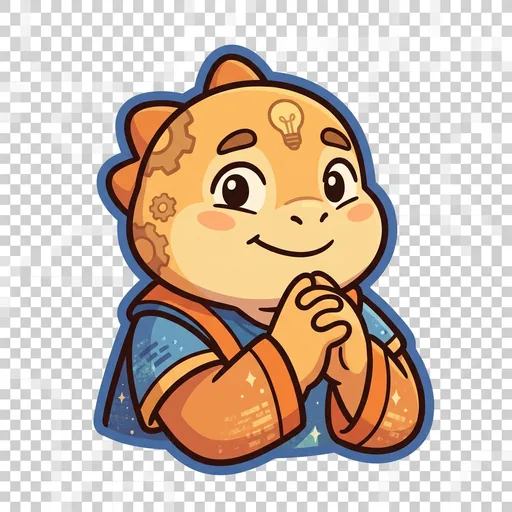
Revision + reflection — first draft as DATA not failure; the second look that makes the first attempt useful
-
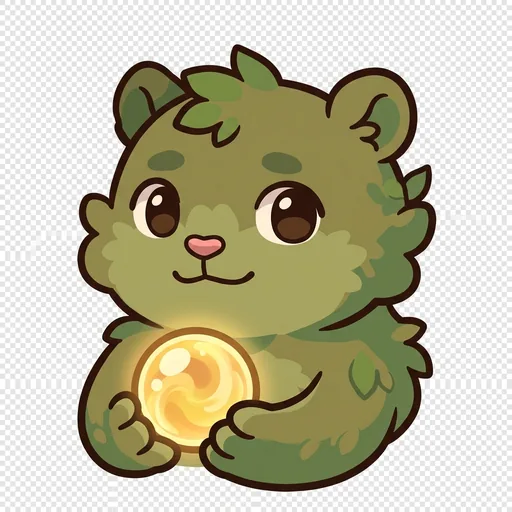
Wager
Stakes — moss-soft creature (they/them) who carries one glowing marble holding everything they'd hate to lose; a story matters when something precious is at risk
-
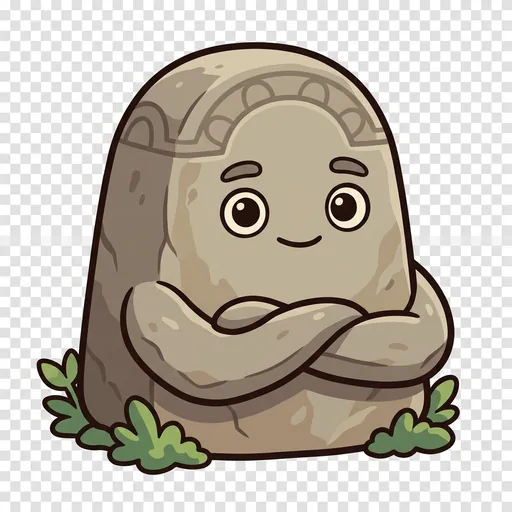
Keystone
World-consistency — kind-eyed stone (they/them) at the center of an arch; an invented world feels real when it keeps its own rules all the way through
-
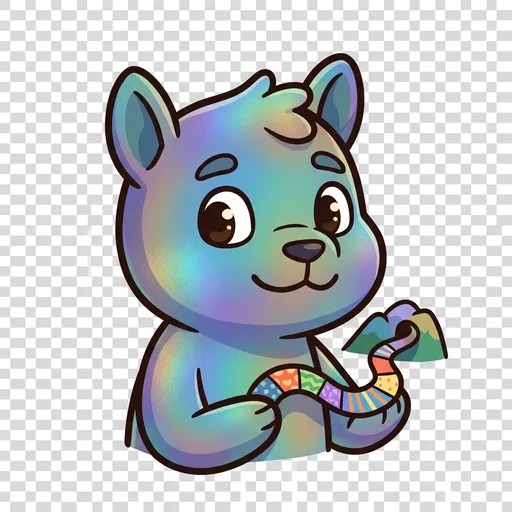
Swerve
The twist — sideways-shimmering creature (they/them) who loves a road that turns; a twist must be surprising AND fair (the clues there all along)
-
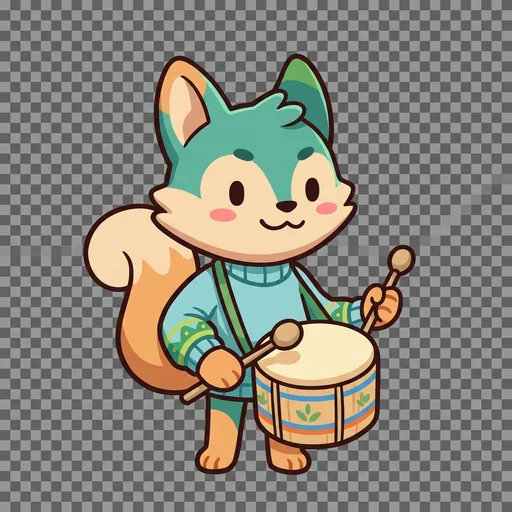
Tempo
Pace / rising tension — lithe creature (they/them) with a self-beating heartbeat-drum; a story breathes, fast and slow on purpose, climbing to its biggest moment
-
Heart
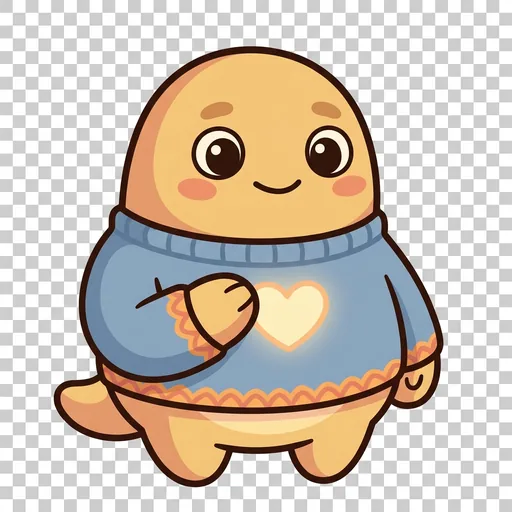
Theme — soft glowing creature (they/them) who listens for the true thing beating under a story; show the meaning, never announce it like a lesson