
Academics
TaleForge
A multiplayer collaborative world-building and storytelling game where players co-create fantasy/sci-fi worlds in real-time using a tile-based map editor, then explore them as characters with AI-generated narrative events, NPC dialogue, and emergent storylines. Think "Dawn of Worlds meets Minecraft meets AI Dungeon" -- but native iOS with spatial computing support.

Meet your mentor
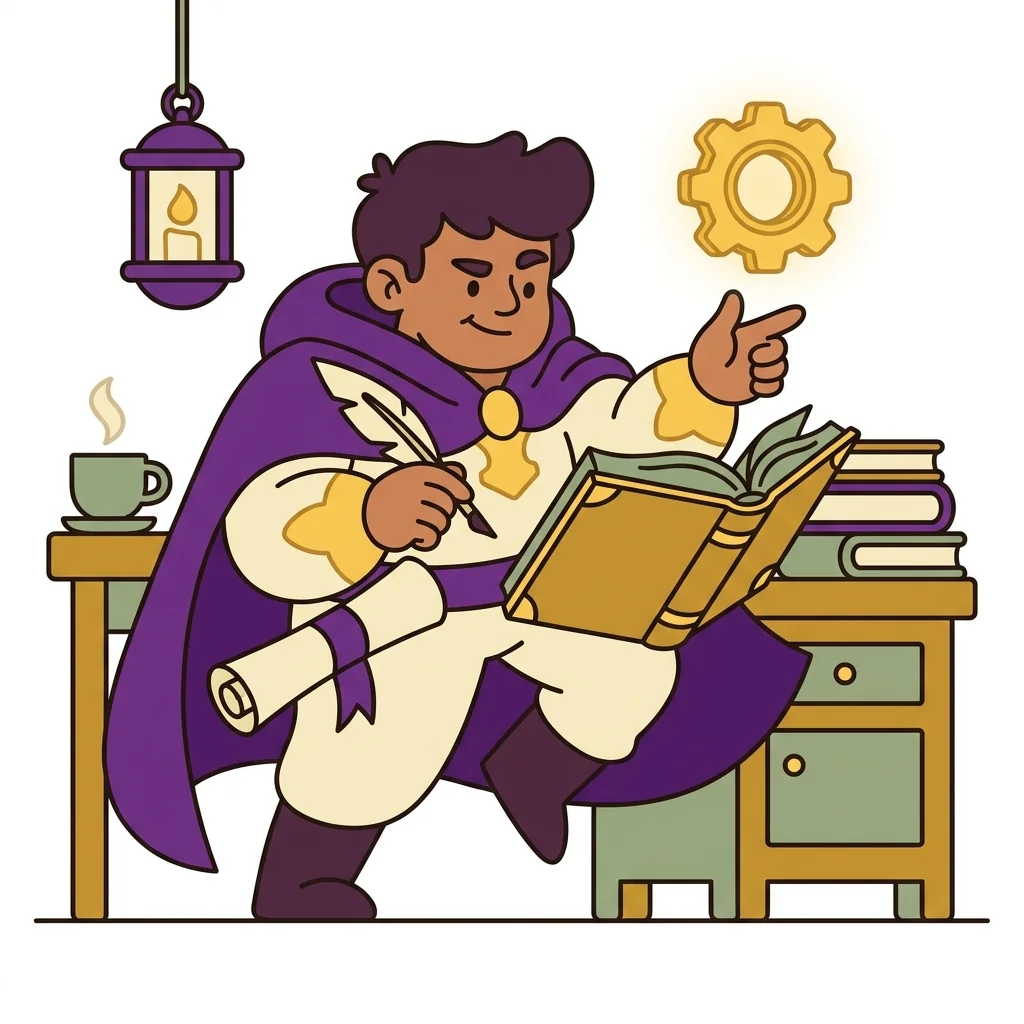
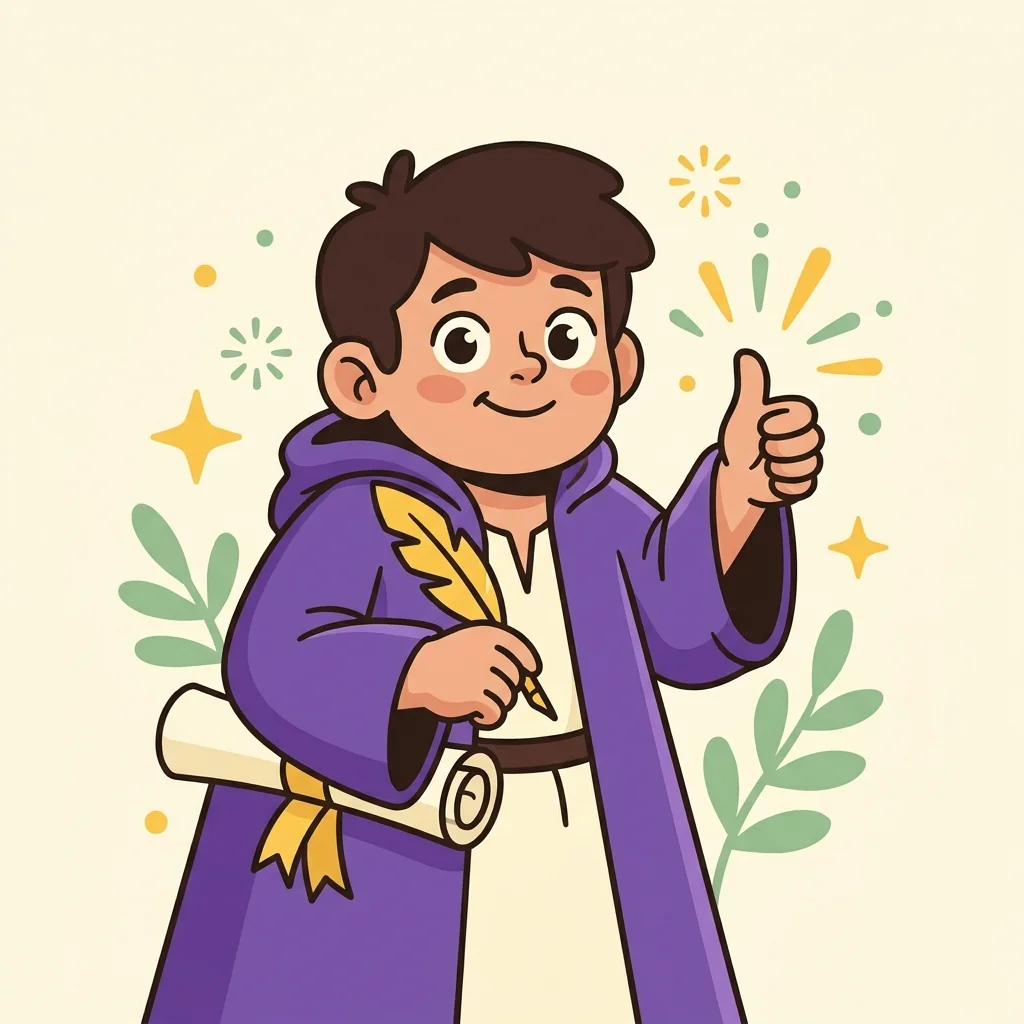
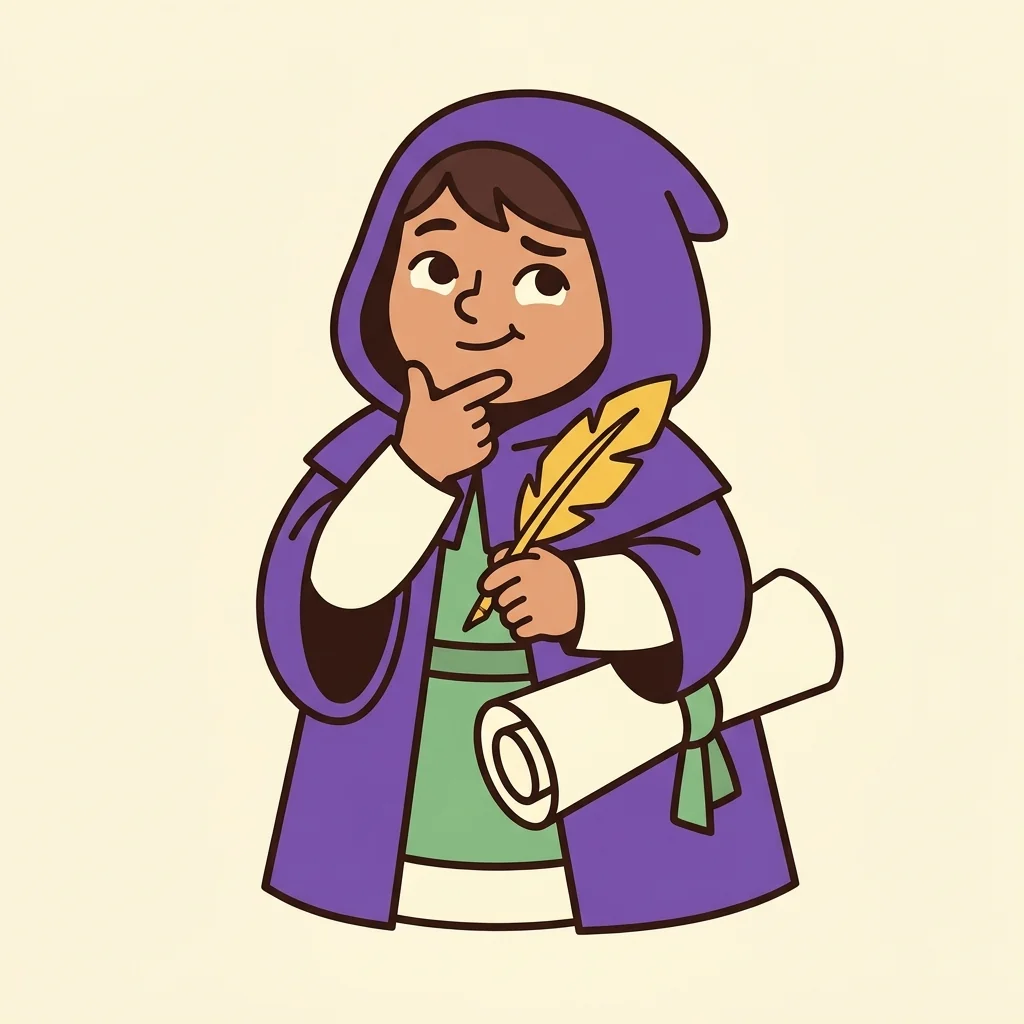
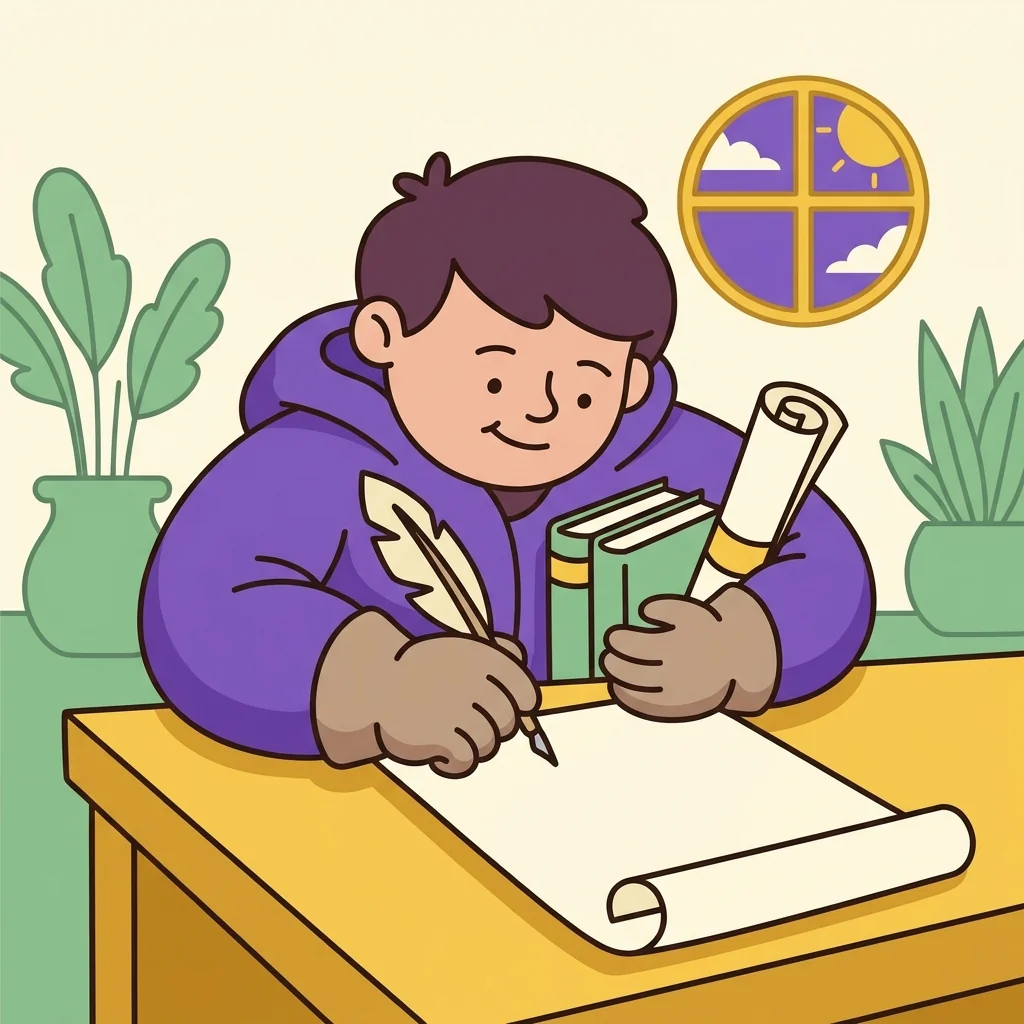
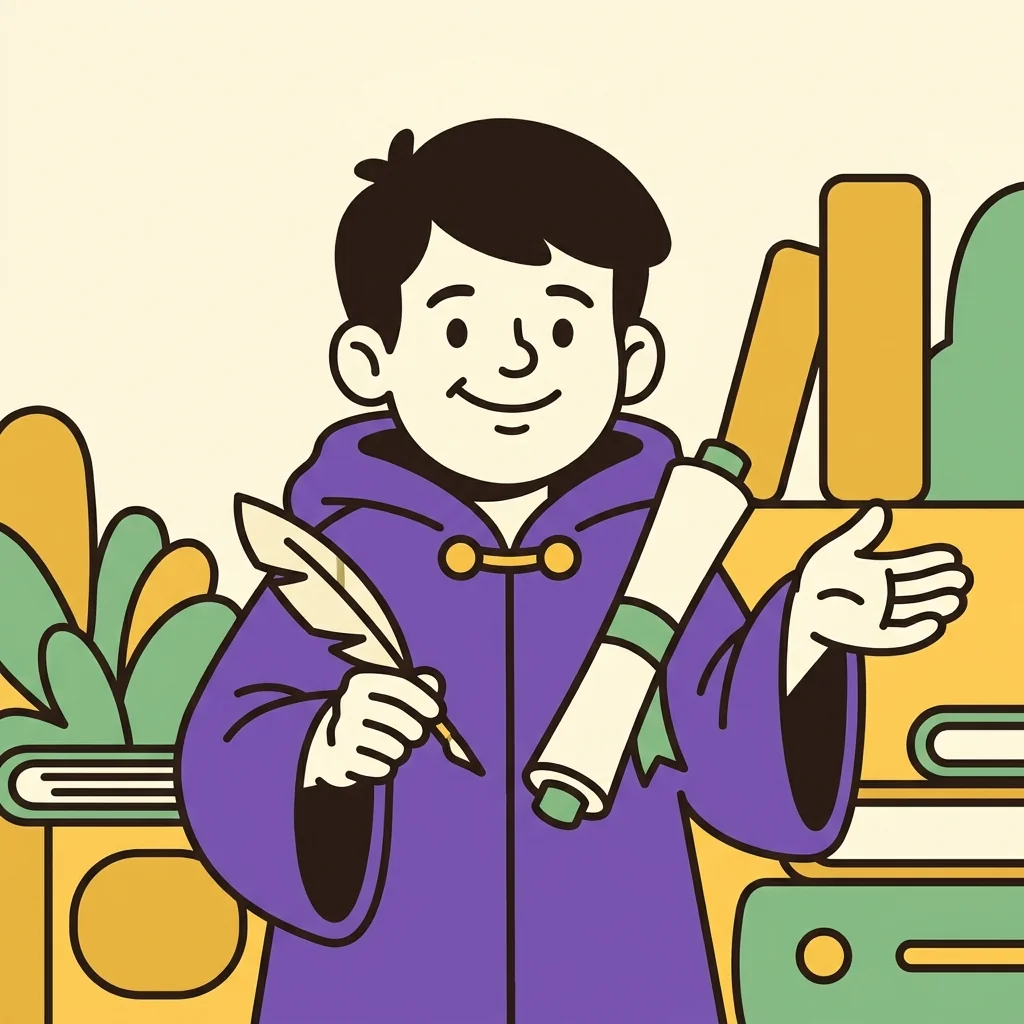
Every Spark & Anvil app has a friendly mentor character that demonstrates, praises, and patiently scaffolds learning. On-device AI personalizes the mentor's responses to your kid's progress — never connecting to a server, never collecting data.
Mentored by Loom
#4A6FA5 TaleForge is an AI collaborative storytelling and world-building app for ages 14 and up where players co-create fantasy and sci-fi worlds with a tile-based map editor, then explore them as characters with AI-generated narrative events, NPC dialogue, and emergent storylines.
Distributed-narrative cast
Meet the cast
TaleForge's 5-character cast embodies STORYTELLING PRIMITIVES (NOT real cultural traditions) per LoreQuest — Hook scaffolds opening-as-contract, Spine scaffolds character-as-tension (wants vs fears vs contradictions), Bough scaffolds world-coherence-as-promise, Echoes scaffolds voice-as-listening, Glimmer scaffolds revision-as-second-look. Loom (the existing AI collaborative mentor) introduces and references each primitive. Cultural-representation gate enforced: world-building drifts EASILY into appropriation; cast establishes MYTHIC DISTANCE via fantasy primitives ONLY (NO kimono / kente / headdress / specific national dress / real religious symbols / named real deities); cast NEVER speaks AS or FROM any real-world cultural tradition; real cultural-tradition appreciation lives in kit 11 (Adaptation + Transmedia) with EXPLICIT community-source citation. AI NPC generation guardrails MUST include static-response gating for 'make my world's people EXACTLY like [real culture]' prompts → routes to 'let's invent something INSPIRED by that, and credit the inspiration'. Cast pronouns 'they/them'; all 5 non-human in invented-fantasy garb. Bough SOFT collision with LinguaQuest is permitted.
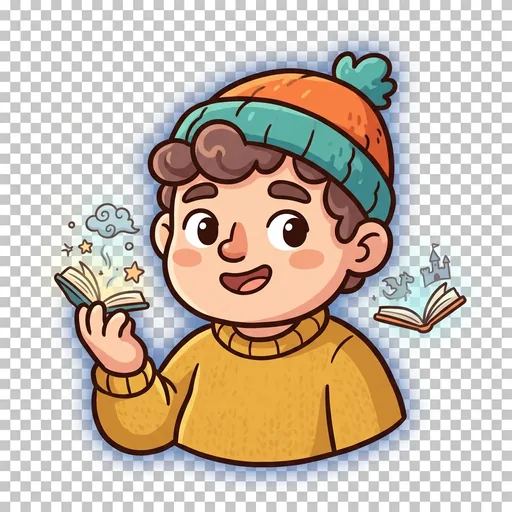
Hook
Story elements — opening as contract with the reader; the first line is a promise; 'Make me lean in. Then keep me leaning.'
Read chapter →
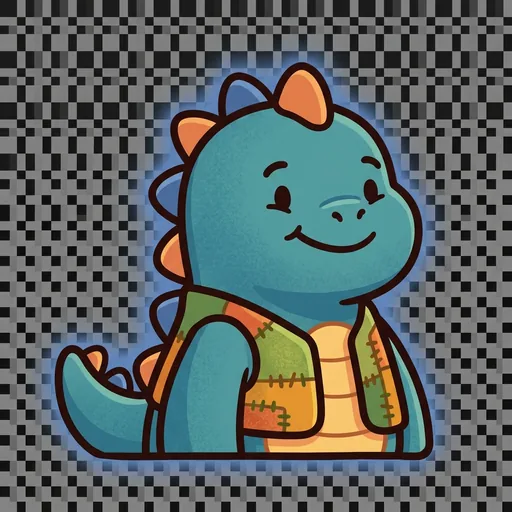
Spine
Character creation — character-as-tension (wants × fears × contradictions); 'Every character has a NO they keep saying YES to.'
Read chapter →
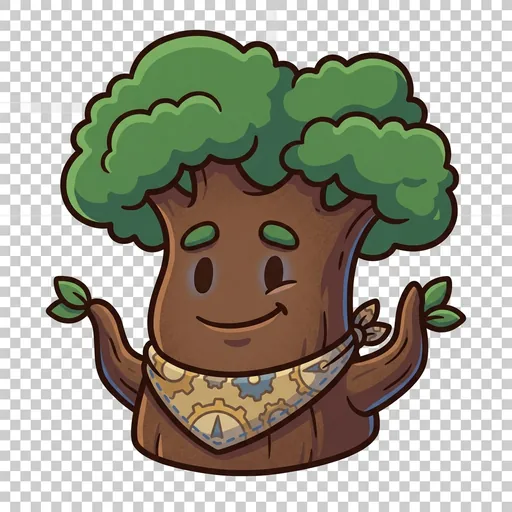
Bough
World-building — coherence-rules-as-promises-the-world-keeps; what the world ALWAYS does + NEVER does (SOFT collision with LinguaQuest Bough — different role/domain/visual)
Read chapter →
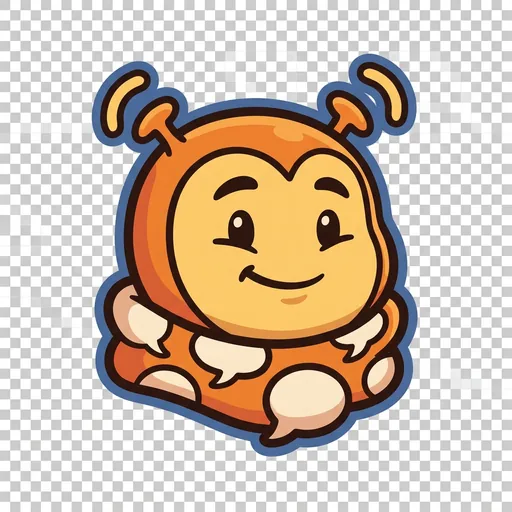
Echoes
Voice + dialogue — voice as listening-craft NOT inherited-by-birth; if two characters could say it, neither one really did
Read chapter →
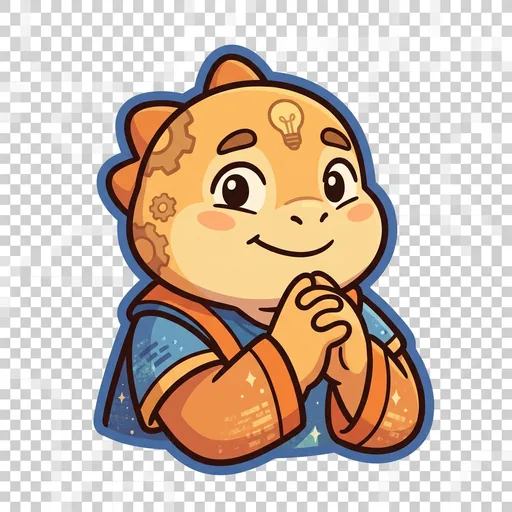
Glimmer
Revision + reflection — first draft as DATA not failure; the second look that makes the first attempt useful
Read chapter →
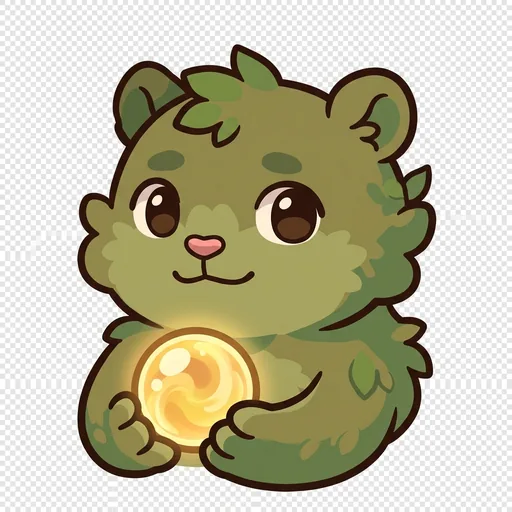
Wager
Stakes — moss-soft creature (they/them) who carries one glowing marble holding everything they'd hate to lose; a story matters when something precious is at risk
Read chapter →
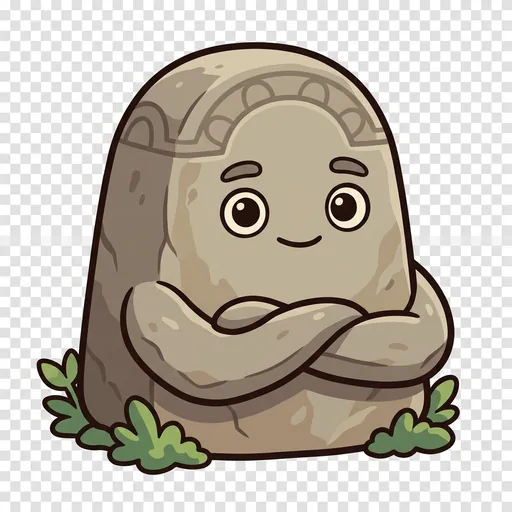
Keystone
World-consistency — kind-eyed stone (they/them) at the center of an arch; an invented world feels real when it keeps its own rules all the way through
Read chapter →
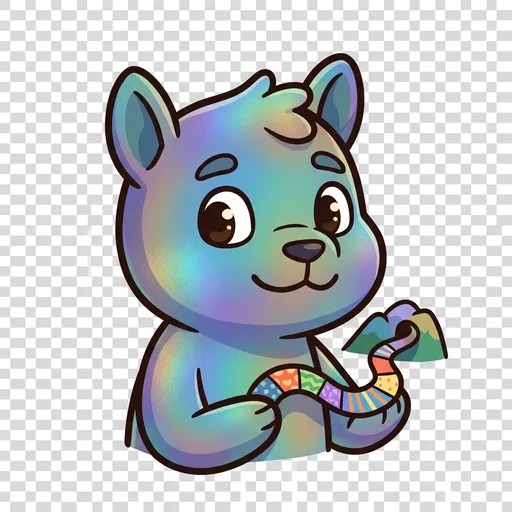
Swerve
The twist — sideways-shimmering creature (they/them) who loves a road that turns; a twist must be surprising AND fair (the clues there all along)
Read chapter →
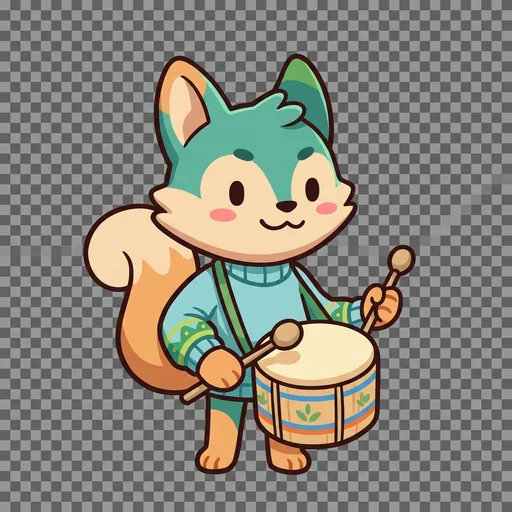
Tempo
Pace / rising tension — lithe creature (they/them) with a self-beating heartbeat-drum; a story breathes, fast and slow on purpose, climbing to its biggest moment
Read chapter →

Heart
Theme — soft glowing creature (they/them) who listens for the true thing beating under a story; show the meaning, never announce it like a lesson
Read chapter →
Browse all 10 chapters → · What's distributed-narrative methodology? →
What's inside
Learning goal
A multiplayer collaborative world-building and storytelling game where players co-create fantasy/sci-fi worlds in real-time using a tile-based map editor, then explore them as characters with AI-generated narrative events, NPC dialogue, and emergent storylines. Think "Dawn of Worlds meets Minecraft meets AI Dungeon" -- but native iOS with spatial computing support.
Question kits
16 curriculum-aligned kits × 25 questions = 400 questions per app, mapped to recognized standards.
On-device AI mentor
FoundationModels-powered hints, feedback, and adaptive difficulty — all running locally.
Mentored by Loom — on-device AI, no data leaves the device.
How TaleForge handles your kid's data
- ✅ All progress, settings, and AI-generated content stays on the device
- ✅ No analytics, no tracking, no third-party SDKs
- ✅ No ads, no in-app purchases — you pay once
- ✅ COPPA compliant under the 2026 FTC amendments
- ✅ Parental controls + session limits + content filters built in
TaleForge runs on ForgeKit — the open-source Swift Package Manager framework that powers every Spark & Anvil app. ForgeKit ensures consistent accessibility, COPPA compliance, and design language across the portfolio, so your kid's progress and preferences feel coherent across every app they touch.
Coming to the App Store
TaleForge is in active development. Email us to hear when it ships — no marketing, no spam, just a one-shot launch announcement.
Email me at launch