Consequence, Duty and Virtue
THREE WAYS TO LOOK — a hard moral choice looks different through different lenses: Consequence asks which choice leads to the best outcomes, Duty asks what you're obligated to do regardless of outcome, and Virtue asks what a good person would do — and part of thinking clearly is learning to see through all three
A story read by Consequence, Duty and Virtue
Loading audio…
Press play to listen along. The line being read lights up as you go.
Show full transcript
Loading transcript…
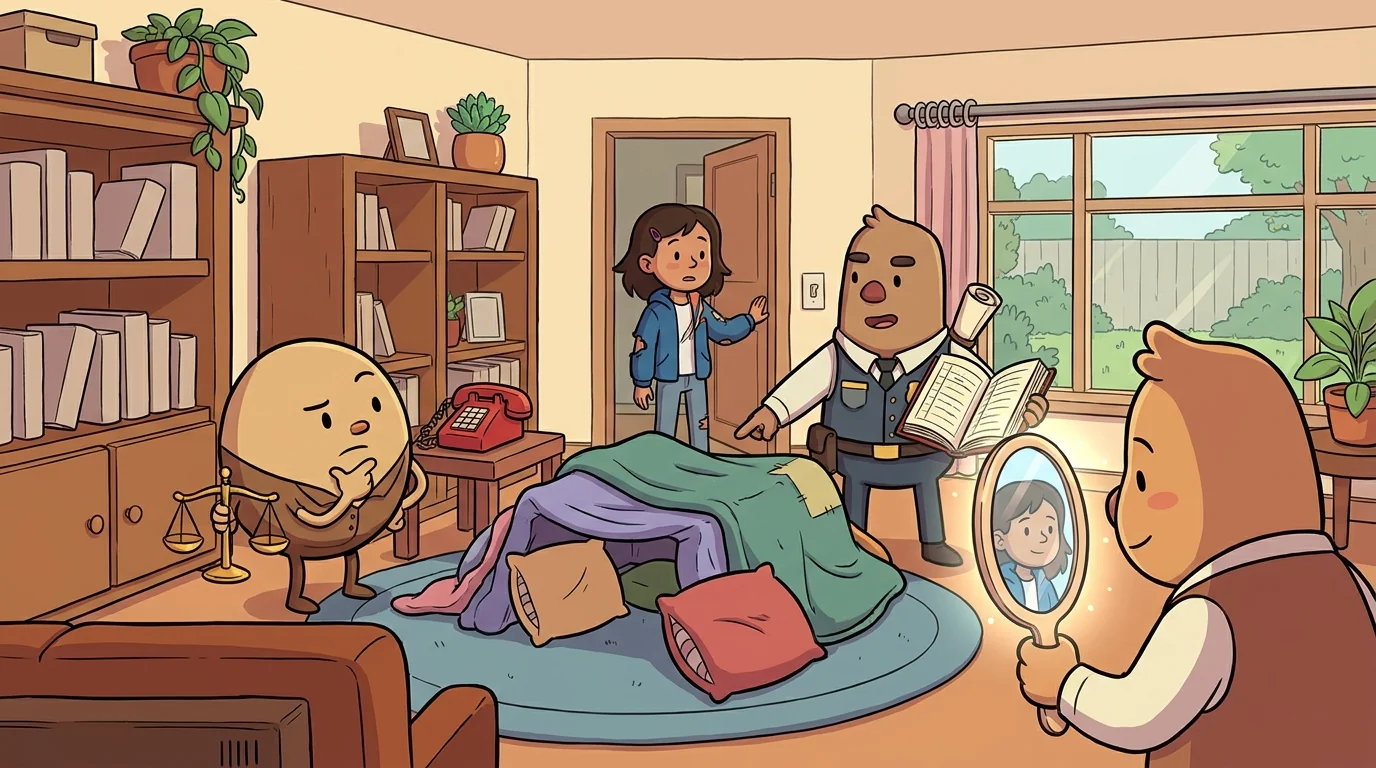
The girl stood frozen at the door with her jacket half on, because two good things had collided, and she could not do both.
She had promised her little brother — really promised — that this afternoon was his, that they'd build the fort they'd been planning all week. And just now her best friend had called, crying, something gone wrong at home, needing someone, needing her. Fort or friend. Promise or need. And she stood at the door, torn straight down the middle, unable to move.
Three thinkers gathered around her — not to hand her the answer, but to help her see.
Consequence held a small set of scales, weighing outcomes.
Duty held a written promise, and a ledger of what's owed.
And Virtue held a mirror, and asked one quiet question about the person in it.
"There's no easy answer here," said Virtue, gently. "But there are three good ways to look. Let's look."
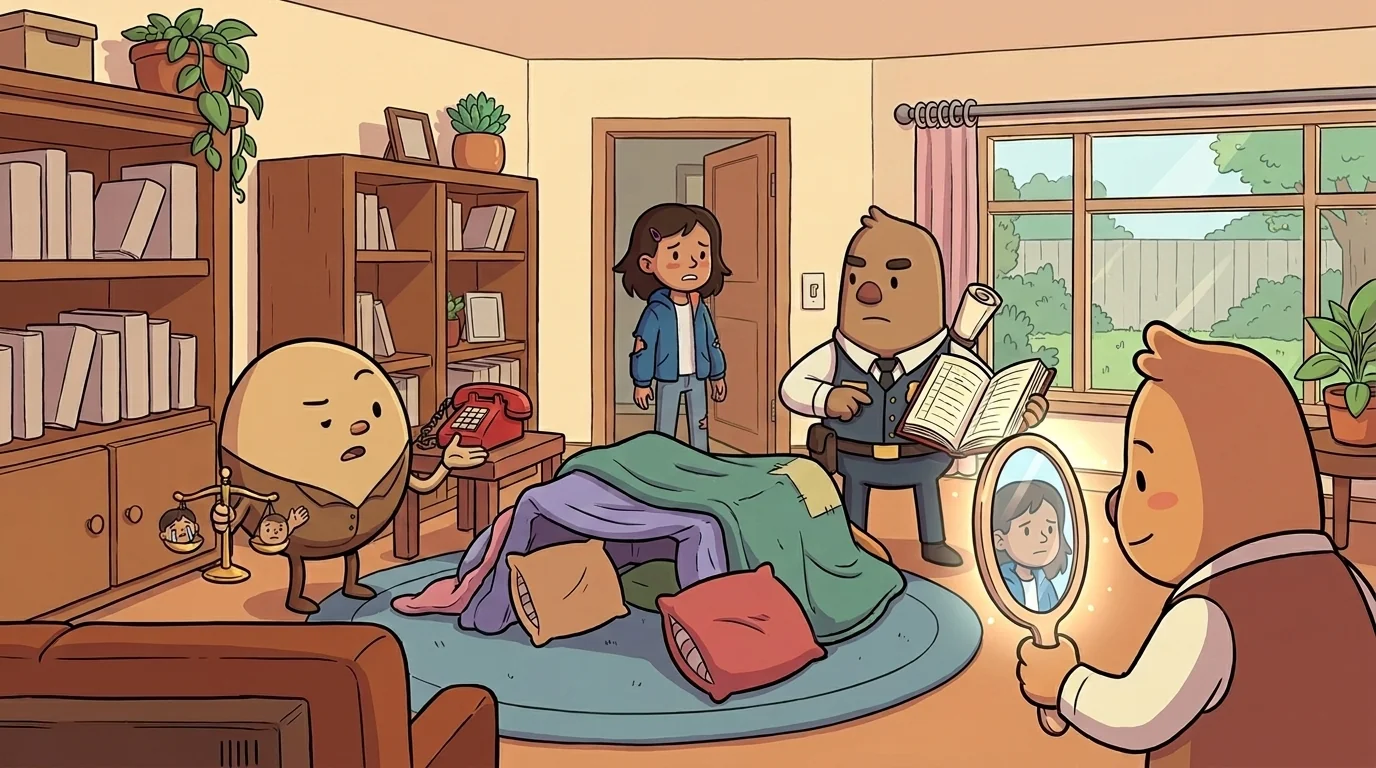
Consequence went first, tipping the little scales — because one honest way to weigh a choice is by what happens because of it.
"Forget, for a second, promises and rules," said Consequence. "Just ask: which choice leads to the most good, the least harm? Weigh the outcomes." Consequence set the two roads on the scales. "Your brother is disappointed if you go — that's real, and it counts. But he's safe, and there'll be other afternoons. Your friend is in real pain right now, and might truly be helped by you being there. So on the scales—" Consequence let them tip toward the friend "—the good you'd do by going to your friend looks heavier than the harm of a delayed fort. More good, less suffering, on the whole." Consequence steadied the scales. "That's my way of looking: not who you promised, not who you'd like to be — just, honestly, which choice makes things better for everyone affected, all added up. By that measure, I lean toward the friend."
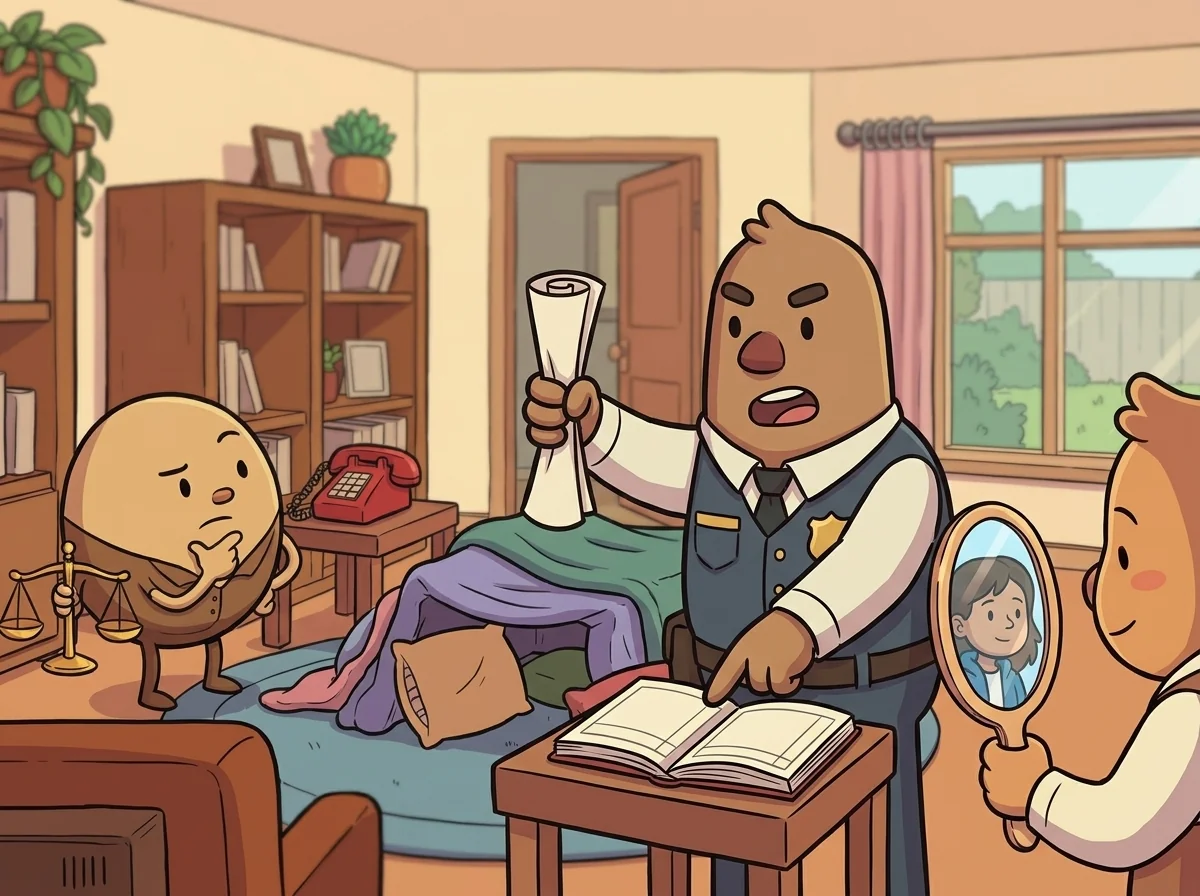
But Duty shook the written promise, because Consequence had skipped the thing Duty holds most sacred: you gave your word.
"Outcomes aren't everything," said Duty, firmly but not unkindly. "You promised your brother. Made a real promise, looked him in the eye. And a promise isn't a suggestion you keep only when nothing better comes along — if it were, it would be worthless. What good is your word if you break it the moment the scales tip?" Duty held up the ledger. "My way of looking asks: what do you owe? What's the right thing to do, regardless of how the outcomes shake out? And you owe your brother the afternoon you swore to him. There are other ways to help your friend — call someone, call a grown-up, go after the fort. But the promise to your brother is yours alone to keep or break." Duty set the ledger down. "By my way of looking, keeping your word matters even when it's costly. Especially when it's costly. That's what makes it a promise at all."
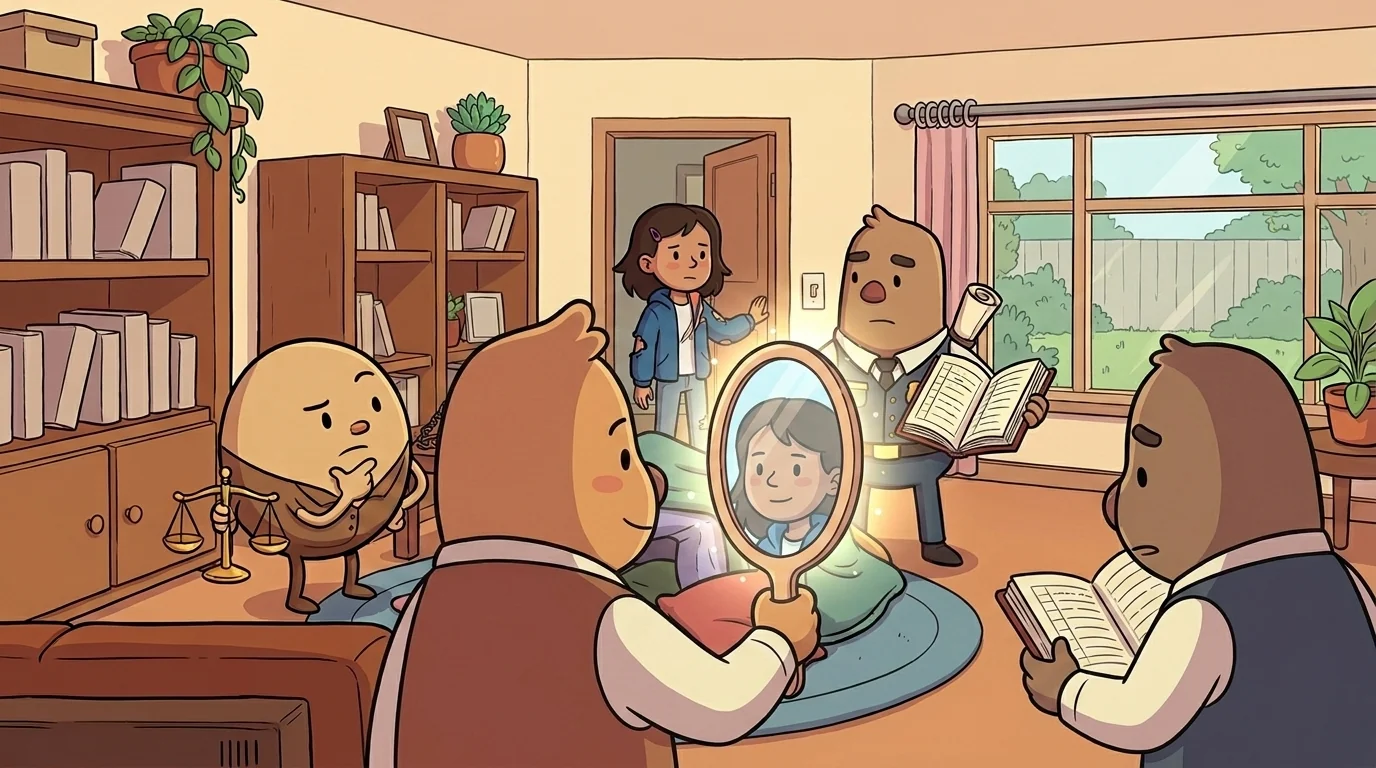
And then Virtue held up the mirror, and asked the question that isn't about the choice at all — but about the chooser.
"You've heard the outcomes, and you've heard the promise," said Virtue. "Now I ask something different. Not 'what makes the best result' or 'what's the rule.' I ask: what would a good person do here — and who do you become by choosing it?" Virtue turned the mirror gently toward her. "A loyal person keeps promises. A compassionate person runs to a friend in pain. You're being asked to be both at once, and you can't, quite — so maybe the question is which kind of person, in this moment, you most need to be. And maybe—" Virtue's voice warmed "—a wise and kind person doesn't just pick one and abandon the other. Maybe she finds a third way: tells her brother the truth, honors him by keeping the fort sacred for tomorrow, and goes to her friend now with his understanding. Not breaking a promise — reshaping it, honestly, with everyone's care held." Virtue lowered the mirror. "I don't hand you a rule. I ask you to become the kind of person whose choices you can live with."
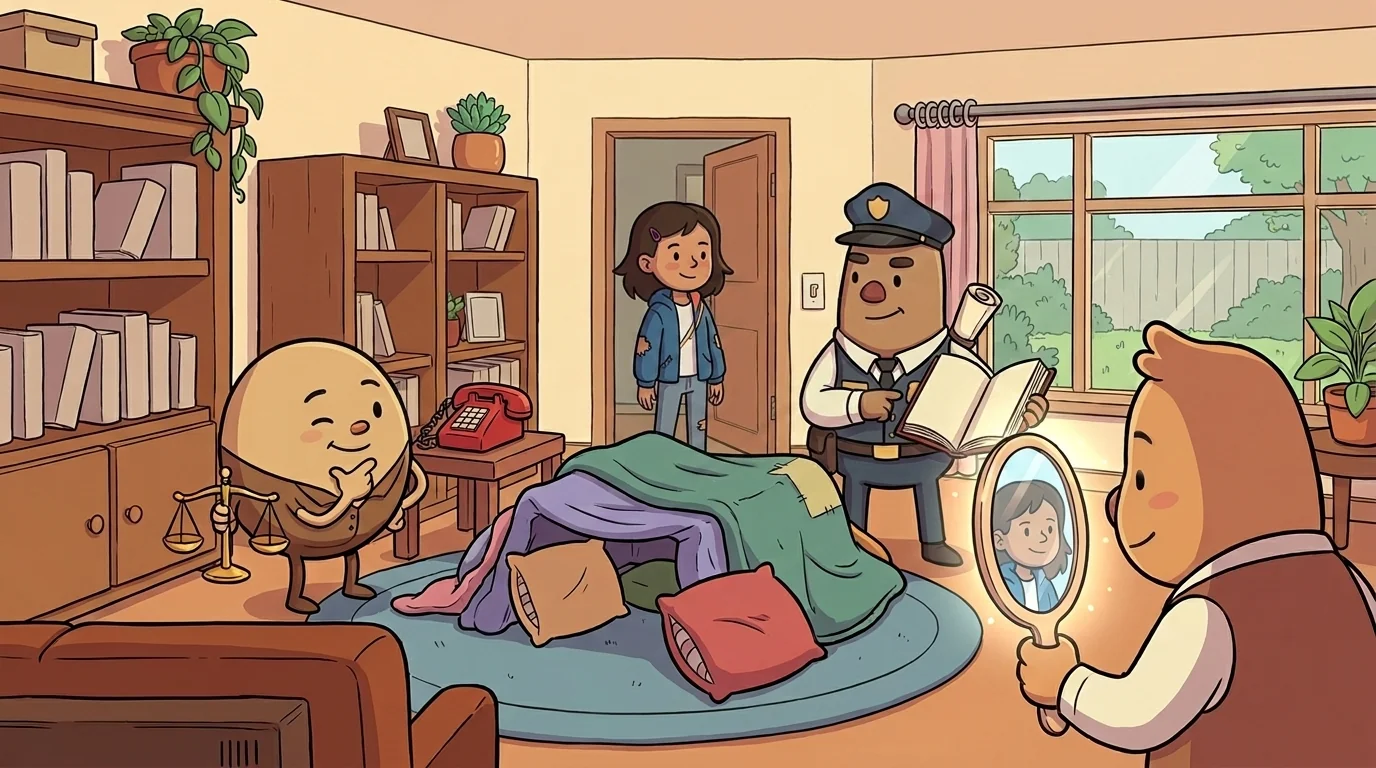
The girl stood a moment longer — but not frozen now. She saw the choice from three sides at once: the outcomes, the promise, the person she wanted to be. And she found her own way through it, which is the only kind of answer that's ever really yours.
"Good weighing," said Duty.
"Good obligation," said Virtue.
"Good character," said Consequence.
The three thinkers did not crown a winner, because that was never the point. A hard choice rarely has one obvious right answer glowing above the others — if it did, it wouldn't feel hard. What the three lenses give you isn't the answer; it's the ability to see the whole choice — its outcomes, its obligations, and its meaning for who you are. And a person who can turn a hard question over and look at it from all three sides thinks more clearly, and more kindly, and more honestly than one who only ever sees it from one — and is far more likely, in the end, to choose something they can stand behind.
The EthosForge ensemble
Consequence, Duty and Virtue is part of EthosForge's distributed-narrative cast. Each character embodies a different curricular primitive; together they teach the full subject.
-
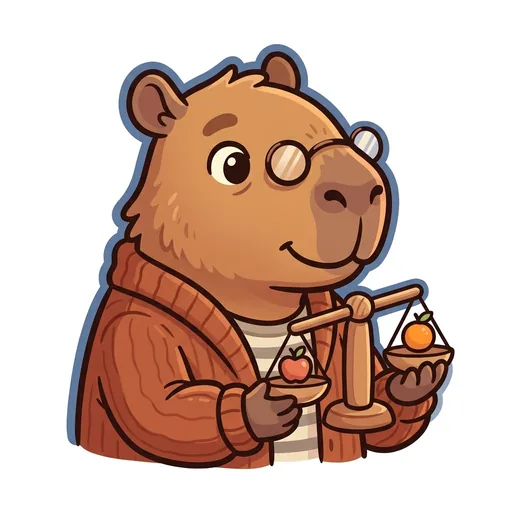
Consequence
Consequentialism / Utilitarianism — calm, methodical; weighs trade-offs; capybara at a balance-scale
-
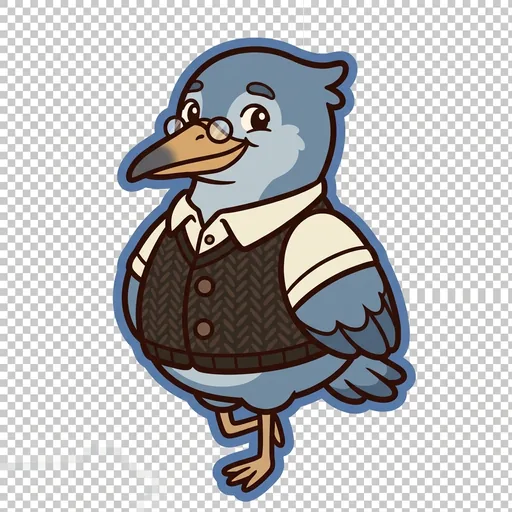
Duty
Deontology / Kantian — upright, principled; sticks to rules even when costly; heron in vest on one leg
-

Virtue
Virtue Ethics / Aristotelian — steady, earnest; 'what kind of person do I want to be?'; badger tending a plant
-
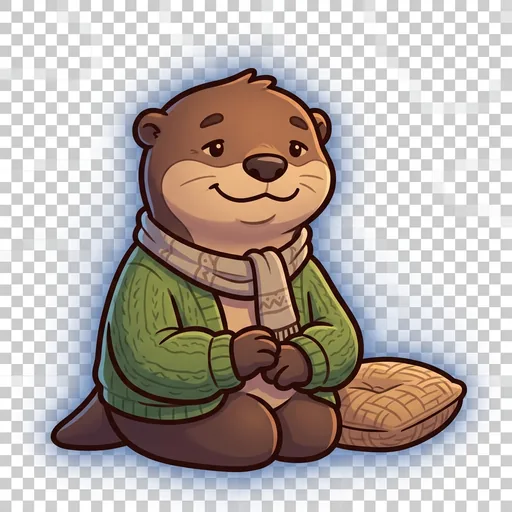
Care
Care Ethics / Noddings + Gilligan — attentive, present; 'ethics begins in relationship'; otter listening beside empty spot
-
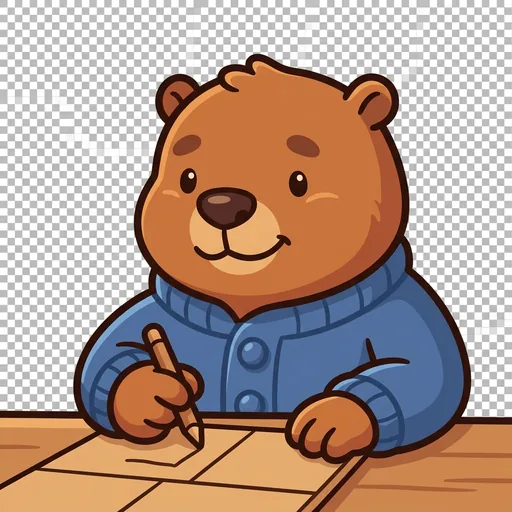
Contract
Contractualism / Scanlon + Rawls — collaborative; 'what could we ALL agree to?'; beaver drawing a fair-rules table
-

Bound
Rights ethics — each person has protections you may not cross, even for a good outcome; pangolin who curls to shield ('some lines you never cross')
-
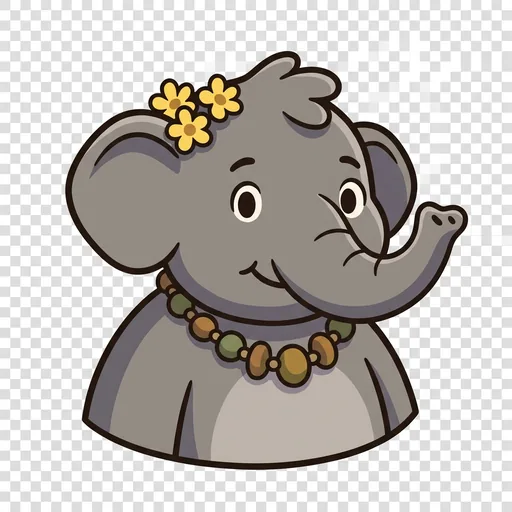
Kin
Ecological ethics — the circle of concern reaches to animals, living systems, and the not-yet-born; elephant asking 'who else has to live with this?'
-
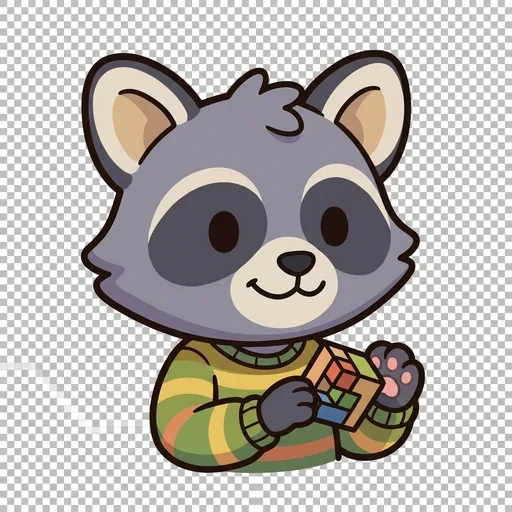
Tinker
Pragmatism — try a small step, watch what really happens, be willing to change; raccoon with busy testing paws ('try it, watch, be ready to change')
-
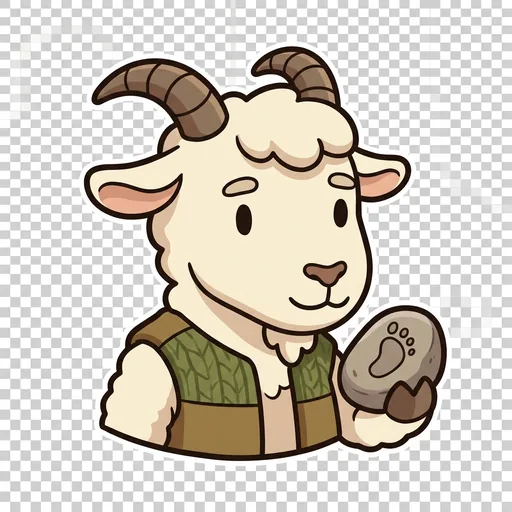
Own
Existentialist responsibility — you are free, so you own your choices (never a stick to blame the trapped); sure-footed mountain goat ('you chose it, so you own it')
-
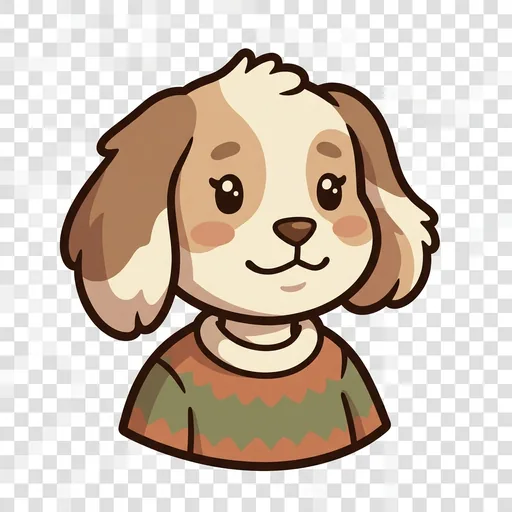
Sense
Moral sentiment — the heart's feeling of sympathy is real moral information, the start of ethics (not the whole map); soft-eared dog ('first, what does your heart notice?')