
Toss and Latch
tandem telling / the handoff — two tellers passing one story back and forth so the seam disappears; each listens to the other's last beat and matches its tone, rhythm, and momentum to catch the thread without a bump
Press play to listen along. The line being read lights up as you go.
Show full transcript
Loading transcript…
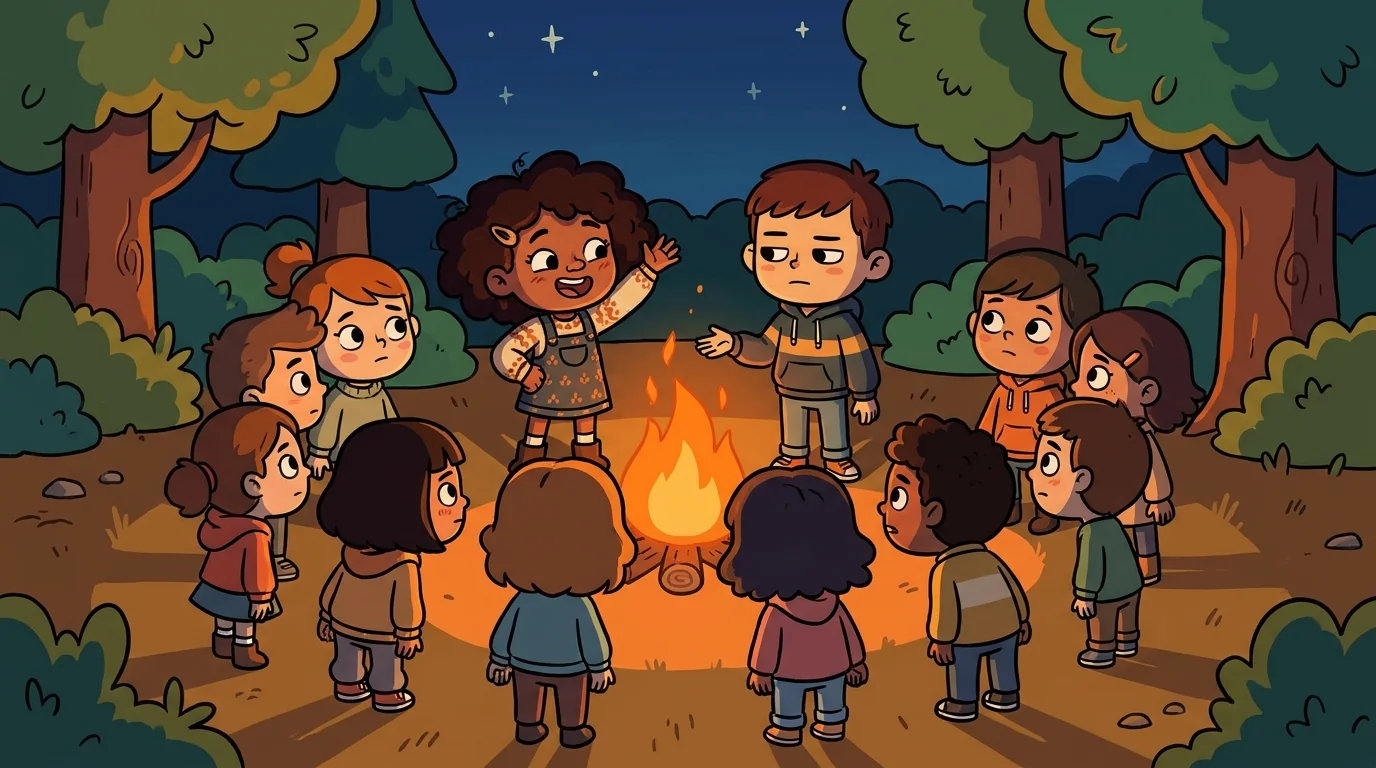
The fire had burned down to the good part, the orange-glowing part, and the circle of kids leaned in close because Toss and Latch had promised them one story told by two voices.
Toss went first. She always went first — she loved the launch of a tale, the way you could throw the first line up into the dark like a spark and watch every face tilt to follow it. "Once," she began, and her voice did the thing it always did, lifting at the edges, "there was a fox who owed the moon a favor." She let the fox creep three sentences into the woods, building the night around it, and then — this was the plan — she tossed the story to Latch, turning to him with her eyebrows up, handing him the thread mid-air.
Latch caught it. Sort of. "Uh — and the fox, um, walked to a river," he said, and his voice came out flat and fast, nothing like the hushed, curling tone Toss had set. The story hit the ground with a thud you could almost hear. A couple of the little kids blinked. The spell wobbled.
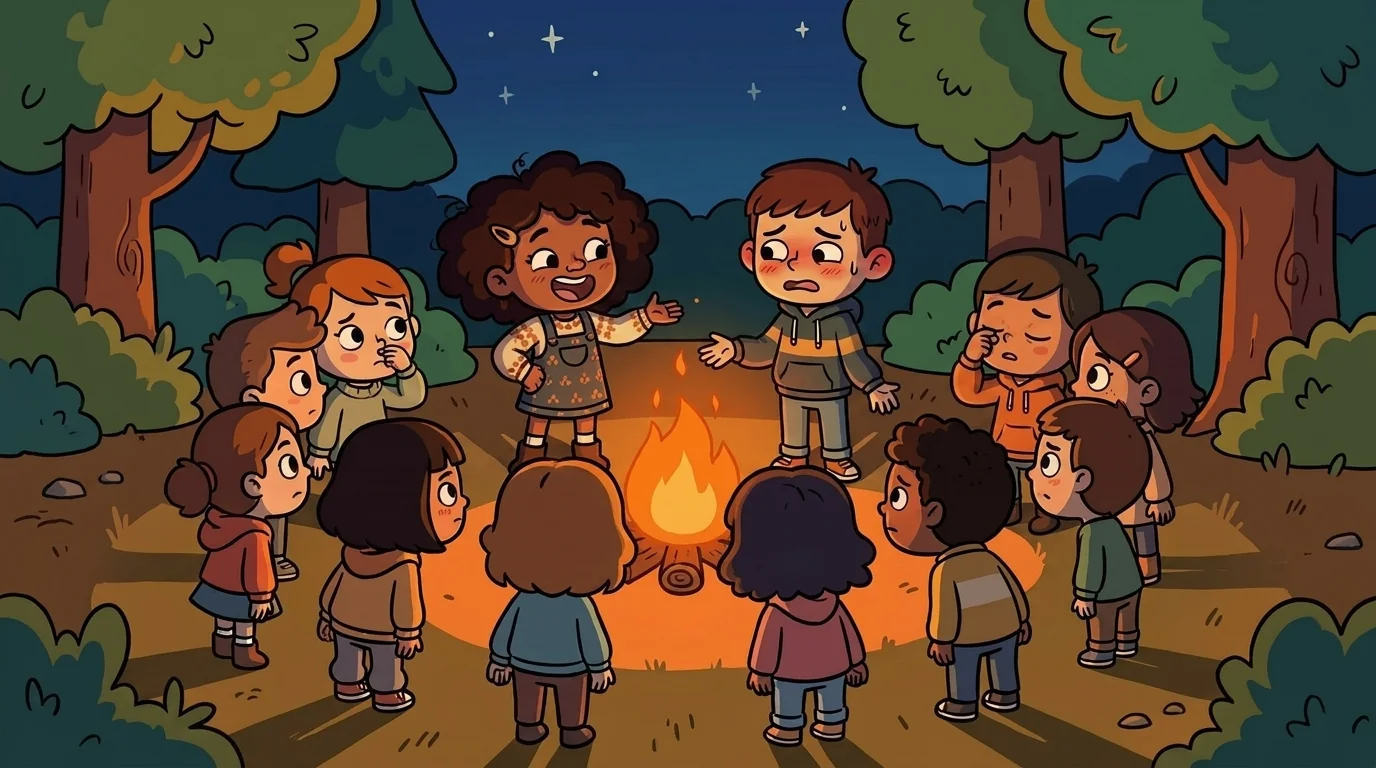
They tried again the next night, and it lurched again. And the night after that.
The trouble wasn't that Latch couldn't tell a story — alone, he was wonderful, all rumble and patience. The trouble was the seam. Toss would hand him a slow, spooky moment and he'd catch it at a gallop. Or he'd end on a long, held quiet and she'd come barreling back in loud, and the poor fox lurched through the woods like a cart with one square wheel. Latch's ears went hot every time. "I keep dropping it," he said, poking the fire. "The second you toss it to me, I can't remember how you were saying it."
Toss chewed her lip. She'd been so busy loving her own launches that she'd never once thought about how she was landing the story into his hands.
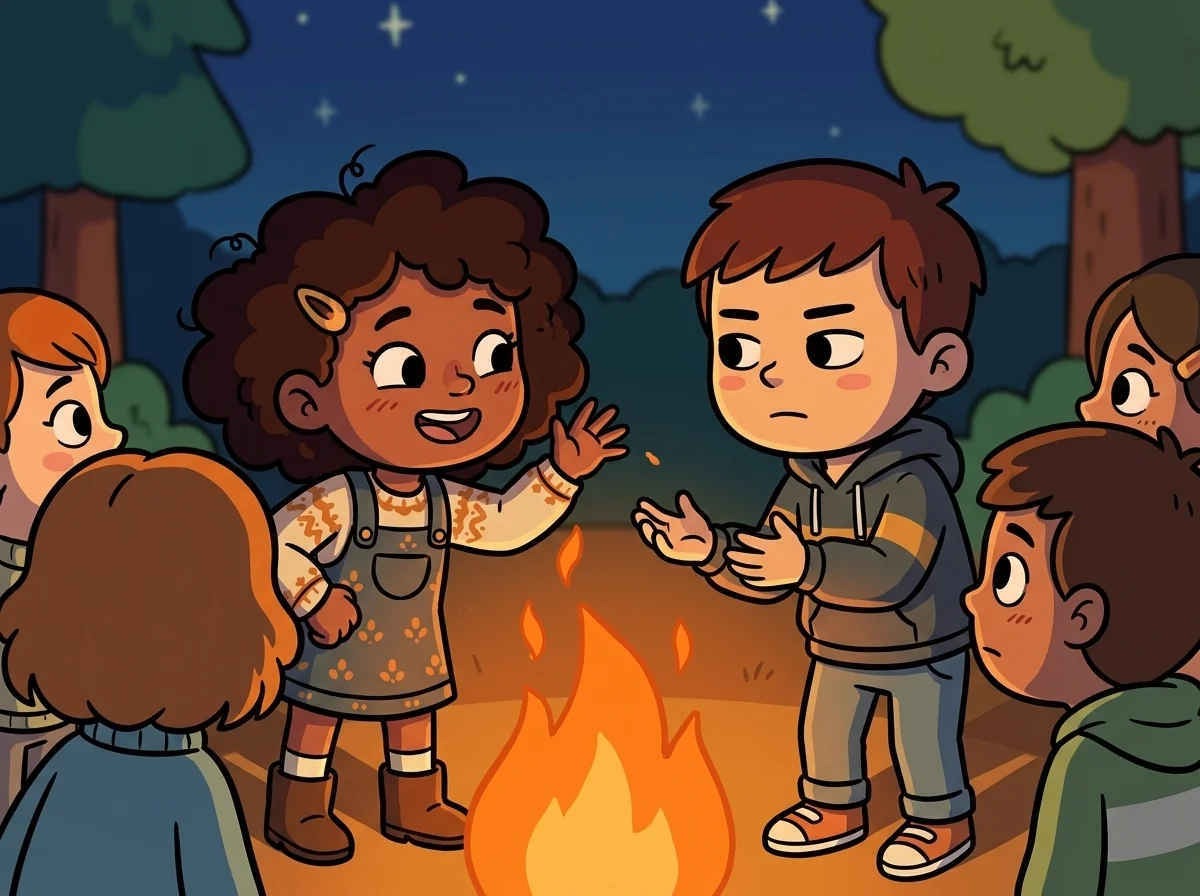
So they stopped practicing the words. They practiced the handoff.
Toss learned to hand the thread over at the end of a breath, not the middle of one — to leave Latch a clean edge to grab. And Latch learned the real secret, the one nobody had told him: before you open your mouth, you catch the last note the other teller left in the air. If Toss ended low and slow, he started low and slow, matching her the way you match a friend's walking pace without thinking. He stopped listening for when to jump in and started listening for how she'd been telling it.
"Say the fox part again," Latch said. Toss curled her voice down into the hush. And this time, when she tossed it, Latch caught the hush first and the words second — "...and the river," he murmured, in exactly her tone, so quietly the kids leaned in another inch — and the seam simply wasn't there.
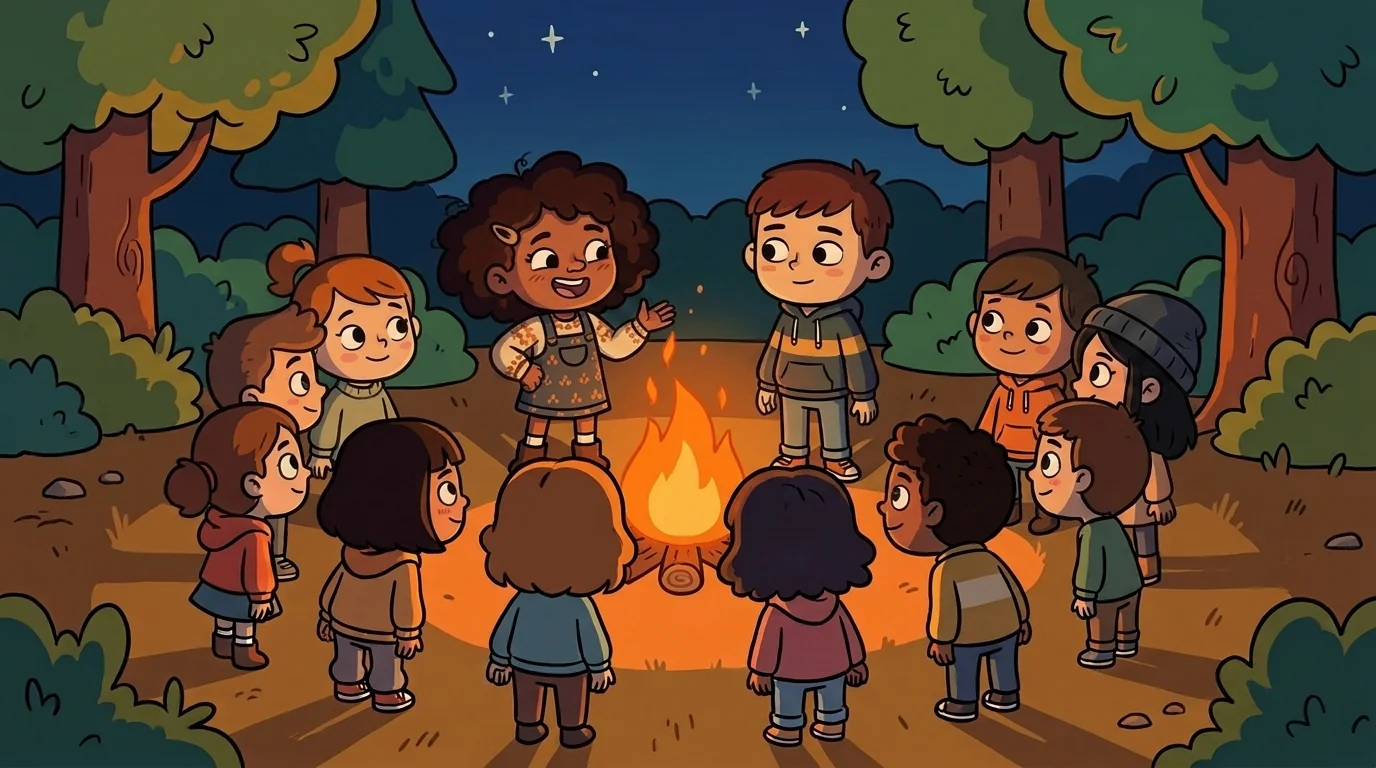
By the end of the week, the circle couldn't tell where one voice stopped and the other started.
Toss would loft a line and Latch would latch onto its exact color and carry it three steps further and loft it back, and the fox ran through the woods so smoothly that a visiting grandmother, listening from the porch, asked afterward which one of them had told it. "Both of us," they said together, and even they weren't totally sure anymore who'd said which part. That was the whole trick, Toss realized — a handoff you can hear is a fumble; a handoff you can't hear is the art. The magic was never in the tossing or the catching alone. It was in the listening that happened in between.
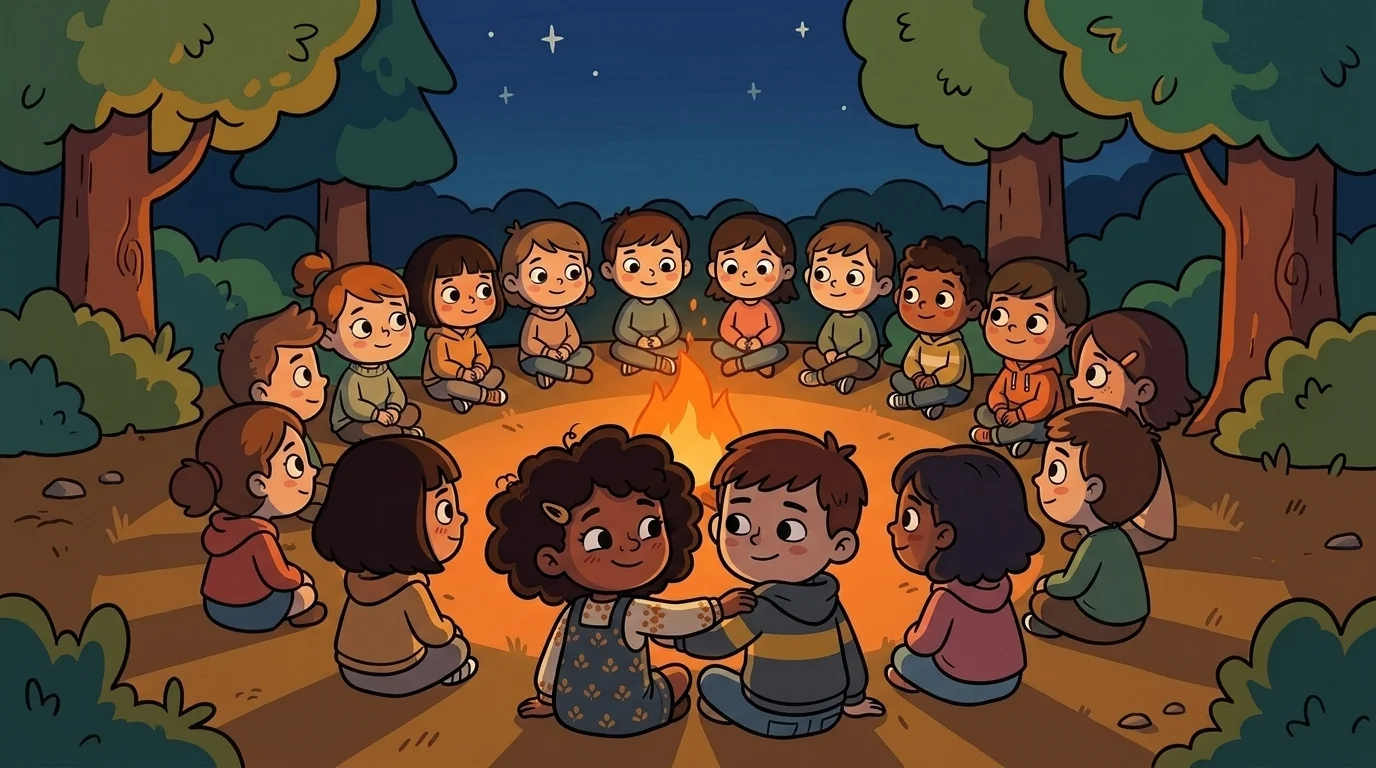
The last night, they told the fox-and-the-moon story one final time, and it flowed like a single ribbon of voice around the fire.
When it ended, nobody clapped right away — there was that beautiful held second of quiet first, the kind that only comes when a circle has completely forgotten there were two people talking. Latch felt it in his chest, the hot embarrassment of those first lurching nights finally cooled all the way into something warm and proud: the quiet, settled joy of being so tuned to another person that the two of you become one telling. Toss bumped his shoulder. Neither of them said anything. They didn't need to — they'd spent all week learning to hear each other without words, and now, in the glow of the almost-out fire, they just sat in it together, one story's worth of quiet shared clean down the middle.
The VoiceTale ensemble
Toss and Latch is part of VoiceTale's distributed-narrative cast. Each character embodies a different curricular primitive; together they teach the full subject.
-

Lean
Hook / leanability — badger-tween whose upper body visibly tips forward at second 5; if hook is weak she rocks back to neutral
-

Slow
Pacing across the 5-beat arc — tortoise-elder with wooden hourglass; her tempo-trail stretches (slow) or bunches (fast) on purpose
-

Pivot
The turn at beat 4 — barn-owl-tween whose head rotates 180° at the exact moment story / teller / listener turn together
-

Refrain
Callback / refrain — mockingbird-tween with carved-wood phrase-token who repeats one phrase identically at the closing (same words, same shape, said again, said better)
-
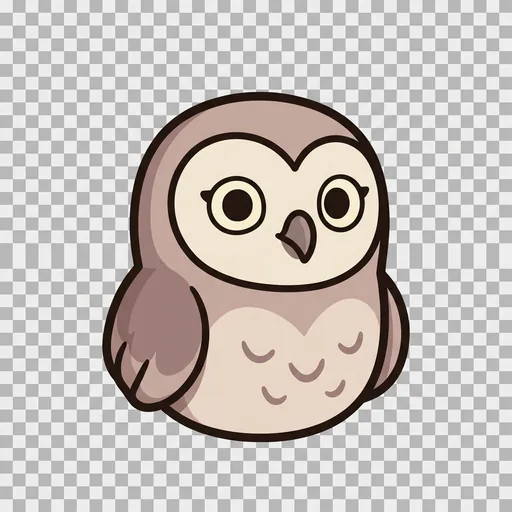
Hush
The pause / strategic silence — soft round owl who holds a held beat of quiet right before the important word, pulling the whole circle forward
-
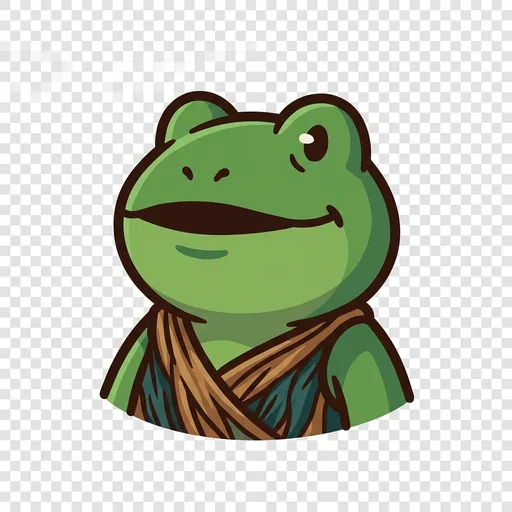
Boom
Volume + emphasis — wide-mouthed frog whose voice swells from the tiniest whisper to a big round roll; the soft pulls listeners close, the loud lands the surprise
-
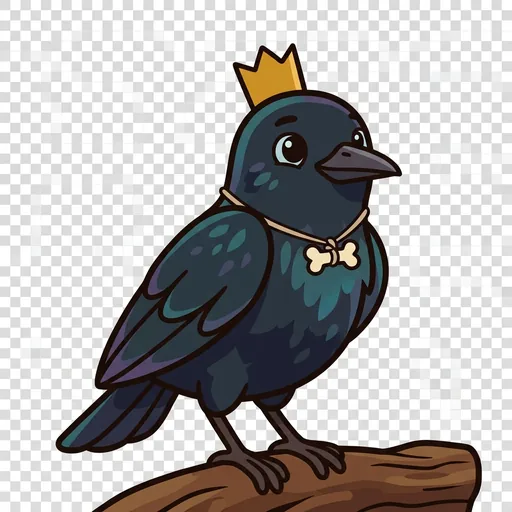
Mimic
Character voices — sleek starling who gives each character in a told tale one small distinct voice so listeners always know who is speaking
-
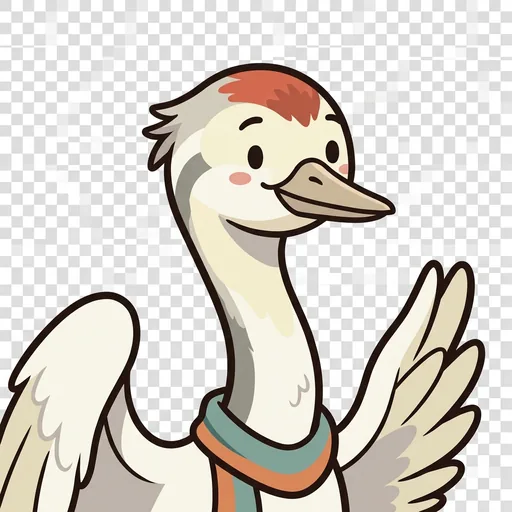
Flourish
Gesture — tall crane whose wings paint the story in the air (wide for huge, close for tiny); the body shows what the words say
-

Gaze
Eye contact / reading the listeners — soft-eyed deer-fawn who tells to the faces of the circle and reads their faces back to know when to slow or hurry
-

Recover
Recovering when you lose your place — easygoing otter who treats a stumble as a tiny ripple: stay calm, build a bridge, carry on