Aha, Slant and Feint
LOOK AT IT SIDEWAYS — a hard riddle rarely yields to straight-ahead pushing: Aha sits calmly in "I don't get it yet" without panic, Slant approaches from an unexpected angle instead of the obvious one, and Feint catches the misdirection tucked into the wording itself
A story read by Aha, Slant and Feint
Loading audio…
Press play to listen along. The line being read lights up as you go.
Show full transcript
Loading transcript…
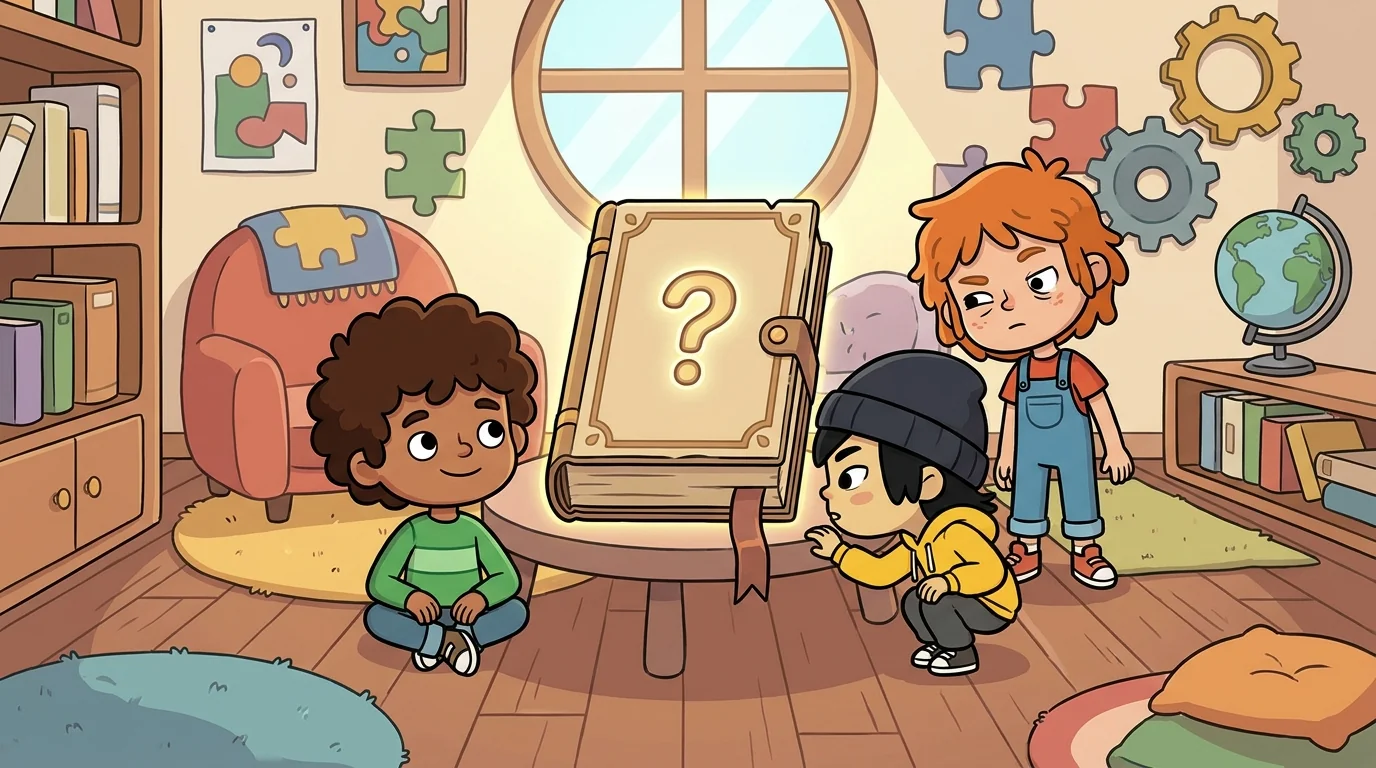
The riddle sat in the middle of the room, smug as riddles always are, and three friends circled it.
"What can travel all the way around the world while staying in one little corner?"
A crowd of would-be solvers had already tried the straight-ahead way — shouting out things that literally travel: a bird? a plane? the wind? — and gotten nowhere, and wandered off frustrated, deciding the riddle was unfair. But three particular friends didn't circle it that way. They circled it sideways.
Aha sat right down in front of it, unbothered by not knowing.
Slant walked around to look at it from the far side.
And Feint leaned in close, listening not to what the riddle said but to how it was worded.
"Ooh," said Aha, happily. "A good one. I don't get it yet."
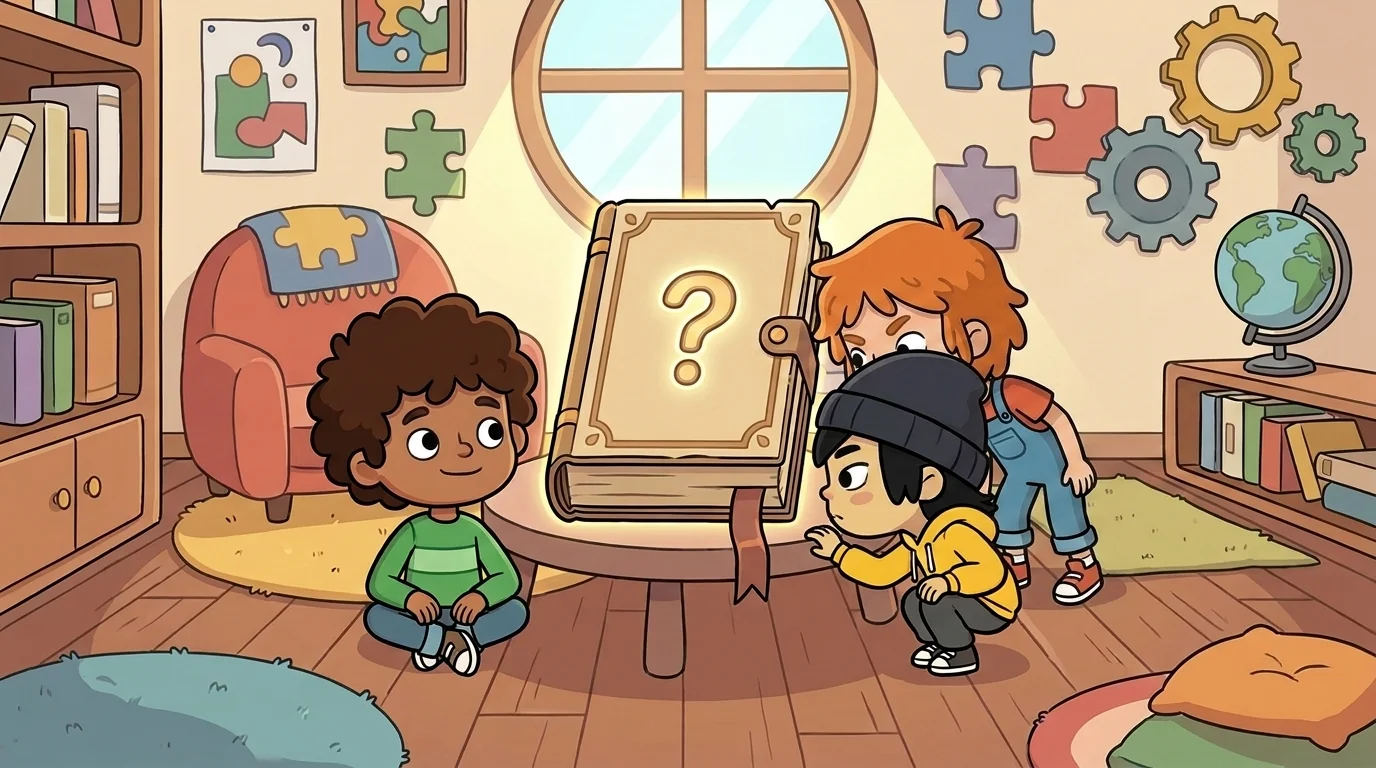
Aha went first — because before you can crack a hard riddle, you have to be able to stay in the not-knowing without panicking, and that was Aha's whole gift.
"Everyone else ran off because 'I don't get it' felt bad to them," Aha said, settling in comfortably. "But 'I don't get it yet' is the best place to be! It's the itch right before the scratch. It means your brain is working on it — that little almost-there tingle is the good part." Aha stretched, content. "The trick is not to flee that feeling. Most people bail the second a riddle stumps them, because being stumped feels like failing. But being stumped is just being not-done-yet. Sit in it. Get curious in it. The not-knowing isn't the enemy — it's the doorway. Nobody ever had an aha without first spending a while in the huh?"
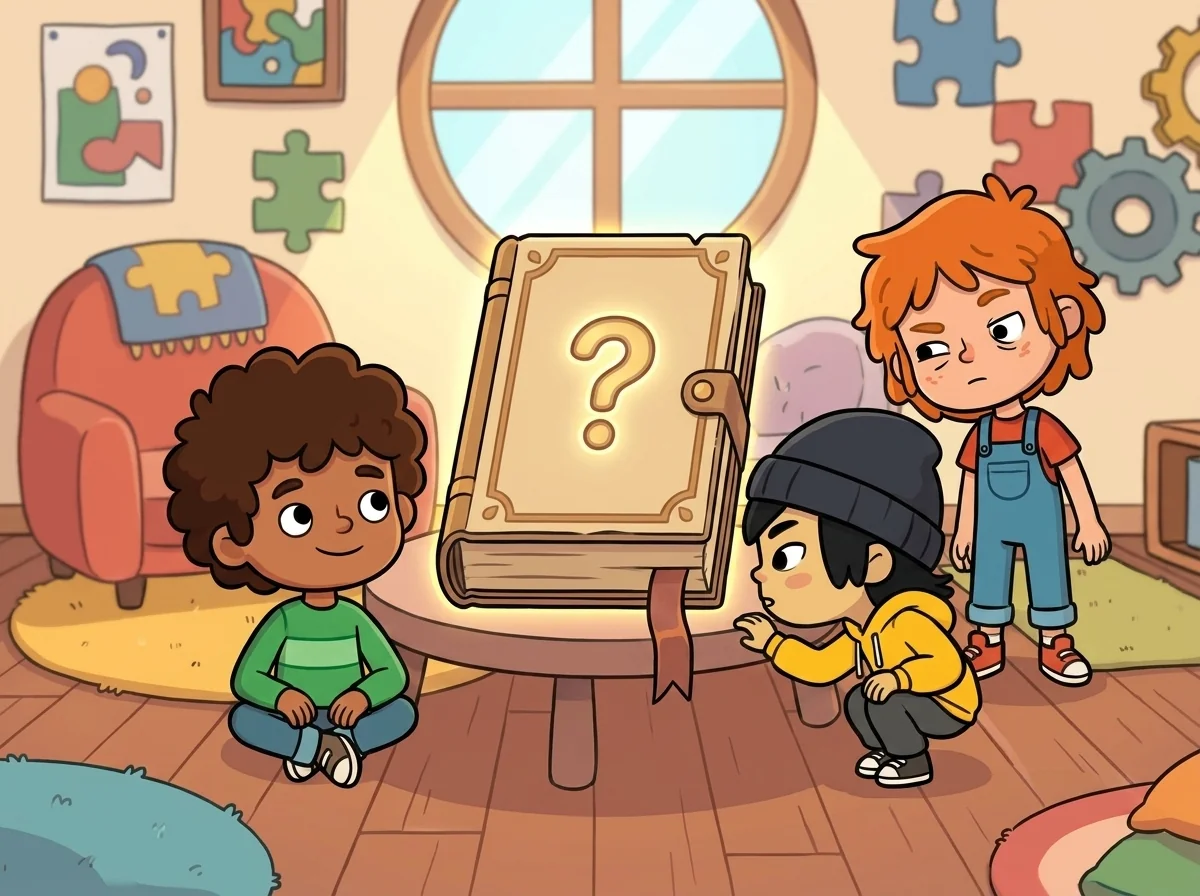
Then Slant did the move that the frustrated crowd had missed entirely: stop pushing straight ahead, and look from the side.
"Everyone attacked it head-on," Slant said, circling to a new angle. "They asked, 'what thing literally travels around the world?' — a bird, a plane. Straight-ahead thinking. And it led nowhere, because the answer isn't down the straight road." Slant tilted its head, studying the riddle from an odd angle. "So I stop going forward and go sideways. What travels around the world but doesn't move itself? What goes everywhere while sitting still in one corner?" Slant let the sideways question hang. "The obvious answer is a trap — that's almost always true of a good riddle. The obvious path is the one they want you to run down, so you'll miss the little side-door where the real answer's hiding. Don't push harder on the locked front door. Walk around and look for the window."
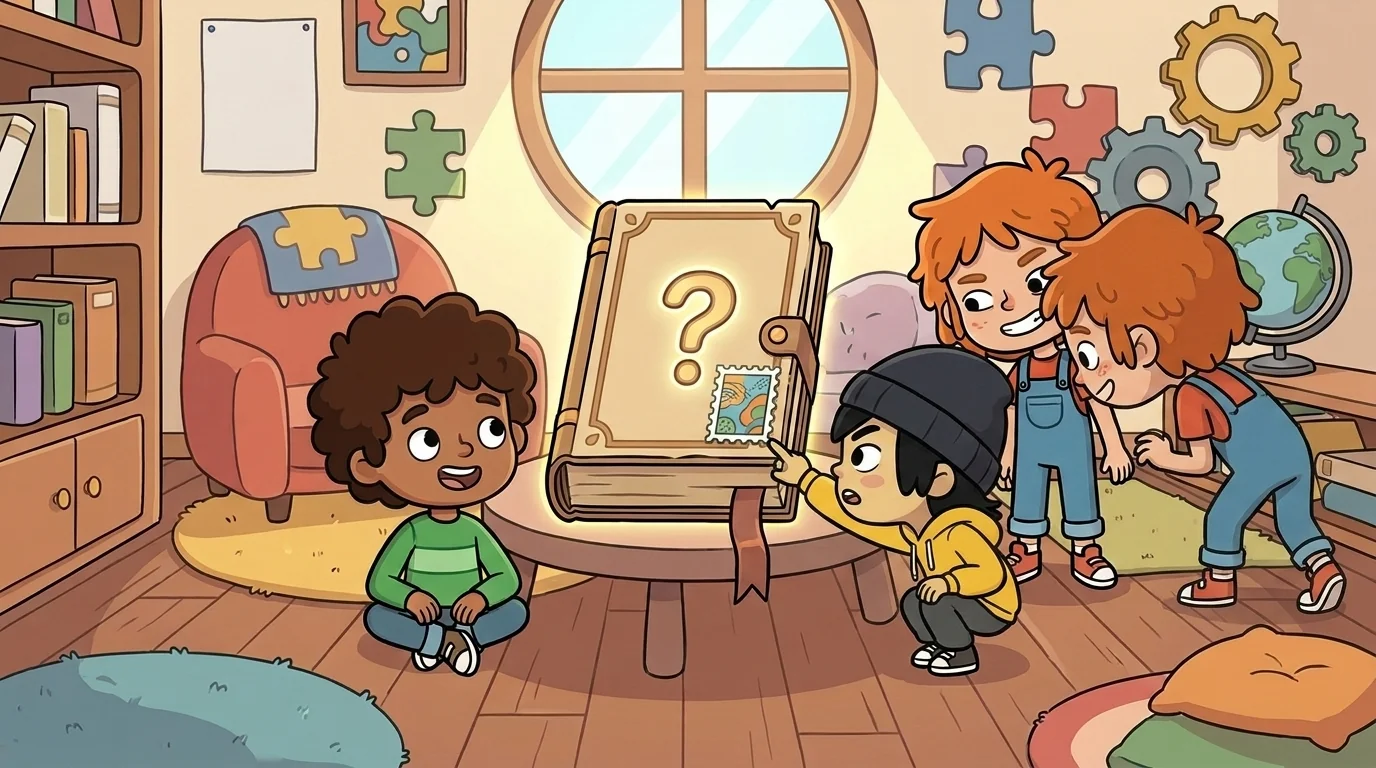
And then Feint caught the last piece — the sneaky clue tucked right into the wording.
"Listen to the exact words," said Feint, leaning close. "'Stays in one little corner.' People skimmed right past that — but that's the whole key. What lives in a corner? A corner of what?" Feint's eyes lit up. "A corner of an envelope. And what sits in the corner of an envelope and travels all the way around the world without moving itself one inch — carried everywhere, doing nothing, just stuck in its little corner?"
"A stamp!" said Aha, delighted.
"A stamp," Feint agreed, grinning. "The misdirection was in the word 'travel' — it made everyone picture something that moves. But a stamp travels the world by staying perfectly still in its corner while the letter carries it. The trick was baked right into how the question was asked. Read the wording like it's trying to fool you — because it is — and you catch the sleight of hand."
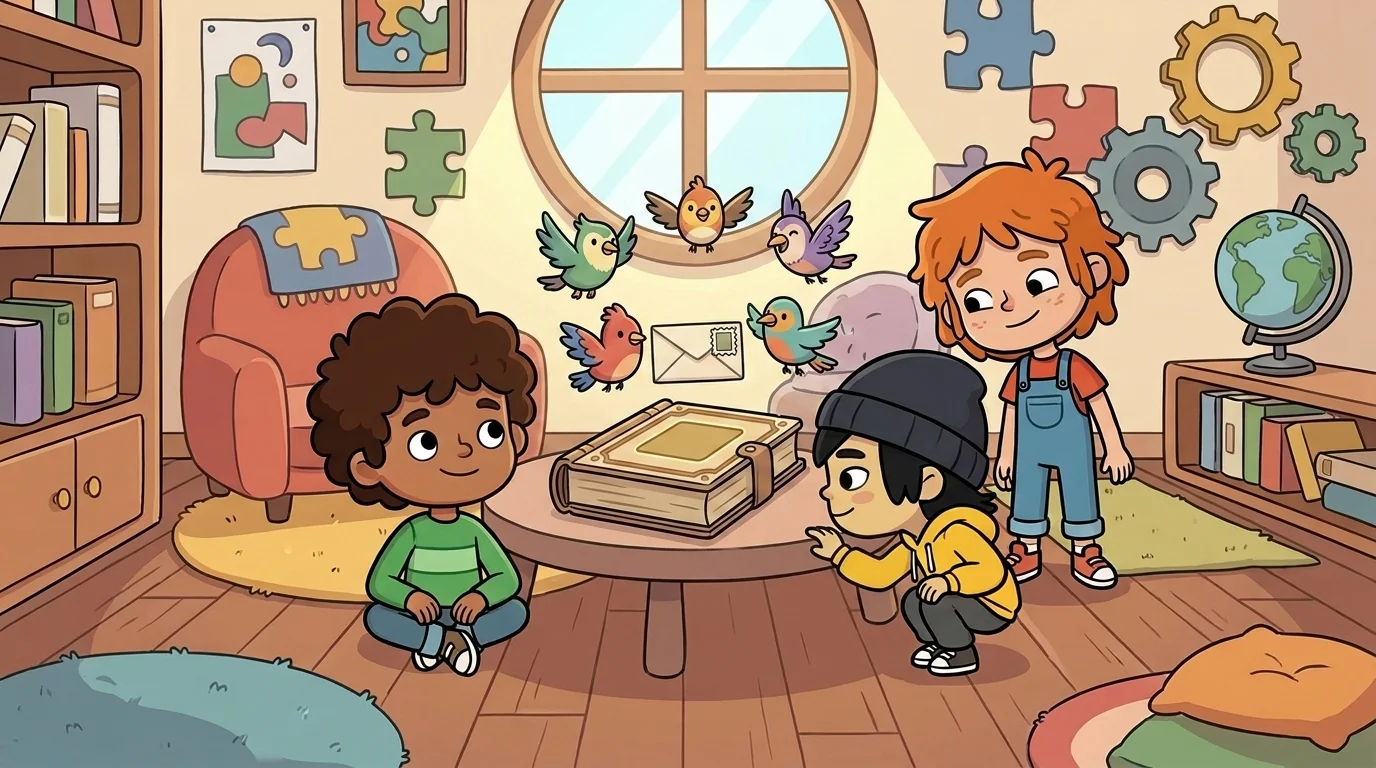
The riddle, cracked, stopped looking smug and started looking almost friendly, the way a solved riddle does — obvious, in hindsight, as if it had never been hard at all.
"Good patience," said Slant.
"Good sideways," said Feint.
"Good catch," said Aha.
There is a bright, particular joy in the click of a riddle finally cracking — the "oh!" that arrives when a sideways look reveals what was hiding in plain sight the whole time. And the three moves that get you there are worth far more than any single answer: to sit calm and curious in not-knowing-yet, to approach hard things from an unexpected angle instead of just pushing harder, and to read tricky wording like it's playing a friendly trick on you. Carry those three, and you're not just good at riddles. You're good at the whole delightful art of seeing what everyone else looked straight past.
The RiddleRealm ensemble
Aha, Slant and Feint is part of RiddleRealm's distributed-narrative cast. Each character embodies a different curricular primitive; together they teach the full subject.
-

Twist
Wordplay riddles — puns, homophones, semantic misdirection (fair-trick framing)
-
Aha
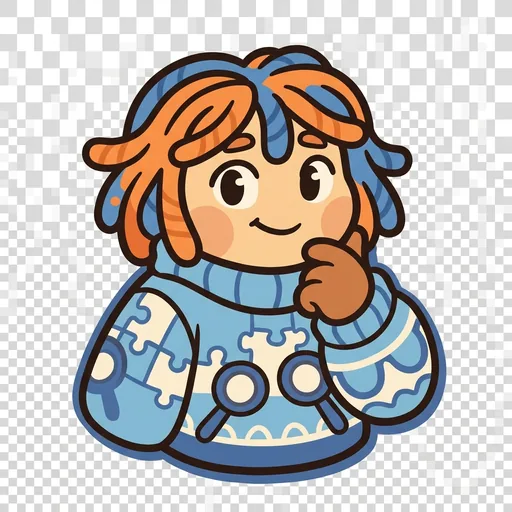
Logic riddles — patient frame-finding; 'I don't get it yet' = productive cognitive state
-

Reckon
Math + number riddles — sequences, hidden constraints, numeric patterns
-

Pan
Visual + spatial riddles — picture puzzles, perspective rotation
-

Yarn
Mystery + detective + synthesis riddles — multi-step narrative with fair-planted clues
-

Veil
'What am I?' metaphor riddles — an object describes itself in true, veiled clues ('a face and two hands but no arms' = clock); every clue fair, never a lie
-
Jumble
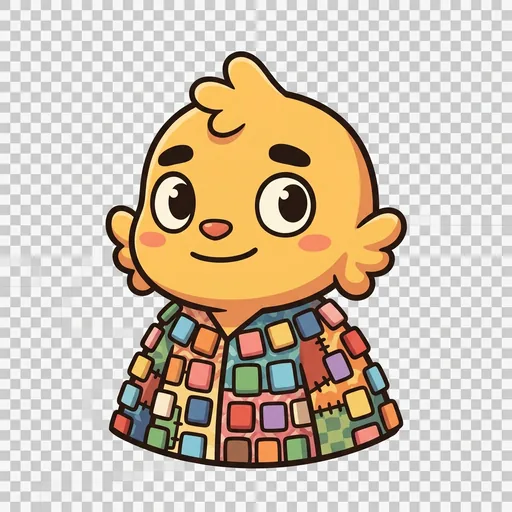
Letter riddles — anagrams, palindromes, hidden words (LISTEN→SILENT); every letter is in plain sight, so a slow solver isn't missing anything
-

Slant
Lateral thinking — cracking a puzzle by questioning a hidden assumption; being stuck means your clever, assuming brain is working, not failing
-

Cobble
Riddle-making — building your own riddle backward from the answer; a riddle is a gift not a gotcha, so every clue stays true and findable
-
Feint
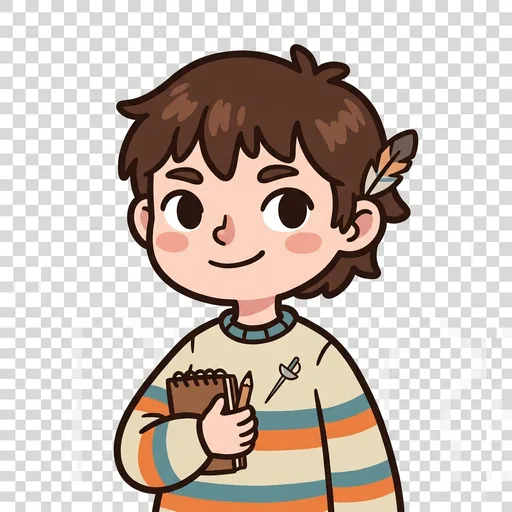
Trick questions — the misdirection hides in how the question is asked ('Moses on the ark'); the cure is slow down and read every word, not 'be smarter'