Lex and Nook
WORDS WE HAVE NO WORD FOR — every language holds unique treasures: Lex gathers untranslatable words that capture a feeling or idea no other tongue has bottled, and Nook cares for endangered languages spoken by only a few — because when a language is kept alive by its community, its one-of-a-kind ways of seeing stay alive too
A story read by Lex and Nook
Loading audio…
Press play to listen along. The line being read lights up as you go.
Show full transcript
Loading transcript…
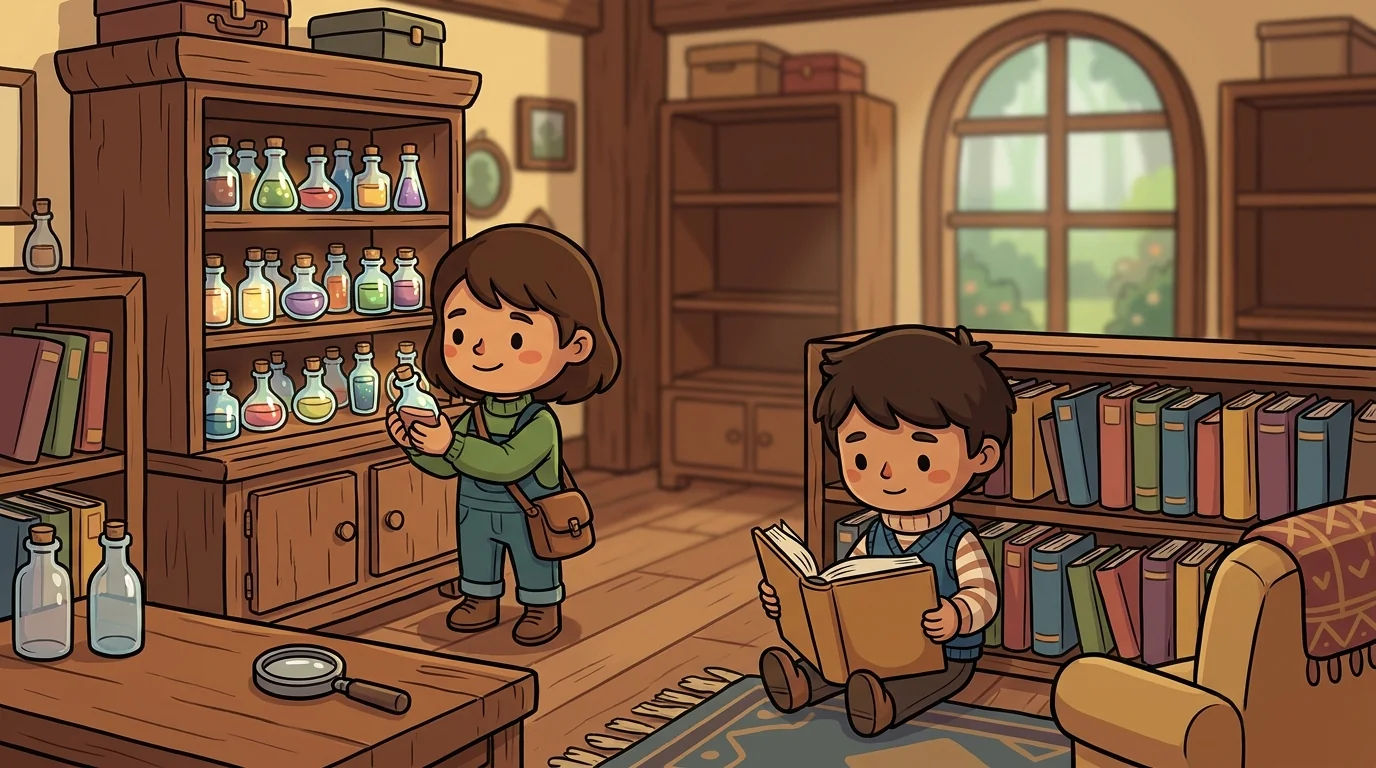
In the quietest wing of the great language hall, away from the busy branching tree, two friends kept a smaller and more tender kind of collection — not of grammar or sounds, but of treasures.
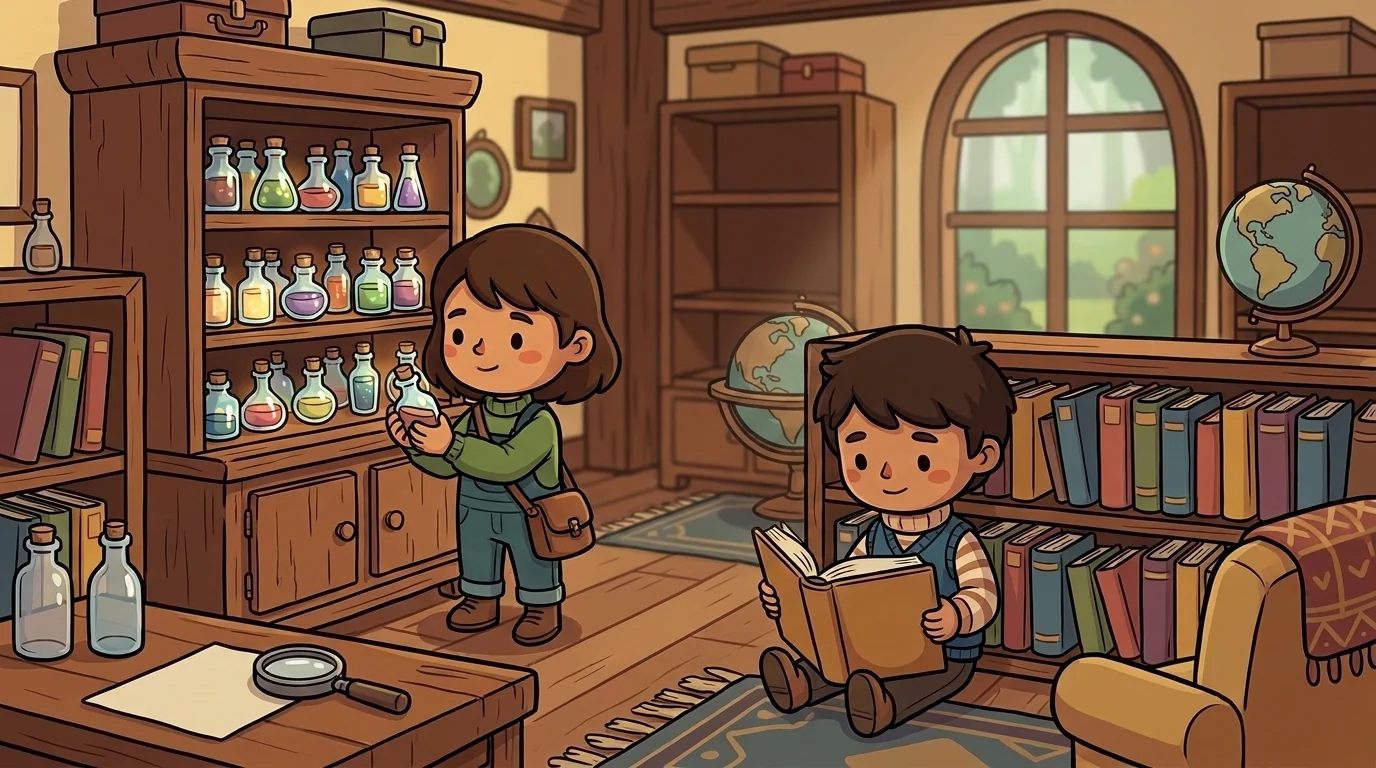
Lex kept a cabinet of tiny bottles, each holding one perfect, untranslatable word.
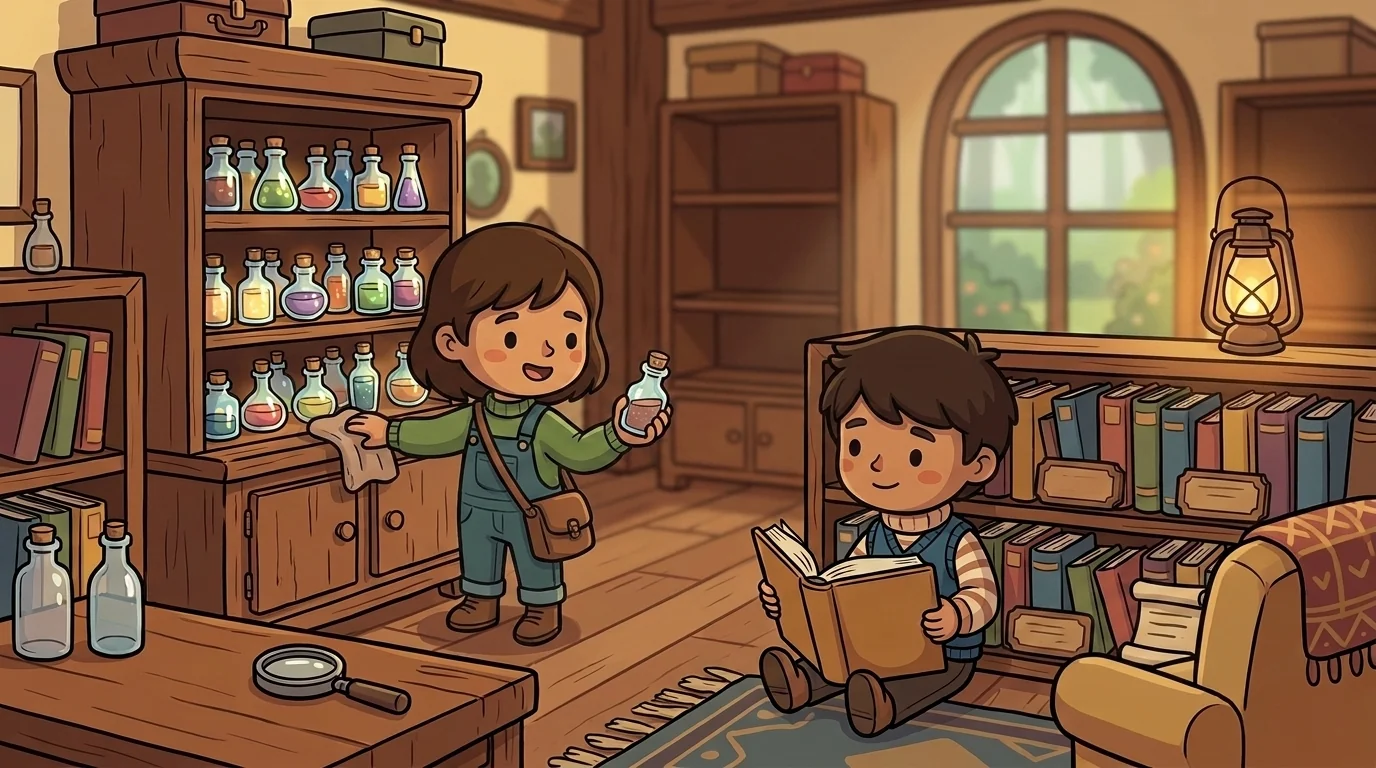
And Nook kept a warm lantern-lit corner for the languages that only a few people, somewhere, still spoke — held carefully, with great respect, always crediting the communities who kept them alive.
"People think every language just says the same things in different sounds," said Lex, dusting a bottle. "But that's not true at all. Some languages have bottled a feeling that yours has no word for. Look."
Lex went first, opening the cabinet of tiny bottled words — because the first wonder is that some languages have captured feelings yours has never named.
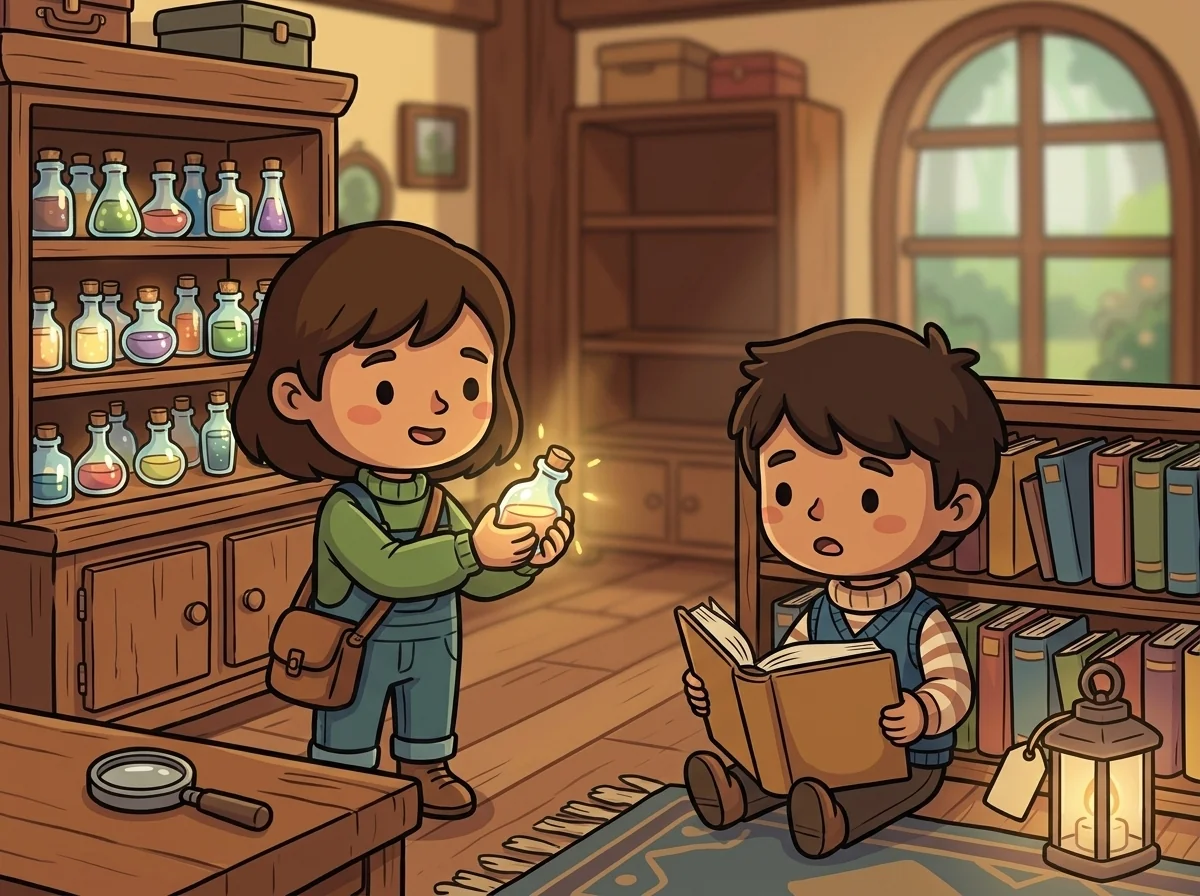
"Here's one," said Lex, lifting a bottle. "There's a language with a single word for the specific golden light that slants through trees late in the afternoon. One word. A whole feeling you've had — you know exactly the light I mean — but you've never had a word for it, so it slipped past you unnamed your whole life." Lex lifted another. "And here — one word for the warm, cozy contentment of being inside with people you love while it storms outside. And here — a word for the feeling of missing a place or a time you can never go back to."
The visitor's eyes widened, recognizing every feeling and none of the words. "That's the marvel of an untranslatable word," said Lex, gently. "It's proof that a language isn't just a different set of labels for the same things — it's a different way of noticing the world. Each language has looked at life and decided some particular feeling was worth bottling into a single word. And every one of those words is a tiny gift: it hands you back a feeling you'd had but never quite held, and now — because someone, somewhere, named it — you can."
Then Nook led the visitor into the warm lantern-lit corner, where the most precious and fragile treasures were kept — and spoke more softly here.
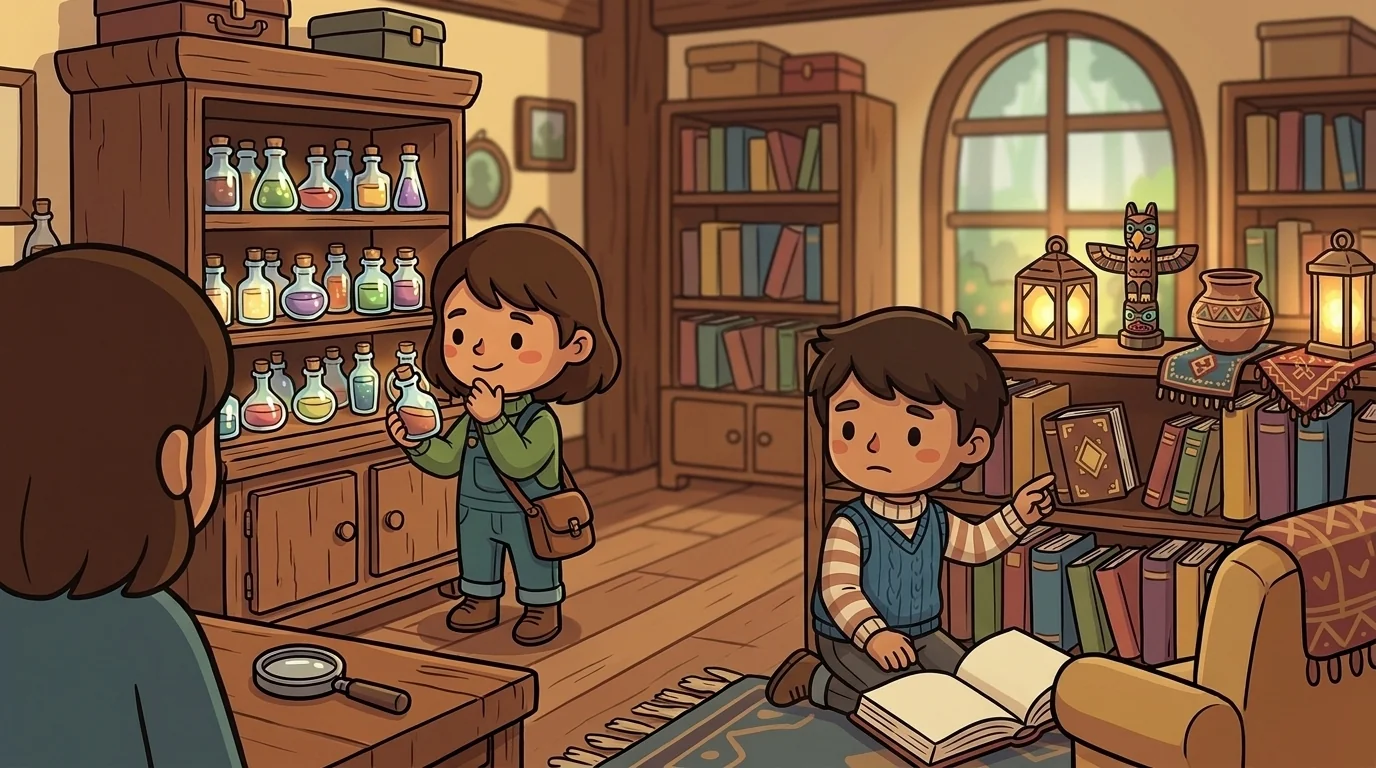
"These," said Nook, "are the endangered ones. Languages spoken now by only a few hundred people. A few dozen, sometimes. Sometimes only a handful of elders, keeping it alive with such love and care." Nook gestured with deep respect, always naming that these were held by their communities — not curiosities to collect, but living treasures belonging to the people who kept them. "And here's why this corner matters so much. Remember Lex's bottled words — the feelings and ways of seeing that live in one language and no other? Every one of these small languages holds its own bottle-cabinet: unique words, unique ways of understanding the land, the seasons, family, the sky — ways of seeing that exist nowhere else on Earth."
Nook's voice was warm and grave at once. "So when a community works to keep its language alive — teaching the children, telling the stories, holding the words — they're not just saving sounds. They're keeping a whole irreplaceable way of seeing the world from vanishing. That's why the people doing that work deserve such deep respect. They're guardians of something the whole world would be poorer without."
The visitor stood a long, quiet moment between the two — Lex's cabinet of one-of-a-kind words and Nook's lantern-lit corner of one-of-a-kind languages — understanding, now, that they were really the same treasure, at two sizes.
"Good words," said Nook.
"Good keeping," said Lex.
There is a tender, widening feeling that comes from this corner of language — the understanding that every tongue, from the largest to the smallest, holds ways of seeing the world that live nowhere else, bottled into words and grammar and story. It makes each language feel less like a hurdle and more like a treasure chest, and it fills you with quiet respect for the people who keep the rare ones alive. A word for a feeling you'd never named; a language held with love by the few who still speak it — these are among the most precious things people make. And to notice their worth, and honor the communities who guard them, is to understand something true and beautiful about being human: that there are as many ways to see the world as there are languages to say it in, and every single one is worth protecting.
The LinguaQuest ensemble
Lex and Nook is part of LinguaQuest's distributed-narrative cast. Each character embodies a different curricular primitive; together they teach the full subject.
-

Bough
Language families (genetic descent — Indo-European / Sino-Tibetan / Afro-Asiatic / Niger-Congo / Austronesian)
-

Drift
Sound change (phonological evolution — Grimm's Law, vowel shifts, palatalization)
-

Glyph
Writing systems (alphabetic / abjad / abugida / syllabic / logographic — and how each captures speech)
-
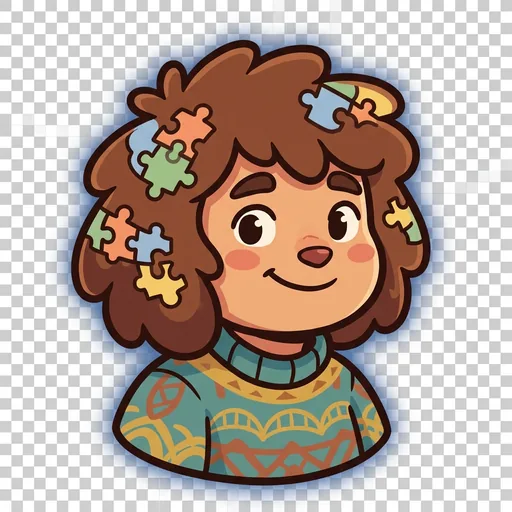
Bridge
Cognates and loanwords (shared roots across languages; trade-route borrowings)
-

Cant
Sociolinguistics — dialect, register, code-switching, formal/informal speech
-
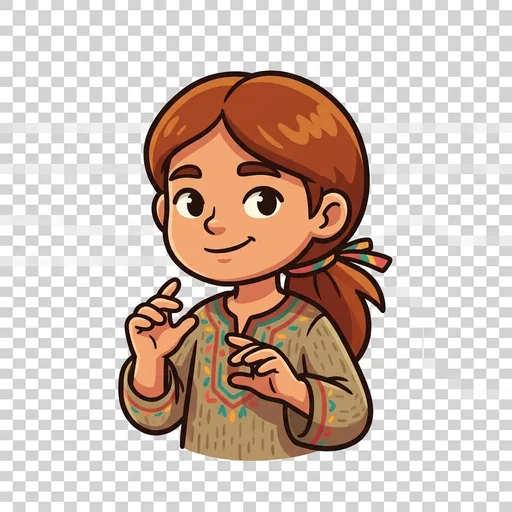
Sign
Signed languages — full natural languages spoken with hands, face, and space; each Deaf community's own, never 'just gestures'
-
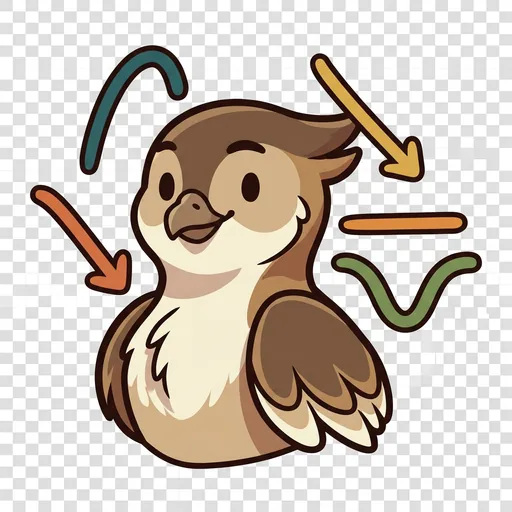
Swoop
Tone — pitch that changes a word's meaning (tonal languages); precise and sophisticated, never 'sing-song' or 'exotic'
-
Weft
Word order / syntax — languages arrange words differently (SVO/SOV/verb-first); no order is 'backwards,' each is complete
-
Lex
Untranslatable words — words no other language has in one breath; not a gap in your language but a gift another can offer
-

Nook
Endangered languages + revitalization — keeping fading languages safe; decline is from histories of harm, never the speakers' fault; communities lead the revival