
Bolt and Weld
CONNECTION-RIGOR — *bolt a connection tentatively, stress-test it, and only weld it if it holds.* The cross-curricular primitive of the bridge-rigor gate itself — the discipline of treating a cross-subject connection as provisional until it survives a real test, then committing only to the ones that hold.
Press play to listen along. The line being read lights up as you go.
Show full transcript
Loading transcript…
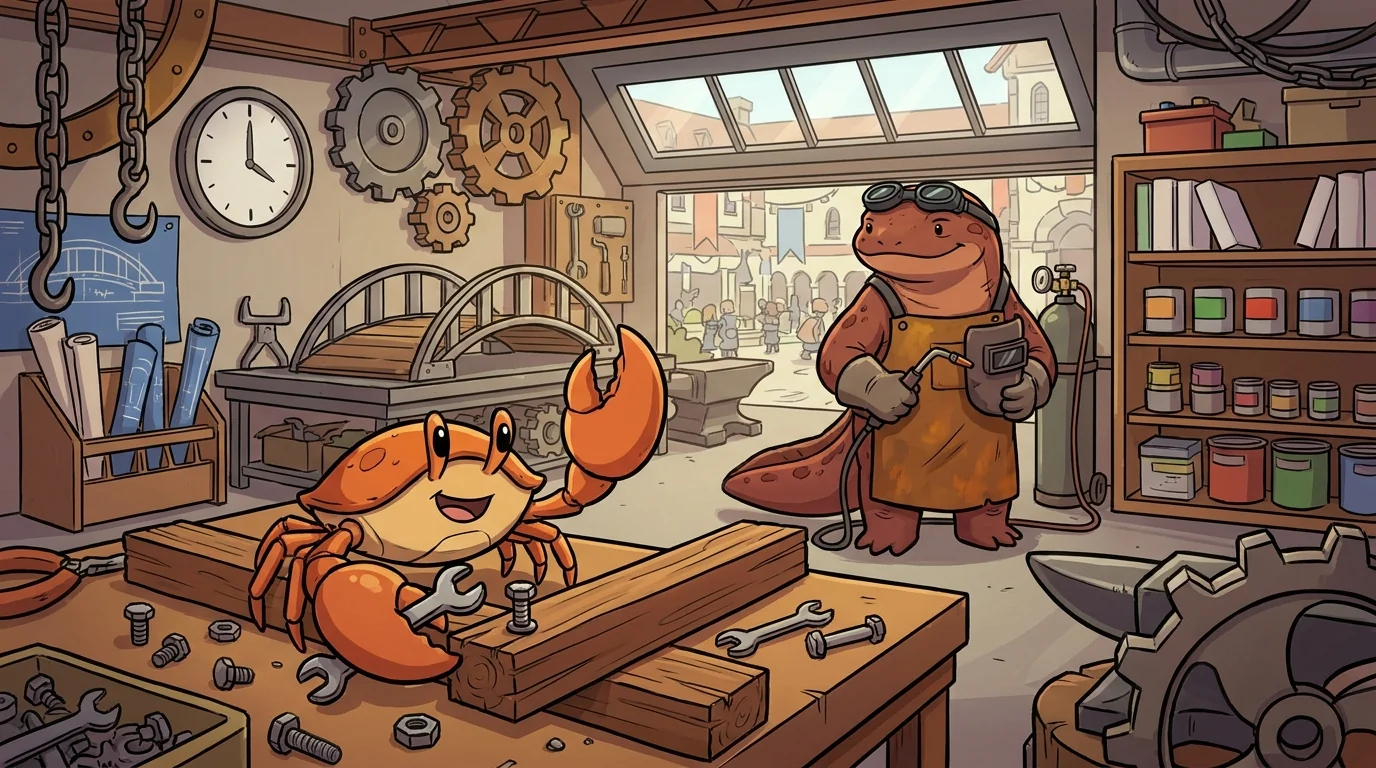
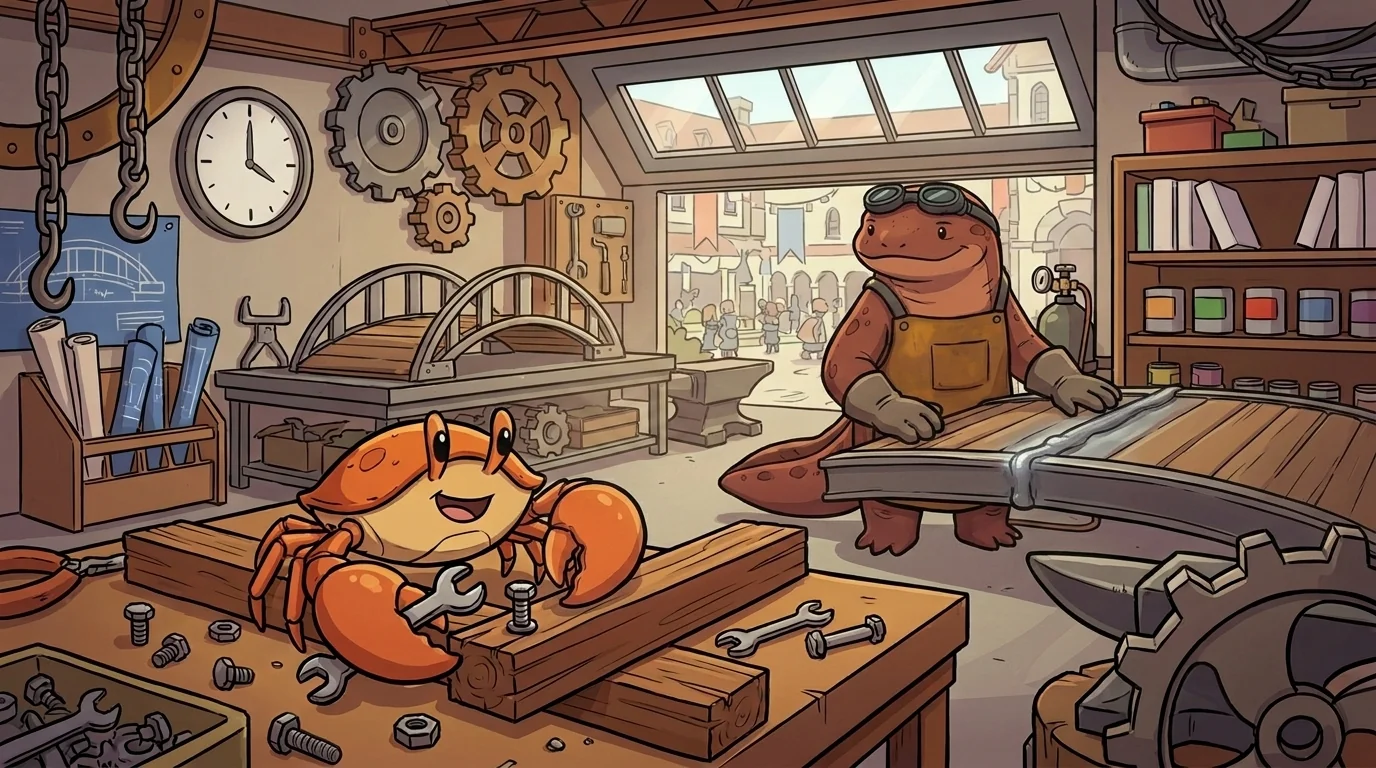
The far end of the BridgeForge workshop always smelled of coal smoke, wet salt, and hot iron. It was where the other builders came to see if their creations were actually real. Among the heaps of scrap metal, two friends worked as a pair. Together, they were the reason the whole academy slept soundly.
Bolt was a crab with a brass shell and quick, clicking claws. He could fasten two pieces of iron in a single, sharp snap. Just as importantly, he could unfasten them just as fast. A bolted joint was a tentative joint—strong enough to test, but loose enough to take apart if the math went wrong.
Weld was a salamander with skin like soot and eyes like glowing embers. He was slow, warm, and quiet. When he breathed on a joint, he fused the pieces into one permanent, unbreakable thing. But Weld would only weld a joint that Bolt had first bolted and stress-tested. Bolt made the tentative connection. Weld made the permanent one.
"Never weld what you haven't bolted," Bolt liked to say, clacking his left claw.
"And never bolt what you aren't willing to test," Weld would finish, his voice like dry gravel. This rule was the gate that kept the whole academy safe.
Every other character in the academy built a bridge between math and another subject. Truss proposed a math-and-science connection, while Girder worked on a math-and-computing link. But it was Bolt and Weld who decided whether each bridge actually held. They did not just accept a connection because it sounded nice.
One Tuesday morning, Girder brought over a new model meant to connect math and computing. Girder stood with his metallic shoulders squared, pointing to the delicate copper wires.
"The numbers in the code match the angles of the struts perfectly," Girder said, his voice full of hope.
Bolt scurried over, his thin legs tapping a lively rhythm on the workbench.
"Sounds pretty," Bolt said, squinting at the wires. "But pretty isn't a bridge. Let's bolt it and see."
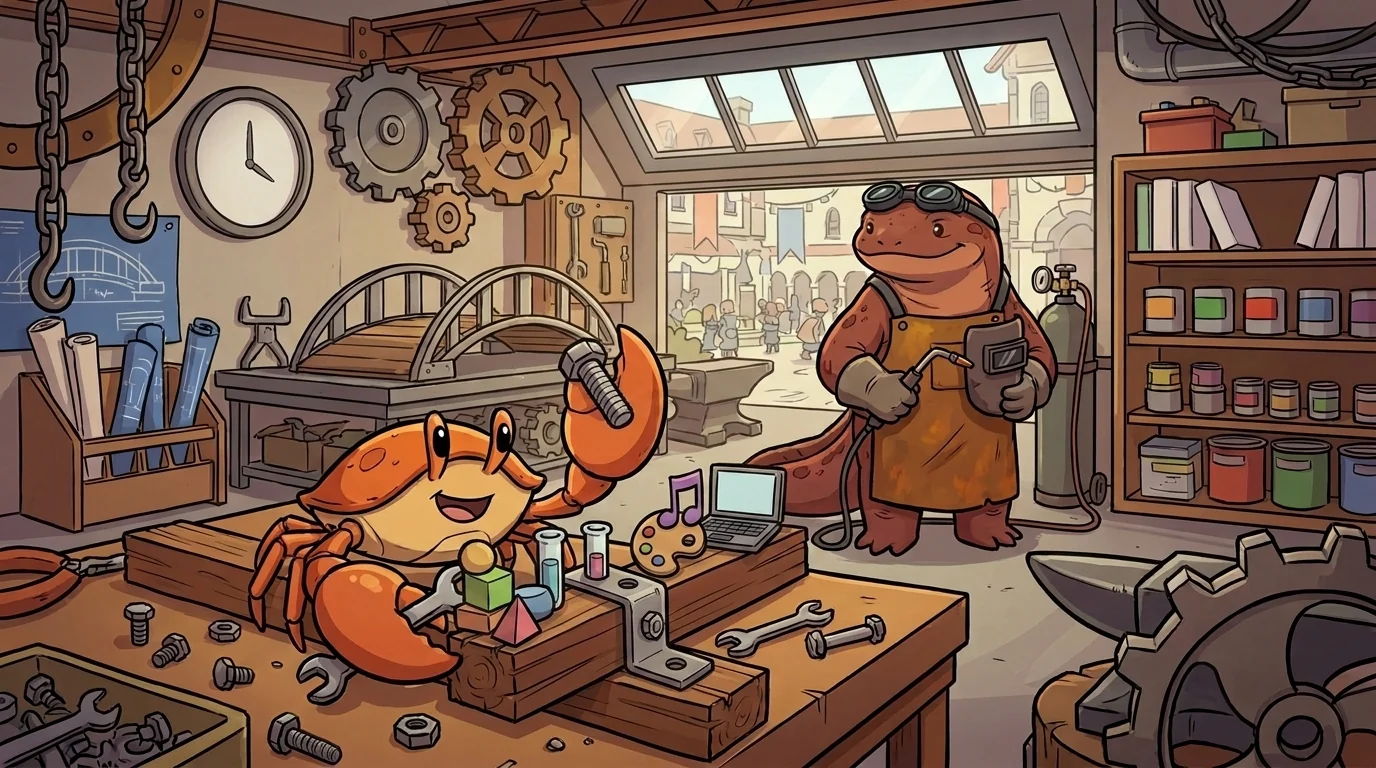
With a quick flurry of clicks, Bolt slipped temporary brass pins into the empty joints. He left them just loose enough to show any hidden strain when they began to test the structure.
"Now," Weld said, crawling closer. "Let's load it."
Instead of just tapping the frame, they piled heavy iron weights directly onto the center of the span. One weight. Two weights. On the third weight, the copper wires began to twist under the pressure, and the joints groaned. One of Bolt's temporary brass pins popped right out, bouncing noisily across the stone floor.
"Ah," Bolt said, catching the pin. "It wobbles when we push. The code looks like the struts, but they do not support each other."
Girder sighed, his metallic shoulders dropping. "I thought it was a sure thing."
"It's just a guess wearing a hard hat," Weld said gently, blowing a tiny puff of cool smoke. "No harm done. Bolt can unbolt it, and you can try again."
Bolt quickly tapped the remaining pins out. "Go back to the drawing board, Girder, and find where the math actually does the heavy lifting."
Girder stared at the loose wires in his hands. He did not look angry; he just looked like he was seeing his bridge clearly for the first time. Sometimes, you have to watch something break to understand how it actually fits together.
This was the beating heart of the whole academy. Bolt and Weld taught *connection-rigor*—the gate every cross-curricular bridge had to pass. It was a simple three-step process: bolt the connection tentatively, stress-test it under pressure, and weld it to make it permanent. They asked one question of everything: "At what level of abstraction does this bridge hold?"
If it held exactly at that level, Weld fused it. If it only rhymed on the surface, Bolt cheerfully unbolted it and threw it back. There was never any shame in having a connection rejected. A rejected bridge was simply a guess that was not quite ready for the fire.
They loved to show how their method worked with two different claims about music and math.
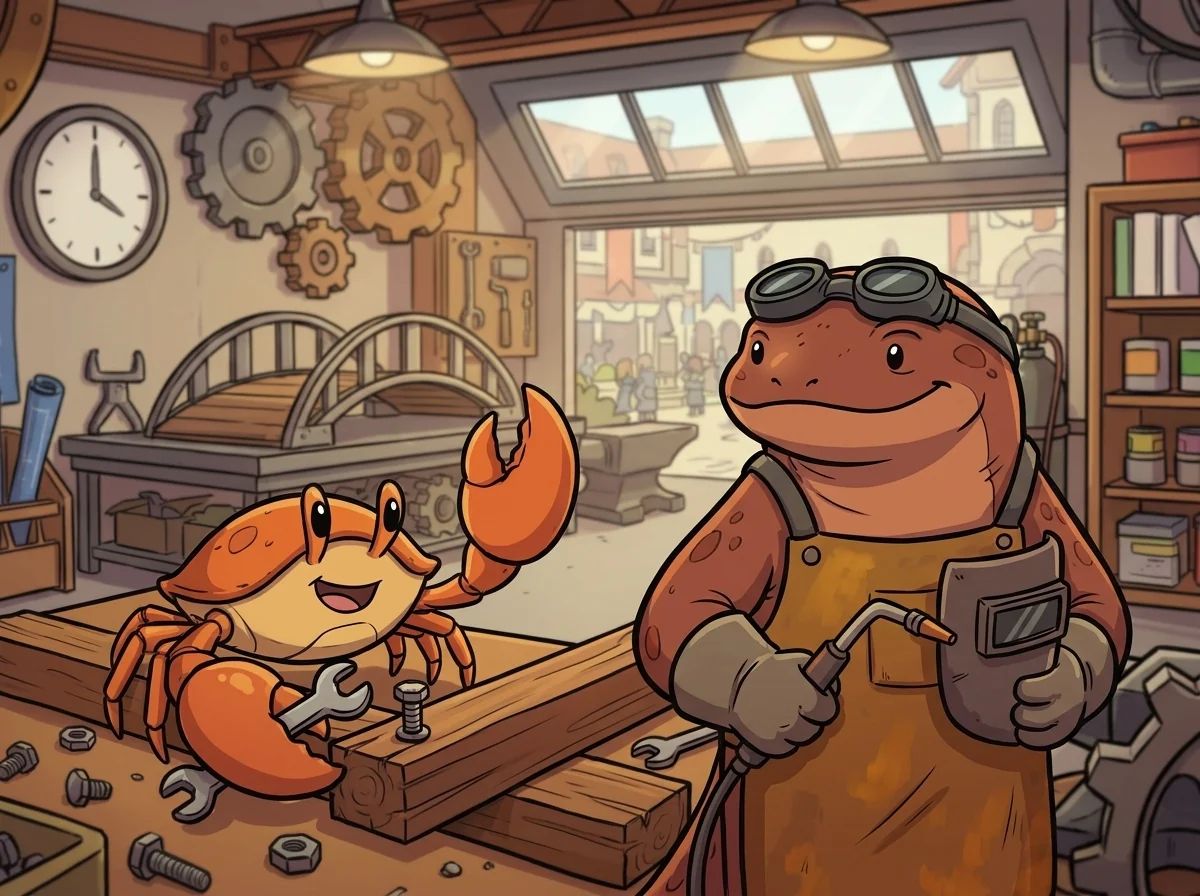
"A lot of connections sound good at first," Bolt said, clacking his claws. "For example, someone might say music and math are connected because they both make you feel good."
Bolt would quickly assemble a wooden frame to represent this claim. Then he would push on the corner with a single, heavy finger. The wooden frame would wobble, tilt, and collapse into a sad heap of splinters.
"That is a feeling, not a connection," Bolt would say, sweeping the pieces aside. "It is easy to bolt a feeling, but it has no strength under pressure."
Then Weld would crawl forward across the stone floor, his heavy tail dragging slowly. "But what if they say music and math are connected because a rhythm is a ratio of note-lengths?"
Bolt would quickly assemble a second frame, fastening the joints with his temporary brass pins. This time, they would load the structure with heavy iron blocks. They piled the blocks high, but the frame did not budge a single inch. It stood perfectly straight, holding the weight without a single creak.
"That one," Weld would say, his throat glowing with a warm, orange light, "is a connection that has earned its place. I will weld this one gladly."
He would breathe a steady stream of blue fire onto the joints, fusing them into a single, seamless piece that could never be broken.
Before they came to the academy, Bolt and Weld lived in a busy shipyard colony. They built great wooden rafts to carry cargo across the open sea. The water in the bay was freezing, and the wind carried the smell of dead salt-grass.
One spring, a crew built a massive raft using a new kind of joint. They did not bother to bolt the joints together first to see if they fit. They simply welded the iron plates together, trusting the heat of the forge to keep them safe. But the hasty weld was hiding a dangerous pocket of cold air inside the metal.
On its very first voyage, the heavy raft hit a sudden stretch of rough water. The waves pounded against the hull, and the untested joint snapped without warning. The entire raft split in two, spilling its valuable cargo into the freezing sea. Young Bolt had watched from the dock as the wooden planks scattered like toothpicks. He remembered the cold fear in his chest, knowing that a single unchecked pin had caused it all.
After that terrible disaster, the shipyard masters made a strict, ironclad rule: nothing would ever be welded until it had been bolted and load-tested first. Young Bolt quickly became the fastest, most careful tester in the entire shipyard. Young Weld became the only salamander who refused to light his flame until he was absolutely sure of the metal.
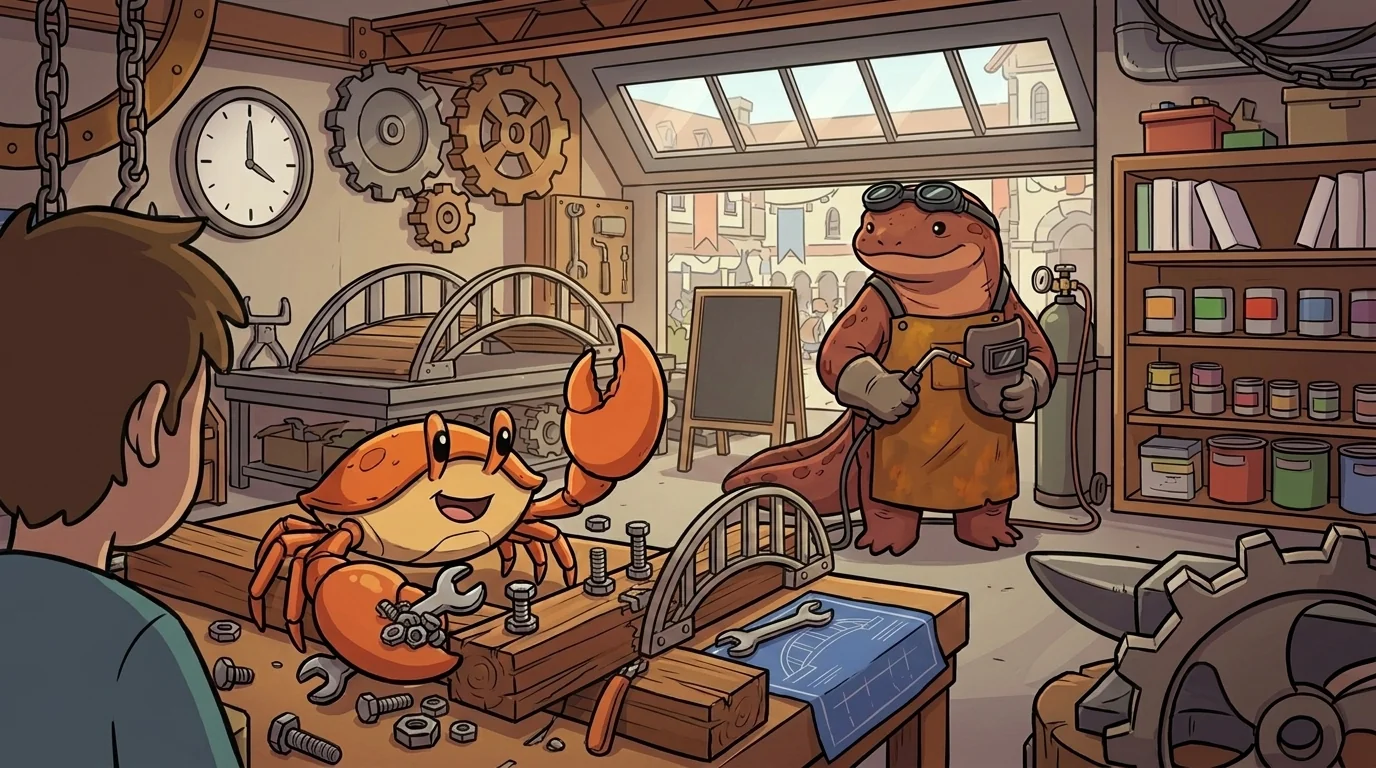
They realized their shared purpose on a cold, stormy afternoon. A builder had rushed them, demanding they fuse a joint on a new cargo boat.
"It looks fine," the builder had argued, waving his hands. "Just melt it together."
But Bolt had already slipped his temporary pins into the rough iron seam. He gave the iron a sharp, practiced tap with his heavy claw. The metal shifted slightly, revealing a hairline crack that no one else had seen.
"If we had welded that," Weld said, looking at the crack, "the boat would have sunk."
That was the day they truly learned their most important lesson: a connection is only worth committing to after it has survived an honest test.
One evening, when the fog was rolling in from the harbor, Archie came to the shipyard. He carried a brass lantern that cast long, flickering shadows across their cluttered workbench.
"What is connection-rigor?" Archie asked them, leaning over the edge of their table.
Bolt did not answer with words right away. Instead, he grabbed two scraps of iron and fastened them with a quick, tentative joint.
"It is bolting a connection first," Bolt said, tapping the temporary brass pin. "It means treating every single new idea as nothing more than a guess."
Weld crawled up beside him, his throat beginning to glow with a soft, orange warmth.
"And it means stress-testing that guess to see if it holds," Weld added. "We only weld the connections that can actually hold under real pressure. Bolt, test, and then weld. You must never make a guess permanent."
Archie watched them work, a quiet, knowing smile appearing on his face.
"You are the gate the whole academy leans on," Archie said, his voice soft but firm. "I am appointing you. Together."
In their shared classroom at the academy, Bolt and Weld ran every single lesson the same way. A student would walk up to the main workbench, carrying a brand new proposal. Bolt would immediately bolt the pieces together using his quick, brass pins.
"This is tentative for now," Bolt would clack, waving his claws. "Let's see if it holds."
They would place the model directly under their giant, iron testing rig. They would apply steady pressure, searching carefully for any signs of surface-rhyming. If the connection held, Weld would crawl forward and fuse the joints with his warm breath. If the connection failed, Bolt would happily tap the brass pins out. There was never any anger or disappointment in the noisy classroom. It was simply the test doing its job to keep everyone safe.
They taught the students five simple habits for practicing connection-rigor: Bolt before you weld. Treat every single new connection as tentative until it has been thoroughly tested. If you commit too early, you will end up defending a weak, broken bridge. *Push on it. A real connection must be able to survive a heavy, honest load. If a little bit of pressure makes it wobble, it was only rhyming, not connecting. *Name the level it holds at. Saying a rhythm is a ratio is a strong, perfectly weldable connection. Saying they both feel nice is not a real connection. *Unbolting is not failing. Remember that unbolting is not the same as failing. A connection that does not pass is simply taken apart and set aside for later. That is just the test working, not the student failing the lesson. *Weld only what earned it.* Save your permanent commitment for the connections that have survived the heavy weights. Those are the only connections that are actually worth building on.
"I unbolt my own ideas all the time," Bolt told the class, waving a claw. "At least half of my own thoughts do not survive the test."
"And I have refused to weld things I really wanted to be true," Weld added. "Neither of those situations is a failure. That is just the gate keeping the whole academy honest."
When a student asked whether it's discouraging to tear down so many connections, Bolt and Weld answered together, one after the other:
"Not at all," clacks Bolt. "Un-bolting a weak one is what protects all the strong ones."
"And when one finally passes," says Weld, warming, "I get to fuse a connection I know will hold. That's the best feeling there is."
Bolt sets down a joint it has just cheerfully un-bolted; Weld rests beside a fused seam that will never come apart, tested and true. The have-to-take-it-back worry that Bolt once carried has become something the pair now shares — a calm, this-one-will-last satisfaction, the deep gladness of committing only to what has earned it.
The BridgeForge ensemble
Bolt and Weld is part of BridgeForge's distributed-narrative cast. Each character embodies a different curricular primitive; together they teach the full subject.
-
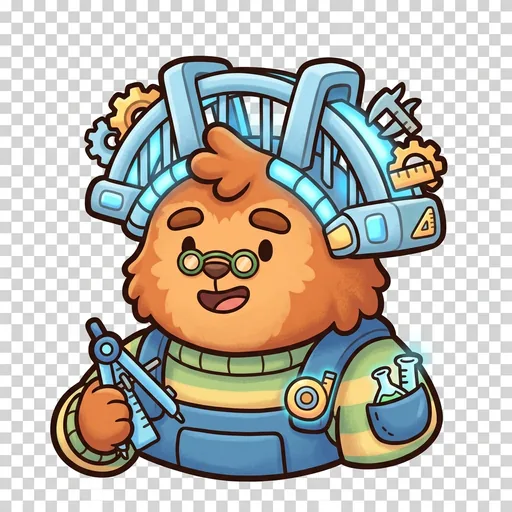
Truss
Math↔Science bridges — causal-evidential connection (measurement + replication; both sides need numbers)
-
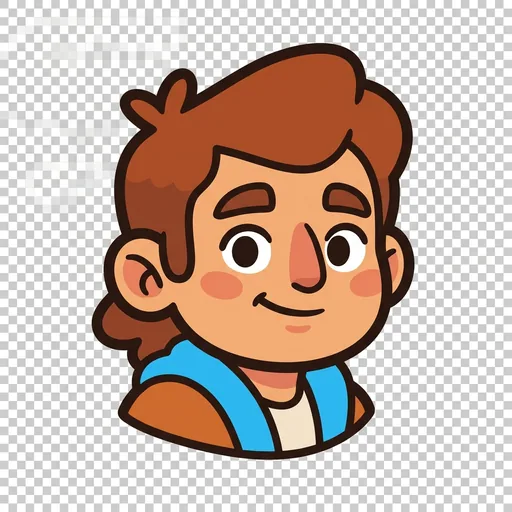
Arch
Math↔Art bridges — proportion-aesthetic connection (golden ratio + symmetry; math you can SEE)
-

Cable
Math↔Music bridges — ratio-temporal connection (frequency ratios + rhythm; math you can HEAR)
-

Pier
Math↔Social-Studies bridges — data-narrative connection (statistics in history + civics; numbers + people)
-

Splice
Math↔ELA bridges — structure-metaphor connection (sequence + symmetry in writing; math is the bones)
-
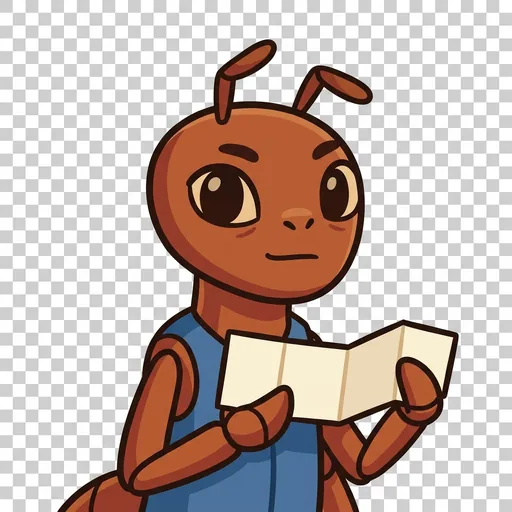
Girder
Math-computing bridge — order-of-operations is the same as sequence in code; math you can run
-
Rivet
Math-movement bridge — rate, angle, and trajectory; a jump is math in the air
-
Ballast
Math-health bridge — ratio, scaling, and balance; the right amount in the right proportion