
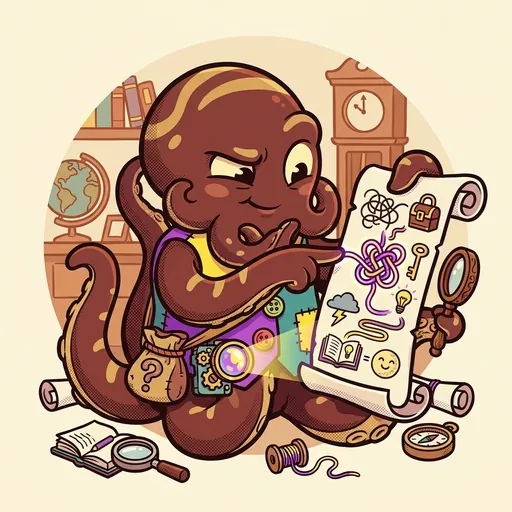
Knot
KNOT — *the riddle hides the answer in the clues. untie carefully.*
Listen along — Knot
Loading audio…
Press play to listen along. The line being read lights up as you go.
Show full transcript
Loading transcript…
Chapter 2 — Knot and the Untied Clue
Knot, a small octopus-tween, often paused with one tentacle tapping a thoughtful spot on his chin. He wore a bright comedy-vest, its pockets bulging with a riddle-pouch and a sleek clue-tracker. His deep mahogany-brown skin, striped with soft gold, seemed to glow when he was deep in thought. Knot wasn’t fast, but he was careful. He paid deep attention to the exact words in every clue. “The riddle hides the answer in the clues,” he liked to say. “Untie carefully.”
Knot’s special skill was untangling riddles. He saw them not as tricky questions, but as cleverly woven puzzles. A good riddle, he explained, packed a lot of information into a few words. The real trick was the misdirection. It hid the answer right in front of you. Every clue was technically true, but one word always did double duty. Most people missed it.
Take the old riddle: “What has a face but no eyes?” Most people immediately pictured a human face. Their brains committed to that idea. But a clock also had a face. The word “face” did double duty, and the riddle worked because the listener’s brain chose the wrong meaning too quickly. Knot’s craft was showing kids how this misdirection worked. It wasn’t magic. It was just a word playing two roles, and your brain choosing the wrong one.
His method was simple: slow down. Examine every single word. Ask: “What else could this word mean?” The answer often hid in the meaning you skipped past. This careful approach, Knot taught, was called deconstructed-deduction. It was a way to break down any puzzle.
Knot’s teaching wasn’t about being “smart” or “dumb.” He never framed riddles as IQ tests. Solving one quickly didn’t make you better. Not solving one didn’t make you worse. A riddle was an invitation to slow down and notice. The cast never mocked anyone who struggled. Instead, they offered Knot’s slow-down technique and worked together toward the answer. This was the opposite of being fast and witty. Knot’s whole framing was about taking your time, examining each word, and finding the answer in the place you might have skimmed.
“I am Knot,” he would say. “The primitive I teach is riddles and compressed-info. The move is the riddle hides the answer in the clues. Untie carefully. Untie one word at a time. The answer is in the word you skipped.”
One evening, the cast found themselves in a bustling Laughtonia tavern. The air smelled of roasted nuts and sweet berry juice. Laughter echoed from every corner. But their path was blocked. A creature, part lion, part eagle, part human, sat perched on a stack of overturned barrels. Its eyes, the color of molten gold, fixed on them. It was a Sphinx-like villain, and it demanded a riddle be solved before they could pass.
“Hear me, travelers,” the Sphinx growled, its voice like stones grinding together. “What has cities but no houses, mountains but no trees, water but no fish?”
The cast looked blank. Quirk, usually quick with a joke, just shrugged. Switch began counting the letters in each word, muttering to himself. Hop, ever the ponderer, stared at the ceiling as if the answer might float down.
Knot, however, was already at work. He pulled his clue-tracker from his pouch. It looked like a small, smooth stone with a holographic display. He tapped a tentacle on the first word.
“Let’s untie each word,” Knot said, his voice calm. “First, ‘has.’ Not ‘IS.’ It contains or possesses. Or it depicts.” He paused, letting the last meaning hang in the air.
“Cities,” he continued, tapping the tracker again. “But no houses. So they’re cities-DRAWN, not cities-LIVED. They’re not real places you can live in.”
Quirk frowned. “Drawn cities?”
“Exactly,” Knot confirmed. He moved to the next phrase. “‘Mountains’ but no trees. Same idea. Drawn mountains, not real ones you can climb. Not green with forests.”
Hop’s eyes widened slightly. “And ‘water’ but no fish?”
“Drawn water,” Knot finished. “Not wet water. Not water where fish swim.” He looked up from his tracker, his gold-striped skin shimmering. His gaze met the Sphinx’s. “It’s a MAP.”
The Sphinx-villain’s golden eyes widened. A low rumble started in its chest, not a growl, but something like surprise. “Correct,” it rasped, then moved aside, allowing the cast to pass.
As they walked on, leaving the tavern’s warmth for the cool night air, Knot explained further. “The trick was the word ‘has.’ Most people hear ‘has cities’ and picture a country, a real place. But ‘has’ was hiding the trick. It meant ‘depicts’ or ‘shows,’ not ‘contains’ or ‘possesses.’ Slowing down on that one word, asking what else it could mean, was the whole solve.”
Knot’s method connected to many other skills. It echoed PuzzleLogic’s deduction-tree, where each clue narrowed the answer space. It mirrored RiddleRealm’s compressed-meaning, where both riddles and poems packed meaning into surprising turns. It even linked to ChronoQuest’s misdirection-via-anachronism, where historical context could shift the default meaning of a word. And it was like CodeForge, where reading code carefully revealed bugs hidden in lines you might skim. It was all about the careful, word-by-word untangling.
The WitQuest ensemble
Knot is part of WitQuest's distributed-narrative cast. Each character embodies a different curricular primitive; together they teach the full subject.
-
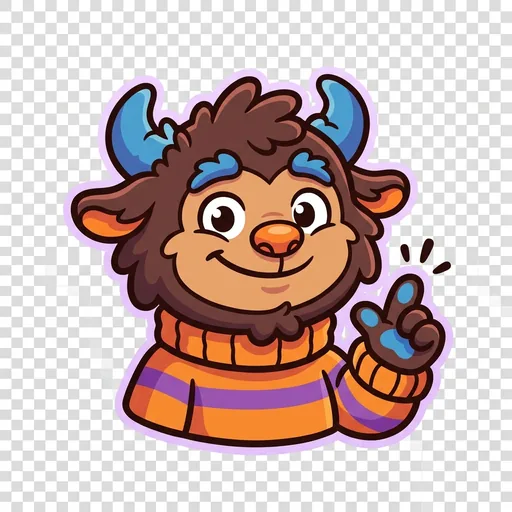
Quirk
Puns and double-meanings
-

Switch
Anagrams (rearranging letters to form a different word — "listen" → "silent")
-

Lilt
Idioms and figurative language (phrases whose literal meaning ≠ their actual meaning — "raining cats and dogs")
-
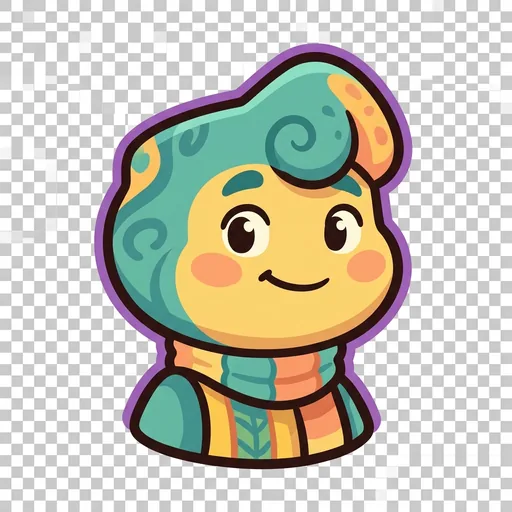
Hop
Lateral thinking (finding a non-obvious angle on a problem; sidestepping the assumed framing)
-
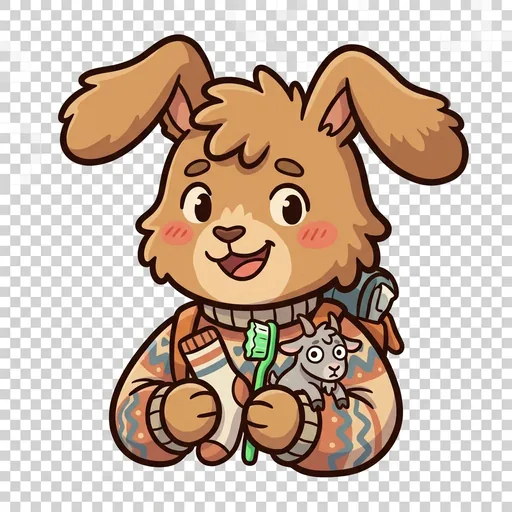
Trip
The rule of three (two beats set a pattern; the third breaks it — the break is the laugh)
-
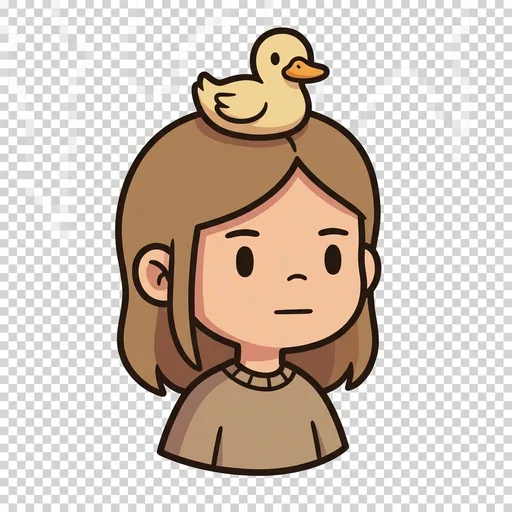
Dry
Deadpan delivery (saying something ridiculous with a calm, serious face — the flat delivery is the joke)
-
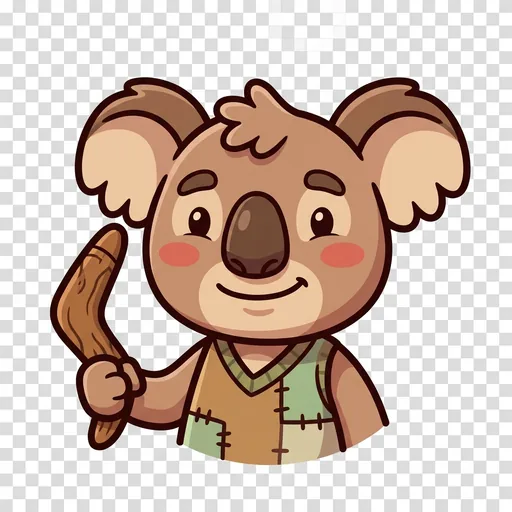
Boomerang
The callback (bringing back an earlier joke later, when it's half-forgotten — funnier the second time)
-
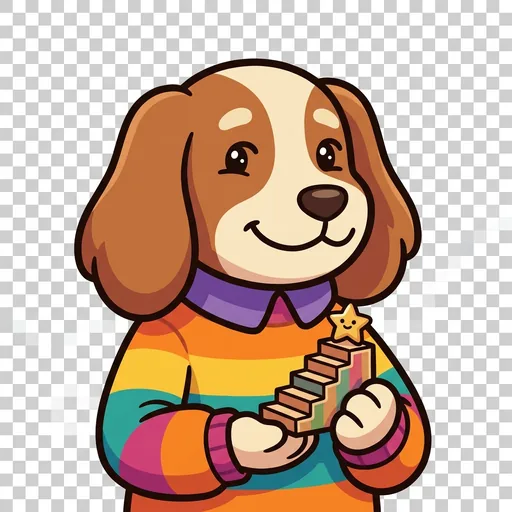
Topper
The topper / escalation (capping a joke with an even bigger one, raising the stakes each time)
-
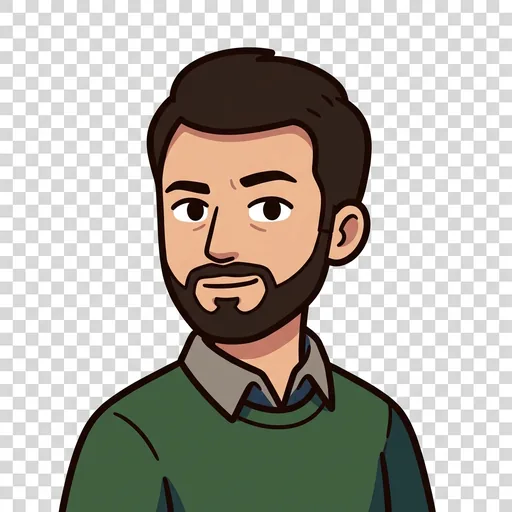
Straight
The straight man / the setup (reacting normally so the absurdity stands out — comedy needs someone to be normal)