
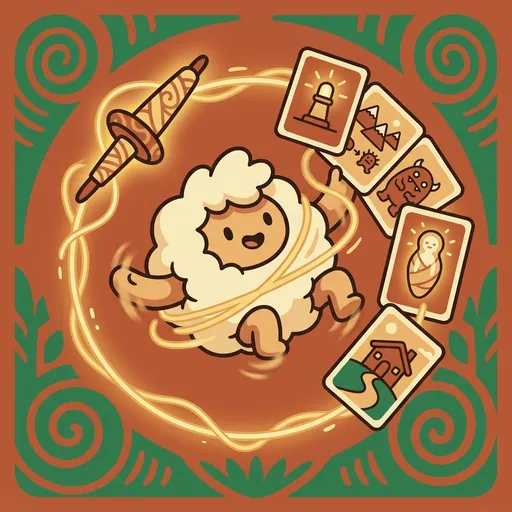
Thread
THREAD — *the spinning thread of destiny. journey + fate pattern recurs.*
Listen along — Thread
Loading audio…
Press play to listen along. The line being read lights up as you go.
Show full transcript
Loading transcript…
Chapter 3 — Thread and the Pattern That Pulls a Story Forward
The air in Thread’s workshop always smelled faintly of clean wool and something warm, like toasted sugar. Sunlight streamed through a high window, illuminating dust motes dancing around a wooden spinning wheel. Thread sat cross-legged on a woven mat, fingers deftly working a spindle. A fine, shimmering strand, the color of warm cream with soft gold highlights, spun out from a cloud of fluff held in their other hand. This was Thread, and their work was making stories visible.
Thread wasn’t a specific fate-spinner from any single tradition. Instead, they embodied the recurring pattern of the hero’s journey and the figures who shape destiny across many cultures. They were small and always seemed to be in motion, a quiet hum surrounding them like the wheel itself. Their eyes, the color of polished amber, watched the spinning thread with intense focus.
A young student named Alex sat opposite Thread, slumped against a stack of colorful cushions. Alex clutched a crumpled notebook. “My story,” Alex began, voice muffled, “it just… wanders. My character, Elara, she’s supposed to find a lost jewel, but she keeps stopping for snacks. Or to argue with squirrels.”
Thread chuckled, a soft, melodic sound. “An aimless meander,” they said, their voice gentle. “It’s a common anti-pattern. Most novices think a story is just ‘what happens next.’ But stories have a shape, a path. They have an arc.”
Thread reached for a set of smooth, palm-sized cards laid out beside them. Each card showed a simple, stylized image. “Watch,” Thread said, picking up the first card. It depicted a small figure standing at the edge of a vast, unknown landscape. “This is the Call. Elara hears about the lost jewel. That’s her call to adventure.”
Thread placed the card down and picked up another: a figure crossing a jagged line. “Then comes the Threshold. She leaves her village, crosses into the wild lands. No more arguing with squirrels, at least not for long.”
Alex straightened a little, intrigued. “So, she just follows the cards?”
“Not exactly a rigid formula,” Thread replied, their fingers still working the spindle, adding to the growing coil of thread. “An arc is a shape, not a recipe. You can vary and adapt it. But knowing the shape helps you guide your character.” Thread gestured to the spindle. “Think of it this way: when you tell a story, you’re spinning a thread. You’re shaping destiny, in a way.”
Thread picked up more cards: a figure battling a shadowy beast (Trials), another standing before a towering, dark mountain (Ordeal), then a figure bathed in light (Transformation), and finally, the figure returning home, but subtly changed (Return). “Call, trials, ordeal, transformation, return,” Thread recited softly. “This arc recurs across many traditions. It’s the hero-journey pattern.”
Alex frowned. “But is it fate? Can Elara choose to just… not go?”
“Ah, the tension between destined arc and character’s choices,” Thread said, a knowing look in their eyes. “Many fate-spinner traditions explore this. The threads are spun, yes, but often, the hero still decides where to step, how to face the challenge. That’s where the story gets interesting.”
Thread paused their spinning, the golden thread momentarily still. “Many cultures personify the shaping of stories, or even the threads of life itself. The Moirai, for instance, are the three Fates who spin in Greek mythology. The Norns weave at the base of the world-tree in Norse tales. Anansi, the spider, spins stories themselves in West African and diaspora traditions. And Spider Grandmother guides in many Indigenous American traditions.”
Thread looked directly at Alex. “Each of these specific spinners belongs to their specific tradition. We honor their protocols. You would never appropriate Anansi for your own story, for example. Anansi belongs to West African and diaspora traditions. But the abstract pattern – the idea of a narrative arc, and the metaphor of spinning as shaping – that’s what you can study and use in your own writing.”
Alex nodded slowly. “So, I’m not borrowing someone else’s god. I’m just… using the idea of a path?”
“Precisely,” Thread affirmed. “You are the spinner of your own tale. You make the narrative arc visible as a craft, not just as ‘stuff happens.’ Knowing where you are in the arc shapes your pacing, your choices, and how the emotional landing feels for the reader.”
Thread picked up the spindle again, the thread resuming its gentle hum. “My family has always been long-spinners,” they mused, a faraway look in their eyes. “We learned that ‘the thread shows where the story has been and where it goes. Spin with care; spin with intention.’ I carried that lesson with me when I walked to LoreQuest at twelve.”
Thread smiled faintly. “Plot, my mentor, asked me, ‘What is arc?’ I told her, ‘The spinning thread of destiny. Journey and fate pattern recurs. Arc-craft.’ She said, ‘You are appointed.’ And so, here I am.”
Thread held out the spindle, the spun thread shimmering. “Don’t let your story meander aimlessly. But also, don’t reduce it to a rigid formula. Know the arc. Spin with intention. Let your characters struggle with fate and choice. That’s where the magic happens.”
Alex looked down at their crumpled notebook, then back at the journey-arc cards. A new idea sparked in their eyes. “So, Elara’s argument with the squirrels… maybe it’s a small trial, a test of her patience before the real journey begins?”
Thread nodded, a warm smile spreading across their face. “Exactly. The spinning thread of destiny. Journey and fate pattern recurs. Now, let’s spin Elara’s thread with intention.”
The LoreQuest ensemble
Thread is part of LoreQuest's distributed-narrative cast. Each character embodies a different curricular primitive; together they teach the full subject.
-
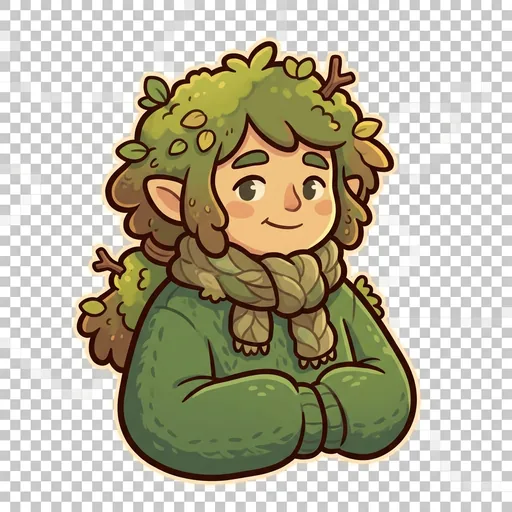
Mossy
Forest / nature-spirit archetype (the quiet local-landscape entity who appears across many traditions — wood-elves, dryads, kami of place, etc., abstractly)
-
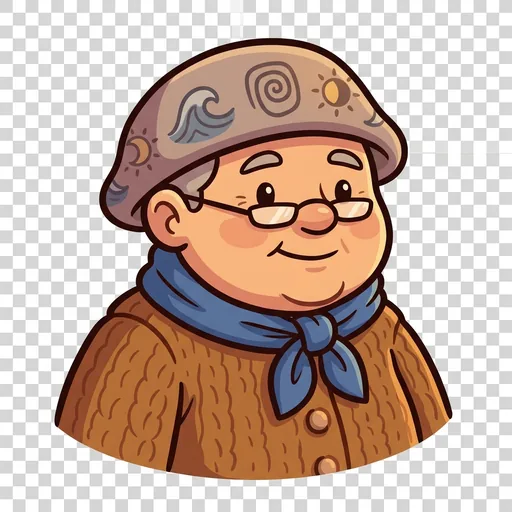
Refrain
Repeating-tale / echo motif archetype (motif recurrence — same story-pattern appearing across cultures: flood myth, hero descent to underworld, twin gods, etc.)
-
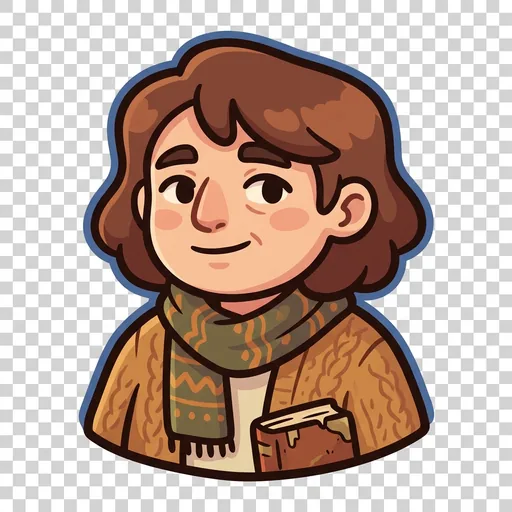
Ruse
Clever-fool / trickster archetype (the figure who breaks the rules and teaches a lesson by doing so — recurs across MANY traditions, but referenced **abstractly** here; the cast...
-
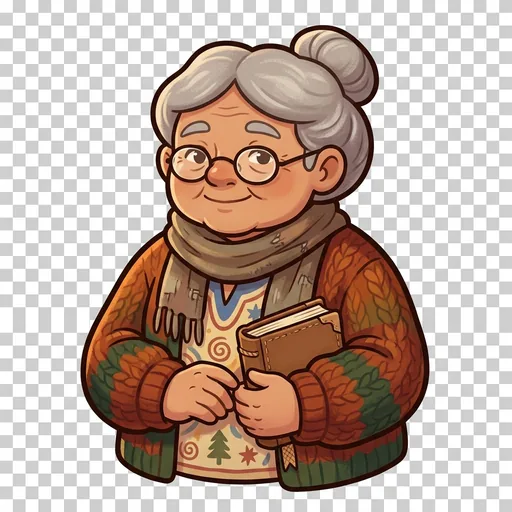
Hearth
Origin / family / hearth-storyteller archetype (the figure who carries oral tradition; the grandmother / elder who tells the stories — found in nearly every tradition's framing...