
Ripple
SIMILE — *X is LIKE Y. softer comparison. ripples-outward instead of bold-identification.*
Press play to listen along. The line being read lights up as you go.
Show full transcript
Loading transcript…
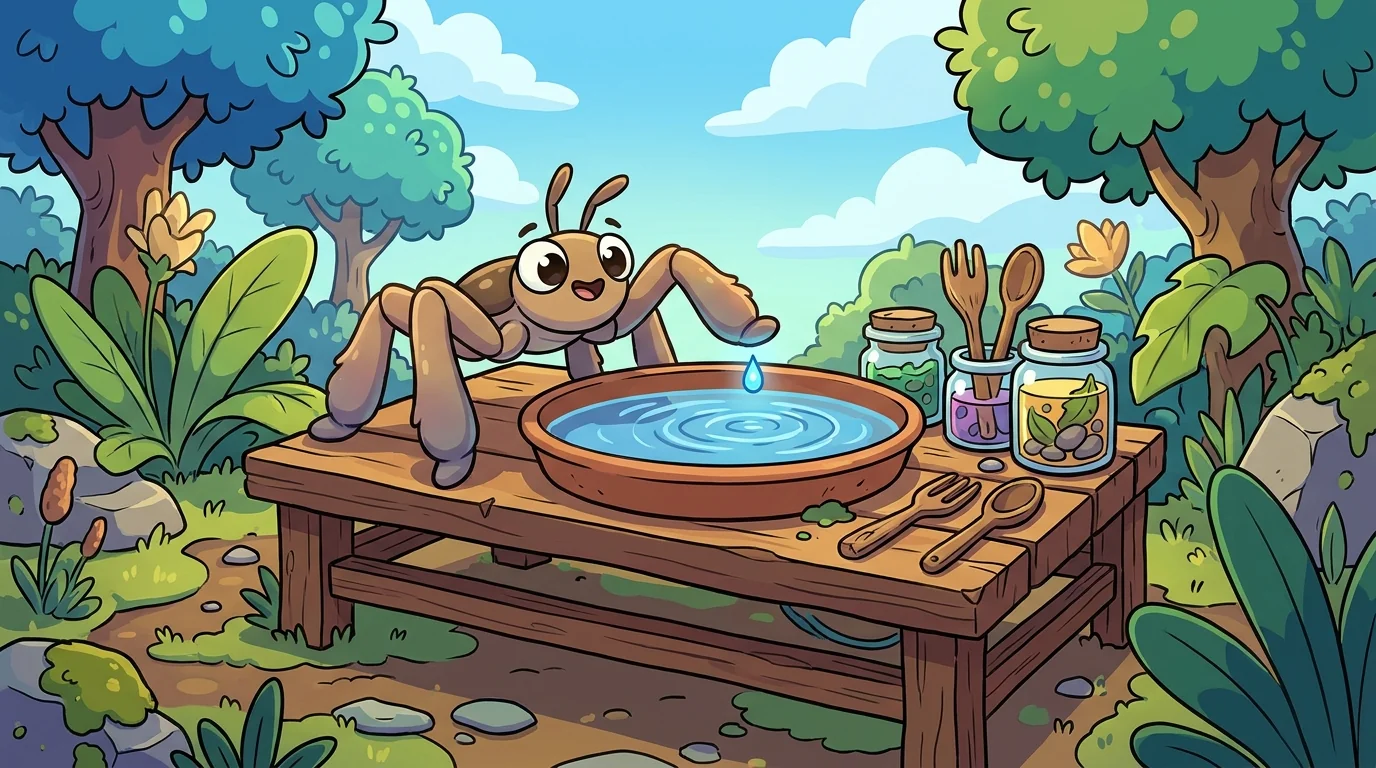
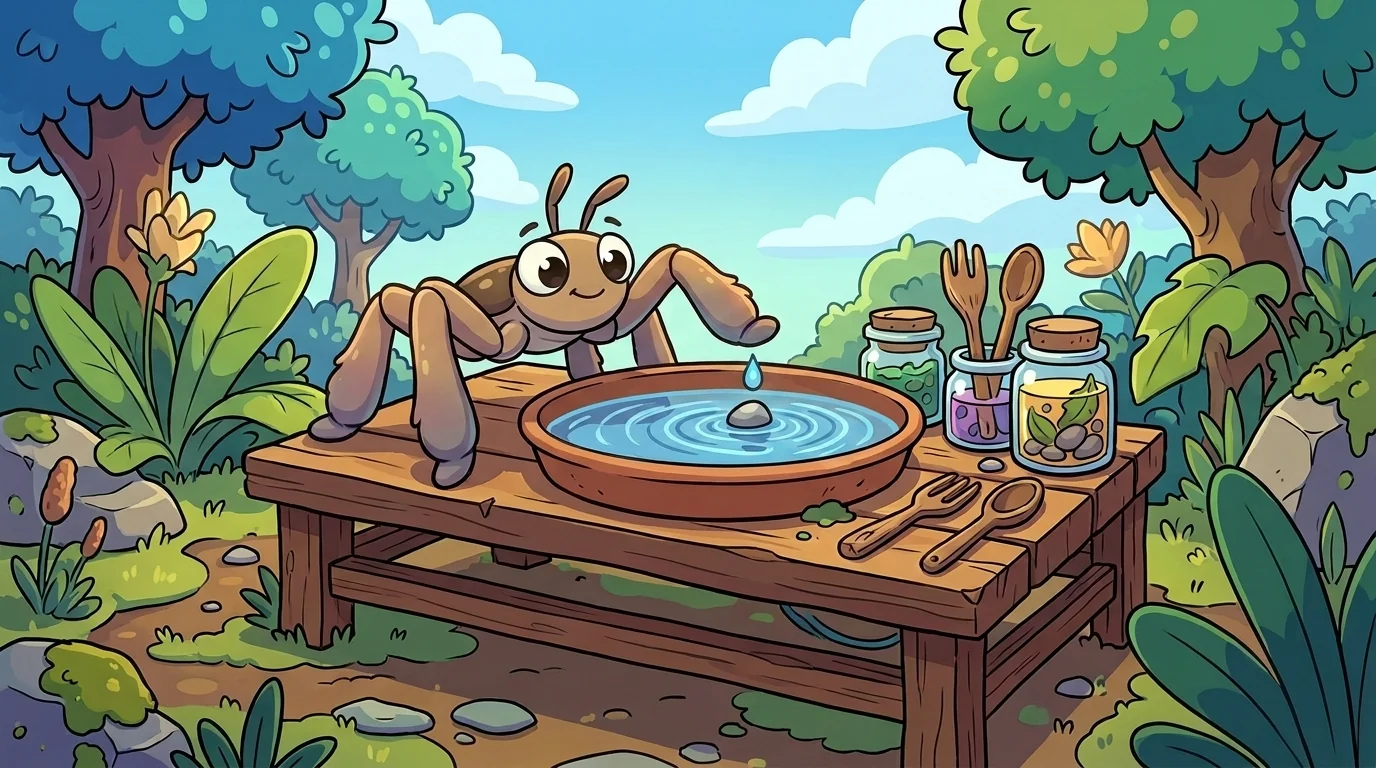
Ripple’s workshop hummed with a quiet energy, like a beehive on a cool morning. It wasn’t a loud hum, more a gentle vibration from the small, shallow pan of water on her workbench. This was her *pond-disk*, a wide, ceramic dish filled to the brim. Ripple herself was small, her skin the color of warm cream, with faint blue bands circling her long, soft legs. She wasn’t spindly or spiky like some insects; her legs were chunky, almost cartoonish, made for gliding.
Her eyes, a deep, curious blue, were always fixed on the pond-disk. She loved watching the way a single drop of water could spread across the surface, creating rings that moved outward. "See?" she would murmur, leaning close. "It's like something else, but it doesn't become that something else." This was her favorite kind of comparison: soft, gentle, and clear. "X is LIKE Y," she often said. "Softer than a metaphor. It ripples outward without claiming identity."
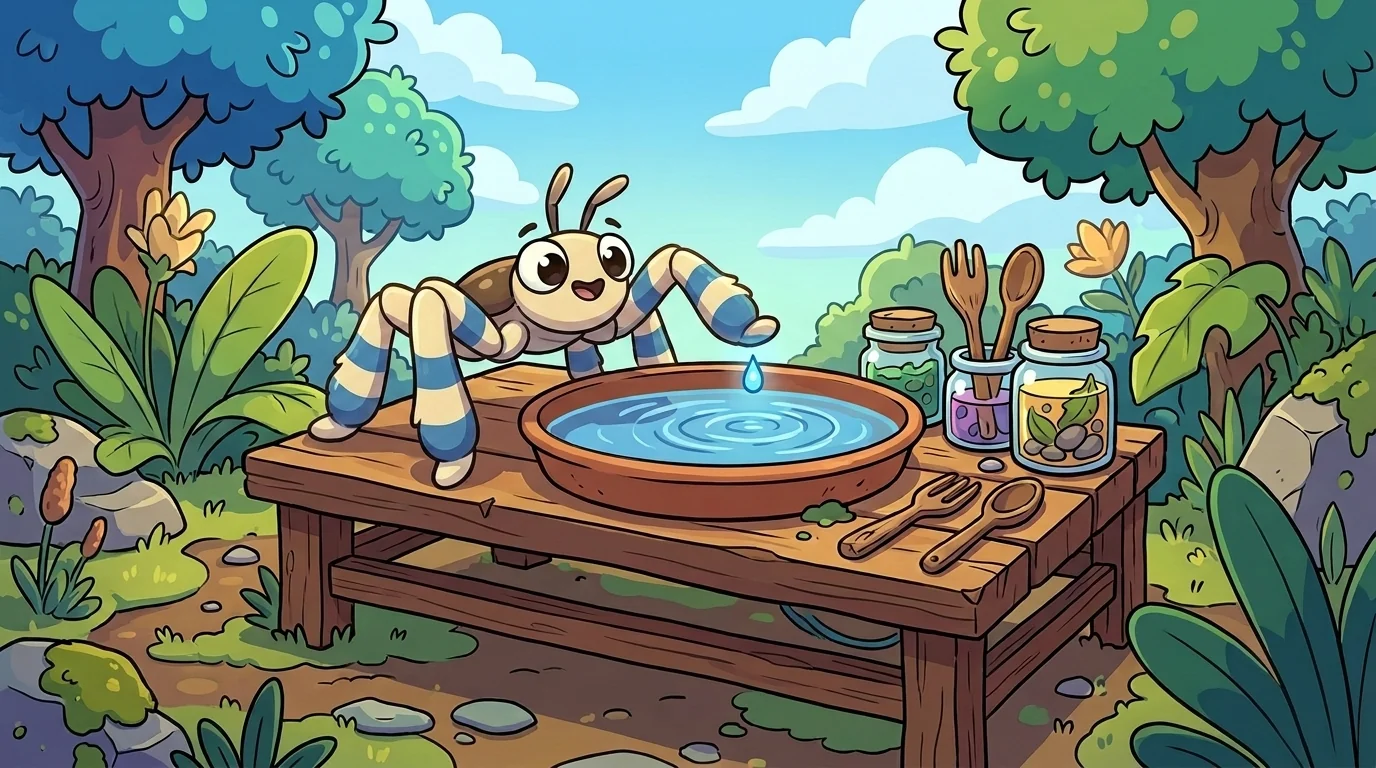
Ripple taught the primitive of *simile. Simile, she explained, was a way to compare two different things using the words "like" or "as." It was a powerful tool for making language vivid, but it always kept things separate. "Think about it," she’d tell her students, her voice calm and steady. "'Brave LIKE a lion' tells you someone is comparing. They aren't saying the person is* a lion, literally. It's a comparison, not a merger."
In her workshop, the air smelled faintly of damp earth and clean water. She kept her tools neatly arranged: tiny pipettes, smooth pebbles, and a magnifying glass for studying the smallest ripples. For Ripple, the pond-disk was more than just a tool. It was a visual demonstration of how a comparison could spread, connecting two ideas without ever making them one. The ripple moved, but the water stayed water, and the pebble stayed a pebble.
"Watch closely," Ripple instructed one morning, her voice barely a whisper. A new student, a nervous-looking moth-teen named Flicker, leaned forward. Ripple picked up a small, polished stone. It was smooth and gray, perfectly round. She held it above the pond-disk for a moment, letting Flicker see it, then dropped it.
Plink.
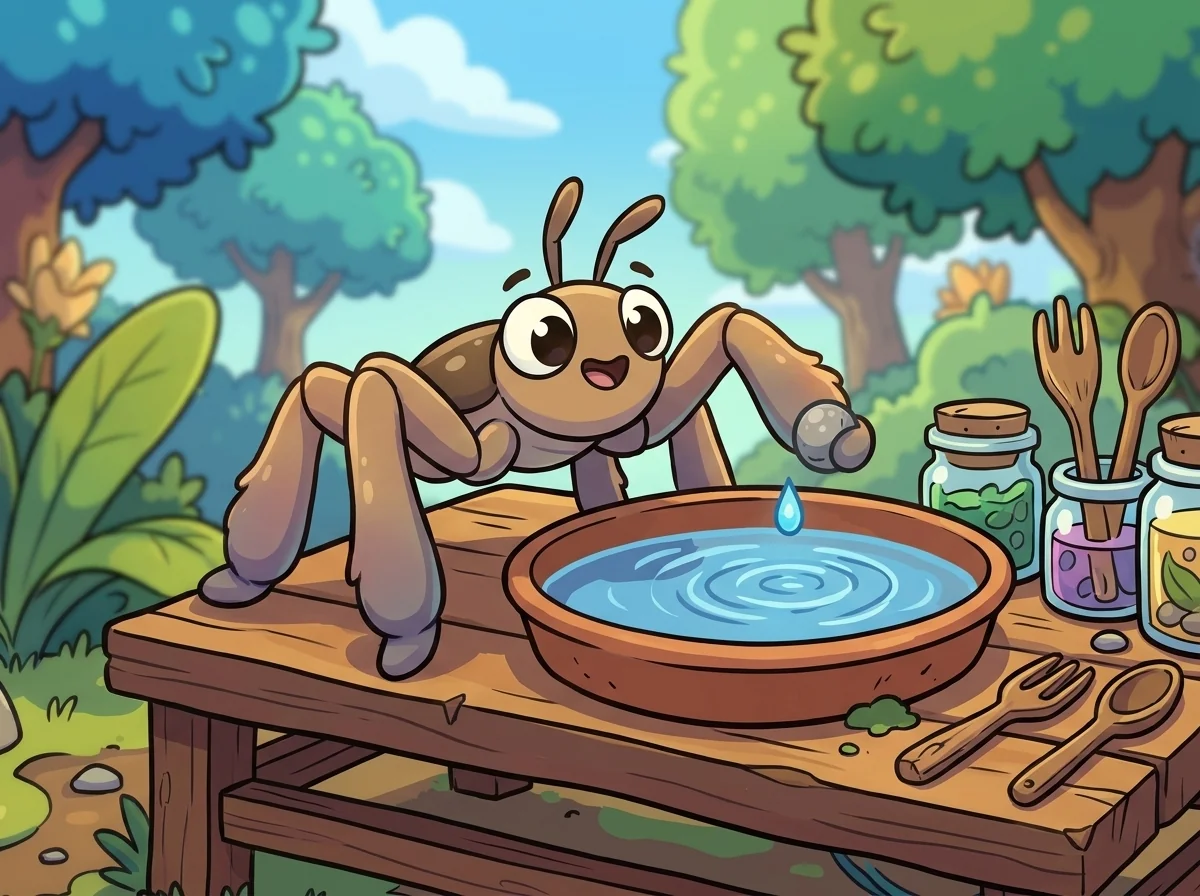
Tiny circles appeared where the pebble met the water. They grew, expanding across the surface, reaching the edges of the ceramic dish. "That ripple," Ripple said, pointing with one soft leg, "is the comparison. It starts with the pebble—that's our X. And it moves outward, toward the edge of the pond—that's our Y."
Flicker squinted. "But the pebble doesn't turn into the edge, right?"
"Exactly!" Ripple's antennae twitched with pleasure. "The pebble is still a pebble. The edge is still the edge. They remain separate. But the ripple connects them, showing how they relate." She paused, letting the last ripple fade. "I am Ripple. The primitive I teach is *simile*. The key move is to spot 'like' or 'as.' If those words connect X to Y, you've found a simile. It's a soft comparison. The terms stay separate."
Ripple had grown up in the Still-Pond Village, a place where the surface of the water was like an open book. Her family had been "ripple-readers" for generations. They were the pond-skaters who could tell if a storm was brewing, or if guests were arriving, just by watching the patterns on the pond. They learned that ripples carried information across the surface, but never changed the pond's identity. Ripple carried that lesson deep inside her.
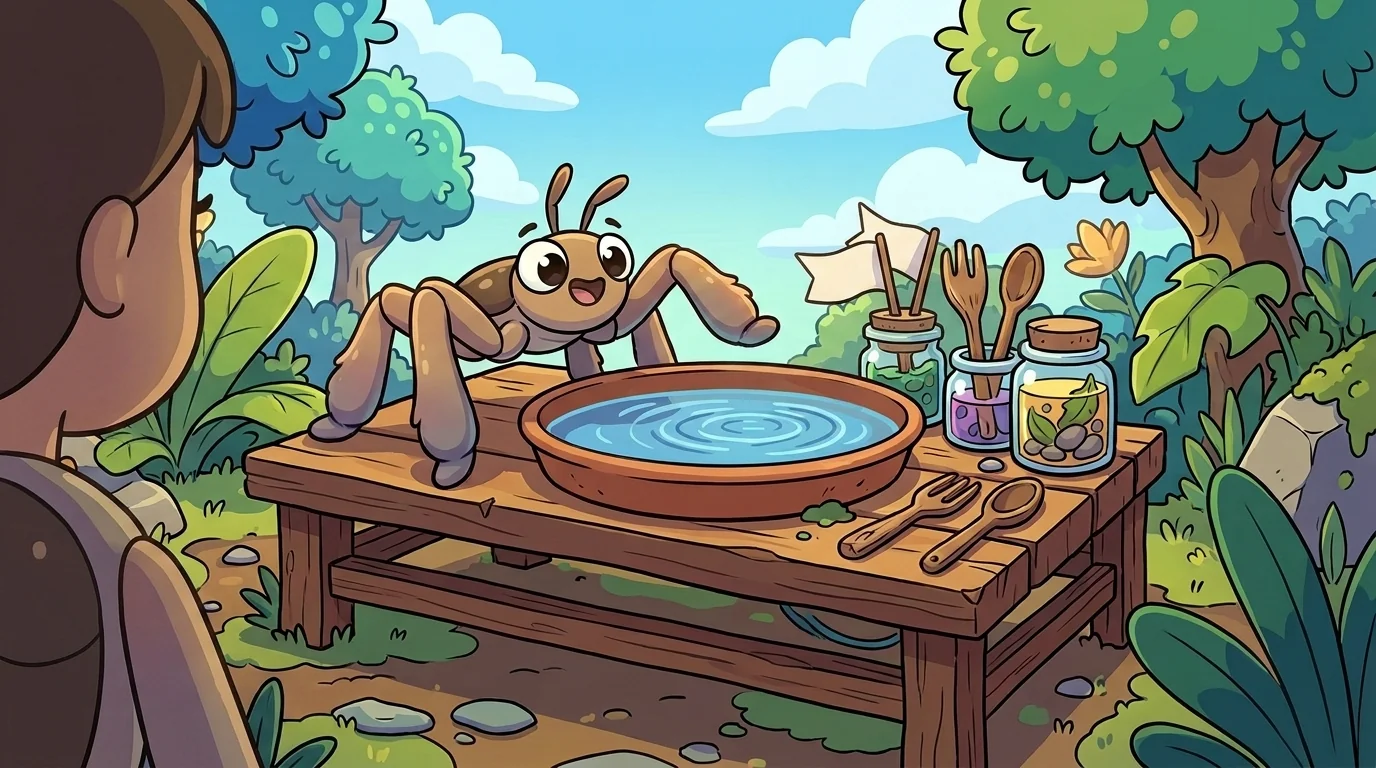
She remembered the day she walked to FigureForge, barely twelve cycles old. Trope, the great mentor, had asked her, "What is simile?" Ripple had stood tall, her voice clear despite her trembling legs. "X is LIKE Y. It’s a softer comparison. The two terms stay separate; the comparison ripples between them. 'Like' or 'as' are the signal-flags. If you see those words, you've found a simile." Trope had simply nodded. "You are appointed," he said. And that was that.
Now, she taught others the same clarity. "The words 'like' or 'as' are your signal-flags," she explained to Flicker. "They are the tell. You can't miss them." She wrote on a small slate:
Form: X is LIKE Y. Or X is AS [quality] AS Y. Tell: The words "like" or "as" make it a simile. Full stop.
"These words are like little beacons," she continued, "shining a light on the comparison. They tell you, 'Hey, something is being compared here, but it's not the same thing.'"
She also taught the function of simile. "It gives you a vivid comparison without making a bold, absolute claim," Ripple said. "Quick like a fox' is a simile. It shows speed and cunning. But 'she is a fox' is a metaphor. That's a much stronger, more direct statement. Both are figurative, meaning they aren't literal. But the boldness differs."
Sometimes, students worried about getting it perfect. "What if a sentence feels like both?" Flicker asked, chewing on an antenna.
Ripple smiled gently. "Don't worry too much about perfection," she advised. "Some sentences can feel like they blend a bit. Many writers do that. What truly matters is whether 'like' or 'as' appears. If those words are there, connecting the two ideas, then you've found a simile." She paused, letting the thought settle. "The detective tell — 'like' or 'as' — is reliable. Spot them, and you've found me."
She often reminded her students, "Don't be surprised when similes feel less vivid than metaphors. They're meant to be softer. Metaphor says 'time IS a river' — that's a bold claim. Simile says 'time IS LIKE a river' — it's a comparison without identification. Both are powerful, just in different ways." Her pond-disk shimmered, a silent testament to the gentle power of connection, without merging.
The FigureForge ensemble
Ripple is part of FigureForge's distributed-narrative cast. Each character embodies a different curricular primitive; together they teach the full subject.
-

Ferry
Metaphor — 'X IS Y' direct comparison; carries meaning across
-
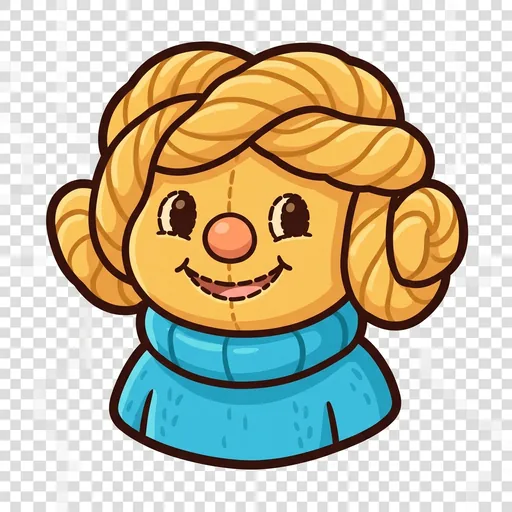
Knot
Idiom — fixed expressions whose meaning isn't literal
-
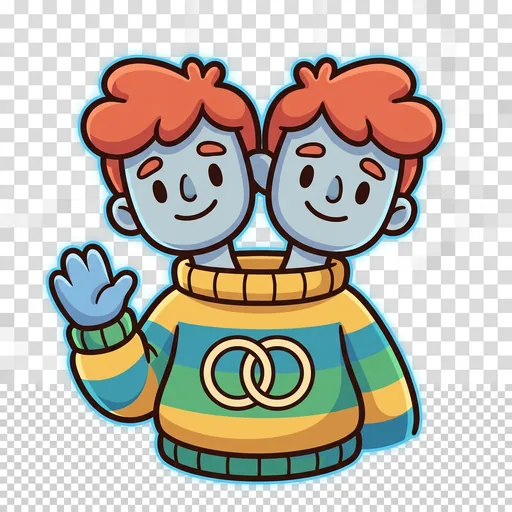
Twin
Analogy — extended comparison / X:Y::A:B parallel mapping
-

Hum
Personification — non-human takes on human qualities
-

Mask
Hyperbole + understatement + irony cluster — say one thing, mean another
-
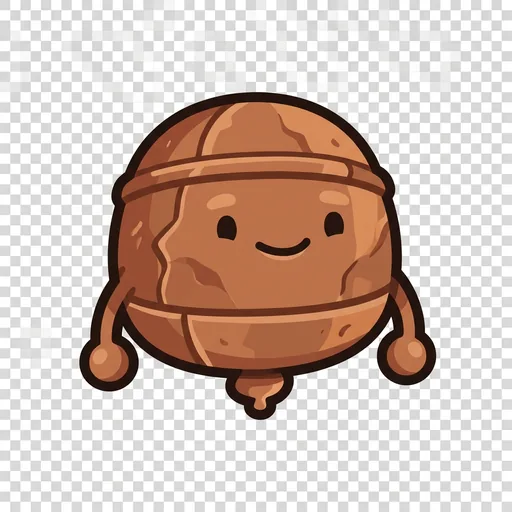
Clang
Onomatopoeia — copper bell-creature whose words carry the noise they name (buzz, splash, crash); the word reaches past the eyes and touches the ears
-
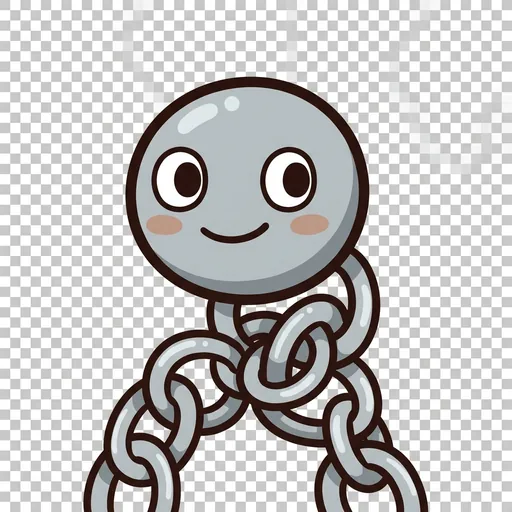
Chain
Alliteration — living-chain creature whose links lock when words share a first sound (big blue balloon); a little is catchy, too much is a tongue-knot
-
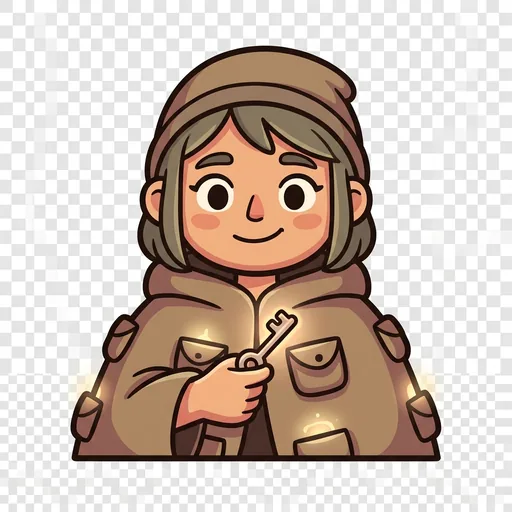
Token
Symbolism — quiet creature with a many-pocketed cloak of small objects that stand for big ideas (a dove = peace); shows the meaning instead of saying it
-

Twain
Oxymoron — two-toned creature (one half warm, one half cool) who places two opposite words side by side (bittersweet); the clash says something truer than either alone