
Throb
THROB — *the steady pulse. every other rhythm hangs from this clock.*
Press play to listen along. The line being read lights up as you go.
Show full transcript
Loading transcript…
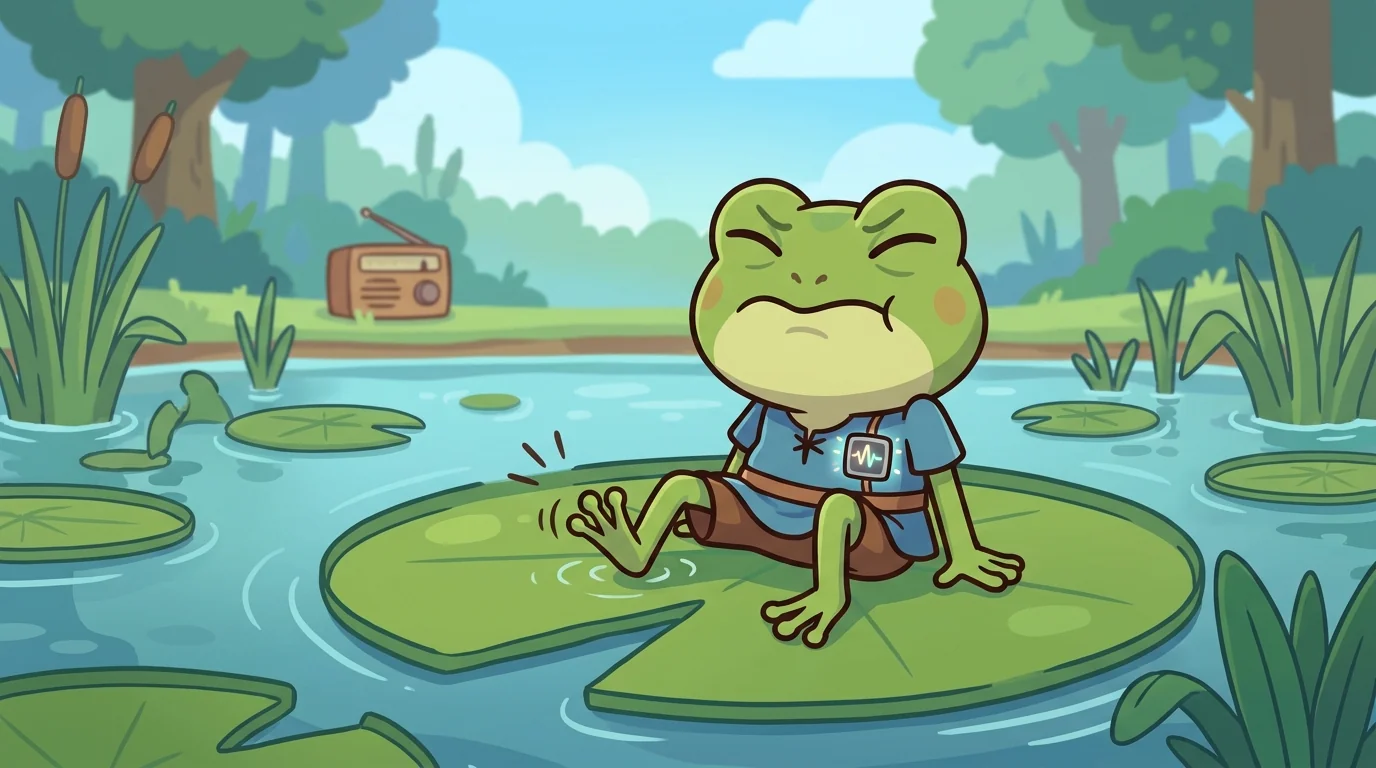
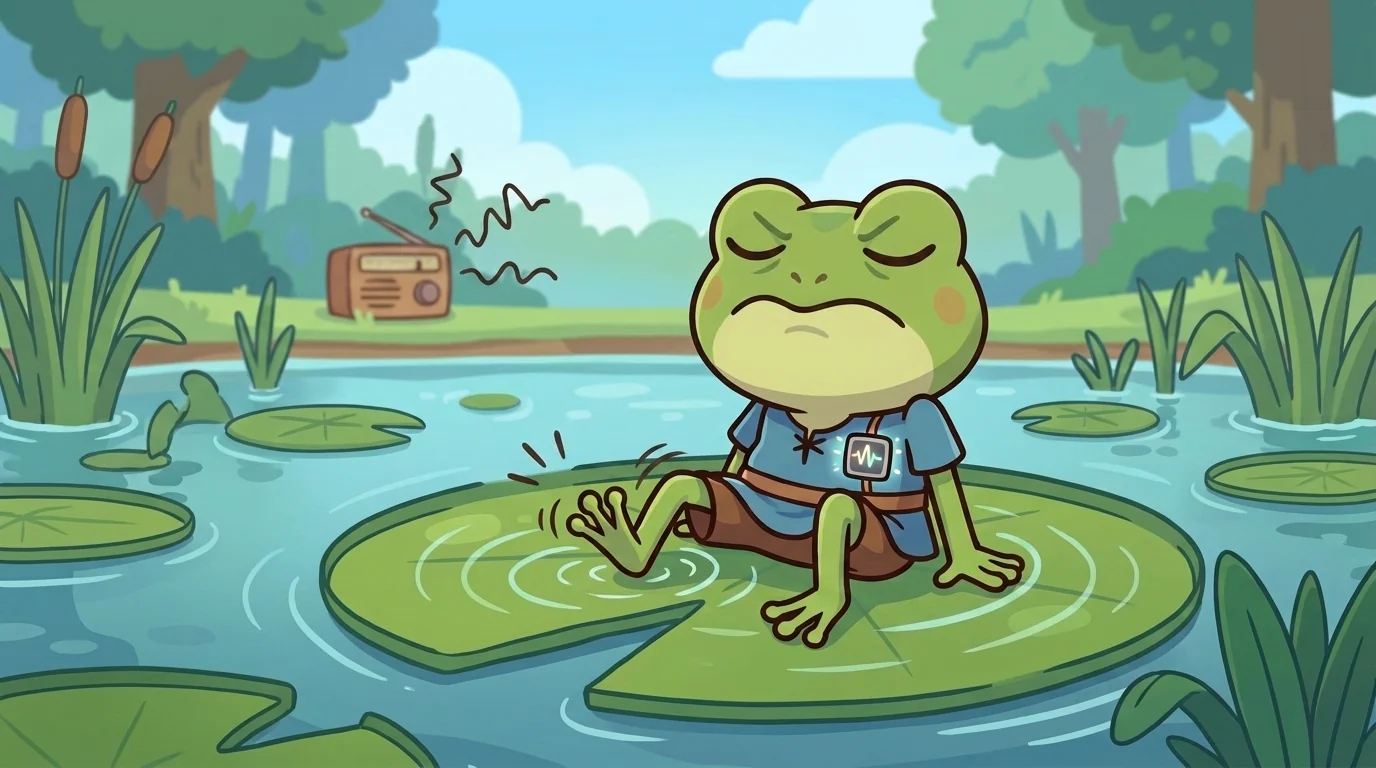
Throb, a creature no bigger than a teacup, hummed with an internal rhythm that seemed to vibrate his very skin. He was a frog-like being, small and round, with a complexion of warm cream that faded into soft pond-green at his extremities. His eyes, large and dark, held a quiet intensity, always focused, always listening. He wore a chunky studio tunic, the kind with oversized pockets and reinforced elbows, as if he expected to lean on things a lot. Attached to his belt, always within reach, was a small, polished metronome and a digital pulse-tracker. The tracker’s display flickered with a precise BPM, a constant reminder of the unseen clock ticking beneath everything.
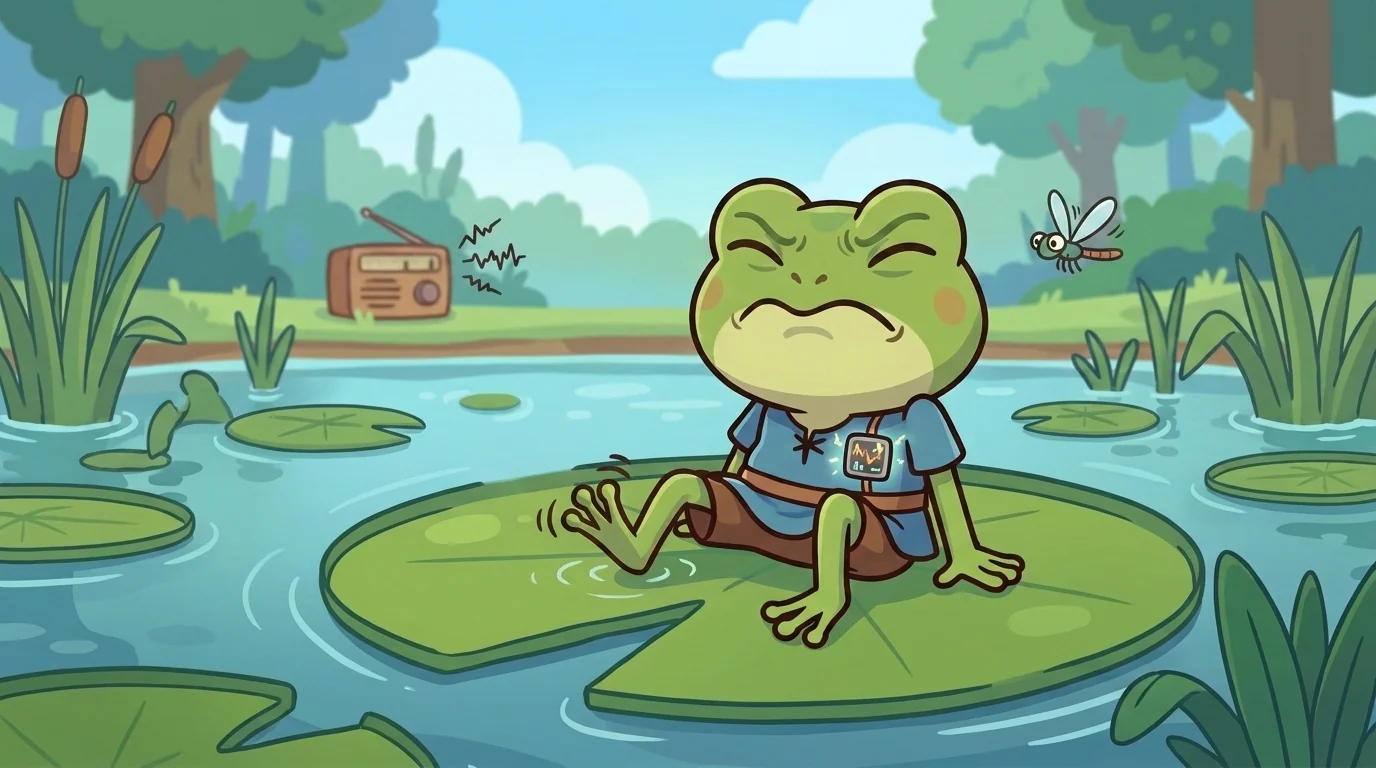
He moved with a peculiar steadiness, a gentle sway that never quite stopped, like a buoy bobbing on an endless, calm sea. Throb was, above all, reliable. You could set your internal clock by him. His attentiveness to tempo was legendary among the studio inhabitants. He often murmured, almost to himself, "The steady pulse. Every other rhythm hangs from this clock." It was his mantra, the fundamental truth he lived by.
In his small, soundproof studio, Throb tapped a finger against a smooth, polished stone. Click. Click. Click. Click. The sound was soft, almost imperceptible, but it resonated with an unwavering consistency. This, he thought, was the essence of *pulse. Not just a beat, but the invisible, unchanging foundation upon which all other musical rhythms were built. It was the rhythm craft of THE-CLOCK-UNDER-EVERYTHING*. Every song, every dance, every complex drum pattern, no matter how intricate, rested on this simple, regular click.
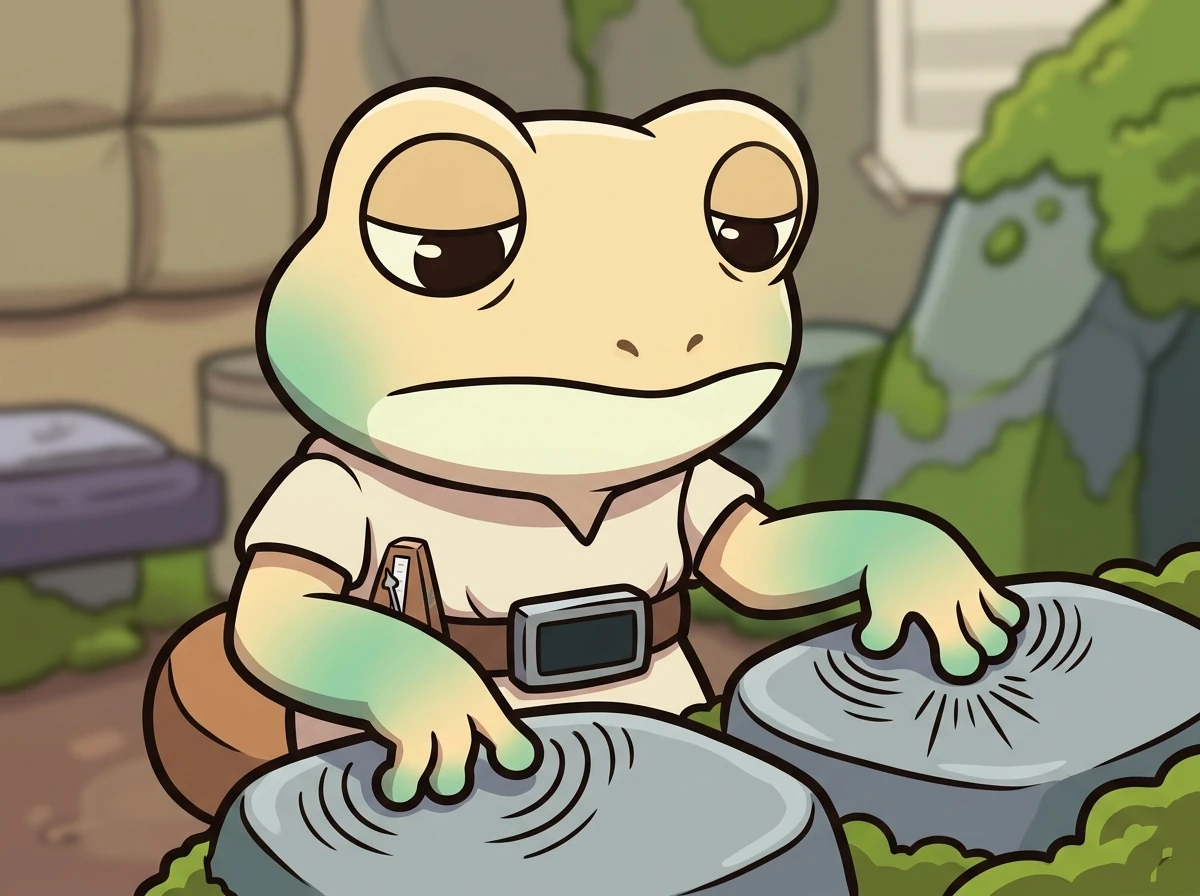
He adjusted the metronome on his belt, watching the BPM display shift from a brisk 120 to a more contemplative 60. "The tempo," he explained aloud, as if a student sat across from him, "is how fast or slow that steady pulse moves. It’s the heartbeat of the music." He closed his eyes, tapping the stone again, slower now. "You must internalize it. Feel it in your own body, a quiet count within you."
Throb imagined a student, perhaps a fidgety young creature, struggling to keep time. He would show them. He tapped the steady click-click-click-click. "This is our pulse," he’d say. Then, with his other hand, he’d tap twice as fast: click-clack-click-clack. "This," he’d explain, "is *subdivision*. It splits the pulse into smaller, faster pieces, like Snap teaches." He paused, letting the steady pulse reassert itself.
Next, he’d tap the pulse again, but every fourth beat, he’d strike the stone with a little more force. CLICK-click-click-click-CLICK-click-click-click. "That's *accent*," he’d demonstrate, "emphasizing certain parts of the pulse, just like Hammer shows us." He made it look effortless, the subtle shift in pressure conveying a world of meaning.
Then came the tricky part. He’d tap the steady pulse, but his other hand would tap between the main beats, creating a feeling of being slightly off-kilter, yet still connected. Click-and-click-and-click-and-click. "This is *syncopation," Throb would explain, a slight twinkle in his eye. "It plays against* the pulse, creating tension and surprise, which is Tilt’s specialty." He knew some students found this concept challenging, but it was vital. Without the steady pulse underneath, syncopation would just sound messy, not interesting.
Finally, he’d combine them all, a steady pulse, with subdivisions, accents, and syncopated rhythms dancing above it. The result was a rich, complex pattern that felt alive, compelling. "And when all these layers work together, creating that irresistible pull?" Throb would ask, his voice softening. "That, my friends, is *groove*. It emerges from the whole stack, the way Spin teaches us to feel the movement."
He paused, the studio falling silent save for the quiet thrum of his own internal rhythm. Without the pulse, the others had nothing to hang from. It was the anchor. A pulse could be straightforward, like a marching band’s 4/4 beat. It could swing with a relaxed, jazzy feel. Or it could be wonderfully unusual, like a tricky 5/4 or a skipping 7/8 time signature. But every coherent rhythm, every piece of music that made sense, had one. It was the fundamental truth of sound.
Throb picked up his pulse-tracker, noting the steady BPM. His work wasn't just about music theory. It was about teaching students to feel the clock under everything, to carry it with them, whether they were composing in HarmonyForge, building motifs in MotifLab, creating soundscapes in SoundSphere, or even just finding their breath tempo in FitQuest Breath or their movement phrases in DanceQuest Phrase. The pulse was universal. It was the beginning of everything.
The BeatForge ensemble
Throb is part of BeatForge's distributed-narrative cast. Each character embodies a different curricular primitive; together they teach the full subject.
-

Snap
Subdivision — splitting a beat into equal smaller parts (eighths, sixteenths, triplets)
-

Hammer
Accent — emphasis on specific beats (the downbeat, the backbeat, polyrhythmic emphasis)
-
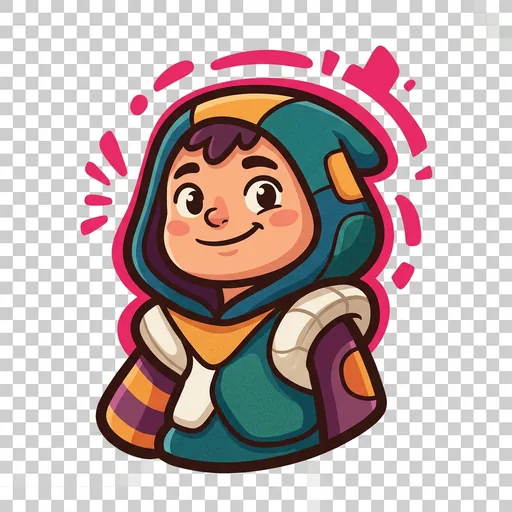
Tilt
Syncopation — placing weight off the expected beat to create pull and forward motion
-
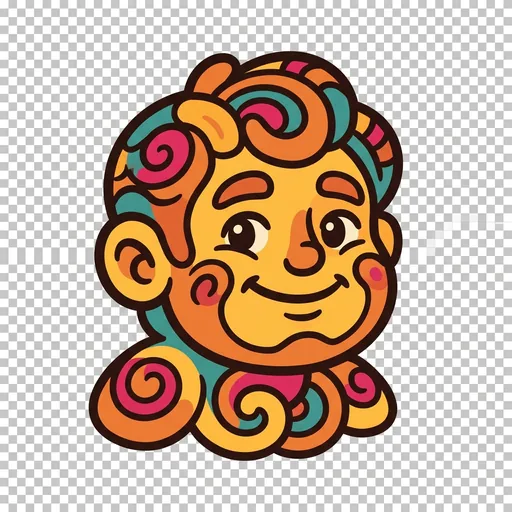
Spin
Groove — the looping pattern that emerges when pulse + subdivision + accent + syncopation cohere; the thing that makes a beat feel like a particular genre
-
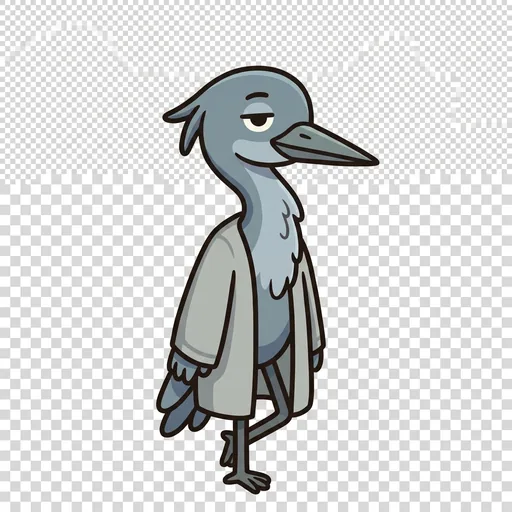
Lull
The rest — the beat you leave empty on purpose; silence counted as part of the music, so the next sound lands bigger
-

Crest
Dynamics — how loud or soft the music is, swelling louder and easing softer to give a song its waves
-

Rush
Tempo — how fast the pulse runs, and speeding up or slowing down to steer the whole mood of a song
-

Volley
Call-and-response — one player calls a phrase and the others answer it back; music as a conversation traded around a circle
-

Flurry
The fill — the quick burst of drum notes that carries a song across the turn from one section into the next
-
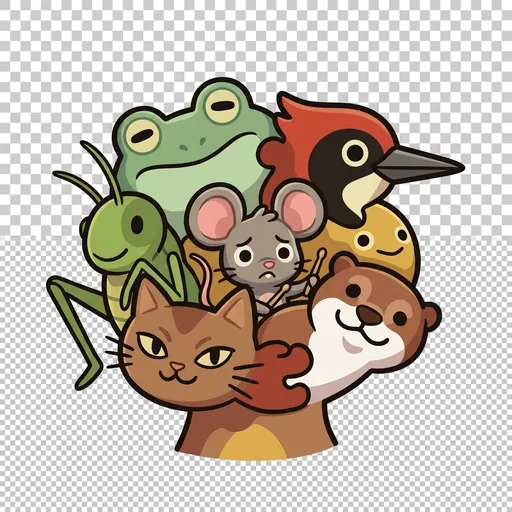
The Jam
The whole rhythm section playing together — how pulse, subdivision, accent, and syncopation lock into one groove that lifts everybody up at once