Counter and Grant
ARGUE THE BEST VERSION — the strongest arguers are the most generous ones: Counter takes on the best version of the opposing case, not a weak cartoon of it, and Grant openly concedes the points the other side gets right — and both of these, surprisingly, make your own argument sturdier and more trustworthy
A story read by Counter and Grant
Loading audio…
Press play to listen along. The line being read lights up as you go.
Show full transcript
Loading transcript…
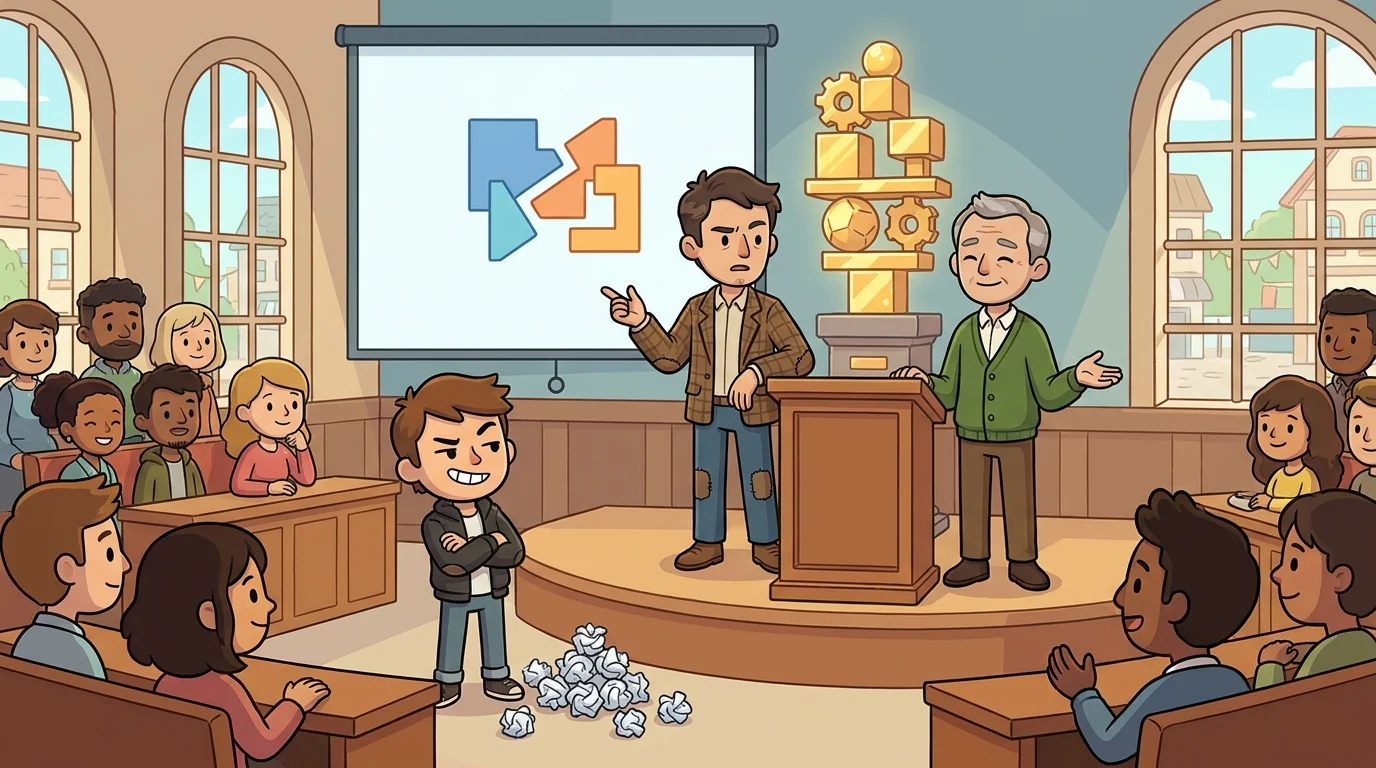
There was a debate on, and one debater thought he was winning brilliantly. He had taken his opponent's view, twisted it into its silliest possible shape, and demolished that — and now he stood grinning, sure he'd triumphed.
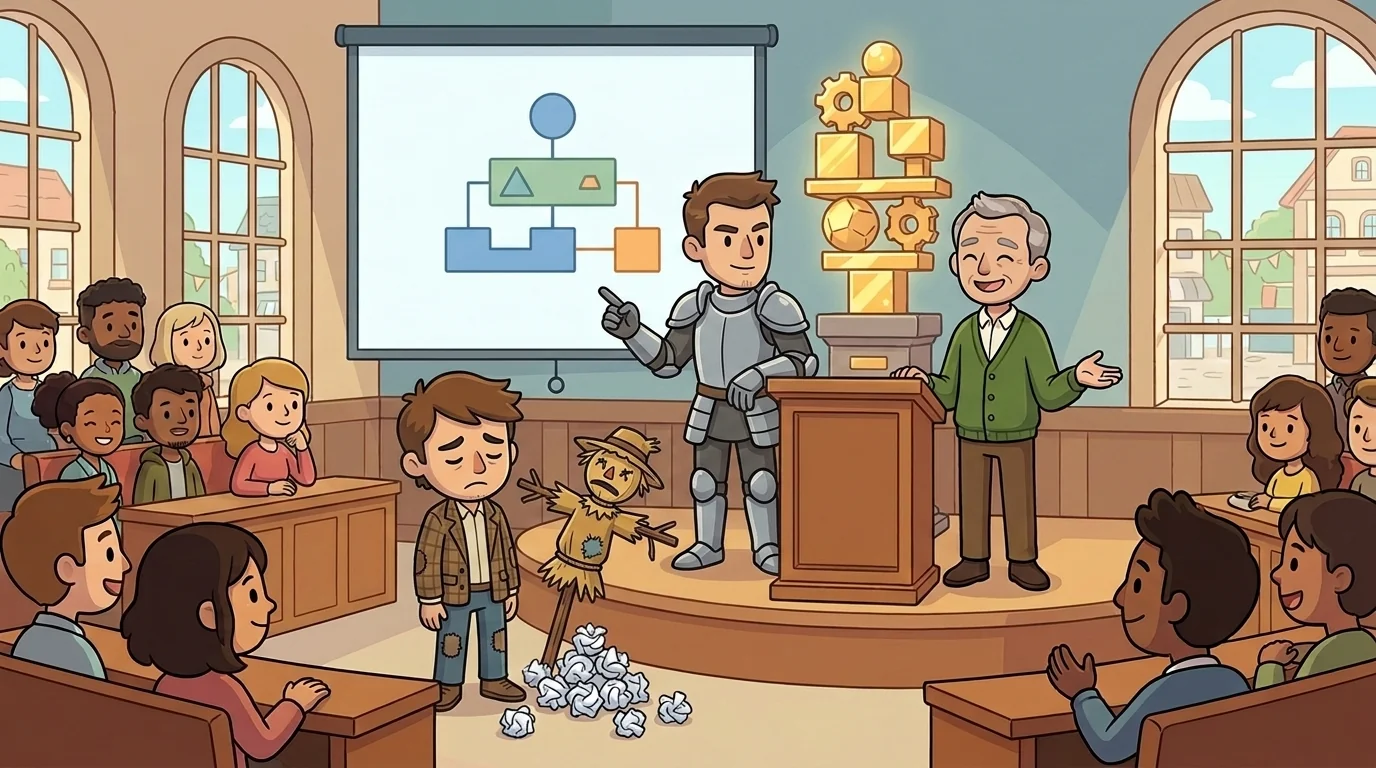
Two helpers watched him, unimpressed, because they knew the ugly secret: he hadn't won anything. He'd beaten a scarecrow, and everyone in the room quietly knew it.
Counter stepped up, wearing the armor of someone who fights only worthy opponents.
Grant stepped up, holding an open hand instead of a fist.

"You didn't beat his argument," said Counter. "You beat a cartoon of it. Let me show you how the strong arguers do it — it's the opposite of what you'd think."
Counter went first, because the first surprise is this: you must argue against the STRONGEST version of the other side, not the weakest.
"You took his view and made it stupid," said Counter, "and then knocked the stupid version down. Feels like winning. Proves nothing." Counter set the twisted cartoon aside. "Watch what I do instead. I take his argument and I make it as strong as I possibly can — even stronger than he made it. I find the best, smartest, most reasonable version of his side, the one that would be hardest for me to beat." Counter built up the opponent's case, better than the opponent had. "Then I argue against that. Because if I can answer his argument at its very strongest, I've actually proven something. And if I can't—" Counter paused honestly "—then maybe he's got a real point, and I'd better know that." Counter stood tall. "Beating a weak version of someone's view is like winning a race against someone who's tied their own shoelaces together. Everyone can see it doesn't count. Beat the best version, and you've genuinely won — and everyone knows it."
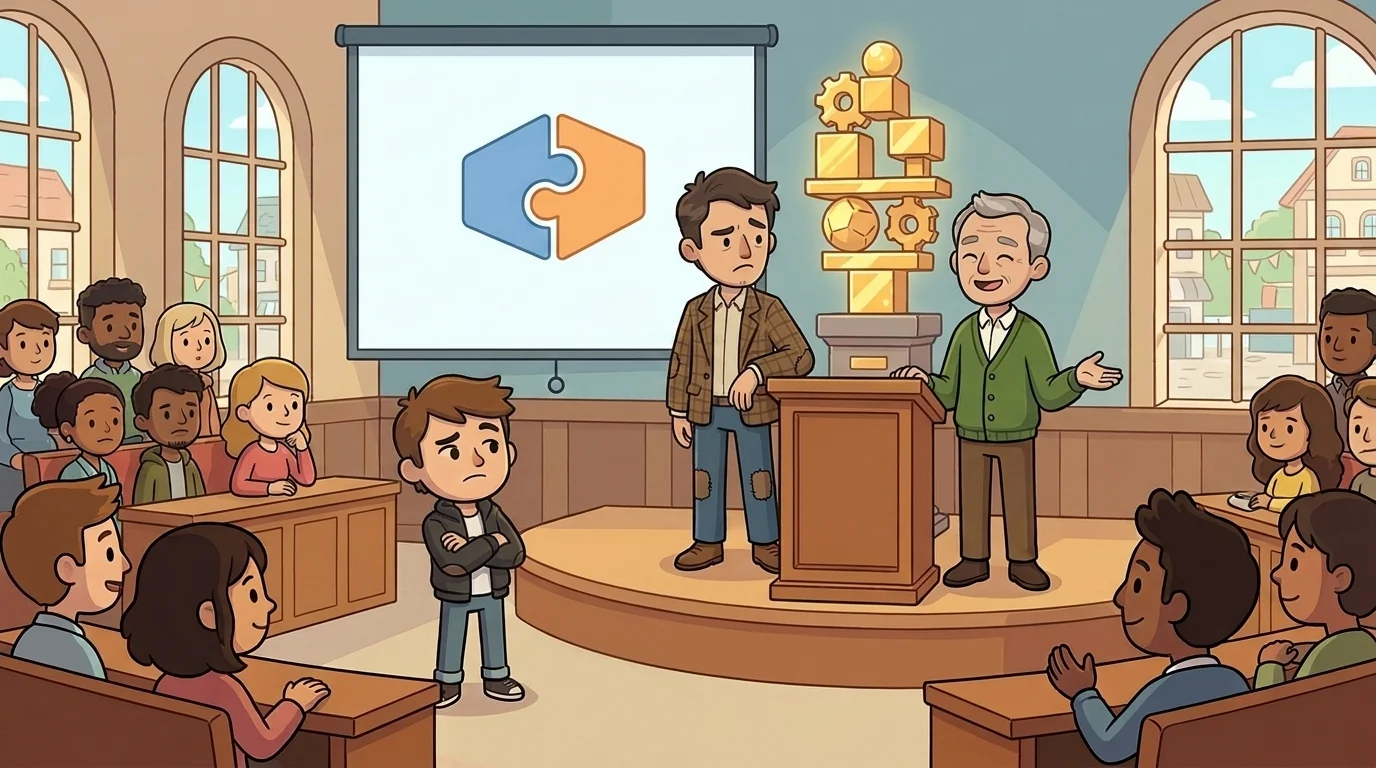
Then Grant opened an empty hand instead of a fist, because the second surprise is stranger still: you get stronger by conceding the points the other side gets right.
"And here's the move that feels the most backwards of all," said Grant. "When the other side says something true — something they've genuinely got right — you admit it. Out loud. 'Yes, that part's a fair point. You're right about that.'" The grinning debater looked horrified — concede? to the other side? "I know, I know," said Grant. "It feels like surrender. It's the opposite." Grant held the open hand steady. "When you refuse to grant anything — when you fight every single point, even the true ones — you look desperate, and people stop trusting you, because clearly you'll say anything to win. But when you say 'yes, you're right about that — and here's where I still disagree,' something powerful happens: everyone trusts you more. You've shown you care about what's true, not just about winning. And now your actual disagreement — the part you didn't grant — lands with ten times the weight, because you've proven you only fight where fighting's honest."
The grinning debater's grin faded, and then, slowly, changed into something more thoughtful. He tried it — rebuilt his opponent's argument at its strongest, granted the two points the opponent had genuinely gotten right, and then made his case on the ground that was really in dispute. And it was a completely different thing. Stronger. Cleaner. And the room — including his opponent — respected him far more than when he'd been demolishing scarecrows.
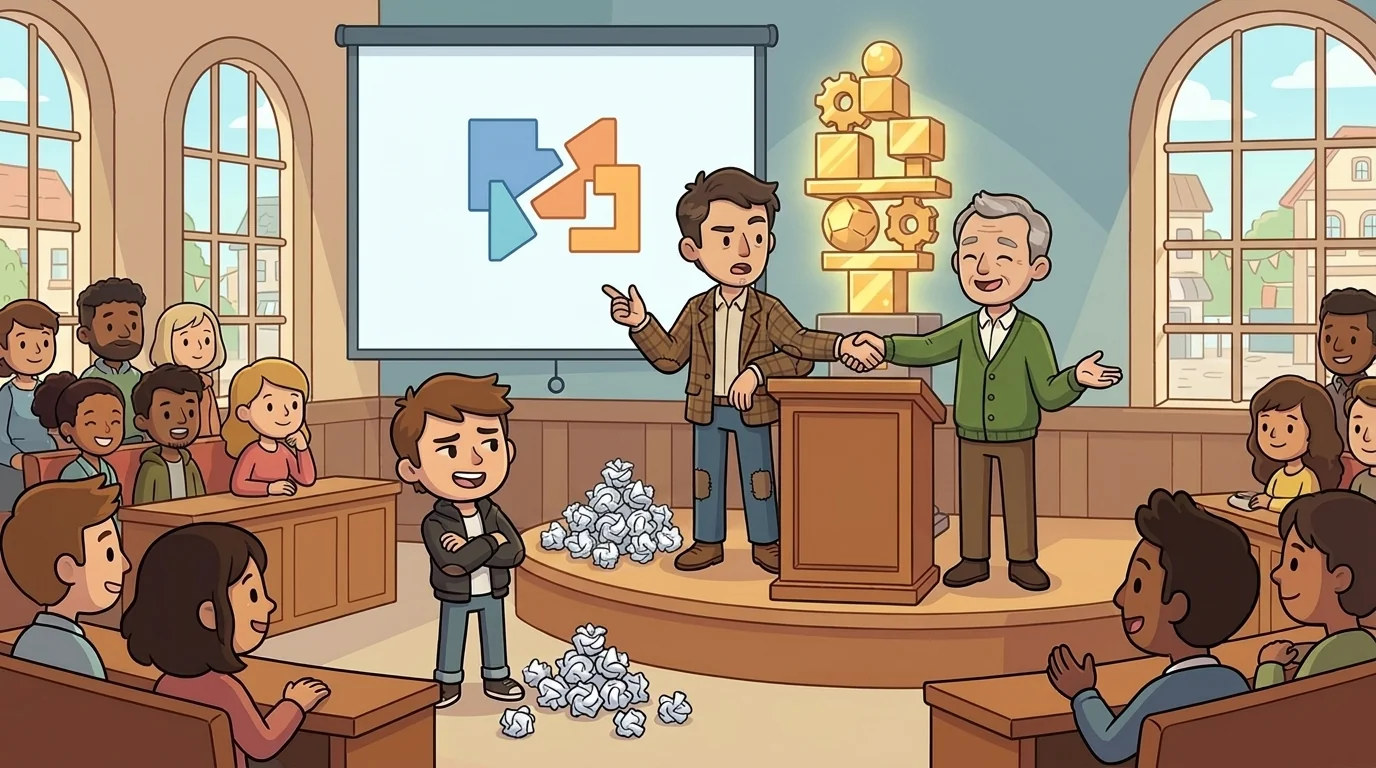
"Good steelman," said Grant.
"Good concession," said Counter.
There is a deep and counterintuitive truth at the heart of good arguing: that generosity is strength. The weak arguer fears the other side's best points and so hides from them, twisting the opponent into a cartoon and clinging to every inch. The strong arguer does the opposite — seeks out the best version of the other side, concedes what's genuinely true, and wins only on the ground that's really in dispute. It feels backwards. It feels like giving away advantage. But it's how you build an argument nobody can dismiss, and a reputation as someone who cares about the truth — which is worth more, in the end, than winning any single fight.
The ClaimCraft ensemble
Counter and Grant is part of ClaimCraft's distributed-narrative cast. Each character embodies a different curricular primitive; together they teach the full subject.
-

Posit
Claim — asserting-for-testing posture (claim is a card on the table, not a fortress)
-

Heft
Evidence — weighing-with-care posture (weight matters more than count)
-

Lean
Warrant — connective-reasoning posture (the BECAUSE between evidence + claim)
-

Counter
Counterargument — opponent-taking-seriously posture (best version of the other side strengthens yours)
-

Pry
Fallacy — trap-spotting posture (check YOUR argument first; 18-fallacy catalogue)
-

Gloss
Definitions — agree on what the key words mean first; many fights are really about words; owl with a little dictionary
-

Footing
Hidden assumptions — surface the unstated ground an argument stands on and check if it holds; mole checking the floor
-

Temper
Qualifiers / scope — match a claim's strength to its evidence; 'usually' survives what 'always' can't; badger with balance-scales
-

Onus
Burden of proof — whoever makes the claim supports it; bigger claims need bigger evidence; heron balancing the scales
-

Grant
Concession / common ground — grant the true points, find the shared ground, argue the real slice; deer in a shared clearing