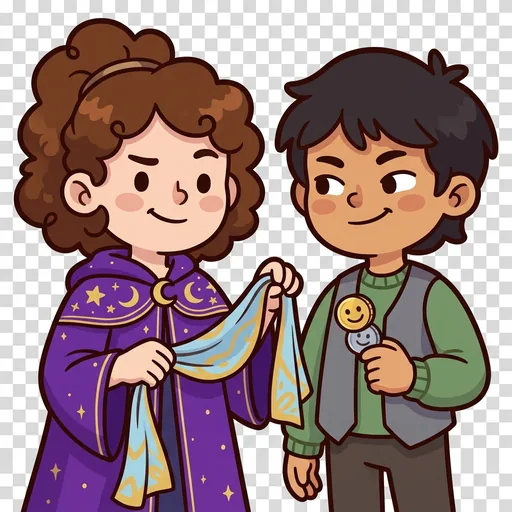
Knack and Coin
DO WHAT YOU DO BEST — two people both end up better off when each does what they're best at and trades for the rest (Knack), and a shared money everyone agrees to stand for value (Coin) lets any trade happen even when neither has what the other wants directly
A story read by Knack and Coin
Loading audio…
Press play to listen along. The line being read lights up as you go.
Show full transcript
Loading transcript…
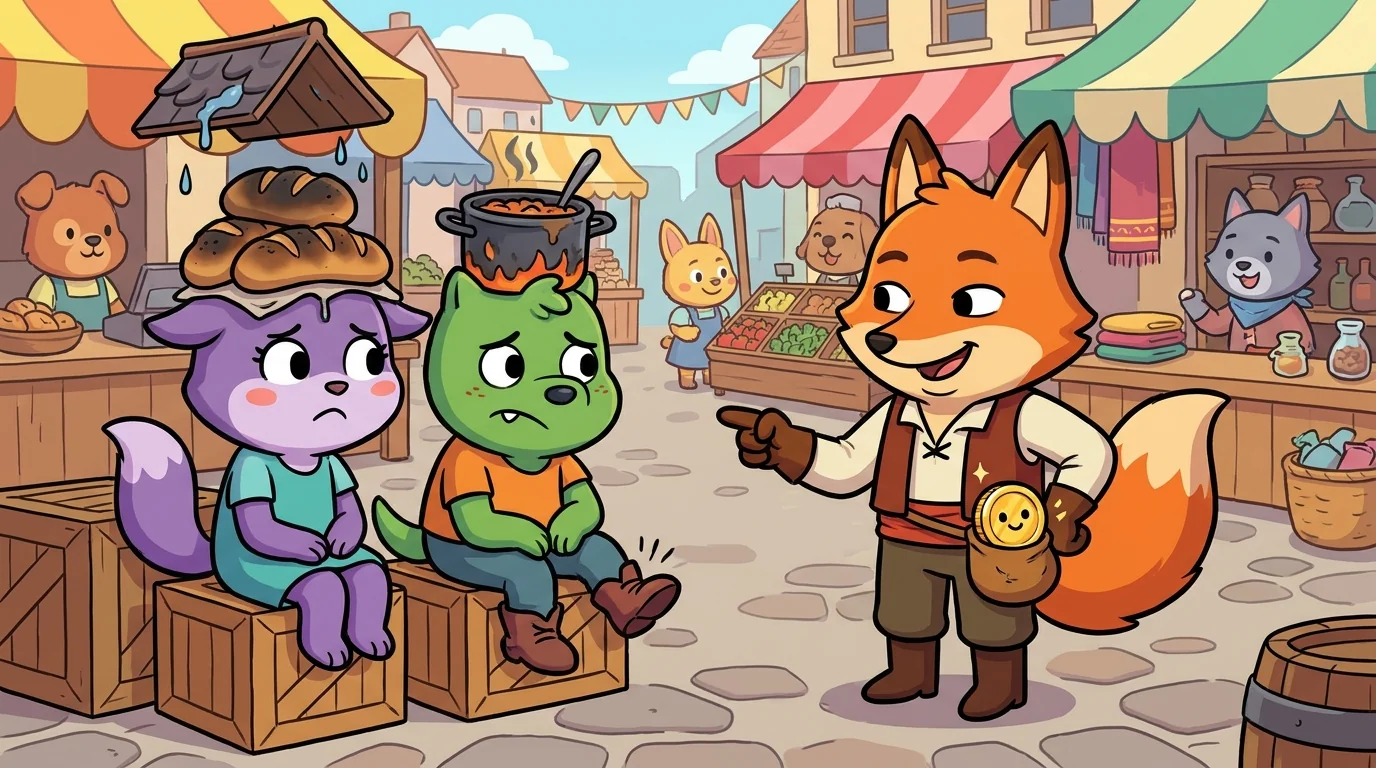
Two friends sat at the edge of the market, both a little glum, because both had spent the whole morning trying to do everything themselves.
Fen had tried to bake bread AND fix her own leaky roof, and had ended up with burnt loaves and a roof that still dripped. Bram had tried to mend his own boots AND cook his own supper, and had ended up with a scorched supper and boots that still pinched. Both of them, exhausted, had less than they wanted.
Two market-keepers wandered over — the two who understood, better than anyone, why trying to do everything alone leaves everyone poorer.
Knack looked at the burnt bread and the pinched boots and smiled a knowing smile.
Coin jingled softly in a pouch, waiting for the moment a trade would need it.
"You two," said Knack, "are working so hard to have less. Let me show you the other way."
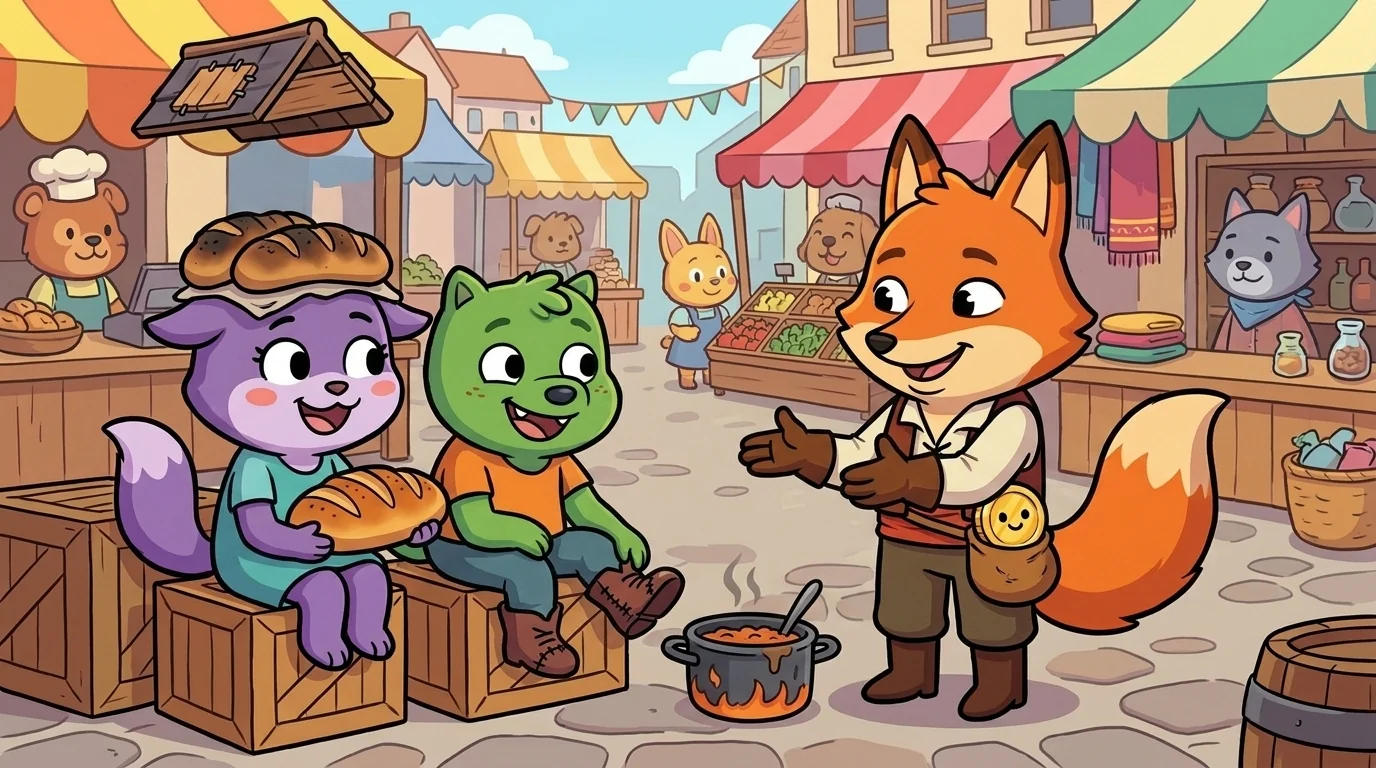
Knack went first, because the whole secret starts here: do the thing you do best, and trade for the rest.
"Fen," said Knack, "what are you good at? Truly good, quick and glad at it?" Fen thought. "Baking, I suppose. Bread comes easy to me. It's the roof I'm hopeless at." "And Bram — you?" Bram shrugged. "Fixing things. Roofs, boots, hinges — I like it, I'm fast at it. It's cooking I burn." Knack's smile widened. "Then stop trying to be the other's weak thing. Fen — bake. Just bake, since you're wonderful at it. Bram — fix. Just fix. And then—" Knack brought their two hands together "—trade."
And the moment they did, the whole glum morning turned around. Fen baked a beautiful extra loaf in the time it would've taken her to fail at the roof. Bram patched the roof in the time it would've taken him to burn a supper. They swapped — bread for roof-work — and both walked away with a good loaf AND a dry house. "See it?" said Knack. "You each did your best thing, traded for the rest, and now you both have more than either of you could make alone. That's the marvel of it — a trade isn't one person beating another. Done right, both sides come out ahead. It's not a fight over one pie. It's two people baking a bigger pie together."
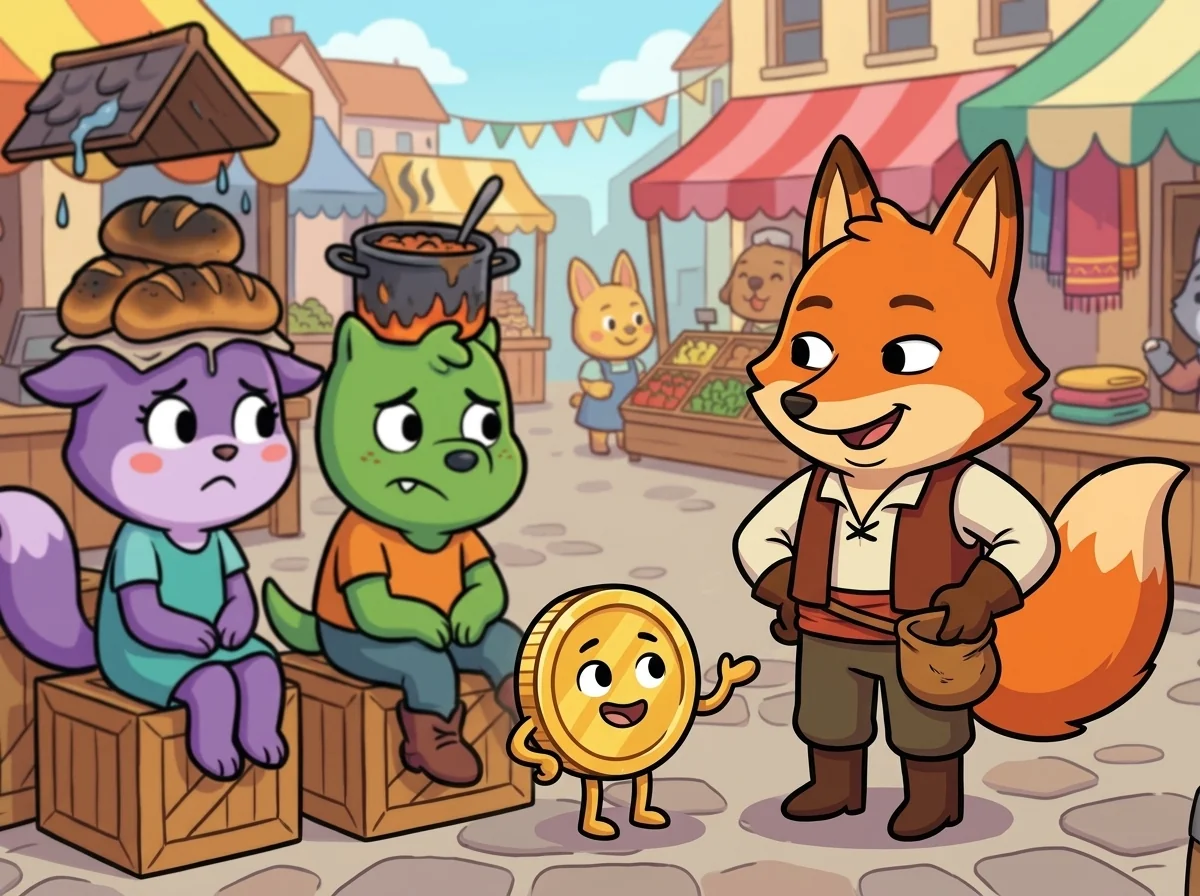
"But wait," said Fen, catching a snag. "It worked because Bram happened to want bread. What if he hadn't? What if he'd wanted, I don't know, a new hat? I don't make hats."
And there, right there, was the problem Coin was born to solve.
Because in the old days that snag stopped trades cold. To swap, you had to find someone who had exactly what you wanted AND wanted exactly what you had — the same want, pointing both ways, at the same time. Rare. Frustrating. Most good trades never happened at all, just because the wants didn't line up perfectly.
"That's my whole reason for existing," said Coin, stepping in with a soft jingle.
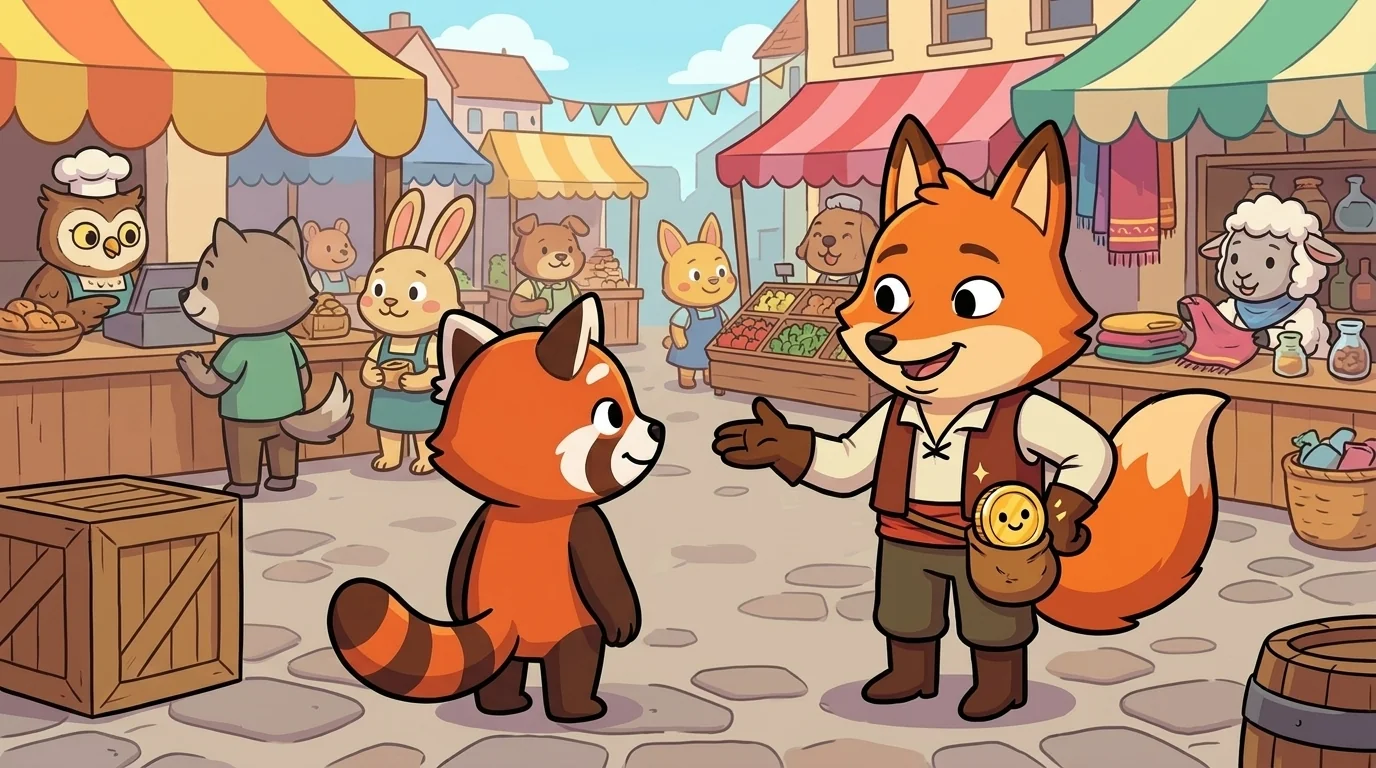
Coin's nature was simple and quietly astonishing: money is a shared agreement that stands for value, so any trade can happen.
"You don't have to want the same thing anymore," Coin explained. "Fen, you bake a loaf and sell it — not to someone who has a roof to trade, but to anyone, for coins. Those coins stand for the value of your bread. And then you take the coins to the hat-maker, who's glad to have them, because she can spend them on flour, and the flour-seller can spend them on boots, and round and round." Coin turned a coin over. "I'm not really worth anything by myself — I'm a little metal disc. What makes me work is that everyone agrees to trust me, together. We all decide I stand for value, so I can carry it between any two people, in any direction, even when their wants don't match at all." Coin smiled. "I'm a promise. A promise the whole market keeps, all at once."
So Fen sold her bread for coins, and bought her hat, and Bram sold his roof-work for coins, and bought his supper — and neither had needed to want the exact same thing at all.
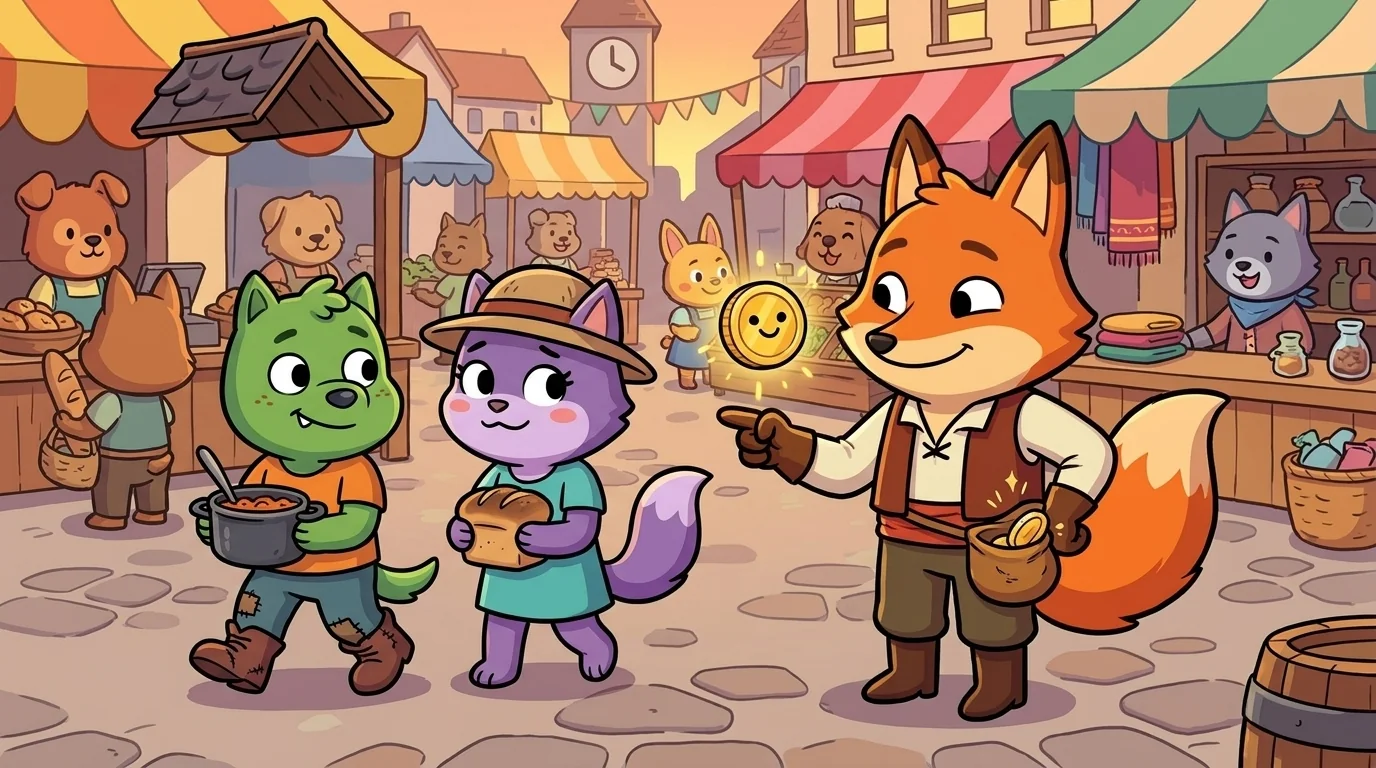
By evening the two friends went home glad — Fen with a dry roof and a new hat, Bram with a good supper and boots to come — each of them richer than the morning, not by working harder, but by doing their best thing and trading, with a shared coin to carry the value between.
"Good trading," said Coin.
"Good agreeing," said Knack.
There is a warm, almost surprising truth tucked inside all of this: that people do better together than alone — not by everyone doing everything, but by each doing what they're best at and trusting a shared promise to carry value between them. It runs against the glum old feeling that one person's gain must be another's loss. Done well, trade makes a bigger pie for everyone at the table. And a coin — that small trusted promise we all keep together — is what lets the whole warm cooperation reach clear across a market full of strangers.
The MarketQuest ensemble
Knack and Coin is part of MarketQuest's distributed-narrative cast. Each character embodies a different curricular primitive; together they teach the full subject.
-
Stock
Supply — producer decisions, scarcity, what gets brought to market
-
Crave
Demand — consumer preferences, needs vs wants, price-sensitivity
-
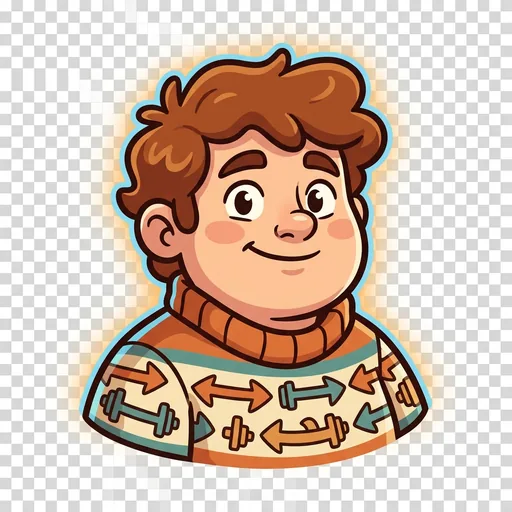
Even
Price equilibrium — where supply meets demand, the conversation point
-
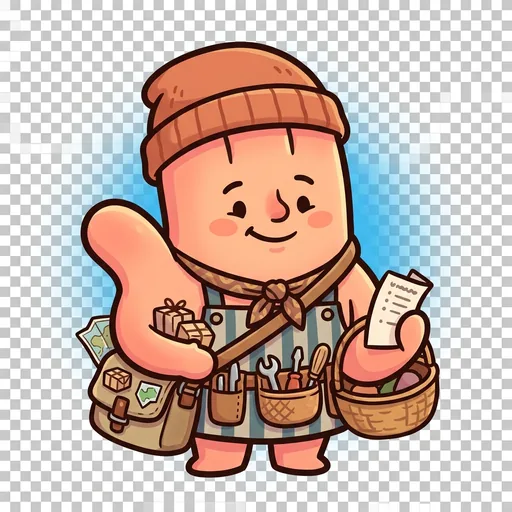
Hand
Market roles — producer + consumer + distributor, visible labor
-
Tide
Market events — shocks + policy + trade flows read as patterns
-
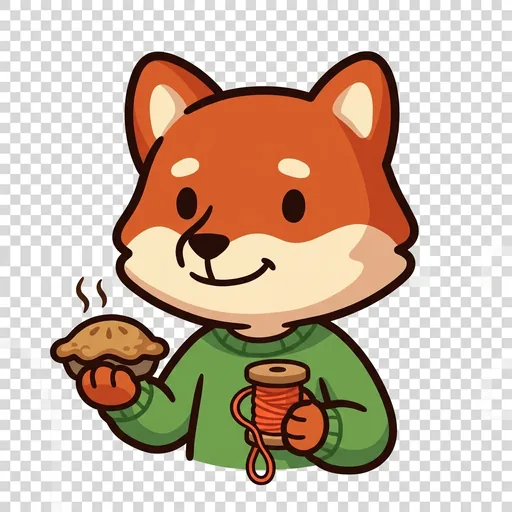
Forgo
Opportunity cost — every choice has a hidden price tag: the next-best thing you didn't pick; fox weighing two everyday choices
-
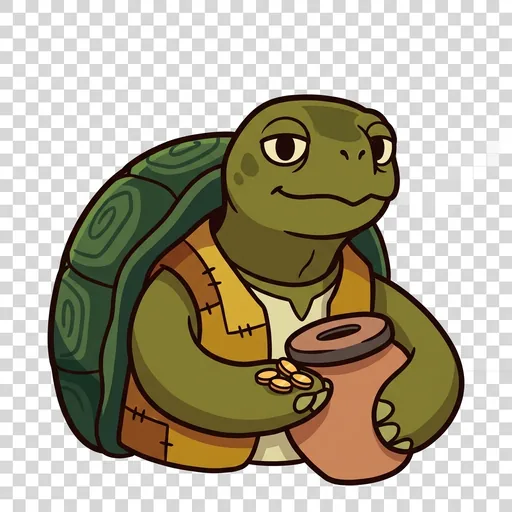
Seed
Saving + interest — set a little aside on purpose; patience grows a small store into a larger one; tortoise with a clay saving-jar
-
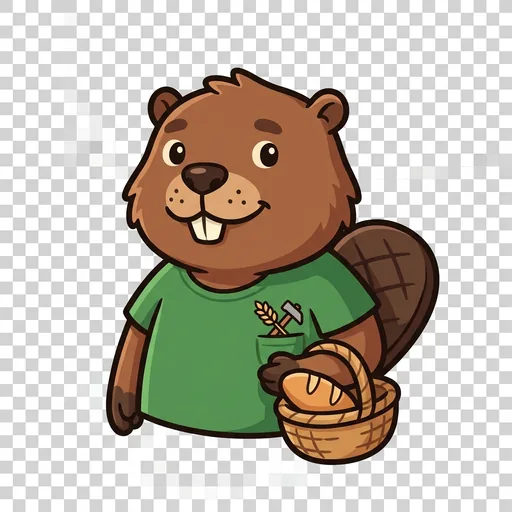
Knack
Specialization + trade — do the thing you do best, trade for the rest, and both sides end up with more; beaver brokering bread-for-baskets
-
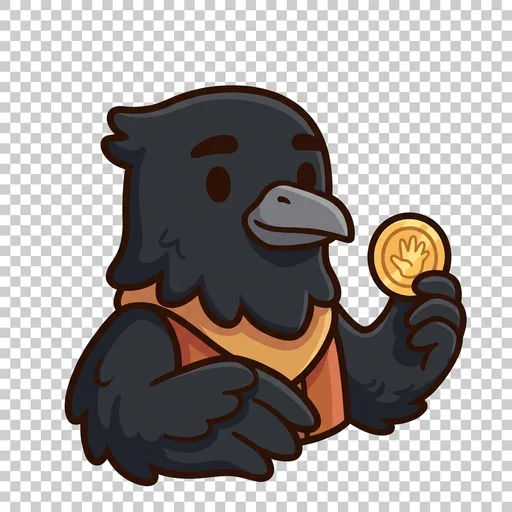
Coin
Money as a medium of exchange — a trusted token that lets any trade happen without a perfect match; crow unsticking a barter jam
-
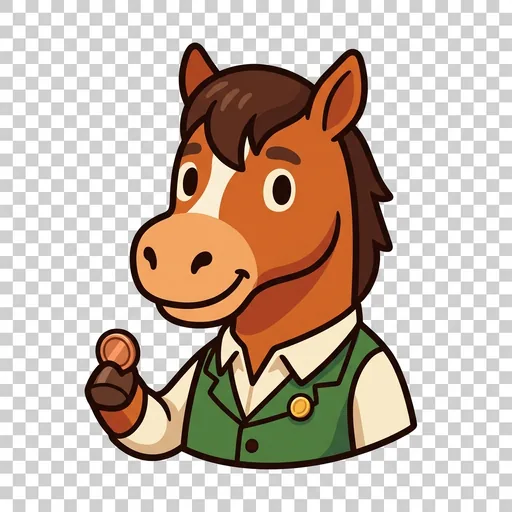
Spur
Incentives — people move toward rewards and away from costs; change the nudge, change the choice; horse aiming small fair nudges