
Chant and Reply
call-and-response — a lyric structure where one voice (or section) sings a line and a second voice answers it, trading back and forth. The song lives in the exchange: the call sets up, the response completes, and the back-and-forth pulls a listener in and makes them want to answer too. Found in work songs, gospel, sea shanties, hip-hop ad-libs, and pop pre-choruses.
Press play to listen along. The line being read lights up as you go.
Show full transcript
Loading transcript…
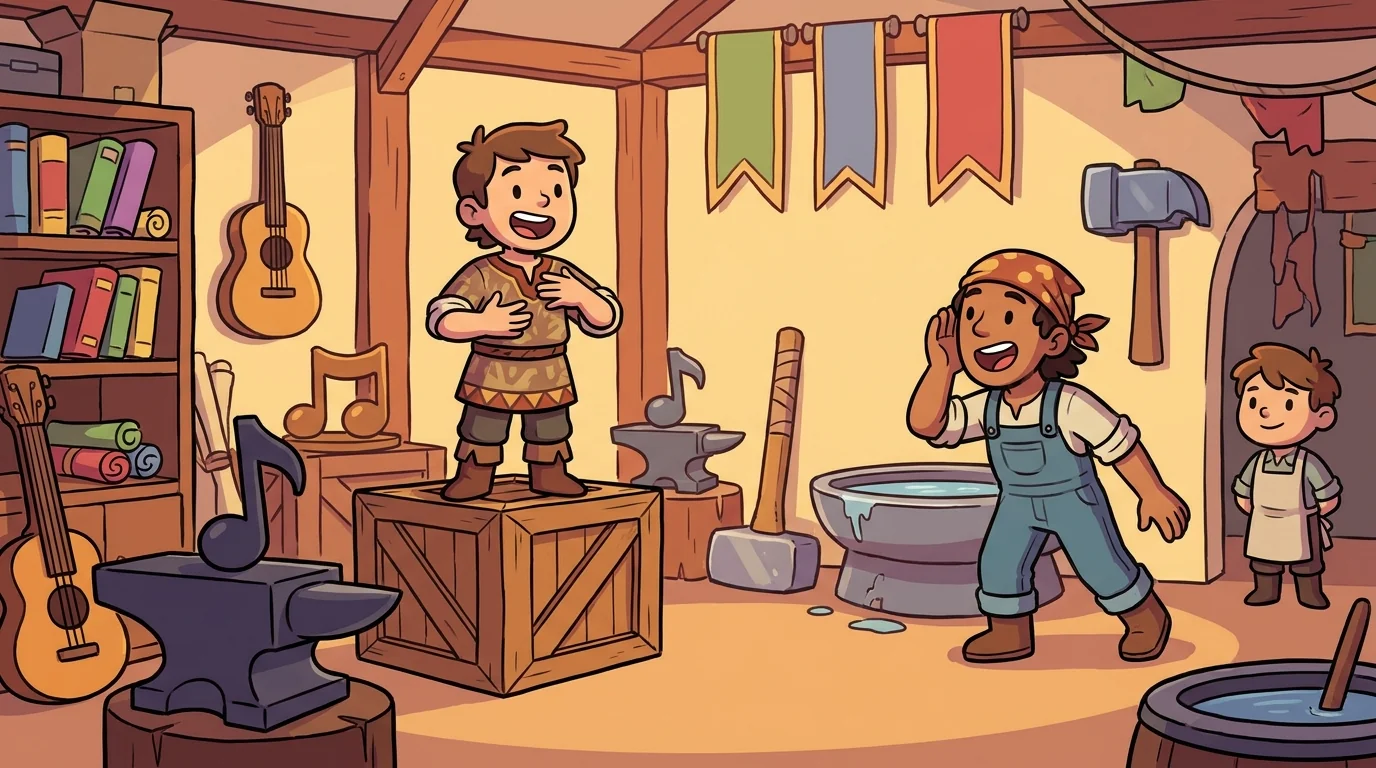
In the drafty rafters of the song-forge, Chant stood on a scarred wooden crate. Dust motes danced in the pale afternoon light that cut through the high windows. Chant took a deep breath, leaned forward, and threw one line out over the empty floorboards.
"Who's gonna carry the water?"
The sound bounced off the stone walls and hung in the chilly air. Chant waited, hands tucked into wool pockets.
From the dark corner by the iron stove, Reply looked up from paring an apple. Without missing a beat, Reply sang back.
"We're gonna carry the water!"
Chant grinned, the tension leaving their shoulders, and threw the next line even higher.
"Who's gonna carry it home?"
"We're gonna carry it home!" Reply answered, voice warm and perfectly matched.
The apprentice sat on a three-legged stool, holding a charcoal pencil over a scrap of rough parchment. They watched the two singers trade lines back and forth. The whole room seemed to lean in with every single swap.
"It's like a game," the apprentice whispered, afraid to break the rhythm.
"It's the oldest game there is," Chant said, hopping down from the crate. The wood creaked under their boots. "I call. Reply answers. That is the whole shape of it."
Chant tapped a knuckle against their own chest. "I'm the throw."
"And I'm the catch," Reply said. They tossed a slice of apple into the air and caught it. "A call all by itself is just somebody shouting into an empty room. But you answer it, and suddenly you have a song. Then everybody else in the room wants to answer too."
Chant didn't always tell this part of the story, but they told the apprentice now. They knew the silence still echoed in the dusty corners of the high room.
"For a long time," Chant said, leaning against the cold iron stove, "I called out entirely alone. I would walk the timber paths and sing my line—who's gonna carry the water—and then I would wait."
Chant looked down at the scuffs on their leather boots. "Nothing ever came back to me. There was just the flat sound of my own voice dying in the tall pines. I would call into the empty woods, and the quiet that followed was the loneliest thing I knew."
The apprentice stopped writing, the charcoal pencil hovering just above the rough paper.
"I started to wonder," Chant whispered, "if I should even bother opening my mouth at all."
Reply stopped paring the apple. The knife went still, and their eyes grew soft with a quiet understanding.
"And then one afternoon," Chant said, "I sang out. It was the same line, and I wasn't expecting a thing. But a voice came right back through the trees. It answered me, perfectly on the beat."
Chant looked up, meeting Reply's steady gaze across the room. "I had never heard the second half of my own song before. I did not even know it had a second half."
"You had been singing half a song your whole life," Reply said gently. "You just needed someone to catch the line and throw it back to you."
"That was the day," Chant said, "that calling out stopped being a lonely thing. Because now when I throw a line into the world, I know something is coming back."
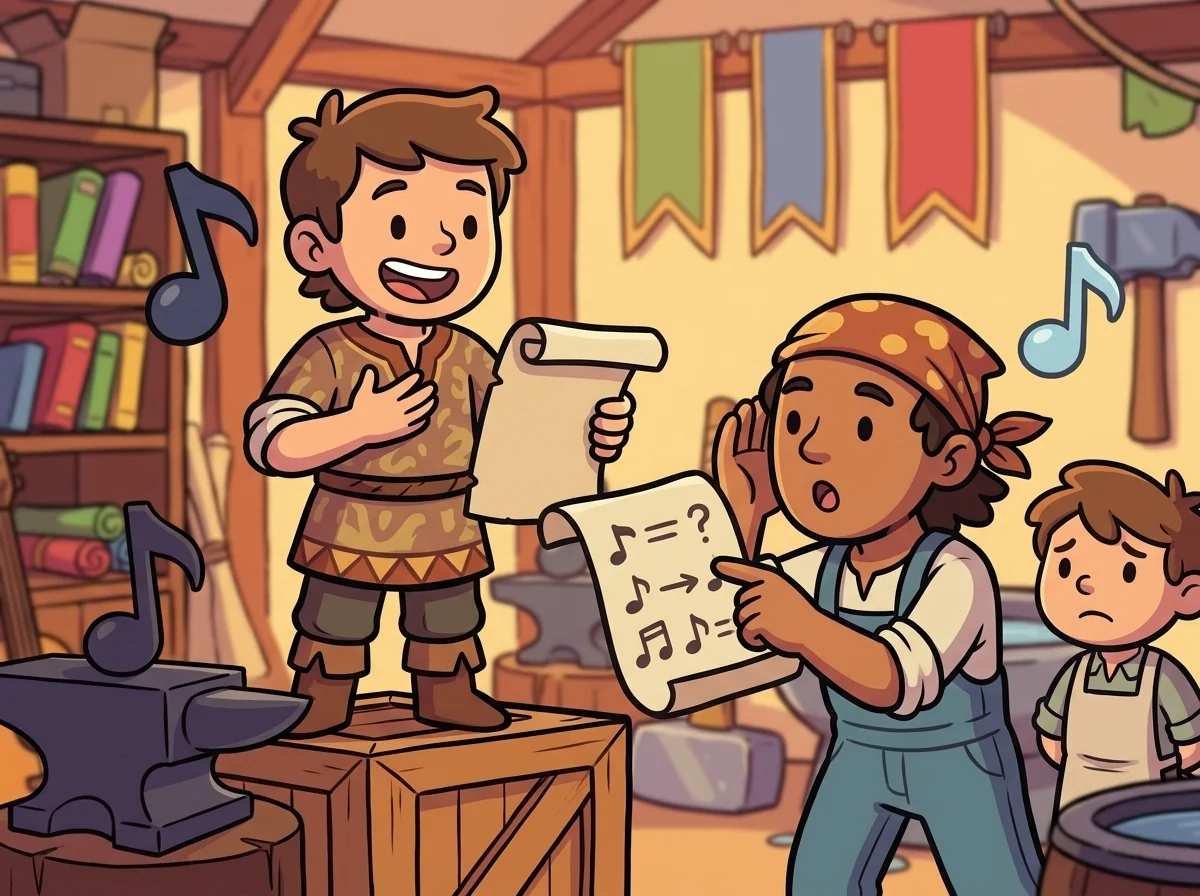
A worried apprentice came to the song-forge the next morning with a crumpled sheet of music.
"I wrote a *call-and-response*," the apprentice said, rubbing their tired eyes, "but it just sits there on the page like a wet blanket."
Chant took the paper. "Let's hear it."
The apprentice cleared their throat and sang: "The wind is blowing cold today."
Then they pointed to Reply, who read the response from the page: "The wind is blowing cold today."
The apprentice sighed. "See? It's boring. It doesn't go anywhere."
Chant and Reply read the rest of the lines.
"Ah," Reply said, tapping the paper with a clean fingernail. "Your answer is far too obedient."
"Look at this," Chant agreed. "Every time my line says one thing, your response just says the exact same thing back. That is an echo, not an answer."
"An echo is just a mirror," Reply said, leaning over the apprentice's shoulder. "An answer is a reply."
"So how do I fix it?" the apprentice asked, chewing on the end of their pencil.
"Let the answer do something," Chant said, pacing across the creaking floorboards. "If I ask a question—who's gonna carry the water?—Reply doesn't just repeat my question back to me."
"Reply answers it: we are."
"Or the answer can push back, or finish my thought, or raise the stakes," Chant explained. "The two lines should feel like two real people who are listening to each other. It shouldn't sound like one person talking to a cold stone wall."
The apprentice's eyes lit up as they stared at the messy scribbles on their page. "So the call sets up the idea, and the response completes it. But it has to add something new."
"Now you've got it," Reply said with a warm nod. "The best part of a *call-and-response* isn't either of the lines. It is the little snap in the middle, where the throw becomes the catch."
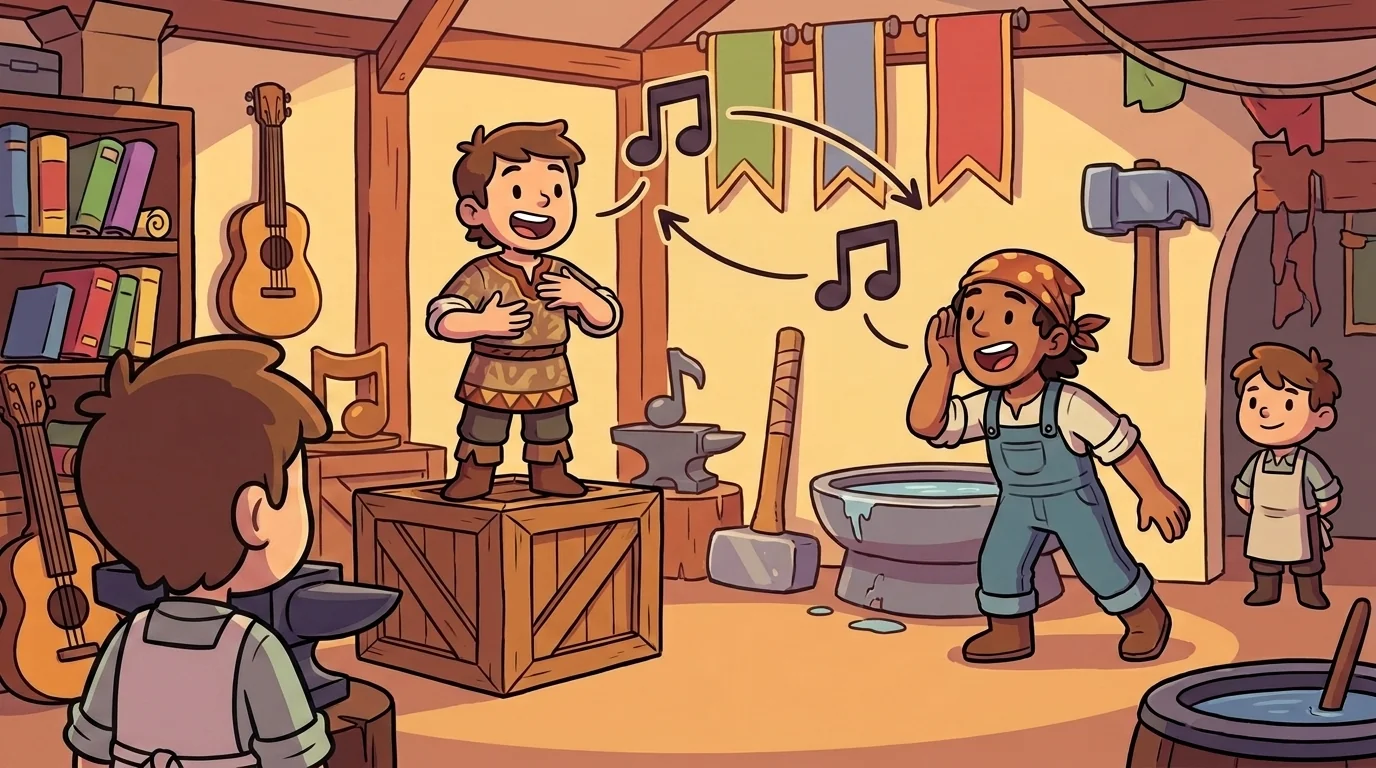
The apprentice sat back down on the stool and began to scratch out words. They chewed their lip, muttered to themselves, and wrote two new lines.
"Let's try this one," the apprentice said, handing the paper back to Chant.
Chant looked at the page and smiled. "This has some teeth to it."
Chant stood up straight, took a breath, and sang the new call: "When the night comes down—"
The line hung in the air, unfinished and suspended, like a bridge that stopped halfway across a river.
Reply didn't hesitate. They caught the line and finished it: "—we'll be the ones with the light."
The room went completely quiet. The draft from the window seemed to die down, and a sudden warmth filled the space. It did not sound like two separate lines anymore. It sounded like one single thought that two voices had carried together, half each.
"Oh," the apprentice breathed, their pencil slipping from their fingers. "The call didn't even finish. It needed the answer to be complete."
"That's the strongest kind of song," Chant said, stepping down to bump Reply's shoulder. "I open the door. Reply walks us through it. Neither of us could have done it standing alone."
"A whole thought, split down the middle," Reply said, smiling. "And it only works if we are both there to carry it."
"One voice out," Chant said.
"One voice back," Reply answered.
"And a song in between," Chant said.
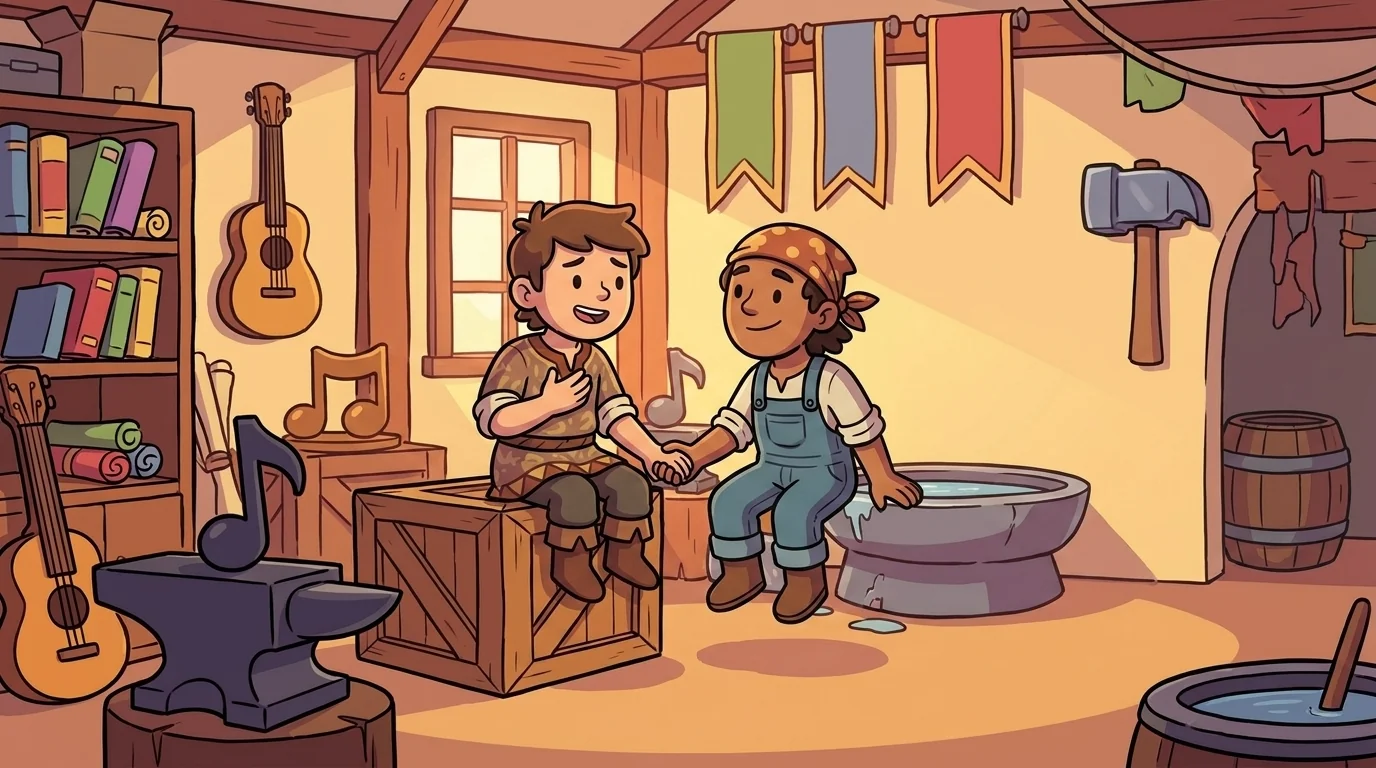
When the apprentices had finally gone, the sun dipped below the hills. Long shadows stretched across the floorboards of the song-forge. Chant and Reply sat together on the wooden crate, their shoulders touching. The iron stove was cooling down, giving off a faint, metallic smell.
"I still remember the quiet," Chant admitted, staring at the dust settling in the dark. "Before you came along. I would call and call, and nothing would ever answer."
"I got so used to the silence," Chant continued, "that I almost stopped expecting anything else."
They looked over at Reply. "And then you answered, and I found out I had only ever been singing the front half of something."
Reply reached out and nudged Chant's arm. "I hear you now," Reply said simply. "Every single time. That is the promise we made. You call, and I am here, and the song comes back."
Chant was quiet for a long moment. The wind whistled softly through the cracks in the window frame.
Then, Chant sang one soft line out into the empty, darkening room. It was half a song, like an open hand reaching into the dark, the way they used to sing when no one was listening.
And this time, warm and sure and right on the beat, Reply sang it back.
The old, lonely quiet that Chant had carried for so many years finally lifted. It turned into gladness—the plain, deep gladness of calling out into the world and knowing, at last, that someone would always answer.
"Who's gonna carry it home?" Chant sang softly.
"We are," Reply answered. "Together. We always were."
The LyricForge ensemble
Chant and Reply is part of LyricForge's distributed-narrative cast. Each character embodies a different curricular primitive; together they teach the full subject.
-

Chime
Rhyme / vowel-echo — chickadee-tween whose listening-cupped wing catches and returns rhyming partners
-

Step
Meter / cadence — rabbit-tween whose hop-rhythm enacts the stressed-syllable pattern
-
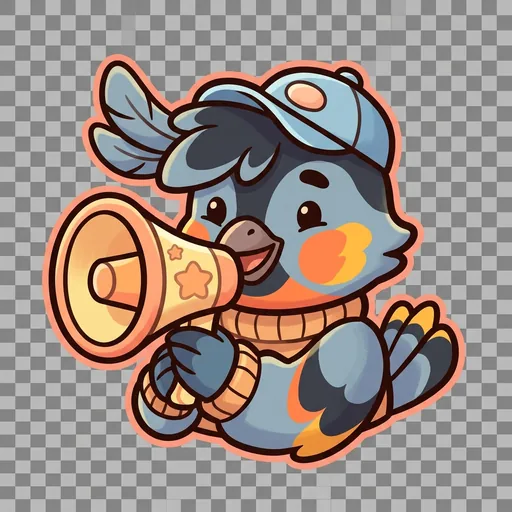
Holler
Hook / chorus anchor — bullfinch-tween with megaphone who picks ONE line and makes it sing-back-loud
-

Turn
Bridge / off-the-path — crow-tween in a long traveling coat who walks the lyric into a new feeling and earns the return
-

Spark
Image / sensory anchor — firefly-tween whose abdomen brightens ONLY on specific concrete word-choices (dim on abstractions)
-

Groove
Rhythmic pocket — mellow toad who rides the beat just behind it; the same words can march or dance depending on where they sit against the groove
-

Zing
Wordplay — electric-blue dragonfly whose wings spark on a pun or double-meaning; clever-AND-true sparks, clever-for-its-own-sake falls flat
-
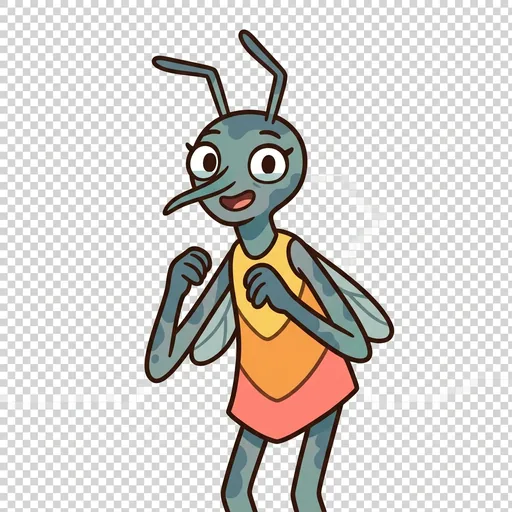
Lift
Pre-chorus build — long-legged crane-fly who rises onto her toes; the chorus only soars because she made you climb to it (the build is a promise the chorus keeps)
-

Belt
Singability — big-lunged frog with a wide-open throat; open vowels ring on long notes, tight consonant clusters strangle them (always sing it aloud)
-
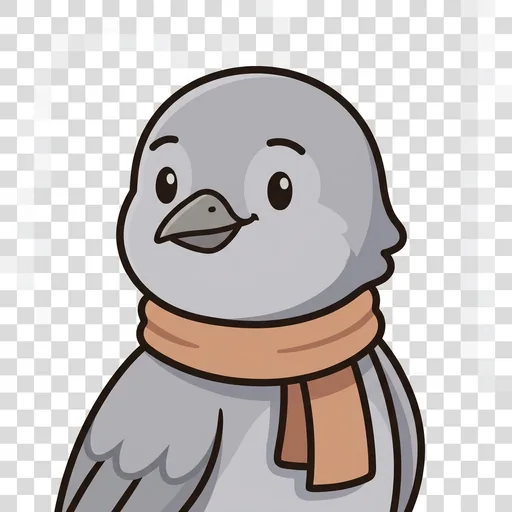
Croon
Sincerity — dove-grey nightingale who sings small true songs; all the other craft serves the one honest feeling underneath (one true feeling beats a hundred fake)