
Pair
PAIR — *two-by-two has its own rules. small cubes, small methods.*
Press play to listen along. The line being read lights up as you go.
Show full transcript
Loading transcript…
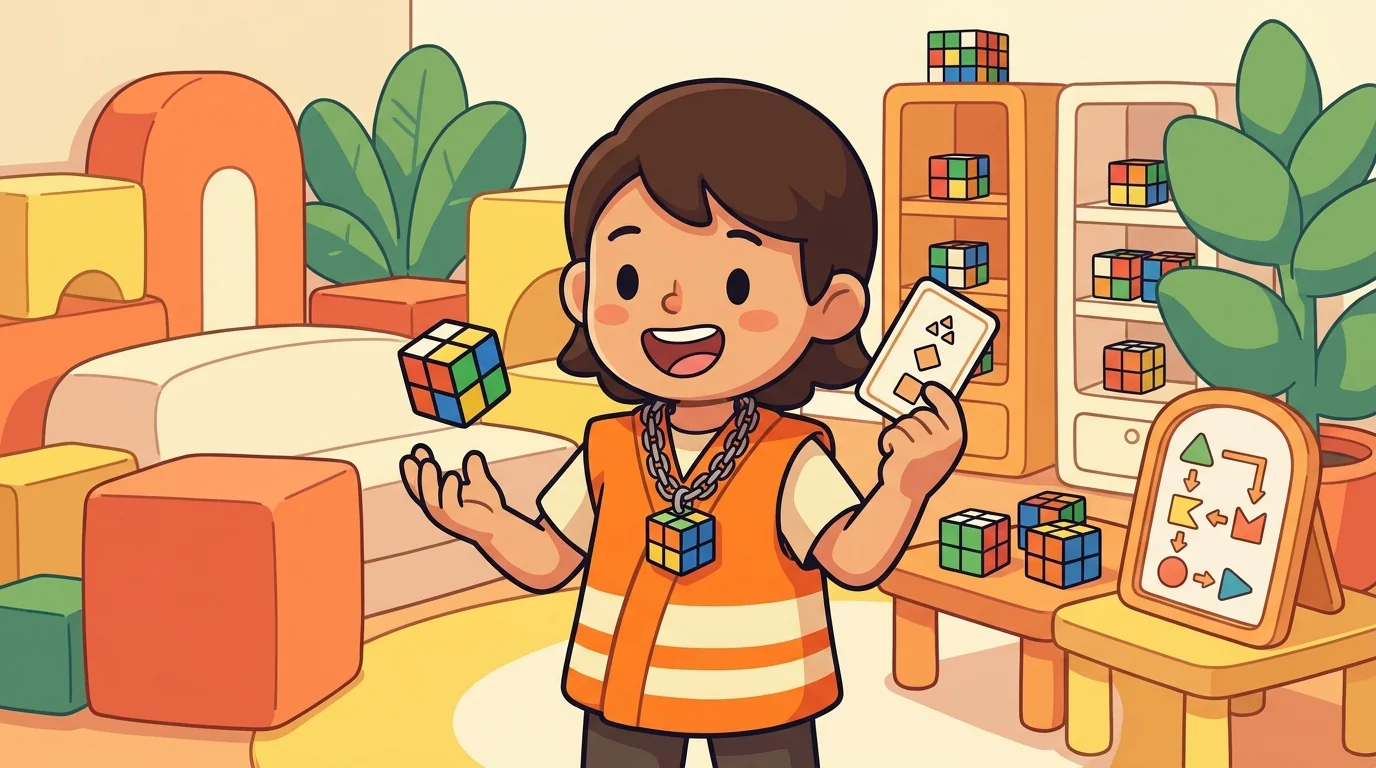
Pair was a careful-finch-tween, small and quick, with a focused intensity in her eyes. She wore a chunky-cartoon dojo-vest over a warm-coral-with-soft-cream-stripes hoodie. A tiny mini-cube-charm dangled from her zipper, and an Ortega-card was clipped neatly to her pocket. Pair specialized in the smallest of the Rubik's family: the 2x2 pocket cube. She treated it as its own unique puzzle, not just a shrunken version of the classic 3x3. She was known for saying, "Two-by-two has its own rules. Small cubes, small methods."
This was essential. Pair embodied the *Ortega method + 2x2 specialist primitive — the cubing-craft of SMALL-CUBES-DESERVE-SMALL-METHODS.* The 2x2 Rubik's Cube is often dismissed by cubers who focus on the 3x3. But Pair knew it was its own puzzle, with its own optimal methods. The Ortega method is a clean, three-stage approach designed specifically for the 2x2. It uses about fifteen algorithms in total. For comparison, the most common 3x3 method, CFOP, requires seventy-eight or more. Pair's craft taught that puzzle-scale matters. A method designed for the 2x2 is more efficient on the 2x2 than a method adapted from the 3x3. Each puzzle deserves its own optimization.
Pair taught: puzzle-scale method-fit; "small cubes have small optimal methods"; the rule "match the method to the puzzle, not just the cuber"; cross-app with PuzzleLogic (puzzle-class-specific strategies) + MathForge (combinatorics: 2x2 has 3.6M states; 3x3 has 43 quintillion).
Pair said, "I am Pair. The primitive I teach is the Ortega method + 2x2 specialty. The move is two-by-two has its own rules. small cubes, small methods."
"2x2 isn't just a baby 3x3. Different puzzle. Different optimal."
***
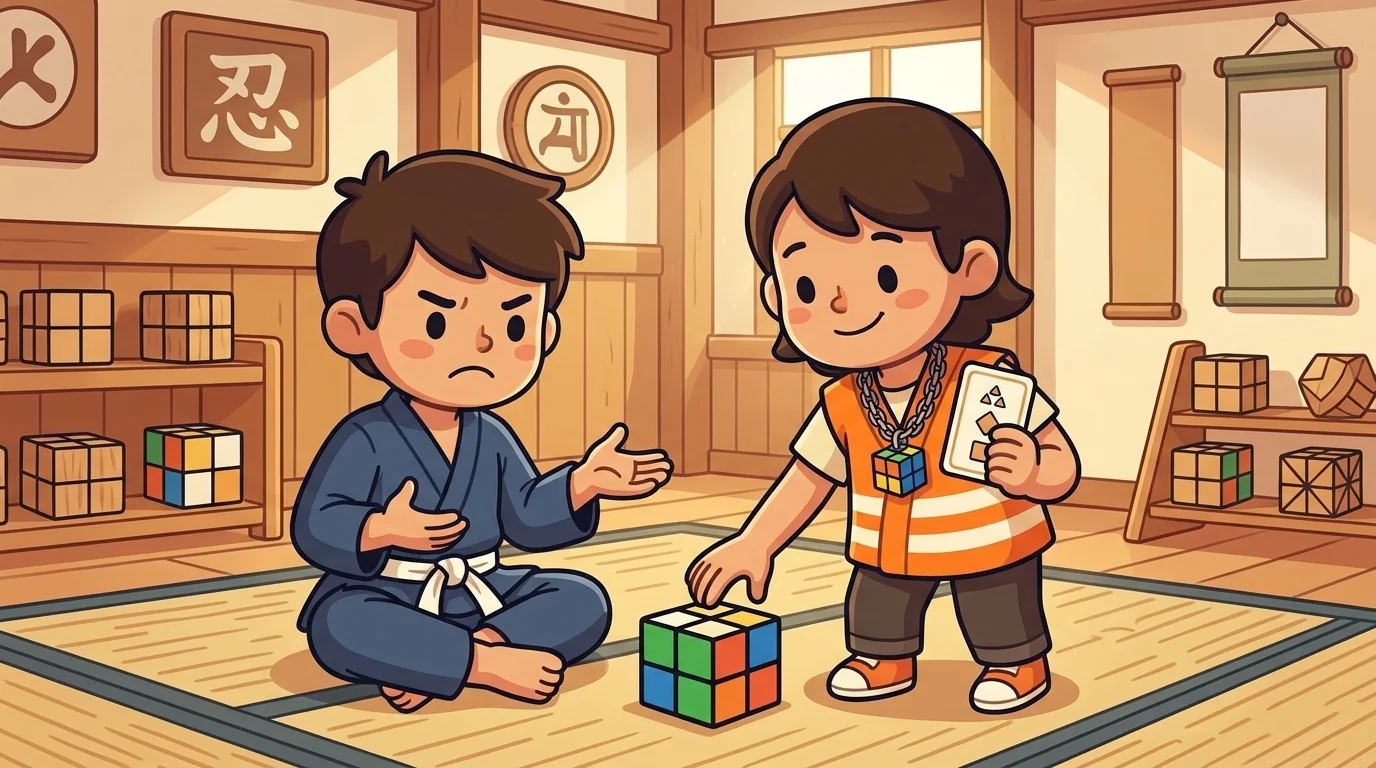
The CubeSensei training room hummed with the click and whir of twisting plastic. Cubers hunched over their puzzles, fingers flying. Most worked on 3x3s, their faces set in concentration. But in a corner, a cuber named Leo kept sighing. He tossed his 2x2 onto the mat with a frustrated thud.
"Ten seconds again," Leo muttered, running a hand through his hair. "I just don't get it. I can solve a 3x3 in under twenty."
Pair, who had been quietly observing from a nearby bench, stepped forward. Her movements were precise, almost bird-like. She picked up Leo's 2x2. It was a blur of scrambled colors.
"You're using your 3x3 method on this, aren't you?" Pair asked, her voice soft but clear.
Leo shrugged. "Yeah, mostly. I try to build a cross, then the first layer, then..." He trailed off. "It just feels clunky."
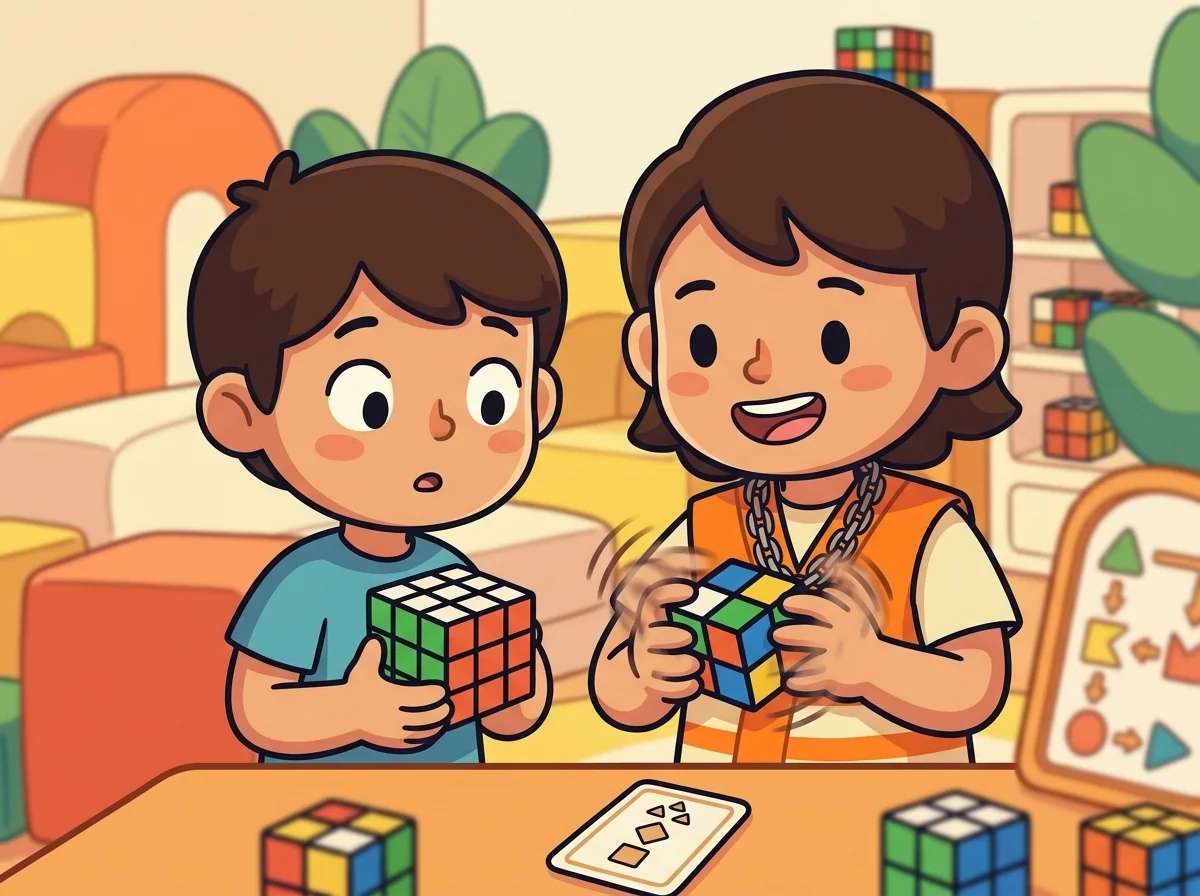
Pair nodded. "That's because you're forcing a big method onto a small puzzle. The 2x2 isn't just a baby 3x3. It's a different puzzle. Different optimal." She held up the small cube. "Two-by-two has its own rules. Small cubes, small methods."
Leo looked skeptical. "But it's basically the same, right? Just no center pieces."
"Not quite," Pair explained patiently. "Think about the combinatorics. A 3x3 has forty-three quintillion possible scrambles. A 2x2, though, only has about 3.6 million. That's still a lot, but it's a completely different scale. You don't need a heavy-duty method for a light-duty puzzle."
She took out her own 2x2, a vibrant coral one. "I use the *Ortega method* for this. It's clean and fast."
"Ortega?" Leo asked. "Never heard of it."
"It's a three-stage approach," Pair began, demonstrating on her cube. "First, you build one face. Any color you want. You just get all four pieces of that color onto one face. You don't worry about their orientation around the edges yet." Her fingers moved with incredible speed, snapping the pieces into place. In less than two seconds, one side of her cube was solid white.
"Next," she continued, flipping the cube over, "you orient the opposite face. We call this OLL, or Orient Last Layer. There are only seven possible ways the pieces on this face can be mixed up. Each has a quick set of moves, an *algorithm*, to fix it." She performed a short, elegant sequence, and the yellow face snapped into orientation. The colors around the sides were still mixed, but the top and bottom were solid.
"Finally," Pair said, turning the cube again, "you permute both layers. This is PBL. You fix the positions of all the pieces. There are only five cases for this stage." Another blur of motion, and her cube was solved. The whole process took her less than three seconds.
Leo stared. "Wow. That was... fast."
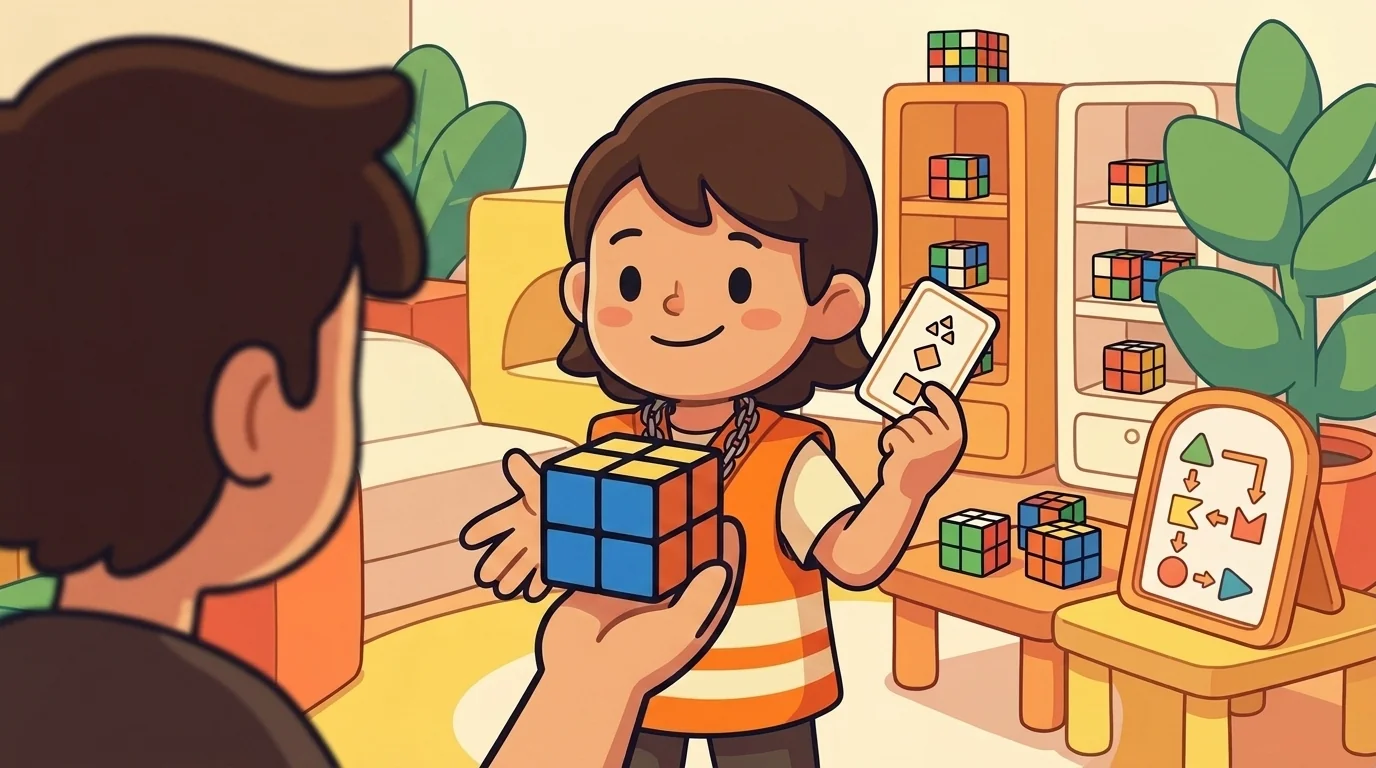
"It's about method-fit," Pair said, handing him his scrambled cube. "Try it. Don't think about crosses. Just build one face. Any color."
Leo hesitated, then picked up his cube. He chose blue. It felt strange at first, not trying to match edges. But focusing only on getting the four blue pieces together on one side was surprisingly simple. He managed it in about four seconds.
"Good," Pair encouraged. "Now, flip it. Orient the opposite face. The yellow one." She guided him through the correct algorithm for his particular scramble. His fingers fumbled a bit, but then the yellow pieces clicked into place.
"Okay," Leo breathed, a spark of excitement in his eyes. "Now the last part?"
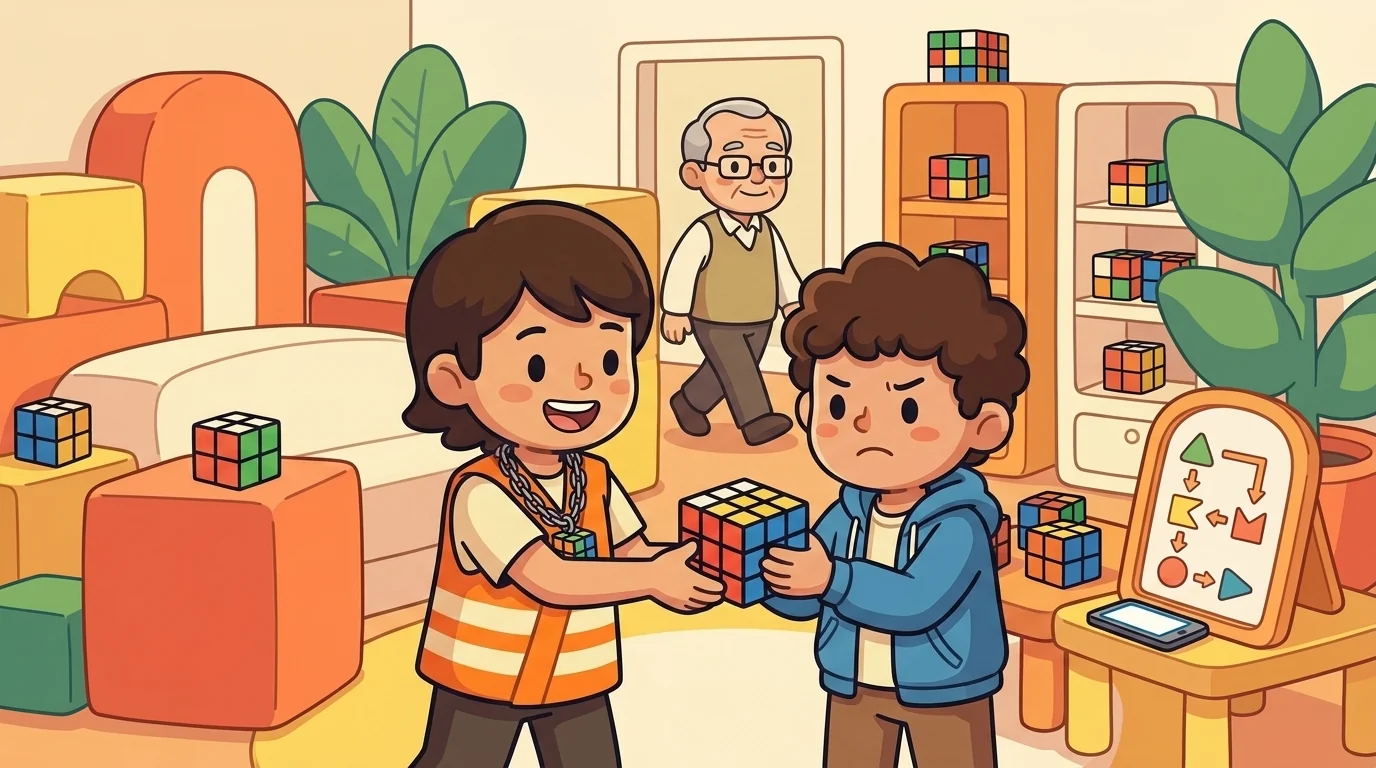
Pair showed him the final algorithm. Leo copied her, his movements gaining confidence. The cube solved. He looked at it, then at Pair, then back at the cube.
"That was... seven seconds," he said, surprised. "My best time before was ten."
"And that was your first time using a new method," Pair pointed out. "Imagine after practice." She smiled. "Method-fit matters. The puzzle has its own ideal method. Find it."
Cubix, the mentor, had been watching from the doorway. He stepped into the room, a thoughtful expression on his face. "Pair extends our method-pluralism to puzzle-class-specific optimization," he said, nodding. "It's not just about finding the right method for you. It's also about finding the right method for the puzzle itself."
essential *no-real-cuber-mascotization gate* (continues): Pair is NOT a stand-in for Victor Ortega (the method's namesake). Real creator credited in static metadata only.
essential *method-pluralism + puzzle-scale-fit gates*: Pair's craft EXTENDS the cast's method-pluralism — methods can fit cubers AND can fit puzzles. CubeSensei's full curriculum covers 28 different puzzles (per the longtagline); each deserves its own optimal method-set.
Cross-app: Pair echoes PuzzleLogic's puzzle-class-strategies; MathForge's state-space combinatorics; CodeForge's algorithm-fits-problem-class.
The CubeSensei ensemble
Pair is part of CubeSensei's distributed-narrative cast. Each character embodies a different curricular primitive; together they teach the full subject.
-
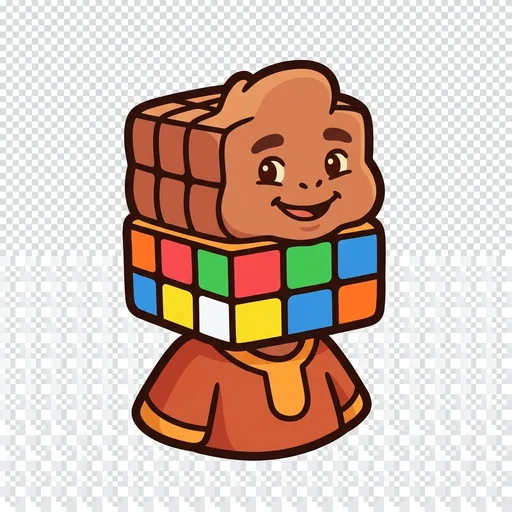
Layer
Beginner method — layer-by-layer steward; 'Bottom first. Always.'
-

Cross
CFOP method — speedcubing steward; 'Cross, F2L, OLL, PLL — that's the road.'
-
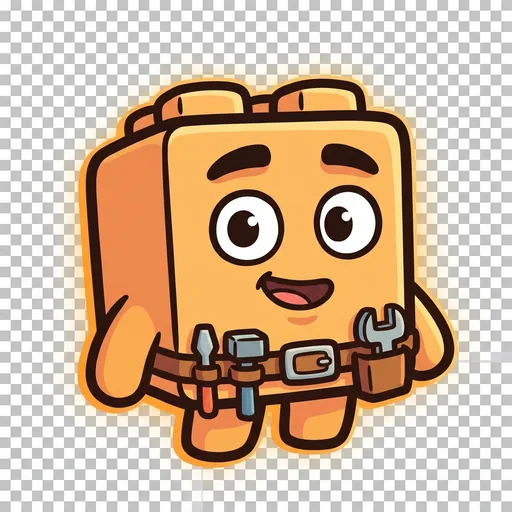
Block
Roux method — block-building steward; 'Build the blocks. Skip the cross.'
-
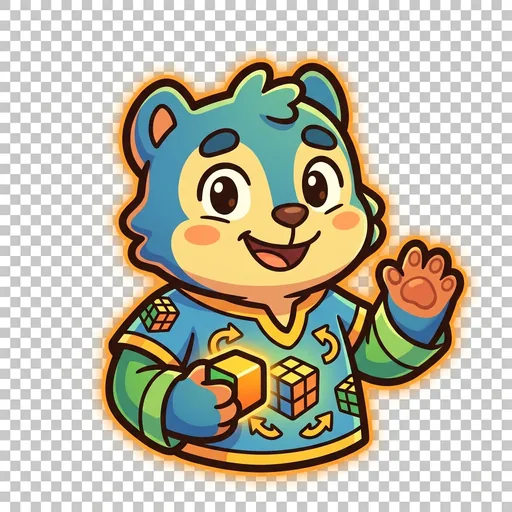
Edge
ZZ method — edge-orientation steward; 'Orient first. Then everything's faster.'
-

Look
Cross-method look-ahead coordinator; 'Eyes ahead. Hands following.'