Aska
inquiry (ask a good question, check the source)
Press play to listen along. The line being read lights up as you go.
Show full transcript
Loading transcript…
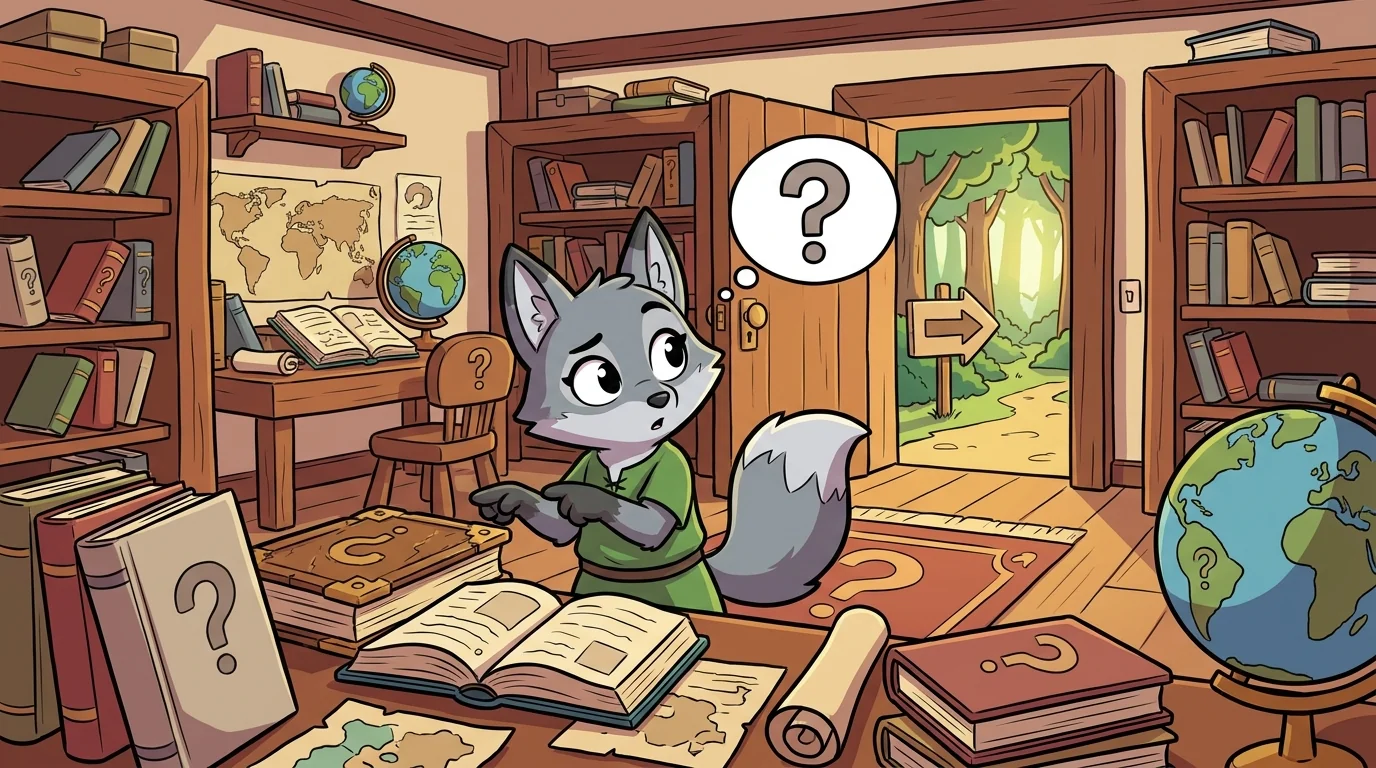
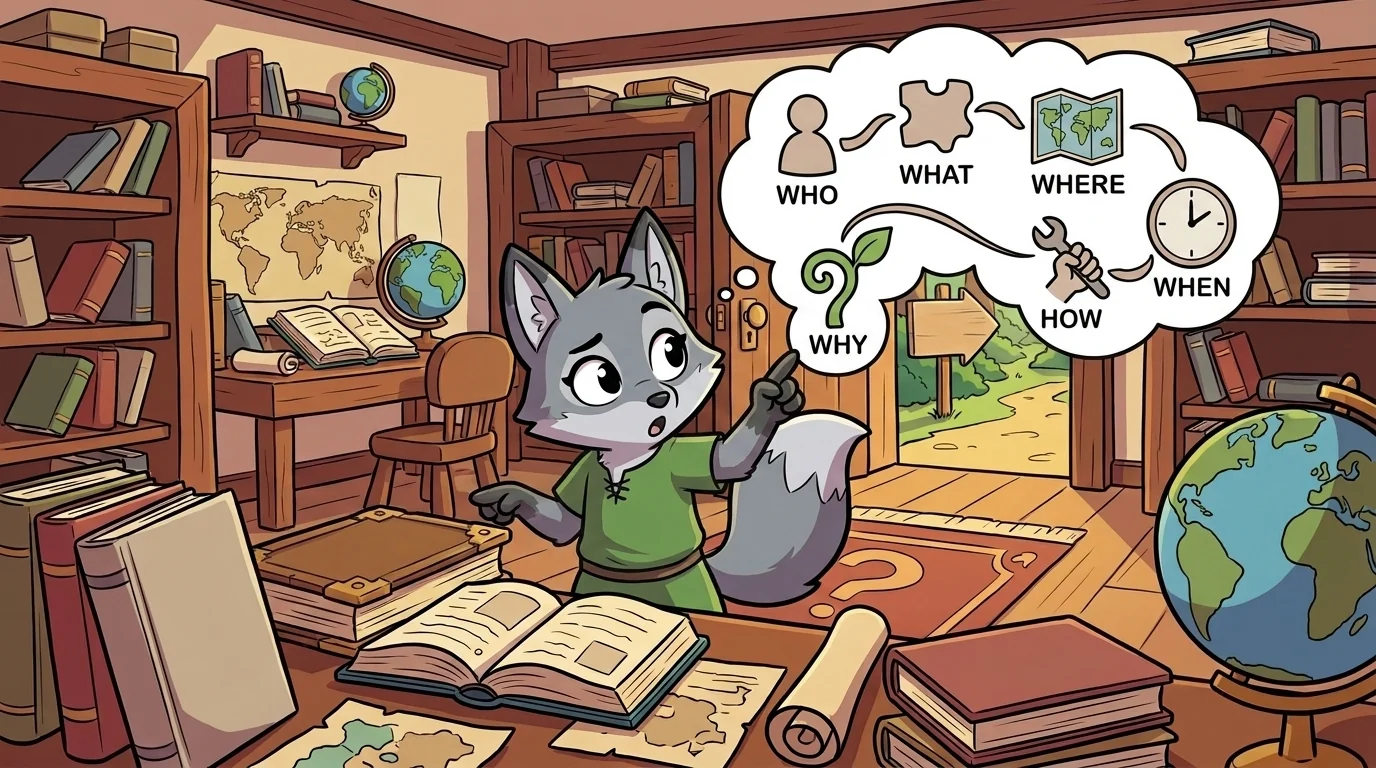
- WHAT - WHERE - WHEN - WHY - HOW
Aska was a grey fox with a curious tilt to her head and a favorite word: "Why?" She believed that learning starts not with an answer, but with a good QUESTION — and then with finding a source you can trust to answer it.

A young inquirer wondered about the pond in Maple Hollow. "Ask a good question first," said Aska. "Not 'yes or no' — open it up. WHAT lives in the pond? WHY does it dry up in summer?" The inquirer tried: "What animals live in our pond?" Aska's ears perked. "Now THAT's a door worth opening."
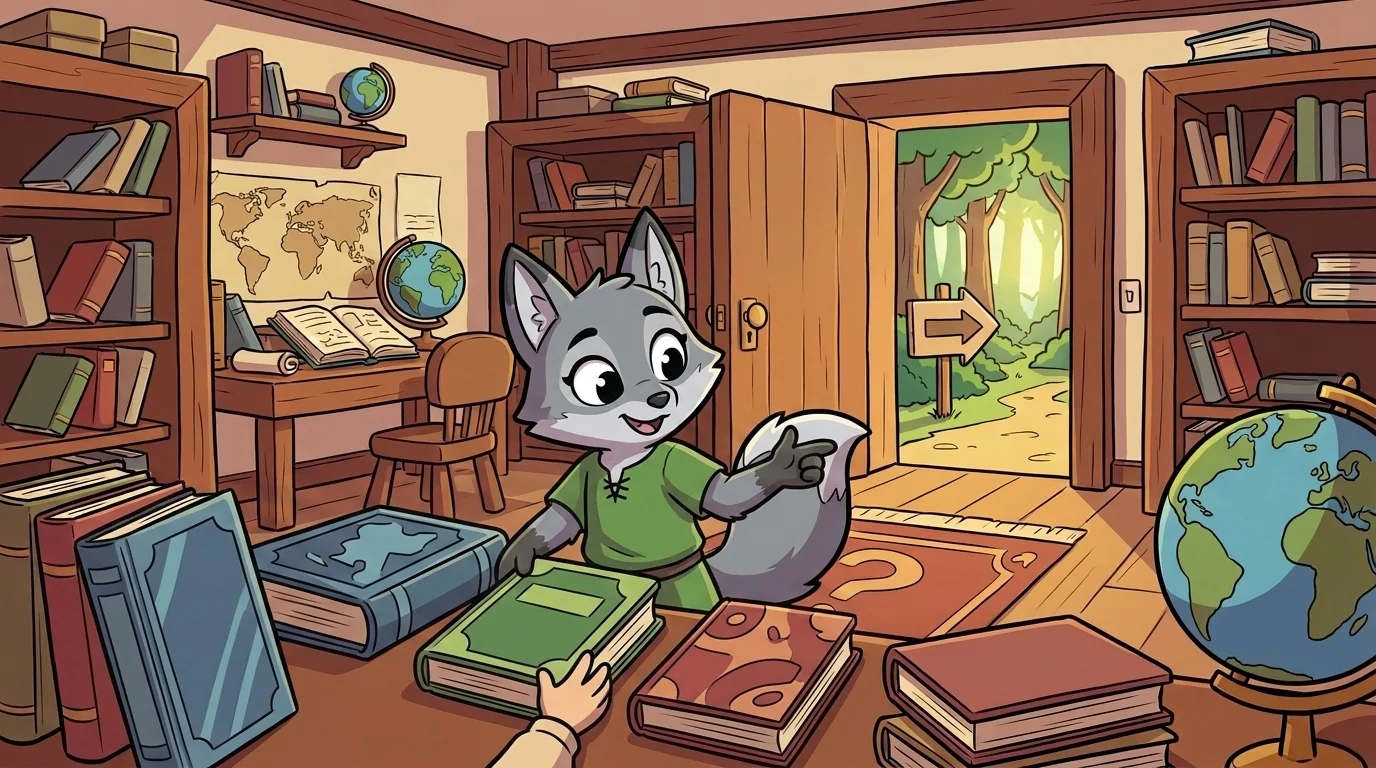
"Now — where would you look for the answer?" Aska laid out choices: a nature guide about the pond, a comic about space, a cookbook. The inquirer picked the nature guide. "Yes! Match the SOURCE to the question. A space comic won't tell you about pond frogs."
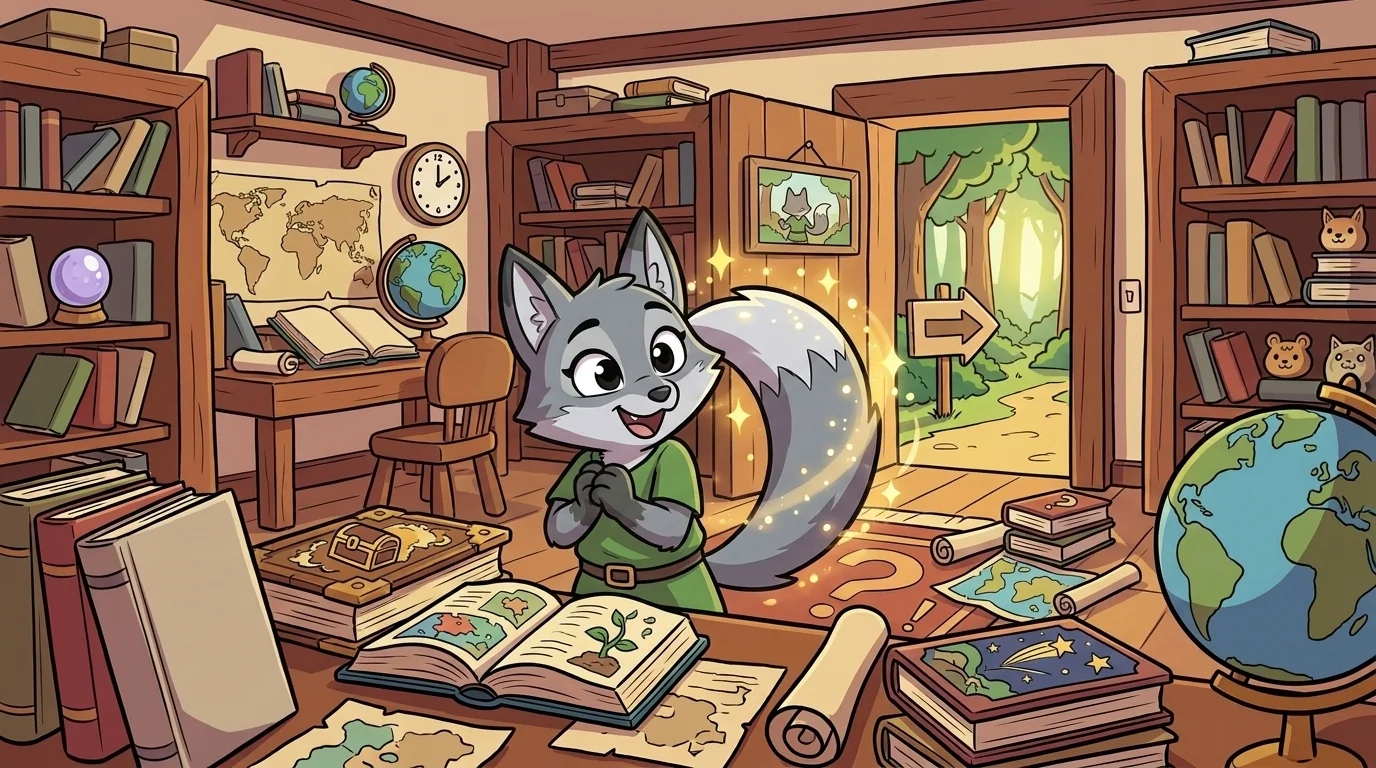
Aska also taught FACT vs OPINION. "'The pond has frogs' is a fact — you can check it. 'The pond is the prettiest place' is an opinion — it's what someone feels." A lab-mate wasn't sure which was which. Aska smiled. "Look for feeling words — 'best,' 'prettiest.' Those signal opinion. No shame in checking!"
Knowing fact from opinion is how you weigh what a source says.
The CompassQuest ensemble
Aska is part of CompassQuest's distributed-narrative cast. Each character embodies a different curricular primitive; together they teach the full subject.
-

Cardi
Geography / maps (hero) — a cardinal who reads the map and points the way (N/E/S/W); reading the map IS spatial reasoning
-

Traida
Economics — a chipmunk who trades acorns and chooses under scarcity; the trade-off IS economics
-
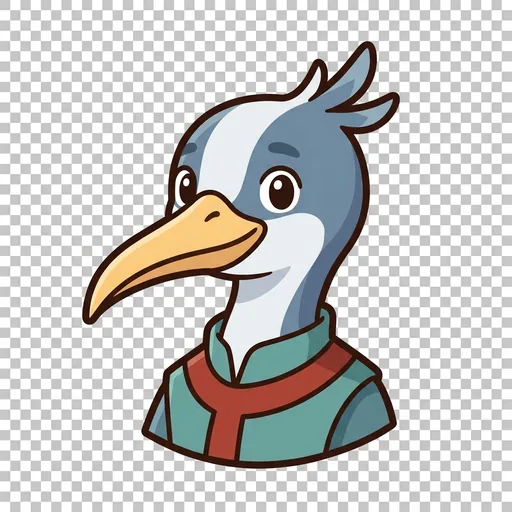
Justi
Civics — a heron who sets the fair rule and community roles; the fair rule IS civics
-
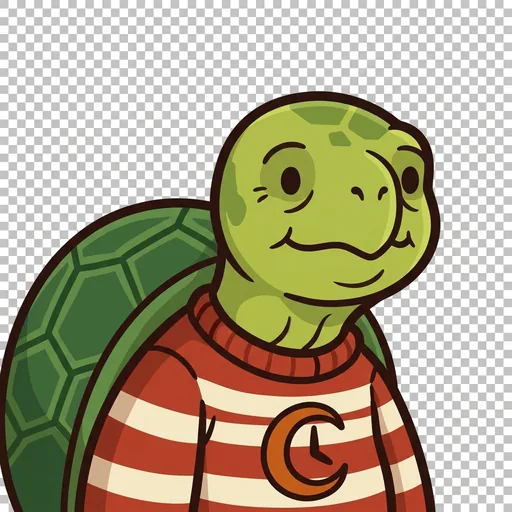
Chrona
History / chronology — a tortoise who lines up events oldest → newest; sequencing time IS chronology
-
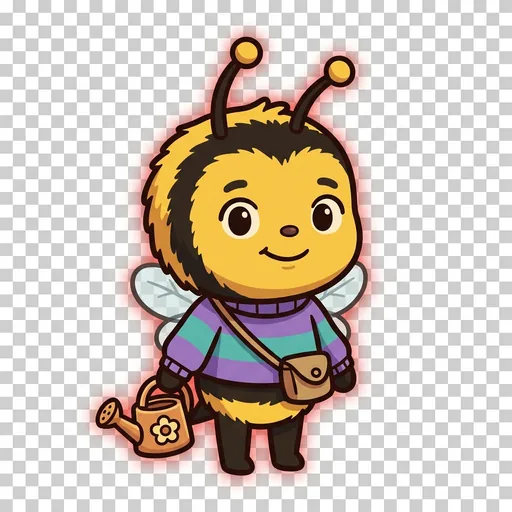
Acto
Informed action — a honeybee who turns what she learned into a helpful action for the hive; acting IS civic participation
-

Mayor Cobb
The community-hall keeper (mentor) — a steady beaver who frames each inquiry and never shames a wrong guess