Throb, Snap and Tilt
THE PULSE AND ITS PLAY — a groove is a steady pulse played with: Throb keeps the unshakeable beat everything hangs from, Snap divides that beat into smaller equal parts, and Tilt puts the weight off the beat you expect — and that push against the steady pulse is what makes a rhythm move
A story read by Throb, Snap and Tilt
Loading audio…
Press play to listen along. The line being read lights up as you go.
Show full transcript
Loading transcript…
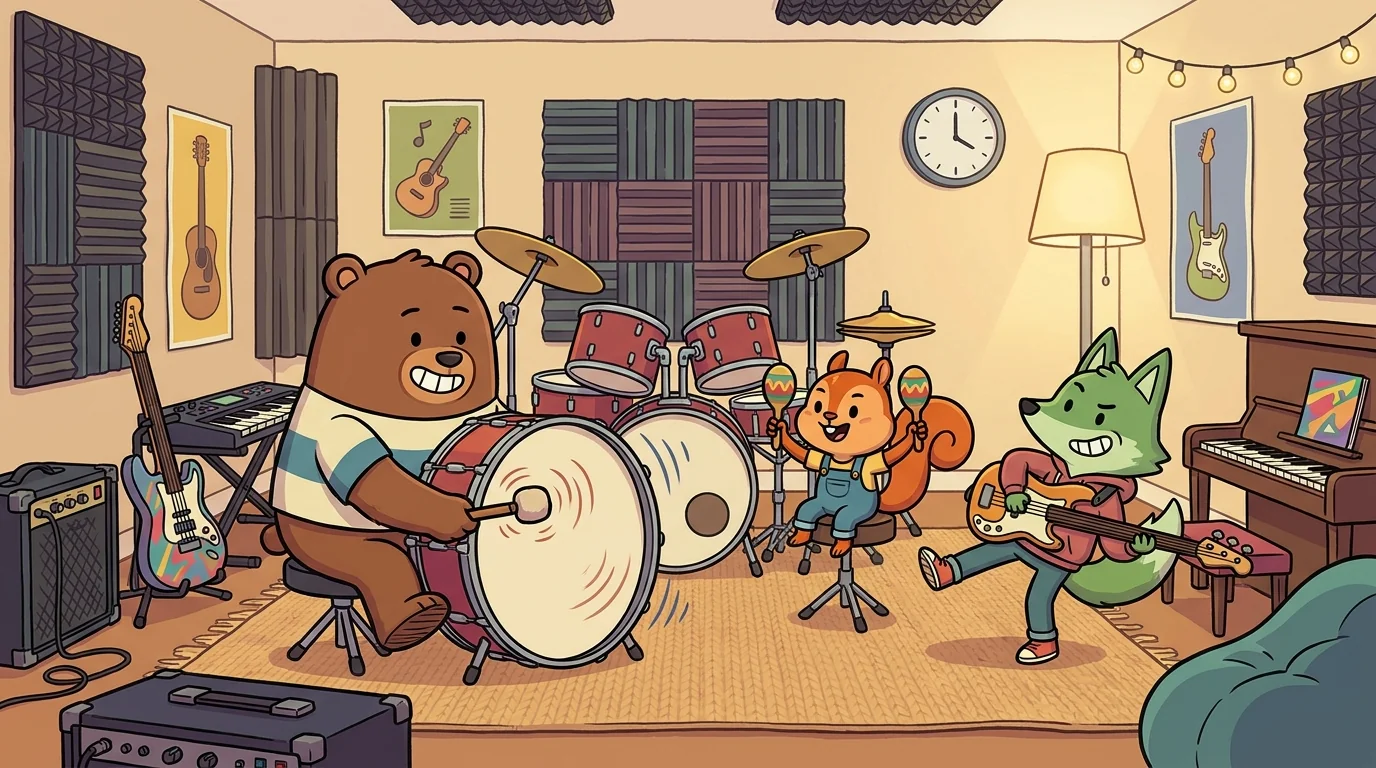
In a warm little practice room, three friends were about to build a groove from nothing — the kind that gets into your chest and won't let your foot stay still. And they built it, as grooves are always built, in three layers.
Throb sat at the center, tapping a beat so steady you could set a clock by it.
Snap perched nearby, ready to slice each beat into smaller pieces.
And Tilt leaned off to the side, grinning, waiting to throw the whole thing pleasantly off-balance.
"It starts with me," said Throb. "It always starts with me. Everything else is going to hang off the beat I keep. So — here we go. Steady."
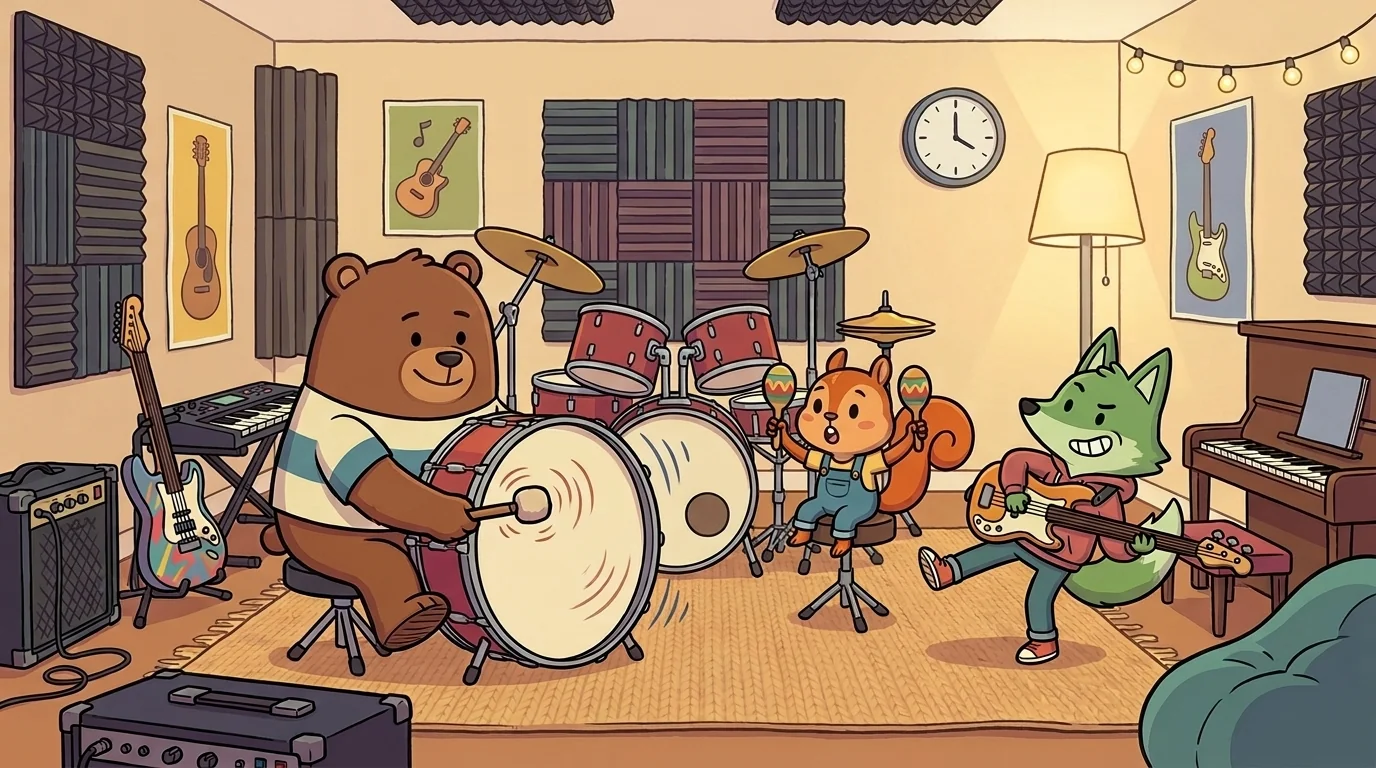
Throb went first, because before a groove can do anything clever, there must be a steady pulse for everything to hang on.
Boom. Boom. Boom. Boom. Throb laid down the pulse — even, unshakeable, the same every time, like a heartbeat, like footsteps, like the thing your whole body nods along to without being told. "This is me," said Throb. "The steady beat underneath everything. I'm not fancy. I'm not supposed to be. I'm the floor the whole groove stands on." Throb kept the pulse perfectly even. "Every other rhythm in the room is going to measure itself against me — speed up or slow down, hit early or late — but only because I'm here holding steady for them to push against. Take me away, and the whole thing falls into mush. There's a reason you feel the bass drum in your chest at a concert: that's the Throb, the pulse everyone in the room locks onto together. Steady. Dependable. The heartbeat of the whole thing."
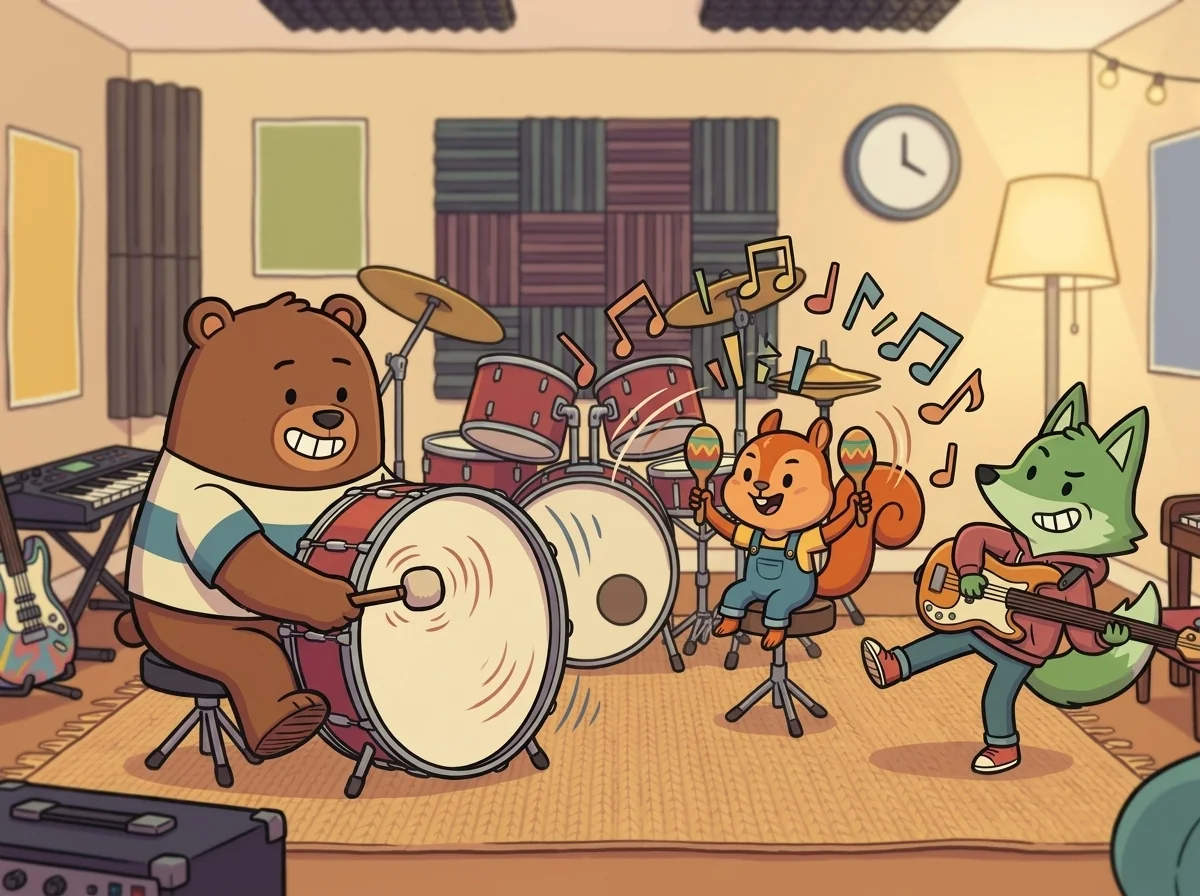
Then Snap began slicing each beat into smaller pieces — because a pulse alone is just a clock, and dividing it is where rhythm starts.
"One steady beat is fine," said Snap, "but watch what happens when I split it." And Snap took the space between each of Throb's booms and divided it — first in two (boom-and, boom-and), then in four (boom-e-and-a). Suddenly there was room to play. "That's subdivision," said Snap. "The pulse stays exactly the same — Throb never changes — but now there are smaller, equal steps inside each beat, and I can put notes on any of them. Two pieces, four pieces, more." Snap danced little notes across the subdivisions. "This is where a flat boom boom boom turns into an actual rhythm — because now I've got a grid of little slots inside the beat, and choosing which ones to hit and which to leave empty is what makes one groove sound different from another. Throb gives the beats. I give the inside of the beats. Same pulse — a hundred times more to say."
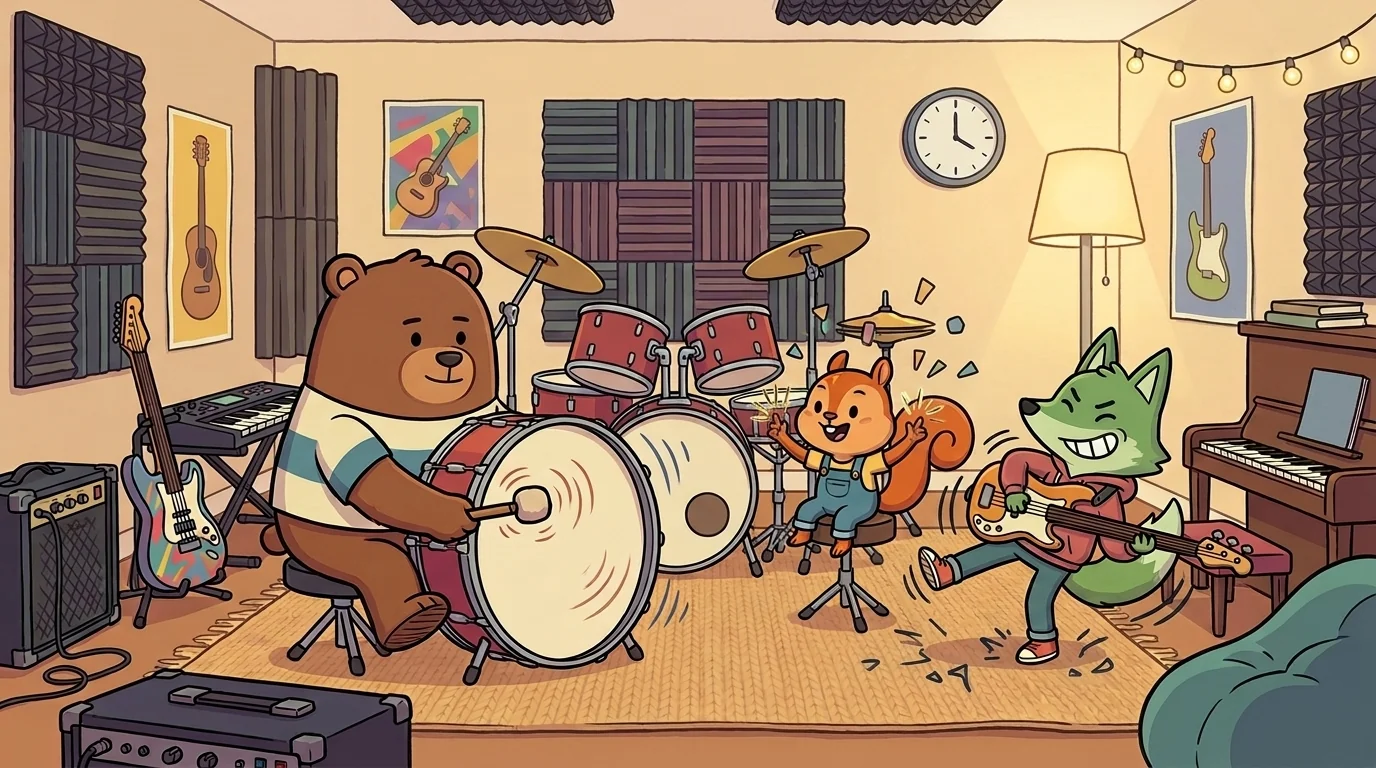
And then Tilt did the sneaky, magic thing — throwing the weight off the beat you expect, and setting the whole groove into motion.
"Here's the secret that makes people actually move," said Tilt. "You'd think you hit hardest right on Throb's beat — boom, boom, right on the pulse. And you can. But it's stiff. Watch what happens when I put the weight where you don't expect it — a little off the beat, in one of Snap's in-between slots." And Tilt landed the accent just after the pulse, in the gap, again and again — syncopation. And the groove suddenly leaned forward, pulling, restless, alive. "That's it. That off-balance push. Your ear expects the weight on the beat, and I put it just off — so the rhythm feels like it's always leaning forward, tugging you along, refusing to sit flat." Tilt grinned as feet started tapping around the room. "That forward lean, that pull against the steady pulse — that's the difference between a beat you count and a groove you can't sit still through."
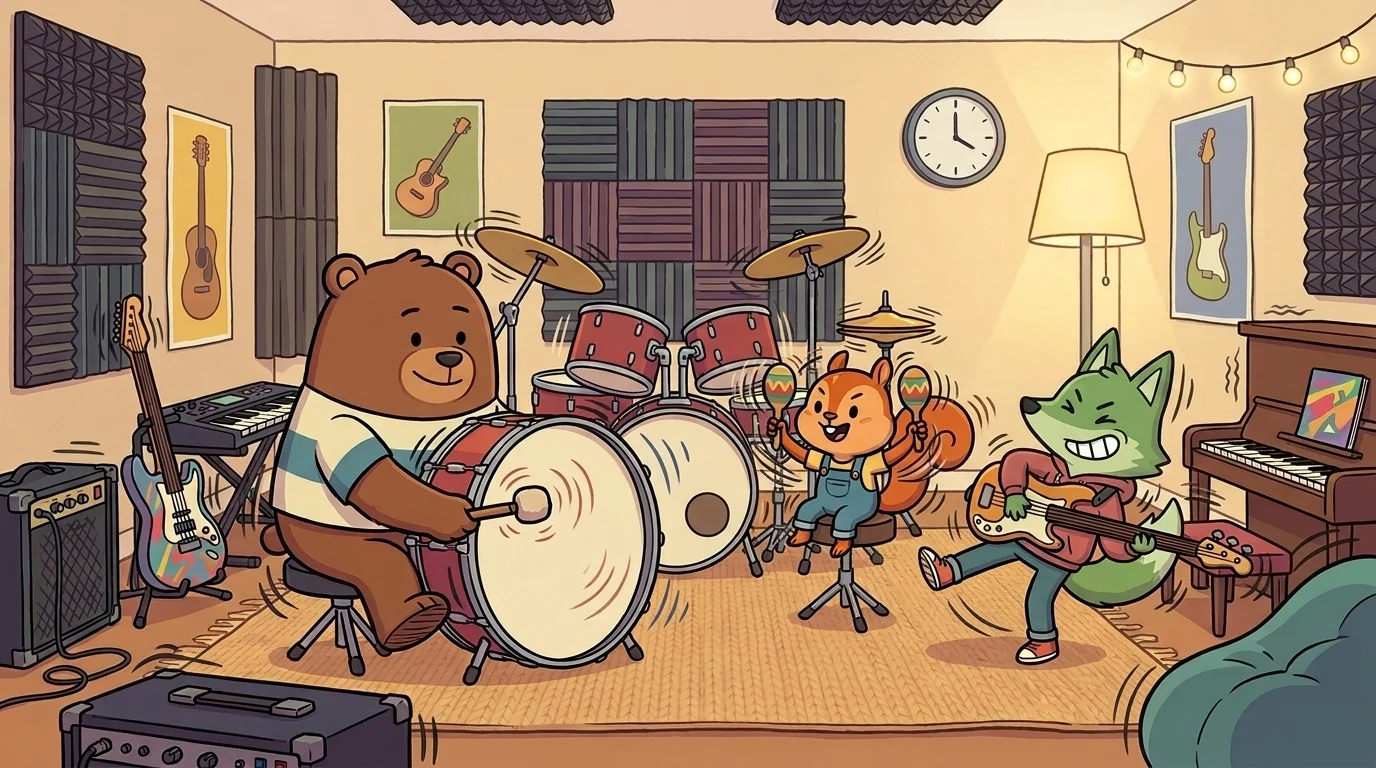
And there it was — Throb holding steady, Snap splitting the beat, Tilt tilting the weight off it — and the three layers locked together into a groove so good the whole little room was moving without deciding to.
"Good pulse," said Snap.
"Good split," said Tilt.
"Good tilt," said Throb, still perfectly steady underneath it all.
There is a joy that lives in the body more than the mind when a groove truly locks in — that helpless, grinning, can't-sit-still feeling when the steady pulse and the split beat and the off-balance push all click together and something in your chest just goes. You don't decide to move to it; you just find yourself moving. And knowing how it's built — a steady Throb, split by Snap, tilted by Tilt — doesn't spoil the magic one bit. If anything it deepens it, because now when a groove grabs you and won't let go, you can feel the three of them in there, working together, and grin at the sheer clever joy of it.
The BeatForge ensemble
Throb, Snap and Tilt is part of BeatForge's distributed-narrative cast. Each character embodies a different curricular primitive; together they teach the full subject.
-

Throb
The steady pulse — the underlying clock every other rhythm hangs from
-

Snap
Subdivision — splitting a beat into equal smaller parts (eighths, sixteenths, triplets)
-

Hammer
Accent — emphasis on specific beats (the downbeat, the backbeat, polyrhythmic emphasis)
-

Tilt
Syncopation — placing weight off the expected beat to create pull and forward motion
-
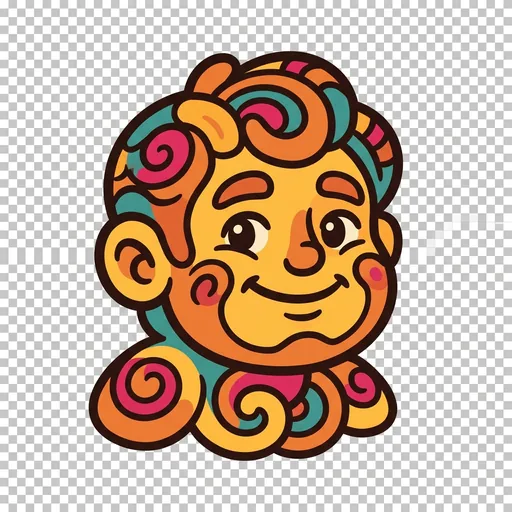
Spin
Groove — the looping pattern that emerges when pulse + subdivision + accent + syncopation cohere; the thing that makes a beat feel like a particular genre
-
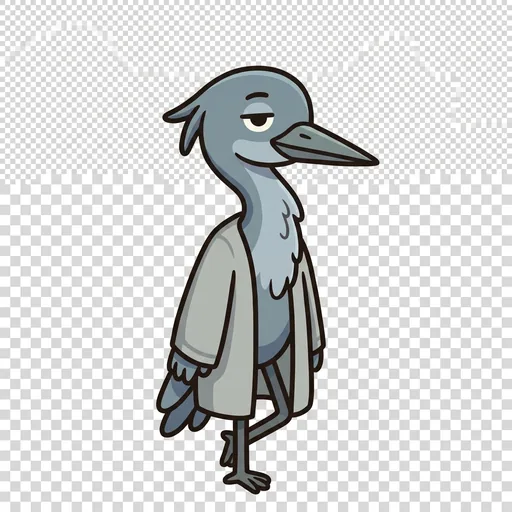
Lull
The rest — the beat you leave empty on purpose; silence counted as part of the music, so the next sound lands bigger
-

Crest
Dynamics — how loud or soft the music is, swelling louder and easing softer to give a song its waves
-

Rush
Tempo — how fast the pulse runs, and speeding up or slowing down to steer the whole mood of a song
-

Volley
Call-and-response — one player calls a phrase and the others answer it back; music as a conversation traded around a circle
-

Flurry
The fill — the quick burst of drum notes that carries a song across the turn from one section into the next
-
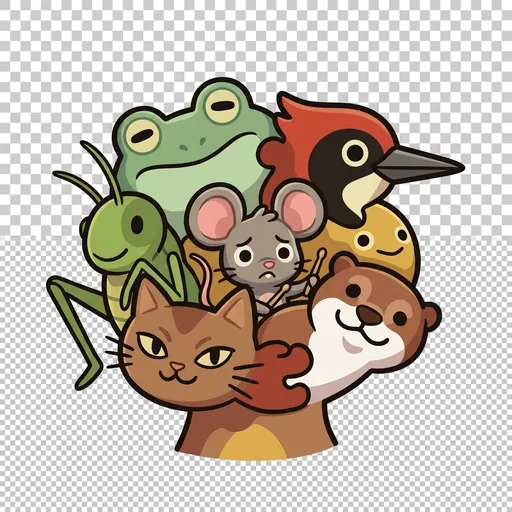
The Jam
The whole rhythm section playing together — how pulse, subdivision, accent, and syncopation lock into one groove that lifts everybody up at once