Inside, Vane and Ballast
NAMING THE WAVE — a big feeling doesn't have to sweep you away: first notice it's here (Inside), then name precisely what it actually is instead of just "bad" (Vane), then let the steadying weight hold you while the wave rises and passes (Ballast)
A story read by Inside, Vane and Ballast
Loading audio…
Press play to listen along. The line being read lights up as you go.
Show full transcript
Loading transcript…
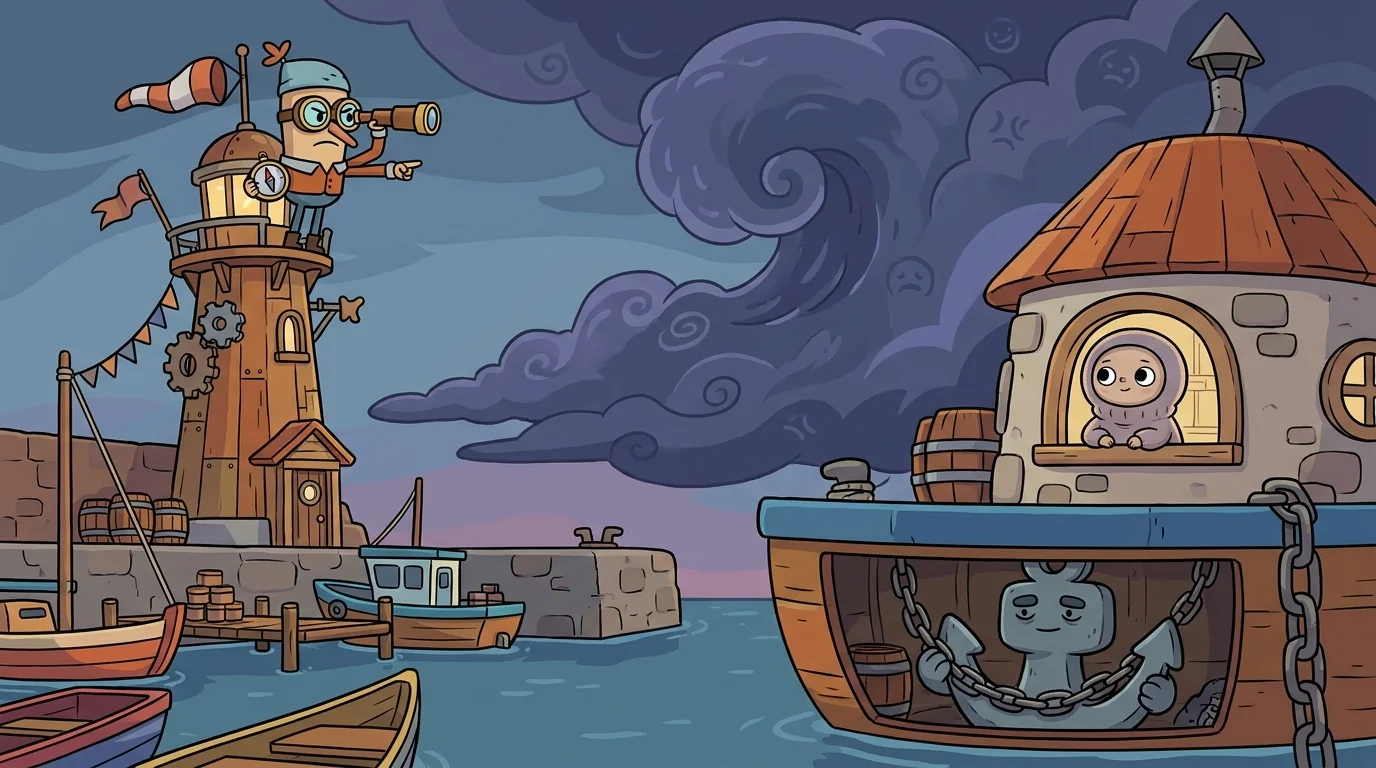
There was a small harbor at the edge of everything, and three keepers looked after it. Not the boats — the weather. Because in this harbor, the weather that rolled in was made of feelings, and big feelings, like big weather, could either swamp a person or be ridden safely through, all depending on how they were met.
Inside kept watch from the low window, quiet and noticing.
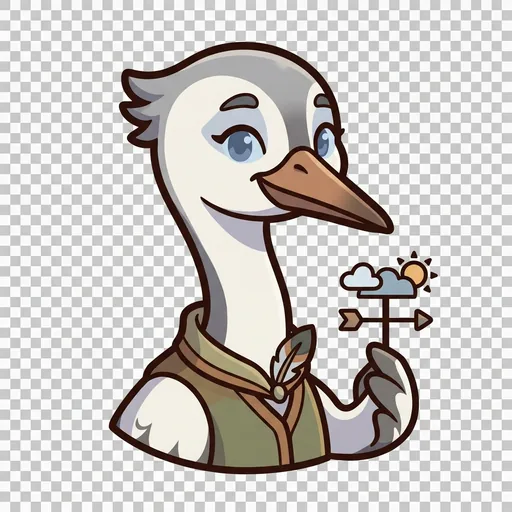
Vane stood up top, reading exactly which wind was blowing.
And Ballast lived down deep in the keel, the steadying weight that kept everything from tipping.
"Weather coming," said Inside, from the window, one gray afternoon.
And it was. A big one. A great dark swell of feeling was rolling toward the harbor, and a younger keeper would have panicked, or slammed the shutters, or pretended it wasn't there. The three of them did none of those things. They did their three quiet jobs.
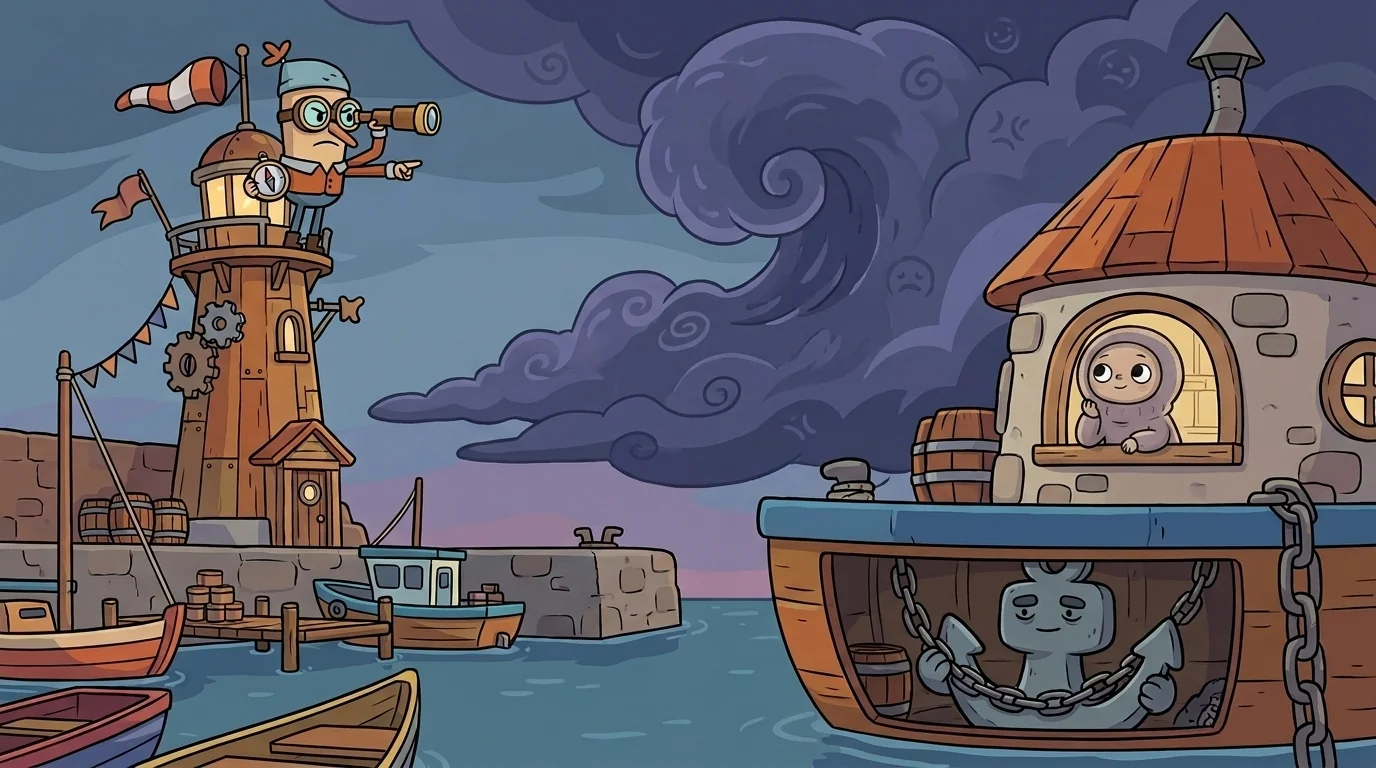
Inside went first, and Inside's whole nature was simply to notice — without fixing, without judging, without shoving it away.
"It's here," Inside said softly, watching the swell come in. Not this is bad. Not make it stop. Just: it's here. Inside felt where it landed — the tightness climbing into the chest, the hot prickle behind the eyes, the way the stomach pulled in on itself. And Inside named none of that as wrong. "A feeling arriving isn't a problem to solve," Inside said. "It's just weather. The first thing — before anything else — is to notice it's here, and let it be here, without a fight." Inside kept watching, calm at the low window. "You can't steer weather you're pretending isn't there. So first, we just... see it."
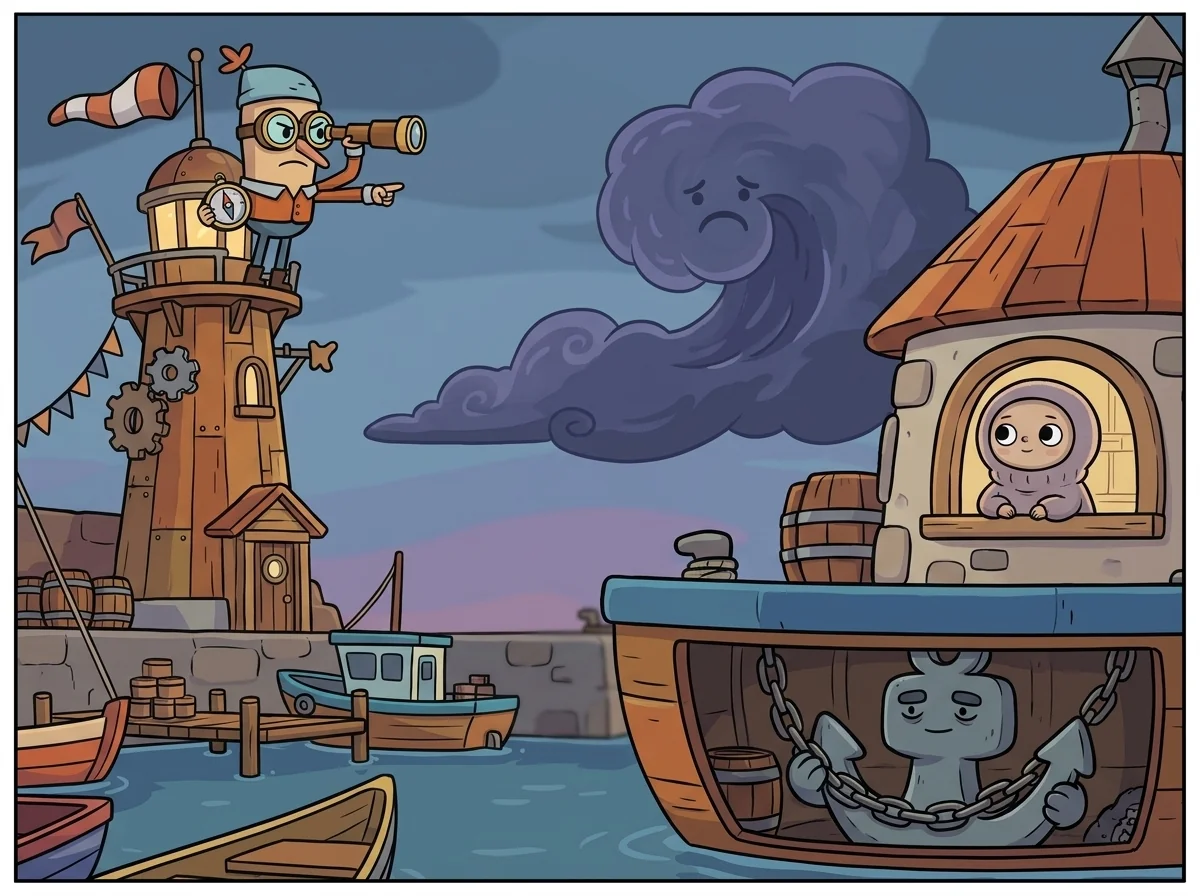
Then Vane, up top, did the thing that changed everything: Vane named it precisely.
Because a younger keeper would have called it one word — bad — and bad is too big and too blurry to do anything with. Vane's whole nature was to move past bad to the exact, true, particular feeling underneath. Vane read the wind carefully, turning into it. "It's not just 'bad,'" Vane said. "Let's find the real one." And Vane narrowed it, gently, the way you'd tune a blurry picture sharp. "It's not anger. It's... disappointment. And under the disappointment — there — left out. That's the true wind. Not a storm of everything. One clear feeling: left out."
And the strangest thing happened when Vane named it exactly right. The great blurry dark swell got smaller. Not gone — but knowable now, a shape you could see the edges of. "That's the magic of the true name," Vane said. "Bad is a monster in the dark. But 'I feel left out' — that's just a feeling. A real one, a fair one, but only one. Name it right, and it stops being everything."
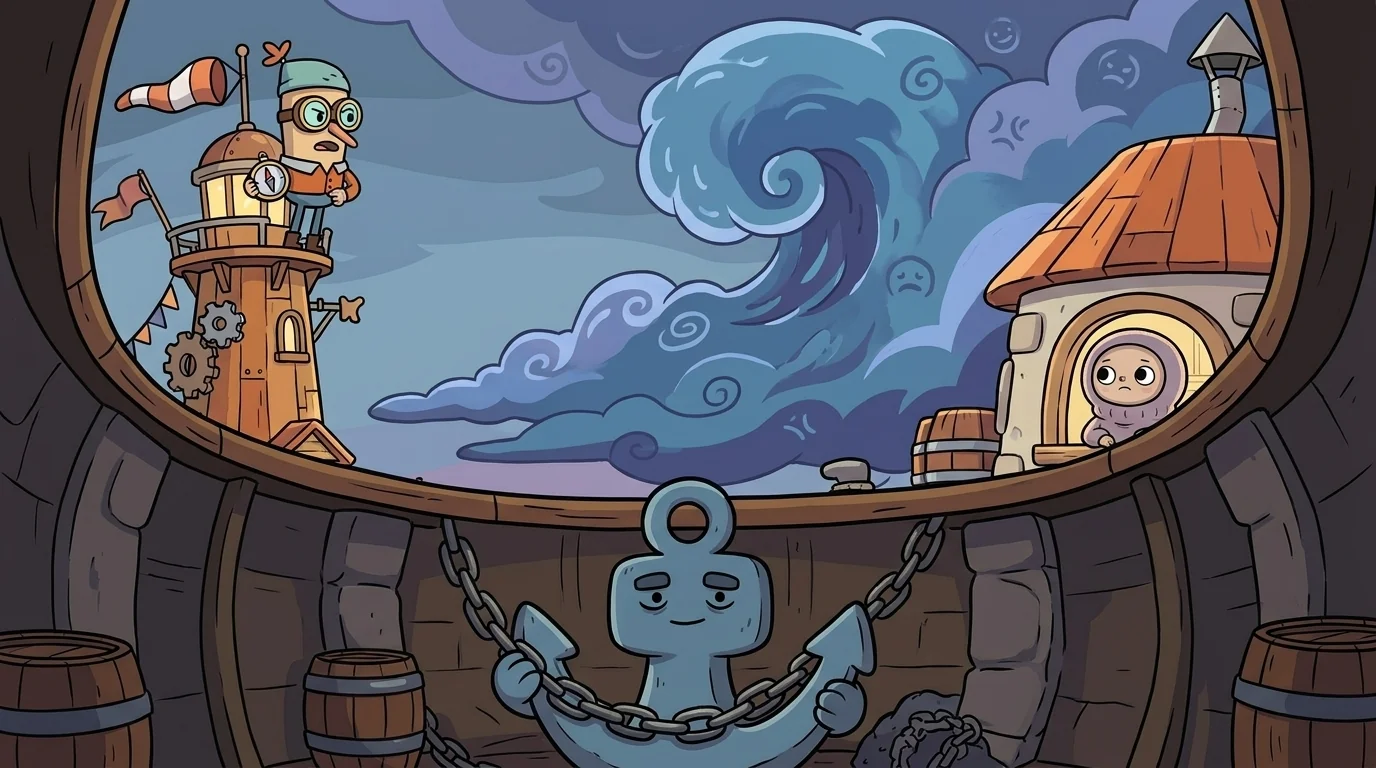
And now, with the feeling noticed and named, Ballast did the last and deepest part — Ballast steadied.
Down in the keel, Ballast was the heavy calm weight that let the little harbor ride a swell instead of flipping over in it. Ballast didn't stop the wave. Ballast couldn't, and didn't try. Ballast just held low and steady while the wave lifted the harbor up — up, up, higher than felt safe — and then, because that is what waves do, set it back down again.
"A big feeling is a wave, not a flaw," Ballast said, from down deep, holding steady as the swell peaked. "It rises. It feels like it'll never crest. And then — always, every single time — it passes. My whole job isn't to fight the wave. It's to be the steady weight that keeps you upright while it rolls through. Breathe low. Hold steady. Let it lift you and set you down. You are not going to tip. I've got the keel."
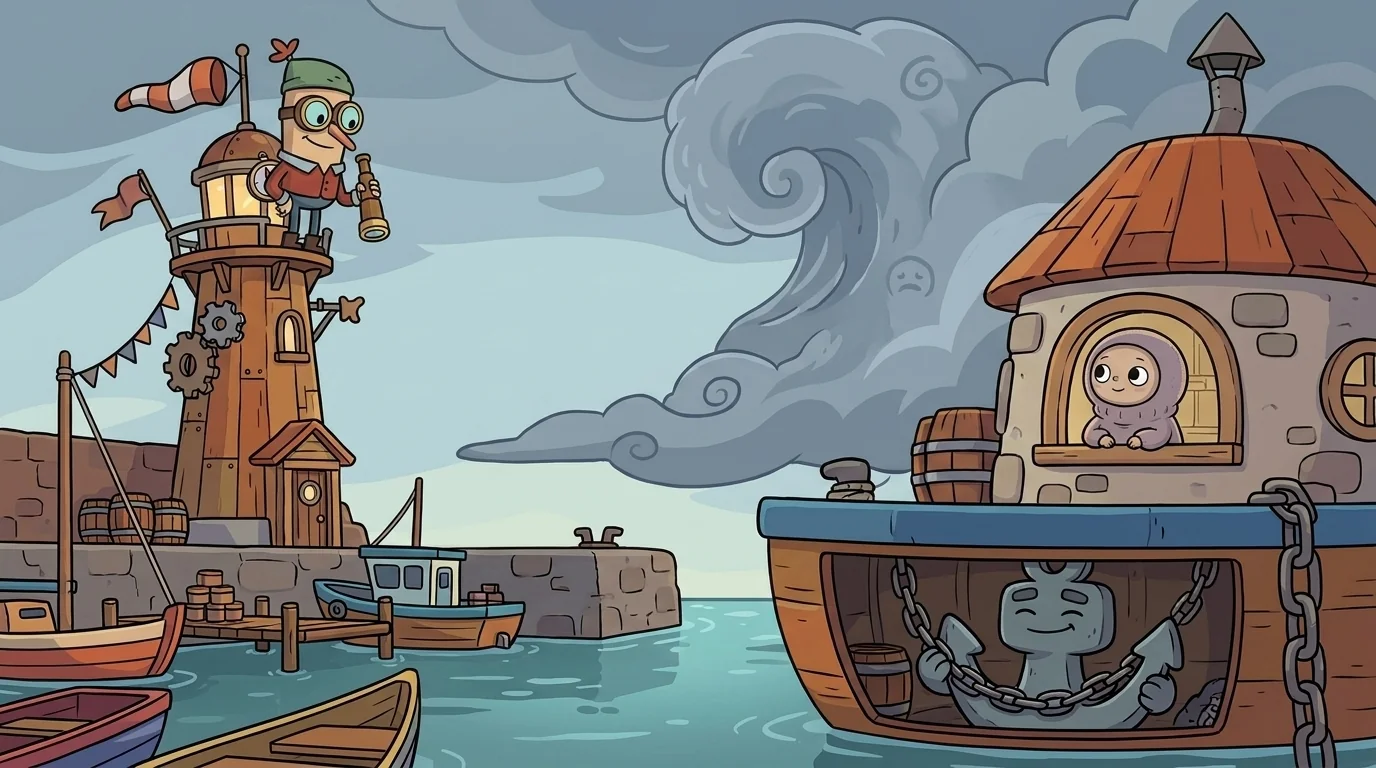
And the wave rolled through the little harbor — noticed by Inside, named true by Vane, ridden steady by Ballast — and it lifted everything high, and held there a long breathless moment, and then, exactly as Ballast had promised, it set the harbor gently back down and rolled on out to sea.
The water went calm. The gray began to lift. The feeling had come all the way in, and all the way through, and out the other side — and nothing had capsized.
"Good noticing," said Vane.
"Good naming," said Ballast.
"Good ballast," said Inside, from the low window.
There is a deep, surprising relief in riding a big feeling instead of drowning in it — in learning that you don't have to stop the wave or fear it or pretend it away, only notice it's here, name what it truly is, and hold steady while it lifts you and lets you down. The feelings still come. The weather still rolls in. But a harbor with these three keepers doesn't dread the swell anymore. It just says, quietly, weather coming — and rides it through.
The MindForge ensemble
Inside, Vane and Ballast is part of MindForge's distributed-narrative cast. Each character embodies a different curricular primitive; together they teach the full subject.
-

Inside
Self-awareness — emotion + thought + body awareness; 'Notice. Don't fix.'
-

Settle
Self-management — regulation + impulse + stress; 'One breath. Then I choose.'
-

Open
Social awareness — perspective + empathy + context; 'Their world. Then ours.'
-

Touch
Relationship skills — communication + boundaries + repair; 'Say it small. Listen big.'
-
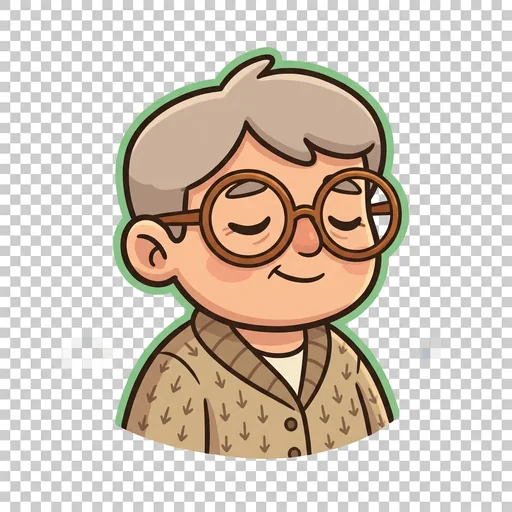
Choose
Responsible decision-making — values + consequences + action; 'What matters? Then I act.'
-
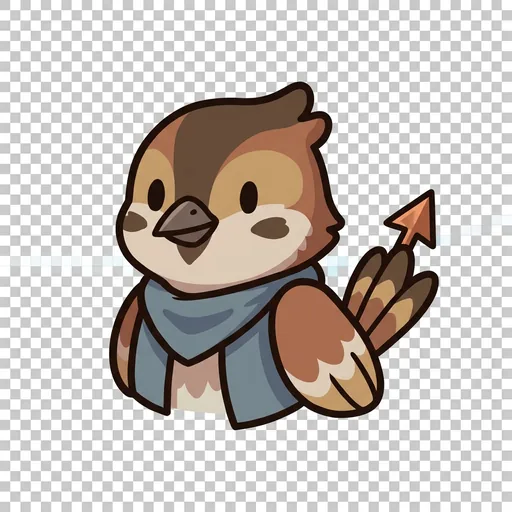
Vane
Names the exact feeling, not just good or bad, because the precise word points the way to what actually helps.
-

Ballast
Helps you stay steady inside a big feeling, like the weight that keeps a boat from tipping while the wave passes.
-
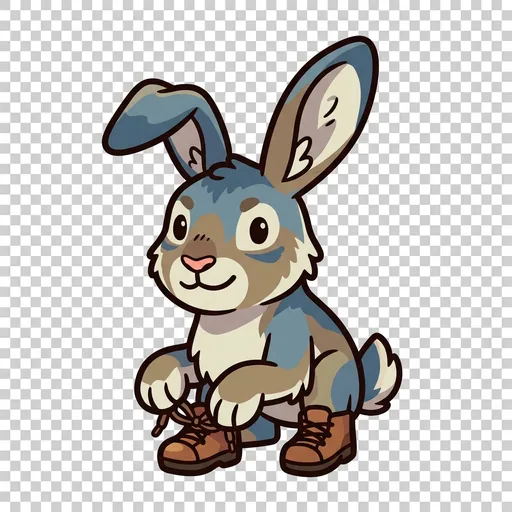
Vantage
Climbs to where someone else is standing, so you can see what they see instead of guessing.
-

Darn
Mends a small everyday rift early, before a little tear becomes a big hole.
-
Forecast
Looks down the road of a choice to see where it leads, so your future self gets a vote too.